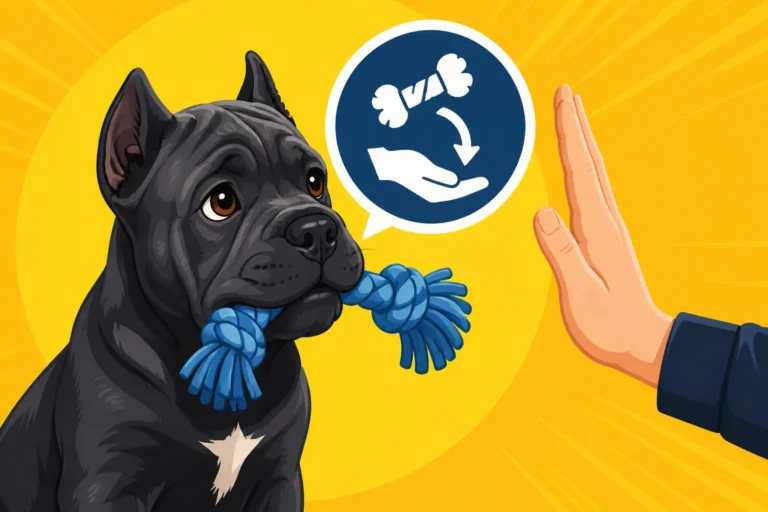
Whether a Cane Corso Needs Protection Training at All
One of the most common questions I hear from aspiring Cane Corso owners, and even those who've had one for a while, is whether these magnificent dogs need protection training. It's a loaded question, often rooted in both admiration for their natural guarding abilities and a touch of misunderstanding about what that truly entails. This guide aims to clear up the confusion, distinguishing between a Cane Corso's inherent protective instincts and the very specific, intensive world of formal protection sport.
Understanding the Cane Corso's Natural Guardian Instinct
Let's be real: people are drawn to the Cane Corso because of their powerful presence and their ancient heritage as guardians. They were bred for centuries in Italy to protect property, livestock, and family. This isn't just a marketing slogan; it's etched into their DNA. But what does that really mean for the average family dog, and how does it differ from the Hollywood version of a "protection dog"?
What True Guarding Looks Like (and Doesn't Look Like)
A well-bred, well-socialized Cane Corso doesn't need to be taught to be protective. It's simply who they are. Picture this: you're in your home, and a stranger approaches the door. Your Cane Corso might stand between you and the door, body stiff, a low rumble in their chest, maybe a focused stare, but likely no aggressive lunging or frenzied barking. They are assessing the situation, communicating their presence, and silently asking, "Is this person okay?" They're a deterrent, a watchful presence that makes potential threats think twice. This is instinctual, often quiet, and profoundly effective.
What it doesn't look like is a dog that is randomly aggressive, lunging at every stranger on the street, or making unprovoked attacks. A Cane Corso with a stable temperament and proper upbringing will be calm, confident, and discerning. They understand the difference between a perceived threat and the mail carrier, even if they're always keeping an eye on both. The core of their guarding is about assessment and response, not indiscriminate aggression. What a Cane Corso's Guardian Instinct Actually Is delves deeper into these natural behaviors.
The Difference Between Instinct and Trained Protection
This is where the distinction becomes critical. Your Cane Corso's natural guarding instinct is a deeply ingrained behavioral trait. It means they are naturally inclined to observe, assess, and respond to perceived threats to their "flock" (you and your family) and their territory. This usually manifests as an alert bark, a physical presence, or a firm "stay back" demeanor. They want to deter, not necessarily engage in a physical conflict unless absolutely necessary.
Formal protection training, on the other hand, is a highly specialized discipline. It teaches a dog to bite on command, hold a grip, and release on command, often involving a "decoy" (a person wearing a bite suit). This is not about enhancing natural guarding; it's about channeling a dog's prey drive and teaching them a precise set of skills for controlled aggression and defense. It's a sport for many, or a very specific type of working dog, far removed from the everyday family pet guarding the backyard. It relies on extremely high drive, perfect nerves, and an owner committed to rigorous, ongoing training.
The Realities of Formal Protection Training
When we talk about "protection training," most people visualize a dog taking down an assailant. While that's the end goal of some forms of protection work, it's vital to understand the journey to get there and the significant commitment it demands. This isn't just about teaching "sit" and "stay"; it's a profound re-channeling of a dog's instincts.
What Protection Training Entails
Formal protection training, often referred to as "bite work" or "IPO/IGP" (International Gebrauchshund Prüfung, which includes tracking, obedience, and protection), is not something you casually dabble in. It involves a very specific methodology, starting with developing the dog's prey drive and building confidence in biting a sleeve or suit. Dogs learn to identify a "threat" based on cues from the handler and to engage with controlled aggression. This requires a dog with a robust temperament, high drive, and unshakeable nerve. It's about control, precision, and obedience under extreme pressure, not unleashing a wild animal.
The process often starts with puppy foundation work, slowly introducing them to the concept of biting a soft target. As they mature, the training intensifies, focusing on full, firm grips, defending the handler, and most importantly, releasing the bite immediately on command. This isn't a DIY project; it requires highly skilled and experienced trainers who understand canine behavior, drive, and the nuances of safe bite work. It's a full-time commitment, demanding consistent effort and discipline from both dog and handler.
The Commitment and Risks Involved
Let's not sugarcoat this: engaging in formal protection training is a massive undertaking. First, the cost. Specialized trainers who are genuinely good at this are not cheap. You're looking at significant financial investment over many years. Then there's the time commitment – weekly sessions, daily reinforcement, and constant conditioning. The dog's entire life revolves around this work, and the handler must be equally dedicated.
Beyond the practicalities, there are inherent risks. An improperly trained protection dog, or a dog with an unstable temperament pushed into bite work, can be incredibly dangerous. The goal is a dog that can turn on and off its drive on a dime, but mistakes can have severe consequences. There's also the social stigma; a dog known to be "protection trained" can face more scrutiny, and insurance companies might view them differently. It changes how you interact with the world with your dog. For these reasons, The Training Bill a Cane Corso Owner Cannot Skip is often eye-opening for those considering specialized training.
Furthermore, a dog engaged in this level of training needs regular physical conditioning to prevent injuries, especially given the Cane Corso's size and powerful physique. A strong, confident dog is necessary, but a dog that is physically compromised could be at risk during the intense exercises involved in bite work.
Why Most Family Cane Corsos Don't Need Formal Protection Training
This is the big takeaway for most people considering a Cane Corso. While their natural guarding instincts are undeniably impressive and reassuring, formal protection training is simply not necessary, nor is it advisable, for the vast majority of family pets.
Focusing on Foundational Obedience and Socialization Instead
The absolute best "protection" you can offer your family and your community, if you own a Cane Corso, is a dog that is supremely well-behaved, well-socialized, and under your absolute control. A Cane Corso that reliably comes when called, sits politely, stays on command, and walks calmly on a leash is a far greater asset than one with bite training but shaky obedience. This is especially true for such a powerful breed; control is paramount.
Invest your time and resources into solid obedience classes, both group and private. Work on their impulse control daily – teaching them to wait for food, wait at the door, and ignore distractions. Prioritize comprehensive socialization from a young age, exposing your puppy to a wide variety of people, places, sounds, and other calm, vaccinated dogs in a positive, controlled manner. The Socialization Window a Cane Corso Puppy Gets is critical for this breed. A dog that is confident in various environments, rather than reactive or fearful, is a truly safe and effective guardian. Consider online resources like BAXTER & Bella, which offer comprehensive puppy and basic obedience programs that are perfect for building this essential foundation in a flexible way. They lay the groundwork for a calm, well-adjusted dog, which is the best protection any family can have.
The Pitfalls of Misdirected Protection Training
Without proper understanding and expert guidance, attempting "protection training" on your own or with an unqualified trainer can lead to disastrous results. You risk creating a dog that is:
- Unpredictable and Dangerous: A dog taught to be aggressive without the precise control and discernment required can become a liability, not a guardian. They might bite indiscriminately, or misunderstand cues, leading to serious incidents.
- Anxious or Over-Reactive: Not every Cane Corso has the temperament for formal protection work. Pushing a dog that lacks the necessary nerve or drive into bite work can create an anxious, fearful, or overly reactive dog that is a danger to itself and others. You want a dog that is inherently confident, not one forced into a role it's not suited for.
- Poorly Socialized: If all your training efforts are focused on "protection," you might neglect the crucial socialization aspect. A dog that is only ever in a bite-work environment will lack the real-world experience needed to navigate society safely. This can result in a dog that is a menace in public, regardless of its bite skills.
- Hard to Manage: Even a naturally protective Cane Corso can become unruly without consistent Leash Manners Before a Cane Corso Hits Ninety Pounds. Add improper "protection" cues, and you have a hundred-pound animal that is difficult for anyone to handle, potentially isolating you and your dog from public spaces and even friends and family.
It’s truly a situation where if you’re not doing it absolutely perfectly, you’re better off not doing it at all. The goal should always be a balanced, well-adjusted dog, not just a dog that can bite.
When Formal Protection Training Might Be Considered (and the Strict Requirements)
While I strongly advocate that most Cane Corsos don't need formal protection training, there are specific, rare circumstances where it might be considered. This isn't for the faint of heart, and the requirements are incredibly stringent.
The Ideal Candidate: Dog and Owner
First, the dog. A Cane Corso considered for formal protection work must possess an exceptional temperament. This means:
- Impeccable Nerves: They must be unfazed by loud noises, sudden movements, strange environments, and confrontational scenarios. Fear or hesitation is a disqualifier.
- High Drive: Both prey drive (the instinct to chase and grab) and defense drive (the instinct to protect oneself or the handler) need to be strong and balanced.
- Solid Conformation and Health: The physical demands of bite work are immense. The dog must be structurally sound with excellent hips, elbows, and overall health to withstand the rigors of training without injury. Hips and Elbows a Cane Corso Must Be Cleared On are non-negotiable considerations.
- Exceptional Trainability and Focus: They must be highly intelligent, eager to please, and able to maintain focus under extreme distraction. The Length of a Cane Corso's Attention Span needs to be developed to a high degree.
Second, the owner/handler. This is perhaps even more critical. You need to be:
- Experienced and Committed: This is not a sport for novice dog owners. You need a deep understanding of dog behavior, training theory, and a willingness to commit years of time, effort, and money.
- Physically Capable: Handling a powerful Cane Corso in protection work requires physical strength, agility, and quick reflexes.
- Mentally Tough and Consistent: Protection training demands unwavering consistency, strong leadership, and the ability to remain calm and decisive under pressure. The Handler a Cane Corso Respects isn't just a saying; it's a prerequisite.
This is a niche area, often pursued by individuals involved in specific working dog sports, law enforcement, or very serious personal security situations, not the average pet owner seeking a family companion.
Finding a Qualified and Ethical Trainer
If, after honest self-assessment and deep consideration, you believe you and your Cane Corso might be candidates for formal protection training, the single most important step is finding the right trainer. This is not the time to cut corners or trust just anyone. Look for:
- Proven Experience and Credentials: Seek out trainers with extensive experience in IPO/IGP, PSA (Protection Sports Association), or similar legitimate working dog sports. They should have titled dogs themselves and be able to demonstrate their dogs' work.
- Focus on Control and Safety: An ethical trainer will prioritize safety, control, and the dog's well-being above all else. They will assess your dog's temperament thoroughly and be willing to tell you if your dog is not suited for the work. They will also emphasize obedience and control as the foundation for any bite work.
- Transparency: They should be open about their methods, allow you to observe training sessions, and be able to explain the "why" behind every exercise. Be wary of anyone promising a "protection dog" quickly or using intimidating, vague, or overly harsh methods.
- References: Ask for references from current and past clients, and observe their dogs in action. A good trainer's dogs will be confident, happy, and well-balanced, not fearful or aggressive outside of controlled training scenarios.
There are many individuals who claim to offer "protection training" but lack the expertise or ethics. Choosing the wrong trainer can ruin a dog, create a dangerous animal, and put everyone at risk.
Building a Confident and Safe Family Guardian Without Bite Work
For most Cane Corso owners, the goal is a dog that is a loyal, well-mannered family member who also possesses that inherent, reassuring guardian presence. You can absolutely achieve this without ever stepping foot on a bite field.
Advanced Obedience and Impulse Control
Instead of bite work, focus your energy on advanced obedience and mastering impulse control. A Cane Corso that truly understands and respects boundaries is a rock-solid guardian.
- Proofing Obedience: Take basic commands like sit, stay, and down, and proof them in increasingly distracting environments. Can your dog stay in a down-stay when guests arrive? Can they recall instantly at the dog park? This level of reliability ensures you have control in any situation.
- Place Command: The "place" command is invaluable for a Cane Corso. Teaching them to go to a designated spot (a mat, a bed) and stay there until released gives you a tool to manage them calmly during chaotic moments, like visitors arriving or children playing. Teaching a Cane Corso to Hold a Place Cot is a game-changer for household management.
- "Leave It" and "Out": These commands are crucial for safety. "Leave It" prevents your dog from picking up something dangerous or fixating on something inappropriate, while "Out" teaches them to drop whatever they're holding. This fosters respect for your ownership of resources and prevents resource guarding.
- Door Manners: Teaching your Cane Corso to wait politely at the door and only proceed on your command instills respect for thresholds and prevents them from rushing out or body-slamming guests. This reinforces your control over who enters and exits the home, which is a key part of responsible guardianship. For training tools that can help with impulse control exercises, many owners find products available on Amazon useful, from durable long lines to puzzle feeders that encourage mental engagement and slow eating.
A truly well-trained Cane Corso understands that you are the decision-maker for the household's security. They don't need to be trained to bite to fulfill their guardian role; their calm, confident demeanor and your clear direction are enough. Impulse Control Work for a Cane Corso is ongoing and essential.
Environmental Management and Boundary Setting
Beyond direct training, intelligent environmental management and consistent boundary setting contribute immensely to a safe and secure household with a Cane Corso.
- Secure Fencing: A robust, secure fence is non-negotiable for a Cane Corso. This prevents them from wandering, engaging with unwanted elements, or potentially escaping. A good fence acts as your first line of defense and allows your dog to safely patrol their designated territory without concern for accidental encounters.
- Designated "Watch Zones": You can allow your Cane Corso to observe activity from specific areas, like a window perch or a designated spot in the yard, without letting them freely patrol every inch of the property in a reactive way. This allows them to fulfill their natural desire to watch without becoming overstimulated or territorial in inappropriate situations.
- Guest Protocols: Establish clear rules for how your Cane Corso interacts with guests. This might involve placing them on their "place" mat, keeping them on a leash when people first arrive, or crating them if they struggle with new people. Your guests will feel more comfortable, and your dog will understand the expectations. A Cane Corso Meeting Guests at the Front Door should be a controlled, structured event.
- Controlled Interactions: When you do introduce your Cane Corso to new people or animals, ensure it's always under controlled, positive conditions. Never force interactions. Advocate for your dog, and remove them from situations where they are uncomfortable or overwhelmed. This builds trust and reinforces that you are their protector, allowing them to relax into their guardian role rather than feeling the constant need to "do" something.
By focusing on these areas, you nurture a Cane Corso who is confident, discerning, and truly understands their place within the family unit and the world around them. They will naturally be a deterrent and a watchful presence, providing the security you desire, without the need for specialized and potentially risky bite work.
| Feature | Natural Guardian Instinct | Formal Protection Training |
|---|---|---|
| Origin | Inherent breed trait, genetic | Learned, specialized skill |
| Behavior Goal | Deterrence, assessment, warning | Controlled aggression, biting on command |
| Required Temperament | Confident, stable, discerning | Exceptional nerve, high drive, unwavering focus |
| Owner Commitment | Consistent obedience, socialization, management | Years of intensive training, significant financial/time investment |
| Safety for Family | High (with proper socialization/training) | High (only with expert training), very high risk otherwise |
| Applicability | Most family Cane Corsos | Highly specialized working dogs, sport |
| Primary Focus | Loyalty, security, calm presence | Performance, precision, engagement with a threat |
Disclaimer
This article is for general informational purposes only and does not constitute professional advice. Laws, prices and regulations vary by location and change over time. Consult a qualified professional for guidance on your specific situation.