Bloat and What a Cane Corso’s Deep Chest Costs
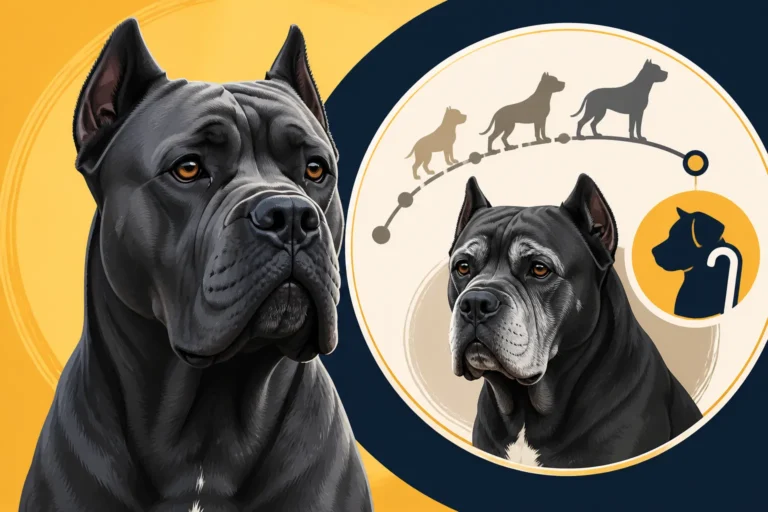
There's a terror that grips the heart of every Cane Corso owner, a silent, swift predator lurking in the shadows of their beloved companion's deep chest: bloat. This isn't just an upset tummy; it's a life-or-death emergency that can strike without much warning, turning a healthy, vibrant dog into a critical patient within mere hours. This comprehensive guide will pull back the curtain on gastric dilatation-volvulus (GDV), explaining why our strong, majestic Cane Corsos are so susceptible, how to spot the early, often subtle signs, what a bloat emergency costs, and most importantly, how we can proactively work to prevent this devastating condition.
Understanding Gastric Dilatation-Volvulus (GDV) in Cane Corsos
When we talk about "bloat" in a Cane Corso, we're almost always referring to Gastric Dilatation-Volvulus, or GDV. It's a terrifying condition, and understanding the mechanics of it helps grasp its severity. It's not just that their stomach gets full of gas; it's what happens next that makes it so deadly.
What Exactly is Bloat? Dilatation vs. Volvulus
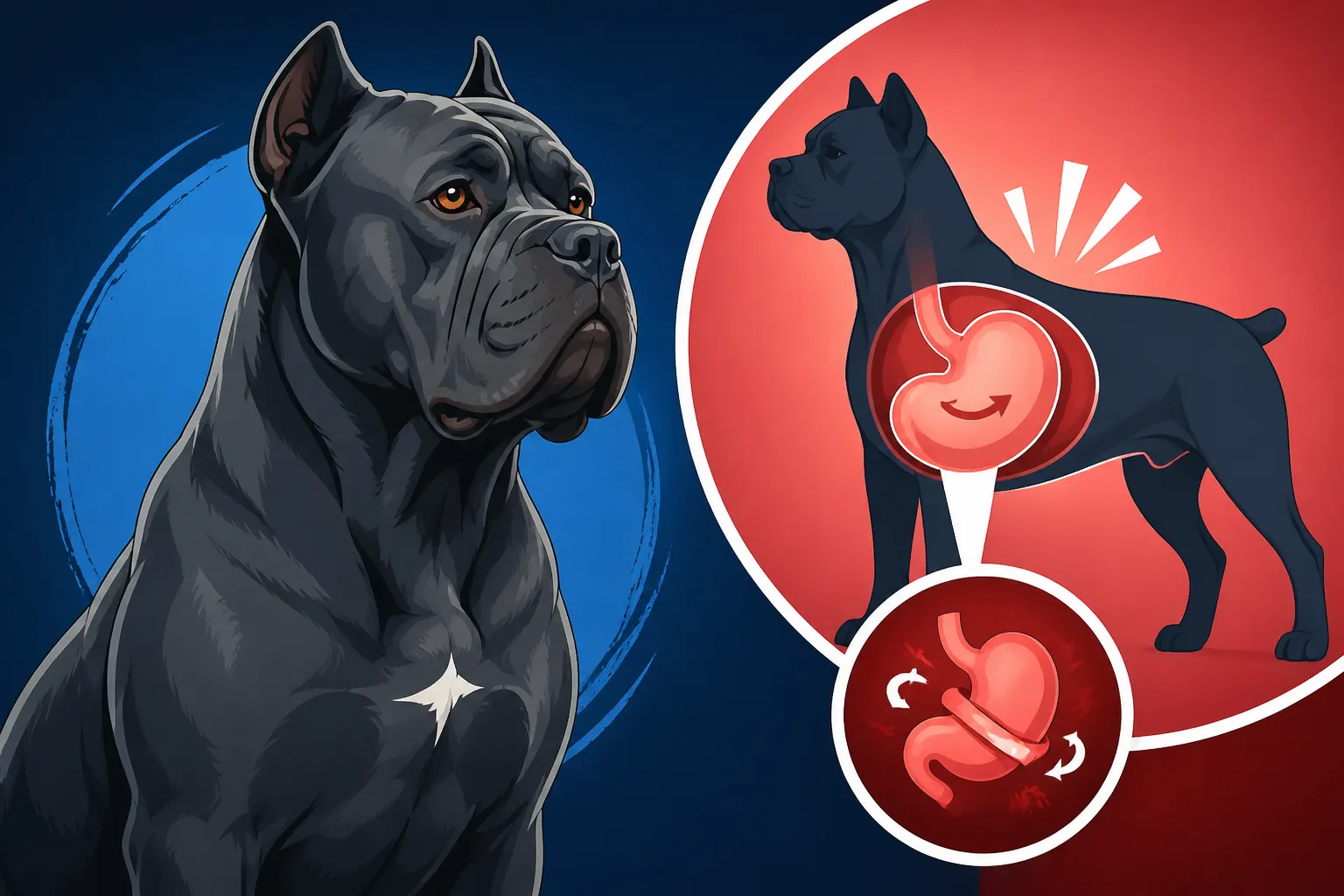
First, let's break down the terms. "Gastric Dilatation" simply means the stomach fills abnormally with gas, food, or fluid, causing it to swell like a balloon. Imagine your Cane Corso's stomach, usually a fairly flexible organ, becoming taut and unyielding. This alone is incredibly painful and uncomfortable, putting pressure on other organs and making it difficult for your dog to breathe.
But the true nightmare begins with "Volvulus." This is when that distended stomach twists on its axis, sometimes a full 180 to 360 degrees. This twisting pinches off both the entry (esophagus) and exit (duodenum) points of the stomach, trapping everything inside. Blood supply to the stomach wall is immediately compromised, leading to rapid tissue death. Beyond that, the twisted stomach can put immense pressure on major blood vessels, drastically reducing blood flow back to the heart. This can lead to shock, organ damage, and if not treated immediately, death. It's a rapid domino effect that spirals out of control incredibly quickly.
Why Cane Corsos Are Particularly Susceptible
Our Cane Corsos, with their magnificent, imposing builds, unfortunately possess a physical trait that makes them prime candidates for GDV: their deep chests. Breeds like the Cane Corso, Great Danes, Weimaraners, and German Shepherds are overrepresented in bloat statistics, largely due to this anatomical predisposition. A deep, narrow chest cavity provides more "room" for the stomach to swing and twist when it becomes distended. Think of it like a pendulum in a tall clock – it has more space to move wildly compared to a short pendulum in a shallow clock.
Beyond their chest conformation, other factors play a role. Genetics can predispose certain lines to bloat, which is why a responsible breeder will often ask about GDV history in their lines. Stress, certain eating habits, and even temperament have been theorized as contributing factors, though the deep chest remains the most significant anatomical risk. It’s a harsh reality that a feature of their breed standard also carries such a profound risk.
The Terrifying Speed of Onset
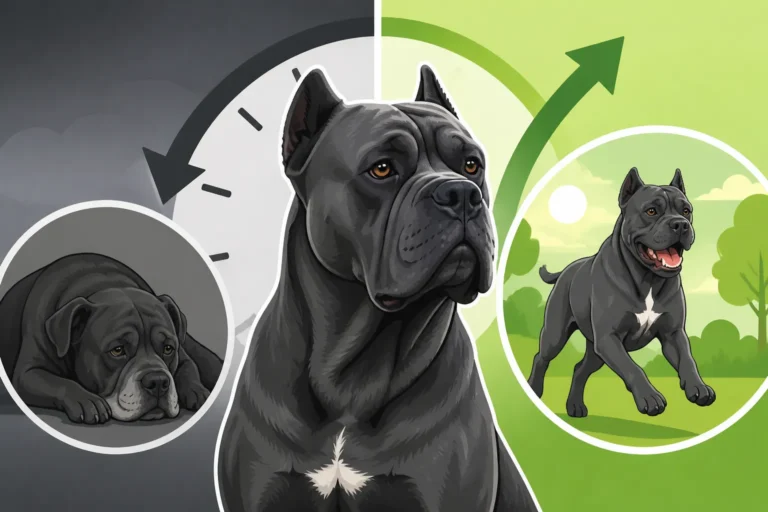
One of the most insidious aspects of GDV is its speed. Many owners report that their Cane Corso was perfectly fine, playing or eating, and within an hour or two, they were in a critical state. There’s often no slow build-up of symptoms; it can go from zero to emergency in what feels like moments. This rapid progression is precisely why early recognition and immediate veterinary intervention are paramount. Every minute truly counts.
It's not uncommon for a dog to show subtle signs, like mild restlessness, which then quickly escalates to full-blown distress, collapse, and shock. As owners, we often beat ourselves up, wondering if we missed something. The truth is, sometimes the signs are incredibly fleeting, and the progression is so fast that even the most vigilant owner can feel helpless. This is why knowing exactly what to look for, and reacting without hesitation, is so incredibly vital.
Recognizing the Early, Subtle Signs of Bloat
The key to saving a Cane Corso from bloat lies in recognizing the signs, and not just the obvious ones. While a distended belly might be clear, many other symptoms appear much earlier, giving you a precious window to act. You need to be a detective, attuned to your dog’s normal behaviors.
Behavioral Changes: Restlessness, Pacing, Anxiety
Before you see any physical swelling, your Cane Corso might start acting "off." This often manifests as extreme restlessness or an inability to get comfortable. They might pace endlessly, shifting positions, trying to lie down, then immediately standing up again. They may stare at their flank or abdomen, appearing anxious or in pain. Some dogs become withdrawn, while others might seek constant reassurance, pressing against you. You might notice them drooling excessively, almost like they're nauseous.
This isn't just typical "I need to go outside" pacing. It's a persistent, agitated restlessness that signals deep discomfort and an inability to settle. If your usually calm Cane Corso is suddenly pacing the house like a worried parent, especially after a meal, it’s a huge red flag. This internal distress is one of the earliest indicators that something is seriously wrong inside. This is where your deep understanding of your own dog's personality becomes your most powerful tool.
Physical Cues: Retching, Salivation, Distension
As bloat progresses, more overt physical signs will appear. The most common is unproductive retching – your Cane Corso will try to vomit, heaving and straining, but nothing comes up, or perhaps only foamy saliva. This is because the twisted stomach has blocked the exit. Excessive salivation or drooling often accompanies this, as their body attempts to expel something that simply won't come out.
Then comes the classic sign: abdominal distension. The belly will swell, often noticeably on the left side, becoming tight and hard like a drum. Gently tapping it might even produce a hollow sound. Your dog might stand with an arched back, appearing hunched, trying to relieve pressure. Their gums might become pale or even bluish, indicating poor circulation. They may also start breathing rapidly and shallowly. This combination of symptoms points clearly to an emergency. This is the moment you stop analyzing and start acting; every minute could be the difference between life and death. The internal link, The First Sign a Cane Corso Is Bloating, offers more specific details on these initial indicators.
The Crucial Difference Between a Full Belly and a Bloated One
It's easy to panic if your Cane Corso has just eaten a big meal and looks a little full. So, how do you tell the difference between a normal, full belly and a truly bloated one? A full belly, while sometimes distended, will typically feel soft or slightly firm, and your dog will likely be comfortable, perhaps even sleepy after their meal. There won't be the persistent restlessness or unproductive retching.
A bloated belly, due to GDV, will be extremely taut and hard, like a drum, and often tender to the touch. The key distinguishing factor is the accompanying distress: the pacing, the unsuccessful attempts to vomit, the excessive drooling, and obvious signs of pain or discomfort. If you're ever in doubt, it is always, always better to err on the side of caution and contact your emergency veterinarian immediately. They can often differentiate with a quick physical exam. You can also refer to Telling Bloat From a Full Belly in a Cane Corso for a deeper dive into these distinctions.
| Symptom | Normal Full Belly | Suspected Bloat (GDV) |
|---|---|---|
| Abdominal Feel | Soft, pliable, or slightly firm | Extremely tight, hard, drum-like, often tender |
| Appearance | Rounded, may appear larger after eating | Significantly distended, especially on the left side |
| Behavior | Content, sleepy, resting comfortably | Restless, pacing, anxious, unable to get comfortable |
| Vomiting/Retching | May burp, occasionally vomit food if overeats | Repeated, unproductive retching (trying to vomit, nothing comes up) |
| Salivation | Normal | Excessive drooling, foamy saliva |
| Pain Signs | None | Whining, groaning, looking at flank, hunched posture |
| Gums/Breathing | Pink gums, normal breathing | Pale/gray/blue gums, rapid/shallow breathing, weak pulse |
| Urgency | Low, dog is comfortable | HIGH – immediate emergency vet visit required |
The Life-Saving Race Against Time: Emergency Protocols
Once you suspect bloat, there's no time for hesitation. This is the ultimate veterinary emergency, where every single minute can determine whether your Cane Corso lives or dies. You need to know exactly what to do and what to expect.
When to Drop Everything and Head to the Emergency Vet
The moment you observe any combination of the critical symptoms—especially unproductive retching, a distended abdomen, and extreme restlessness—you need to cease all activity and get your Cane Corso to the nearest emergency veterinary clinic. Do not wait to see if it gets better. Do not try home remedies. Do not try to give them anything by mouth. GDV is a rapidly progressive condition, and delaying even for an hour can drastically worsen the prognosis.
Call ahead if you can, to let the clinic know you're coming and why. This allows them to prepare for your arrival, ensuring a veterinarian is ready to immediately assess your dog. Have a plan for how you’ll transport your large Cane Corso, as they may be in too much pain or distress to move easily. You'll want to review The Hours That Decide a Bloated Cane Corso's Outcome for a sobering look at how quickly things deteriorate.
What to Expect at the Vet: Diagnosis and Stabilization
Upon arrival at the emergency vet, expect immediate action. They will rapidly assess your Cane Corso's vital signs and typically take an abdominal X-ray. The X-ray is crucial because it confirms the presence of GDV by showing the characteristic "double bubble" sign, which indicates the twisted stomach. This swift diagnosis is essential.
Once confirmed, the priority is stabilization. This involves a multi-pronged approach. First, they'll attempt to decompress the stomach, often by passing a tube down the esophagus into the stomach to release trapped gas and fluids. If the stomach is twisted, passing a tube might not be possible, in which case a large-bore needle (trocar) may be carefully inserted through the body wall directly into the stomach to release pressure. Intravenous fluids will be started immediately to combat shock, and pain medication will be administered. This initial stabilization phase is critical to get your Cane Corso ready for surgery. They’ll also check for any associated cardiac arrhythmias, which are common with GDV and need to be addressed.
The Critical Role of Immediate Surgical Intervention
Once your Cane Corso is stabilized, surgery is almost always required to correct GDV. This procedure, known as a gastropexy, involves physically untwisting the stomach (derotation) and then tacking it to the abdominal wall. The tacking prevents the stomach from twisting again in the future. During surgery, the vet will also thoroughly examine the stomach and spleen for any damaged tissue that may need to be removed.
This surgery is complex and carries risks, especially given the emergency nature and the dog's compromised state. However, without it, the prognosis for a dog with GDV is extremely poor. The goal of the surgery isn't just to save your dog's life immediately, but to prevent a recurrence, as a Cane Corso who has bloated once is at a significantly higher risk of doing so again without a gastropexy. The decision to proceed with surgery is a tough one, but it is typically the only viable option for survival. Given their deep chests, Cane Corsos are already at higher Anesthesia Risk in a Deep Chested Cane Corso, so careful monitoring throughout the procedure is critical.
The Financial Burden: What a Bloat Emergency Actually Costs
It's a conversation no one wants to have in the middle of a crisis, but the reality is that saving a Cane Corso from bloat is incredibly expensive. Understanding these potential costs upfront can help owners prepare, or at least soften the blow during an already stressful time.
Emergency Vet Visit and Diagnostics
Just walking through the door of an emergency veterinary hospital can carry an initial fee, often significantly higher than a regular vet visit, simply because of the specialized staff and equipment available 24/7. Beyond that, the diagnostic procedures add up quickly. Blood work to assess organ function and hydration levels, X-rays to confirm GDV, and potentially an ECG to check for cardiac arrhythmias are all standard initial steps. These immediate diagnostics, designed to rapidly confirm the condition and assess the dog's overall health, can easily run into several hundred to over a thousand dollars before any treatment even begins.
The urgency of the situation means these tests are performed immediately, and sometimes repeatedly, to monitor your Cane Corso's response to stabilization efforts. It's a necessary expense that begins the life-saving process, but it's a significant one right out of the gate. For specific details, you might want to read What It Costs When a Cane Corso's Stomach Turns.
Surgery Costs: Gastropexy, De-rotation, Organ Assessment
The bulk of the cost for a GDV emergency comes from the surgery itself. A full gastropexy involves untwisting the stomach, meticulously inspecting its walls for damage, assessing the spleen (which can also be affected by the twist), and then physically suturing the stomach to the abdominal wall to prevent future twists. This intricate procedure requires a skilled veterinary surgeon, extensive anesthesia, specialized monitoring equipment, and a sterile operating environment.
Depending on the region, the complexity of the case (e.g., severe tissue damage, spleen removal), and the emergency nature of the surgery, costs can range dramatically, often falling between $3,000 and $8,000, or even more. This figure typically includes the surgeon's fees, anesthesia, medications during surgery, and the use of the surgical facility. It's a high price to pay, but it's the cost of life for many Cane Corsos facing bloat.
Post-Operative Care and Potential Complications
The expenses don't stop once the surgery is over. Your Cane Corso will require intensive post-operative care, usually involving several days of hospitalization. This includes continuous intravenous fluids, pain management medications, antibiotics, and close monitoring for complications. Common complications after bloat surgery can include cardiac arrhythmias, infection, further tissue damage, and even a second twist if the gastropexy somehow fails (though this is rare).
Each day of hospitalization, every medication administered, and every additional test or procedure required to manage complications adds to the bill. It's not unusual for the total cost, from diagnosis through recovery, to climb well into the five figures, especially if complications arise. This extended care ensures your Cane Corso has the best chance at a full recovery and represents another significant portion of the overall financial burden.
Considering Pet Insurance Like Healthy Paws
Given the exorbitant costs associated with bloat, many Cane Corso owners find themselves wishing they had pet insurance. This is where a provider like Healthy Paws can truly make a difference. A comprehensive pet insurance policy, especially one started when your Cane Corso is a puppy before any pre-existing conditions develop, can cover a large percentage of these emergency costs.
For a GDV emergency, where bills can easily reach $5,000 to $10,000, having a policy that reimburses 80% or 90% after your deductible can transform a financially devastating event into a manageable one. While pet insurance is an ongoing monthly expense, the peace of mind it offers for catastrophic events like bloat, or other serious health issues a Cane Corso might face, is invaluable. Always read policies carefully to understand what is covered, deductibles, and reimbursement percentages. Healthy Paws is one of several reputable companies offering such coverage.
Proactive Prevention Strategies: Minimizing Risk
While we can never completely eliminate the risk of bloat in our deep-chested Cane Corsos, there are many proactive steps we can take as owners to significantly reduce the likelihood of this life-threatening event. Prevention truly is the best medicine here.
Dietary Management: Meal Timing, Food Type, Slow Feeders
How and what your Cane Corso eats plays a huge role in bloat prevention. First, break their daily food ration into at least two, preferably three, smaller meals rather than one large one. This prevents the stomach from becoming overly distended with food and gas at any single time. For instance, if your Cane Corso eats Six to Nine Cups Across Two Cane Corso Meals, divide that into morning, noon, and evening portions.
Second, consider the food itself. While there's no single "bloat-proof" food, some studies suggest that diets with high fat content listed among the first four ingredients, or those with citric acid, might increase risk. Focus on high-quality, easily digestible foods. Avoid sudden changes in diet. Lastly, if your Cane Corso is a "gulper" who eats too fast, invest in a slow feeder bowl or scatter their food on a large mat. Rapid eating leads to ingesting excess air, which contributes to stomach distension. The Mealtime Habits That Turn a Cane Corso's Stomach offers more insight into this.
Exercise Restrictions Around Mealtimes
This is a critical, often overlooked prevention strategy. Never allow your Cane Corso to engage in vigorous exercise for at least one hour before and two hours after eating. This means no running, jumping, intense play, or training sessions. Exercise immediately before a meal can increase air swallowing. Exercise immediately after a meal, especially with a full stomach, can cause the stomach to swing and twist, increasing the risk of volvulus.
Instead, encourage a calm, quiet period around meal times. A short, leisurely potty break before the meal is fine, but intense activity should be avoided. The same goes for water intake – limit large gulps of water immediately after eating. If your Cane Corso is extremely thirsty, offer small amounts frequently instead of allowing them to drink an entire bowl at once. This calm routine around food and water is a simple yet powerful preventive measure.
The Elective Gastropexy (Stomach Tack) Procedure
For many Cane Corso owners, the most definitive preventive measure against GDV is an elective gastropexy, commonly known as a "stomach tack." This surgical procedure is often performed at the same time as a spay or neuter, typically when the dog is around 12-18 months old. The vet simply tacks the stomach to the abdominal wall, preventing it from twisting. While it doesn't prevent the stomach from dilating (filling with gas), it virtually eliminates the deadly volvulus component.
The cost of an elective gastropexy is significantly less than an emergency bloat surgery, often ranging from $400 to $1,000 when performed concurrently with another procedure. Many veterinarians and breed specialists strongly recommend this for high-risk breeds like the Cane Corso due to the breed's deep chest, providing invaluable peace of mind. Discussing Whether a Cane Corso Should Have a Preventive Gastropexy with your vet is a conversation every owner of this breed should have. Considering Booking a Cane Corso's Stomach Tack With Its Neuter is a common and wise choice for many owners. The internal link, The Case for Tacking Every Cane Corso's Stomach, explores this preventative measure in more detail.
Debunking Myths and Understanding Risk Factors
There's a lot of information, and misinformation, floating around about bloat. Let's clear up some common myths and delve into other known or suspected risk factors beyond the deep chest conformation.
Raised Bowls: Good or Bad?
For years, it was commonly believed that feeding dogs from raised bowls would prevent bloat. The theory was that it would reduce air swallowing. However, several scientific studies, including a large study by Purdue University, have actually indicated the opposite: feeding from raised bowls may actually increase the risk of GDV, particularly in large and giant breeds. While the exact mechanism isn't fully understood, it's thought that raised bowls might encourage faster eating or an altered swallowing dynamic that leads to more air ingestion.
Given this evidence, it's generally recommended to feed your Cane Corso from a bowl placed directly on the floor. If you've been using a raised feeder, consider switching back to ground level, especially if your dog is a fast eater. The science has shifted, and it's important for us as owners to adapt our practices accordingly based on the best available research. For more context, read Raised Bowls and a Cane Corso's Bloat Risk.
Water Intake and Bloat
Similar to food, the manner and timing of water intake can be a factor. Allowing your Cane Corso to gulp down a large volume of water immediately before or after a meal, or after intense exercise, can contribute to stomach distension. The large volume of water combined with air ingested from rapid drinking can create the perfect storm for bloat.
Instead, offer smaller, frequent amounts of water, especially during hot weather or after activity. Always ensure fresh water is available, but monitor how your dog drinks. If they're a particularly fast drinker, you can try putting a few large, clean rocks or a tennis ball in their water bowl to slow them down. This forces them to drink around the obstruction, reducing the speed and, hopefully, the amount of air ingested.
Stress and Anxiety as Contributors
While not as direct a cause as anatomy or eating habits, stress and anxiety are increasingly recognized as potential contributing factors to bloat. Just like in humans, stress can affect a dog's digestive system. Anxious dogs may eat faster, gulp air, or experience gastrointestinal upset. A high-strung, nervous temperament has been anecdotally linked to an increased risk of GDV in some breeds.
Creating a calm, predictable environment for your Cane Corso, especially around mealtimes, can be beneficial. Reducing stressors, providing adequate mental and physical stimulation (outside of meal times), and addressing any underlying anxiety issues with your vet or a certified professional dog trainer could contribute to overall gut health and potentially reduce bloat risk. A happy, relaxed dog is often a healthier dog, both mentally and physically.
Age, Sex, and Temperament Predispositions
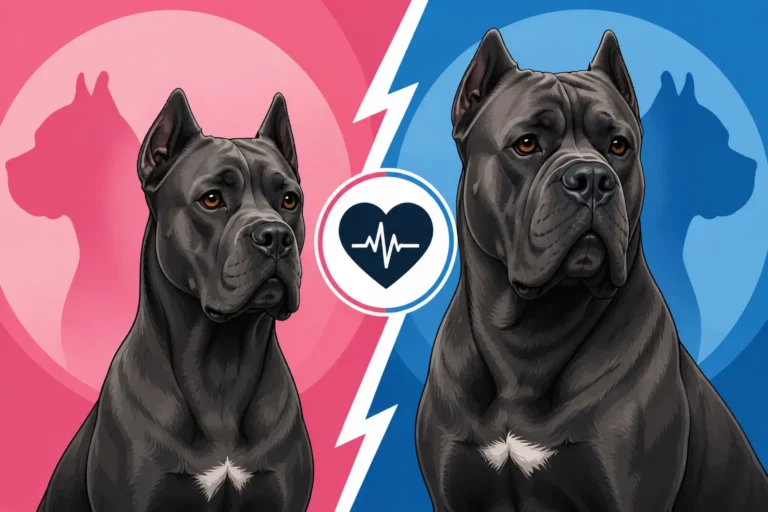
Beyond breed and conformation, other characteristics influence bloat risk. GDV is more common in middle-aged to older dogs (typically 5-12 years old), though it can occur at any age. While both males and females are susceptible, some studies suggest males might have a slightly higher incidence.
Temperament, as mentioned, can play a role. Anecdotal evidence suggests that fearful, anxious, or overly excitable dogs may be at a higher risk, possibly due to increased air swallowing during stress or heightened physiological responses. While you can't change your Cane Corso's age or sex, understanding these predispositions can make you even more vigilant, particularly as your dog enters their middle-aged years.
Life After Bloat: Recovery and Long-Term Care
Surviving bloat is a huge milestone, but the journey doesn't end when your Cane Corso leaves the veterinary hospital. Recovery is a critical period, and long-term care requires specific considerations to ensure their continued health and prevent recurrence.
Post-Surgery Recovery Challenges: Pain Management, Monitoring
The first few weeks after bloat surgery are crucial for recovery. Your Cane Corso will likely come home with specific instructions for pain management, often involving a combination of medications. They will need strict activity restriction; no running, jumping, or rough play for several weeks to allow the surgical incision and the gastropexy site to heal properly. You’ll need to monitor their incision daily for any signs of infection, swelling, or opening.
Expect some changes in appetite and bowel movements initially. Your vet will provide guidance on gradually reintroducing food and observing their stool. Close monitoring for any signs of discomfort, lethargy, or recurrence of bloat symptoms (even with a gastropexy, the stomach can still distend, though it shouldn't twist) is vital. This period demands a lot of patience and diligence from you as an owner, ensuring they have the quiet, supportive environment they need to heal.
Diet and Activity Adjustments for a Bloat Survivor
Even after a successful gastropexy, maintaining the preventive feeding strategies is essential. Continue to feed multiple small meals throughout the day, avoid raised bowls, and restrict strenuous activity around mealtimes. While the tack significantly reduces the risk of volvulus, the stomach can still dilate, which can cause pain and discomfort, though it's not life-threatening in the same way.
Long-term, work with your veterinarian to establish a feeding plan that minimizes gas production and promotes digestive health. This might involve specific food types or supplements. Gradually reintroduce normal activity levels as advised by your vet, always being mindful of your Cane Corso's comfort and energy levels. The goal is to return to a full and active life, but with a continued emphasis on smart feeding and activity habits.
Psychological Impact on Both Dog and Owner
A bloat episode is traumatic for everyone involved. Your Cane Corso will have endured significant pain, fear, and a major surgery. They might be a bit subdued or anxious during their recovery. Offer plenty of gentle reassurance and a calm, loving environment. For owners, the fear of recurrence can be profound. Many find themselves constantly watching their dog, scrutinizing every burp or sigh.
It’s important to acknowledge this emotional toll. Trust in the gastropexy; it dramatically reduces the risk of the deadly twist. Continue with your preventive measures, but try not to let the fear overshadow the joy of owning your Cane Corso. If you find yourself overly anxious, talking to your vet about your concerns can be helpful, and they can offer reassurance and practical tips for managing post-traumatic stress for both you and your dog.
Whether a Cane Corso Can Bloat a Second Time If Not Tacked
This is a critical point that many owners don't fully grasp. If your Cane Corso experienced GDV and underwent emergency surgery where the stomach was not tacked (perhaps due to the severity of their condition or a lack of time during a life-saving procedure), the risk of recurrence is incredibly high—estimates range from 50% to 80% within a year. In these cases, a secondary, elective gastropexy is often recommended once the dog has fully recovered from the initial emergency.
However, if your Cane Corso did have a gastropexy during the emergency surgery, the likelihood of the stomach twisting again is drastically reduced, to less than 5-10%. While the stomach can still distend with gas, it generally cannot complete the full, deadly twist. This is why the gastropexy is such a game-changer for prevention and why Whether a Cane Corso Can Bloat a Second Time is a crucial question to answer based on whether the original surgery included a tack.
Disclaimer
The information provided in this article is for informational purposes only and does not constitute veterinary advice. Always consult with a qualified veterinarian for any health concerns or before making any decisions about your Cane Corso's medical care.