What Starts Failing in a Cane Corso After Eight
It's incredibly tough watching our powerful, majestic Cane Corsos start to slow down, isn't it? One day they're a whirlwind of energy, and the next, you notice a stiffness, a cloudiness in their eyes, or just a general weariness that tugs at your heart. This guide aims to prepare you for the inevitable changes that often begin to surface in a Cane Corso once they pass their eighth birthday, helping you recognize the signs and proactively manage their care for the best possible senior years.
Understanding the Golden Years: The Reality of an Aging Cane Corso
As Cane Corso owners, we know these magnificent dogs are often perceived as invincible. Their strength, their imposing presence, and their deep devotion make it hard to imagine them ever being frail. But just like us, time takes its toll, and for a giant breed like the Cane Corso, eight years old is often the threshold where we begin to see the first whispers of senior challenges. It’s not a sudden decline for most, but rather a gradual shift that requires our watchful eyes and dedicated care.
The Age a Cane Corso Is Counted as Old
Generally speaking, a Cane Corso is considered a senior dog around 7-8 years of age. While this might seem young compared to smaller breeds that can live well into their teens, it's a common benchmark for large and giant breeds whose bodies experience more wear and tear over a shorter lifespan. It’s around this time that their metabolism shifts, their energy levels dip, and their bodies become more susceptible to age-related ailments. Understanding this timeline is crucial because it allows us to adjust their diet, exercise, and veterinary care to support them best. Many owners start to wonder, "The Age a Cane Corso Is Counted as Old", and the truth is, this is often the point where their bodies truly begin to feel their age.
For many Cane Corsos, hitting eight years old feels like a switch has been flipped, even if the changes are subtle at first. You might notice them sleeping more deeply or taking longer to get up after a nap. Their once boundless enthusiasm for a walk might be tempered with a preference for a shorter stroll around the block. It’s important not to dismiss these changes as just "getting lazy," but rather to view them as indicators that their body and mind are entering a new phase. Proactive adjustments during this period can significantly enhance their comfort and extend their quality of life.
The Emotional Toll of Watching Them Decline
There’s a unique heartache in witnessing a beloved, powerful dog like a Cane Corso begin to show signs of aging. We form such a deep bond with these intelligent and protective creatures, and their declining health can be incredibly stressful and emotionally draining. It’s hard to accept that the dog who once effortlessly cleared fences or bounded across fields now struggles with stairs or hesitates before jumping into the car. The frustration often isn't just for them, but for us, feeling helpless as their once vibrant spirit contends with a weakening body.
This emotional journey is completely normal. Many owners grapple with feelings of sadness, guilt, and even anger as they face the reality of their dog’s advancing age. It’s a transition that challenges our perceptions and requires immense patience and empathy. Remember, your Cane Corso still relies on you for comfort, reassurance, and continued care, even if that care looks different than it did in their younger years. Accepting this new phase, while difficult, is the first step in providing them with the best possible support as they age.
Navigating Joint and Mobility Challenges
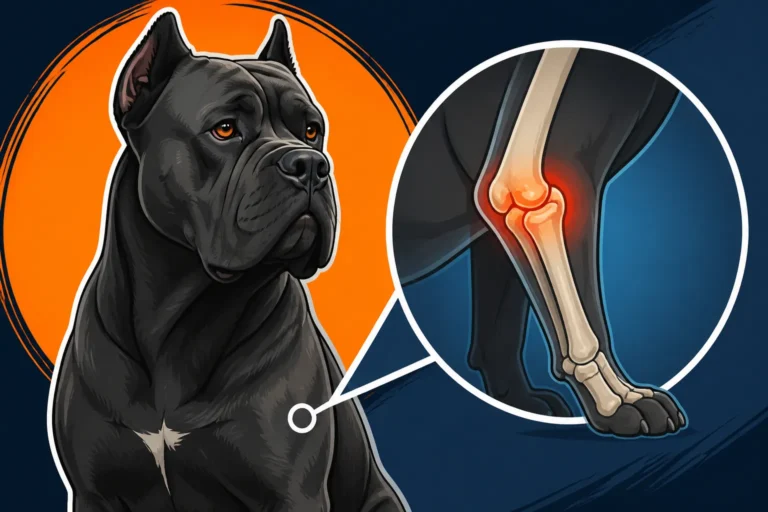
One of the most common and heartbreaking issues that surface in older Cane Corsos involves their joints and mobility. These large, muscular dogs carry a lot of weight, which puts tremendous strain on their skeletal system over the years. Conditions like arthritis, hip and elbow dysplasia that may have been silently progressing, often become much more pronounced and painful once they hit their senior years, impacting their ability to move freely and enjoy life.
Managing Arthritis in a Hundred Pound Cane Corso
Arthritis is practically a given for many large breed dogs as they age, and Cane Corsos are no exception. The inflammation and degeneration of joint cartilage lead to pain, stiffness, and reduced range of motion. For a hundred-pound Cane Corso, even small movements can become excruciating. You might notice them favoring a limb, struggling to climb stairs or get on the couch, or showing reluctance to play. The mornings are often the worst, with significant stiffness that gradually eases with movement, though never fully disappears. This is why understanding how to provide joint support is paramount.
Effective management often involves a multi-faceted approach. Your veterinarian might recommend non-steroidal anti-inflammatory drugs (NSAIDs) to reduce pain and inflammation, along with joint supplements containing glucosamine, chondroitin, and MSM, like those found in GlycoFlex or Cosequin. Weight management is also critical; even a few extra pounds can significantly worsen arthritic pain. Regular, gentle exercise, such as short, slow walks or swimming, can help maintain muscle mass and joint flexibility without causing undue stress. For chronic cases, physical therapy, cold laser therapy, or even acupuncture can offer significant relief and improve their quality of life. Finding a good pet insurance plan, like those offered by Healthy Paws, can really help offset the costs of these ongoing treatments.
When a Limping Cane Corso Needs an X-Ray
A persistent limp in an older Cane Corso should never be ignored. While it might be tempting to assume it’s "just old age" or arthritis, a limp can be a symptom of a more serious underlying issue that requires prompt veterinary attention. Things like torn ligaments, spinal issues, or even bone cancer can manifest as limping, and early diagnosis is key to effective treatment. If your Cane Corso starts limping, especially if it doesn't resolve within a day or two, or if it's accompanied by swelling, pain, or lethargy, it's time to call the vet. This is often the point when you need to consider X-rays to truly understand the problem.
Your vet will likely perform a thorough physical examination, feeling for pain, swelling, and range of motion. If arthritis is suspected, they might suggest an X-ray to assess the extent of joint damage and rule out other conditions. X-rays can reveal changes in bone density, joint space narrowing, and the presence of bone spurs. In some cases, especially if a soft tissue injury or neurological problem is suspected, more advanced imaging like an MRI or CT scan might be recommended. Getting an accurate diagnosis ensures that your Cane Corso receives the most appropriate and effective treatment, preventing further pain and potentially preserving their mobility.
Helping an Old Cane Corso Off the Floor
As a Cane Corso ages, the simple act of getting up from a lying position can become a monumental challenge. Their muscles weaken, their joints stiffen, and their balance may not be what it once was. Watching them struggle, trying multiple times to brace themselves, can be heartbreaking. Providing support is not just about physical assistance but also about maintaining their dignity and comfort.
There are several practical ways you can assist your older Cane Corso. Ramps are invaluable for helping them get into vehicles or onto elevated surfaces, reducing strain on their joints. Orthopedic beds with supportive memory foam can provide much-needed comfort and make it easier for them to stand up, offering better pressure distribution for their aging bodies. You can also use lifting harnesses or slings, especially those designed for the hindquarters, to give them a gentle boost when they need to get up or navigate stairs. Make sure your home has non-slip surfaces, like rugs or carpet runners, particularly in areas where they tend to lay down and get up, to provide better traction and prevent slips and falls.
Cardiac and Organ System Changes
Beyond the visible signs of aging like stiffness, what’s happening internally is just as crucial. A Cane Corso's internal organs can begin to show signs of wear and tear, leading to conditions that might not be immediately obvious but can significantly impact their health and lifespan. The heart, kidneys, and thyroid are particularly susceptible to age-related changes.
Heart Disease in a Middle Aged Cane Corso
Heart disease is a significant concern for many large and giant breeds as they age. For a Cane Corso, conditions like dilated cardiomyopathy (DCM) or valvular disease can develop or worsen in their middle to senior years. DCM, in particular, is where the heart muscle becomes thin and weak, leading to an enlarged heart that struggles to pump blood effectively. Symptoms can be subtle at first: a slight cough, reduced exercise tolerance, or increased respiratory rate. As the disease progresses, you might notice fainting spells, difficulty breathing, or a swollen abdomen due to fluid retention. It's vital to be aware of Signs a Cane Corso’s Heart Is Giving Out as your dog enters these years.
Regular veterinary check-ups are paramount for early detection. Your vet may listen for heart murmurs or arrhythmias during routine exams. If heart disease is suspected, they might recommend a cardiac workup, including an electrocardiogram (ECG), chest X-rays to assess heart size and lung fluid, and an echocardiogram (an ultrasound of the heart) to visualize the heart's structure and function. While heart disease isn't curable, it can often be managed with medications like diuretics, ACE inhibitors, and beta-blockers, which can slow progression, alleviate symptoms, and improve your dog's quality of life. This is another area where a comprehensive pet insurance plan from providers like Healthy Paws can provide crucial financial support.
What Senior Bloodwork Shows on a Cane Corso
As a Cane Corso reaches its senior years, regular bloodwork becomes an invaluable tool for monitoring their internal health and catching potential problems early. Senior Bloodwork should ideally be a part of their annual wellness checks, even if they appear healthy. These tests provide a snapshot of organ function and can detect issues long before visible symptoms emerge, allowing for earlier intervention.
Typically, senior bloodwork includes a complete blood count (CBC) and a biochemistry panel. The CBC evaluates red blood cells, white blood cells, and platelets, which can indicate anemia, infection, inflammation, or certain types of cancer. The biochemistry panel assesses organ function, including kidney (BUN, creatinine, SDMA) and liver (ALT, ALP, bilirubin) enzymes, blood glucose levels, and electrolytes. Elevated kidney values, for instance, could indicate early renal disease, while changes in liver enzymes might suggest liver dysfunction. Early detection of these issues through bloodwork allows your veterinarian to recommend dietary changes, supplements, or medications that can slow the progression of disease and extend your Cane Corso's comfortable years.
Hypothyroidism in a Middle Aged Cane Corso
Hypothyroidism, a common endocrine disorder in dogs, often surfaces in middle-aged to senior Cane Corsos. This condition occurs when the thyroid gland doesn't produce enough thyroid hormone, which is essential for regulating metabolism. The symptoms can be vague and often mimic other age-related issues, making it easily overlooked if not specifically tested for. This is often an issue that crops up where you notice weight gain, but the cause might be different than expected.
Common signs of hypothyroidism include unexplained weight gain despite no change in diet, lethargy, mental dullness, cold intolerance, and recurring skin and coat problems like dry, brittle fur, excessive shedding, or skin infections. Diagnosis typically involves specific blood tests to measure thyroid hormone levels (T4 and free T4) and thyroid-stimulating hormone (TSH). If diagnosed, hypothyroidism is usually managed with a lifelong course of synthetic thyroid hormone medication, which is generally inexpensive and highly effective. With proper medication, most hypothyroid dogs see a significant improvement in their symptoms and overall quality of life within a few weeks.
Cognitive Decline and Sensory Loss
It’s not just the body that ages; the mind and senses of our Cane Corsos also undergo changes. Just like humans, dogs can experience cognitive decline, and their sight and hearing can diminish, leading to confusion, disorientation, and changes in behavior. These shifts can be particularly disorienting for a Cane Corso who once navigated the world with sharp senses and clear purpose.
Night Confusion in an Aging Cane Corso
One of the more distressing signs of cognitive decline in older dogs is what we often refer to as "sundowning" behavior. Your Cane Corso might seem perfectly normal during the day, but as evening approaches, they become restless, disoriented, or anxious. They might pace aimlessly, stare blankly at walls, get "stuck" in corners, bark or whine for no apparent reason, or forget their house-training. This can be incredibly confusing and frustrating for both the dog and the owner.
Canine Cognitive Dysfunction (CCD), similar to Alzheimer's in humans, is a progressive neurodegenerative disease. While there's no cure, management strategies can help. Maintaining a consistent daily routine, providing familiar surroundings, and offering gentle reassurance can help reduce anxiety. Your vet might suggest dietary supplements rich in antioxidants, omega-3 fatty acids, and medium-chain triglycerides, or prescription medications like selegiline, which can help improve cognitive function and alleviate symptoms for some dogs. Creating a calm, predictable environment, especially in the evenings, can make a huge difference for your confused companion.
The Deafness That Creeps Up on an Old Cane Corso
It can take a while to notice that your Cane Corso's hearing isn't what it used to be, especially if they're particularly visually oriented or you've developed non-verbal cues. But eventually, age-related deafness becomes undeniable. They might stop responding to their name, fail to wake up when you enter the room, or ignore the doorbell or other familiar sounds. It’s a quiet change that can slowly isolate them from their environment.
Deafness in older dogs is often a result of nerve degeneration in the inner ear or changes in the ear canal. While age-related deafness is typically irreversible, adapting to it can be quite manageable for both you and your dog. Start by teaching hand signals for common commands like "sit," "stay," "come," and "potty." Use vibrations (like stomping on the floor from a distance) to get their attention before giving a visual cue. Consider a vibrating collar for recall in safe, enclosed spaces (never for correction). Always approach them from the front to avoid startling them, and keep them on a leash in unfamiliar or unfenced areas for their safety, as they won't hear oncoming traffic or other dangers.
Helping Your Cane Corso Adapt to Sensory Changes
Beyond hearing, a Cane Corso might also experience declining vision, which, coupled with cognitive changes, can make their world feel much smaller and more daunting. Cataracts, glaucoma, or other degenerative eye conditions can lead to cloudy vision or even blindness. The combination of losing sight and hearing, alongside potential cognitive decline, can be overwhelming for them.
The key to adapting is patience and consistency. For dogs with vision loss, avoid rearranging furniture as much as possible, and create a clear, consistent pathway through your home. Use scent markers (like essential oils on furniture legs) to help them navigate. For all sensory losses, maintaining a predictable daily schedule for feeding, walks, and playtime helps them feel secure. Continue to engage them with activities they enjoy that don't rely heavily on their diminished senses, like scent work games (finding hidden treats) or gentle massage. Your reassuring presence and consistent routine are their anchor in a changing world.
Addressing Skin and Coat Health in Senior Years
Our Cane Corsos, with their sleek, short coats, often seem low maintenance on the grooming front. However, as they age, their skin and coat can become indicators of underlying health issues, and new problems can arise that require specific attention. You might notice changes in coat texture, new growths, or an increase in skin sensitivities.
The Lump That Appears Under a Cane Corso's Skin
It's almost a rite of passage for many older dogs: discovering lumps and bumps during a routine pet or grooming session. These lumps and bumps can be frightening, and it's natural to immediately worry about cancer. While not all lumps are malignant, any new lump should always be evaluated by a veterinarian as soon as you notice it.
The most common types of lumps in older dogs include lipomas (benign fatty tumors), sebaceous cysts (blocked oil glands), and warts. However, more serious growths like mast cell tumors, basal cell tumors, or fibrosarcomas can also occur. Your vet will likely perform a fine needle aspirate (FNA), where a small sample of cells is taken from the lump with a needle and examined under a microscope. This quick procedure can often determine if the lump is benign or suspicious. If the FNA is inconclusive or if the lump appears concerning, a biopsy or surgical removal might be recommended. Early detection and removal, especially for malignant growths, significantly improve the prognosis. This is where a good pet insurance plan, such as Healthy Paws, can be incredibly beneficial for covering diagnostic and treatment costs.
Skin Allergies That Flare on a Cane Corso
Even if your Cane Corso sailed through its younger years without much skin trouble, it's not uncommon for skin allergies or new sensitivities to develop as they age. Their immune systems can become less efficient, making them more prone to environmental allergens, food sensitivities, or secondary infections. You might notice persistent itching, redness, flaky skin, or recurrent ear infections.
Managing senior skin allergies often involves a holistic approach. First, your vet will want to rule out other causes like parasites (fleas, mites) or fungal infections. They might recommend allergy testing to pinpoint specific environmental triggers (pollen, dust mites) or an elimination diet to identify food sensitivities. Treatment often includes antihistamines, corticosteroids (for severe flare-ups), medicated shampoos, and omega-3 fatty acid supplements to support skin barrier health. Maintaining a clean living environment and wiping down your Cane Corso after outdoor excursions can also help reduce allergen exposure.
Grooming an Old Cane Corso That Cannot Stand Long
Grooming might seem like a minor concern when dealing with an aging Cane Corso, but it’s an essential part of their comfort and hygiene. A senior Cane Corso might find standing for nail trims, baths, or even thorough brushing to be painful or exhausting, making regular care a challenge.
Adjust your grooming routine to accommodate their needs. Opt for shorter, more frequent sessions rather than long, arduous ones. Use soft, non-slip mats in the bathtub or on the grooming table to provide better traction and support. Consider using a grooming hammock or having a second person assist you during nail trims to take the weight off their legs. For baths, consider waterless shampoos or pet wipes for quick clean-ups between full baths. Be extra gentle when brushing, paying attention to any tender spots. If they can no longer tolerate standing, try grooming them while they're lying down comfortably. Regular care prevents matting, skin infections, and keeps them feeling cleaner and more comfortable in their golden years.
Gastrointestinal Issues and Nutritional Needs
A Cane Corso's digestive system can also become more sensitive with age. What they once ate without a second thought might now cause an upset stomach, and their nutritional requirements shift. Maintaining optimal gut health and ensuring they receive the right nutrients are crucial for supporting their overall well-being in their senior years.
Feeding an Old Cane Corso That Has Slowed Down
As your Cane Corso ages, their metabolism naturally slows down, and their activity levels decrease. This means their caloric needs will change. Continuing to feed them the same amount of food they ate as a young, active adult can lead to unwanted weight gain, which exacerbates joint problems and increases the risk of other health issues. It's important to understand the nuances of Feeding an Old Cane Corso That Has Slowed Down to ensure they remain healthy.
Transitioning to a high-quality senior dog food formula is often recommended. These diets are typically lower in calories but still provide essential nutrients, sometimes with added joint support ingredients like glucosamine and chondroitin. You might also need to adjust the frequency of meals, perhaps offering smaller, more frequent meals to aid digestion. Monitor their weight closely and consult with your veterinarian to determine the ideal caloric intake for your individual dog based on their activity level and health status. Remember, a lean Cane Corso is a healthier Cane Corso, especially as they age.
Whether a Senior Cane Corso Needs Softer Food
The question of Whether a Senior Cane Corso Needs Softer Food often comes up when owners notice their aging companions struggling with dry kibble. Dental issues, such as missing teeth, gum disease, or oral pain, are common in older dogs and can make chewing hard food uncomfortable or even impossible.
If your Cane Corso is having difficulty with dry kibble, several options are available. You can try softening their existing kibble by adding warm water or low-sodium broth and letting it sit for a few minutes before serving. Alternatively, transitioning to a canned wet food, a fresh food diet (if appropriate and balanced), or a high-quality cooked diet can be excellent choices. Dental health should always be a priority, so ensure regular vet check-ups include oral exams, and consider professional dental cleanings if recommended. Addressing dental pain can significantly improve their willingness to eat and their overall comfort.
Maintaining a Healthy Weight in the Senior Cane Corso
Striking the right balance when it comes to The Weight an Old Cane Corso Should Hold is crucial for their longevity and quality of life. As mentioned, weight gain can worsen joint issues, but on the flip side, excessive weight loss can indicate underlying health problems or insufficient nutrition. Both extremes can be detrimental.
Regularly assessing your Cane Corso’s body condition score is vital. You should be able to easily feel their ribs without seeing them, and they should have a discernible waist when viewed from above. If they are gaining weight, slowly reduce their caloric intake and increase gentle, consistent exercise. If they are losing weight, despite eating well, it warrants a vet visit to rule out conditions like cancer, kidney disease, or hyperthyroidism. Sometimes, older dogs just need a more palatable diet or digestive enzymes to better absorb nutrients. A table outlining common weight issues and solutions can be helpful:
| Weight Issue | Common Causes | Signs to Look For | Recommended Actions |
|---|---|---|---|
| Overweight | Decreased metabolism, reduced activity, overfeeding | Ribs hard to feel, no discernible waist, lethargy | Reduce calories, switch to senior food, gentle exercise |
| Underweight | Dental pain, disease, poor nutrient absorption | Ribs easily visible, prominent spine, loss of muscle mass | Vet check-up, switch to palatable/high-calorie food, dental care |
| Muscle Loss | Age, inactivity, disease | Weakness, difficulty standing, sagging posture | Increase protein, gentle exercise, physical therapy |
Work closely with your veterinarian to adjust their diet and activity levels as needed, ensuring they maintain a healthy body condition that supports their aging body.
The Importance of Regular Senior Vet Checks
Once your Cane Corso enters their senior years, those annual vet visits become even more critical. These regular check-ups are your first line of defense against age-related diseases, allowing for early detection and intervention that can make a profound difference in their comfort and lifespan. Don't wait for visible signs of illness; many problems can be quietly progressing beneath the surface.
How Often a Healthy Cane Corso Sees the Vet
This increased frequency allows your veterinarian to more closely monitor any subtle changes in their health, catch potential problems earlier, and adjust their care plan as needed. For a breed like the Cane Corso, with specific predispositions to certain conditions, this proactive approach is invaluable.
During these visits, your vet will perform a thorough physical examination, checking their weight, listening to their heart and lungs, palpating their abdomen, and assessing their joints and mobility. They will also discuss any behavioral changes, appetite shifts, or other concerns you might have noticed at home. These frequent check-ups are a cornerstone of preventative care, allowing your vet to build a comprehensive health history and make informed decisions about their ongoing well-being.
The Age a Cane Corso Is Treated as a Senior
As discussed earlier, a Cane Corso typically crosses the threshold into its senior years around 7-8 years old. This is the point when veterinarians will often recommend a different approach to their care, shifting from adult wellness protocols to a more focused senior care plan. Knowing What Changes in a Cane Corso’s Care After Eight can help you anticipate these changes and be prepared for the specialized care they'll need.
This often means initiating the bi-annual vet visits, starting senior blood panels, and discussing potential age-related issues more proactively. Your vet might also recommend specific screenings for common senior ailments, such as monitoring for early signs of kidney disease, heart conditions, or cognitive decline. Embracing this "senior" classification isn't about giving up; it's about acknowledging their changing needs and committing to providing them with the best possible support through their golden years.
Anesthesia Risk in a Deep Chested Cane Corso
For senior Cane Corsos, especially those needing procedures like dental cleanings, tumor removals, or other surgeries, Anesthesia Risk in a Deep Chested Cane Corso is a significant concern that always weighs on owners' minds. Deep-chested breeds, like the Cane Corso, are already at a higher risk for bloat, but older dogs also tend to have decreased organ function and other underlying health conditions that can complicate anesthesia.
Before any procedure requiring anesthesia, your veterinarian will conduct a thorough pre-anesthetic workup, including a complete physical exam, bloodwork, and sometimes chest X-rays or an ECG. This helps identify any hidden risks and allows the vet to tailor the anesthesia protocol to your dog's specific needs, using safer drugs and careful monitoring. During the procedure, your Cane Corso will be closely monitored for heart rate, blood pressure, oxygen levels, and temperature. While no anesthesia is without risk, modern veterinary medicine has made it much safer, and a good vet will prioritize minimizing those risks for your senior companion. Discuss all your concerns with your vet to ensure you feel comfortable with the plan.
Quality of Life and End-of-Life Considerations
Eventually, despite all our best efforts and veterinary care, there comes a point where our beloved Cane Corsos reach the very end of their journey. This is perhaps the hardest part of pet ownership, but making compassionate decisions about their quality of life and end-of-life care is the ultimate act of love.
Knowing When a Cane Corso Has Had Enough
This is the hardest question any pet owner faces: Knowing When a Cane Corso Has Had Enough. It's a deeply personal decision, often fraught with guilt and sadness. There isn't a single definitive sign, but rather a collection of indicators that, when viewed together, suggest that their quality of life has significantly diminished and they are experiencing more bad days than good.
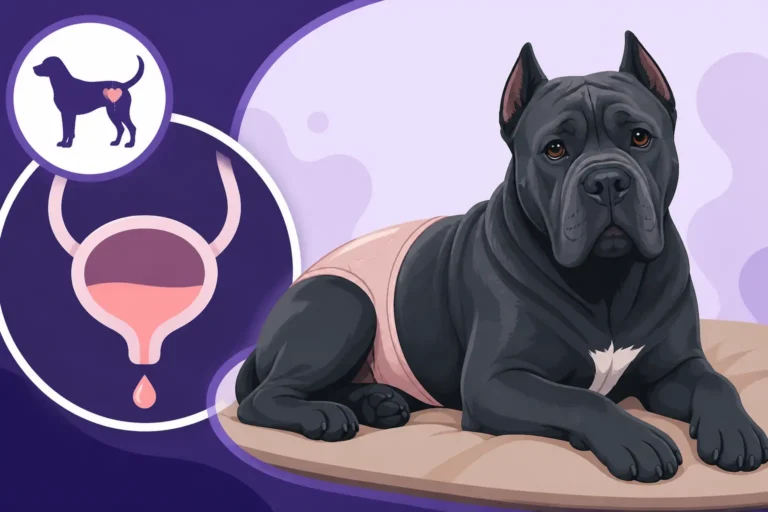
Some common indicators include persistent pain that cannot be managed with medication, severe mobility issues where they can no longer stand or walk unassisted, extreme lethargy, loss of appetite or refusal to eat, chronic vomiting or diarrhea, severe incontinence, or a complete loss of interest in activities they once loved. Observe their overall demeanor: are they withdrawn, depressed, or no longer engaging with the family? Keep a journal of their good days versus bad days. Consulting with your veterinarian, who can provide an objective assessment of their physical condition and pain levels, is crucial in helping you make this agonizing decision. They can offer guidance, but ultimately, the decision rests with you, their devoted owner.
Saying Goodbye to a Hundred Pound Cane Corso
The emotional weight of Saying Goodbye to a Hundred Pound Cane Corso is immense, and it's okay to feel overwhelmed. Euthanasia, while heart-wrenching, is a final act of kindness to spare them from suffering when all other options have been exhausted. Planning for this difficult moment can help make it a little less traumatic.
Many veterinary clinics offer in-home euthanasia services, which can provide a more peaceful and familiar environment for your Cane Corso during their final moments. This allows them to pass surrounded by their loved ones, in the comfort of their own home. Discuss with your vet what to expect during the procedure, how their body will be handled afterward (burial, cremation), and consider inviting close family members to be present if appropriate. Allow yourself time to grieve and seek support from friends, family, or pet bereavement resources. The bond you share with your Cane Corso is profound, and remembering that you gave them a loving, full life, and spared them pain in the end, is a testament to that love.
Disclaimer
This article is intended for informational purposes only and is not a substitute for professional veterinary advice. Always consult with a qualified veterinarian regarding any health concerns or before making any decisions about your Cane Corso's medical care.