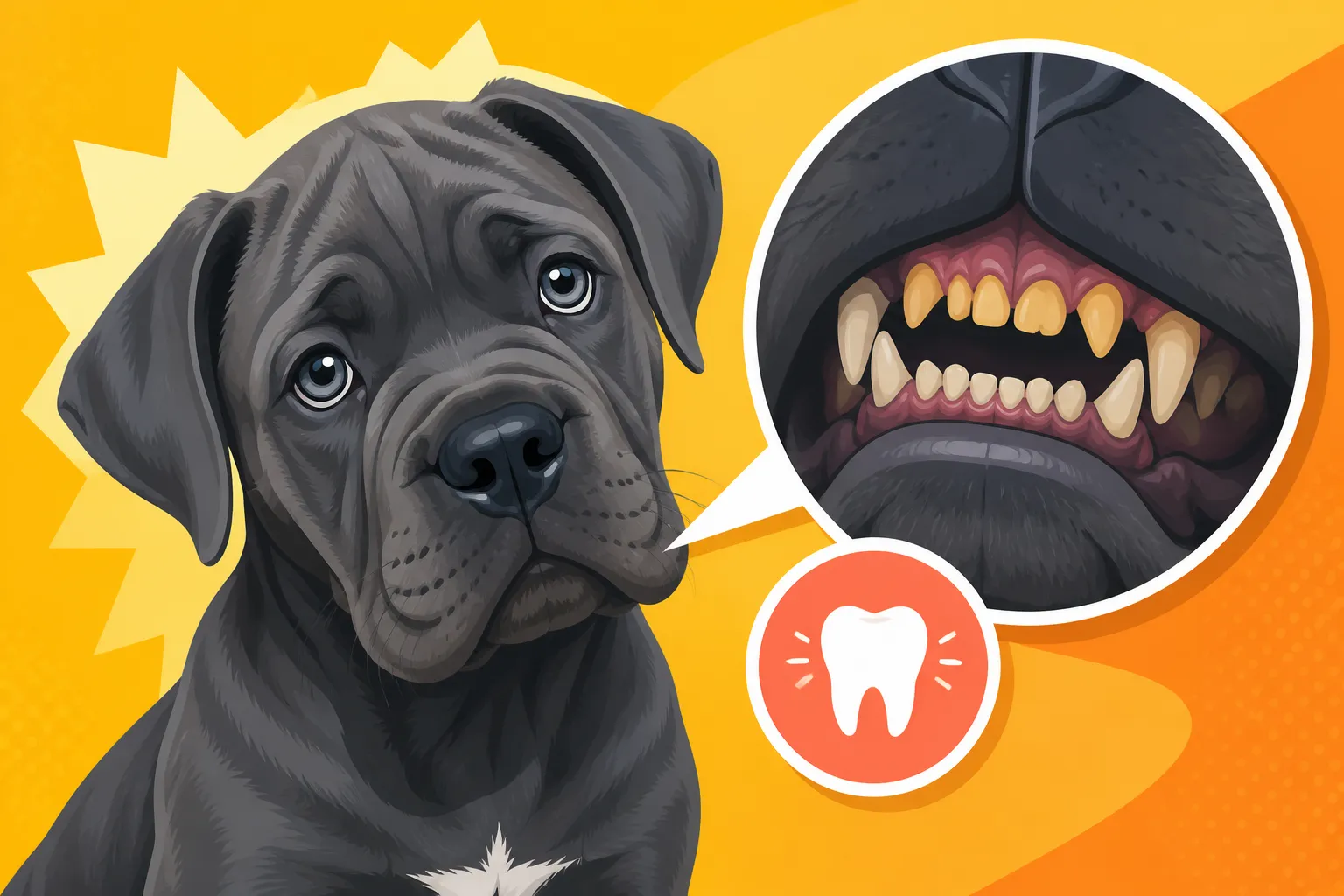
What Discolored Teeth Mean on a Cane Corso Puppy
Discovering discolored teeth in your adorable Cane Corso puppy can be a truly unsettling experience. One minute you're admiring their playful antics, the next you notice a strange spot or hue on their tiny teeth, and a wave of worry sets in about their health and future. This guide aims to ease those fears by breaking down exactly what various tooth discolorations might mean for your Cane Corso puppy, from benign stains to more serious underlying conditions, and how to address them with confidence and care.
Understanding Normal Cane Corso Puppy Teeth Development
Before we dive into what might be wrong, let's talk about what's right. A healthy Cane Corso puppy should have a mouth full of pristine, white teeth, and understanding their normal dental journey is the first step to recognizing when something is amiss.
The Initial Set of Puppy Teeth
Cane Corso puppies, like all dogs, are born without visible teeth. Their first set of deciduous, or "milk," teeth typically begin to erupt around 3 to 4 weeks of age. By the time they are 6 to 8 weeks old, they usually have a full set of 28 razor-sharp puppy teeth. These tiny, needle-like teeth are incredibly sharp and are crucial for them to learn bite inhibition with their littermates and mother. When these teeth are healthy, they should be a uniform, pearly white color, with no chips, pits, or unusual spots. It’s during this early stage that you’ll start to notice any immediate anomalies, often as you're playing or offering soft treats.
Observing your puppy's mouth during this period is more than just curiosity; it’s an important part of monitoring their overall health. You're looking for symmetry in their dental arcade, ensuring all teeth are present and correctly aligned. The gums should be a healthy pink, not inflamed or red. Any deviation from this pristine white appearance during the initial eruption or shortly after should prompt a closer look.
The Transition to Adult Teeth
The exciting, and sometimes frustrating, phase of tooth shedding begins around 3 to 4 months of age. Your Cane Corso puppy will start to lose their deciduous teeth, making way for their larger, stronger, and permanent adult teeth. This process continues until about 6 to 7 months, by which time most puppies will have 42 adult teeth. It's a busy time for their mouths, often accompanied by increased chewing, sometimes referred to as the "shark tooth" phase where puppy and adult teeth might coexist briefly.
Monitoring this transition is vital. Sometimes, a puppy tooth doesn't fall out on its own, a condition known as a retained puppy tooth. This can cause the adult tooth to erupt incorrectly, leading to overcrowding, malocclusion, and an increased risk of plaque and tartar buildup. If you notice any persistent puppy teeth alongside erupting adult teeth, especially the canines, it's a good idea to chat with your vet. This kind of issue can contribute to early dental problems and even discolored teeth down the line, so it's best to address it quickly. For more information on dental issues, you might find The Dental Bill on a Cane Corso With Retained Teeth helpful.
Common Causes of Discolored Teeth in Cane Corso Puppies
When you spot something other than brilliant white in your Cane Corso's mouth, it's natural to jump to conclusions. But there are several common culprits behind discolored teeth, ranging from simple stains to more complex health issues.
Trauma and Injury
Cane Corso puppies are notoriously playful, often clumsy, and love to chew anything and everything. This zest for life, while endearing, unfortunately makes them prone to dental trauma. A fall, an impact during rough play, or even chewing on something too hard like rocks or metal can damage a tooth.
When a tooth experiences trauma, the pulp inside – which contains nerves and blood vessels – can become inflamed, a condition known as pulpitis. If the trauma is severe enough, the blood vessels within the pulp can rupture, causing internal bleeding. This can manifest as a pink or purple discoloration on the affected tooth, a sign that blood is seeping into the dentin, the layer beneath the enamel. Over time, if the pulp dies (necrosis), the tooth might turn brown or gray. This indicates that the dead tissue within the tooth is breaking down and releasing pigments that stain the tooth from the inside out. Such teeth are often referred to as "dead teeth" or "discolored teeth of endodontic origin." They can be painful, lead to abscesses, and are a serious concern. If you notice a sudden change in tooth color, especially after a known incident or if your puppy seems reluctant to chew on one side, a vet visit is imperative.
Enamel Hypoplasia/Hypomineralization
Enamel hypoplasia or hypomineralization refers to developmental defects where the tooth enamel doesn't form properly or is insufficient. Enamel is the hard, protective outer layer of the tooth, and if it's compromised, the underlying dentin, which is yellower, becomes visible, or the tooth surface becomes rough and pitted, trapping stains more easily.
Several factors can lead to enamel hypoplasia in a Cane Corso puppy. Severe systemic illnesses, particularly those involving high fever, suffered during the crucial period of enamel development (from birth to about 3 months of age), can disrupt its formation. Distemper, a serious viral disease, is a well-known cause, leaving teeth with characteristic brownish-yellow discoloration and pitting. Certain medications, especially tetracycline antibiotics given to puppies, can also cause permanent gray or brown staining if administered while their teeth are developing. Even severe malnutrition during early puppyhood could potentially play a role, as proper nutrition, including the right balance of calcium, is crucial for strong bone and tooth development. Interestingly, the advice about ensuring a Cane Corso puppy doesn't grow too fast and maintaining proper The Calcium Ratio in a Cane Corso Puppy's Bowl is often focused on joint health, but it also indirectly highlights the importance of balanced nutrition for overall development, including dental health. These teeth are more vulnerable to decay and sensitivity due to their compromised protective layer.
Staining and Plaque Buildup
Sometimes, the discoloration isn't internal damage but simply external staining or early plaque accumulation. Just like in humans, what a Cane Corso puppy eats and drinks can affect the color of their teeth. Certain dark-colored foods, treats, or even water with a high mineral content can leave behind surface stains. Some chew toys, particularly those that are brightly colored, can also transfer dye onto teeth, although this is less common.
More frequently, a yellowish or brownish discoloration might be early plaque buildup. Plaque is a sticky film of bacteria, saliva, and food particles that constantly forms on teeth. If not brushed away, it hardens into tartar (calculus), which is much more difficult to remove and has a rougher surface that attracts even more plaque and stain. While severe plaque and tartar are usually associated with older dogs, some puppies can start accumulating it early, especially if their diet isn't optimal or if dental hygiene is neglected. If you're wondering about your puppy's diet, exploring topics like Feeding a Cane Corso Puppy Through Its Growth Spurt can offer insights into proper nutrition that supports overall health, including dental health. Distinguishing external staining or plaque from true internal discoloration is important. Stains tend to be on the surface and can often be gently scraped or brushed away, while internal discoloration remains even after cleaning.
Congenital Conditions
While much rarer, some discolored teeth can point to congenital or genetic conditions. These are less common but important to be aware of, especially with a breed like the Cane Corso where genetic health testing is so vital.
For example, conditions like Dentinogenesis Imperfecta can cause teeth to appear bluish-gray or brownish, often with a translucent quality. This is a hereditary disorder affecting the dentin. Another very rare condition, congenital erythropoietic porphyria (CEP), can cause teeth to turn pinkish or reddish-brown due to porphyrin pigments being incorporated into the teeth during development. Puppies with these conditions often show other systemic signs of illness. While a Cane Corso's DNA panel primarily tests for specific genetic diseases like The Two DNA Diseases in a Cane Corso Pedigree such as NCL and DSRA, which don't typically manifest directly as tooth discoloration, understanding the importance of genetic screening underscores the possibility of rare inherited conditions that could impact dental health. If your vet suspects a congenital issue, further specialized diagnostics would be recommended.
When to Worry and What to Do About Discolored Teeth
Spotting discolored teeth in your Cane Corso puppy is a call to action. It’s not something to ignore, as even minor-looking changes can signal significant underlying problems that could impact their comfort, eating habits, and overall health.
The Importance of a Vet Visit
As soon as you notice any unusual discoloration on your Cane Corso puppy's teeth, scheduling an appointment with your veterinarian or a veterinary dentist is absolutely crucial. Trying to self-diagnose or hoping it will go away on its own is never the best approach, especially with a growing puppy who relies heavily on healthy teeth for eating and play.
During the visit, your vet will perform a thorough oral examination. They'll check each tooth for chips, fractures, and discoloration, assess the gums for inflammation or infection, and look for any signs of pain or sensitivity. They'll also consider your puppy's history: have they had any recent illnesses, falls, or rough play incidents? What is their diet like? This comprehensive approach helps narrow down the potential causes. In many cases, dental X-rays will be recommended, as they can reveal damage below the gum line that isn't visible to the naked eye. This might include root fractures, abscesses, or issues with unerupted adult teeth. Early diagnosis can prevent further complications, preserve the affected tooth if possible, and ensure your Cane Corso puppy doesn't suffer in silence. Remember, consistent veterinary care is part of How Often a Healthy Cane Corso Sees the Vet, and dental check-ups are an important component.
Treatment Options
The treatment for discolored teeth in your Cane Corso puppy will depend entirely on the underlying cause. There's no one-size-fits-all solution, and your vet will tailor a plan specific to your puppy's needs.
- For Trauma-Induced Discoloration: If the tooth is discolored due to trauma and the pulp is still vital, sometimes a bond or protective sealant can be applied, or the tooth might be monitored. If the pulp has died, however, the tooth needs intervention. This could involve a root canal procedure, where the dead pulp is removed and the tooth is filled, preserving its structure. In severe cases, or if a root canal isn't feasible, extraction of the compromised tooth might be necessary to prevent infection from spreading. This is a significant procedure, and it's important to consider factors like Anesthesia Risk in a Deep Chested Cane Corso when planning.
- For Enamel Hypoplasia/Hypomineralization: For teeth with enamel defects, the goal is often to protect the exposed dentin and prevent decay. This can involve dental bonding, where a composite resin is applied to smooth and protect the tooth surface. In more severe cases, crowns might be considered. Fluoride treatments can also help strengthen the remaining enamel and reduce sensitivity. Dietary adjustments and meticulous oral hygiene are also key to managing these vulnerable teeth.
- For Staining and Plaque: External stains can often be removed during a professional dental cleaning under anesthesia. For early plaque, improved home dental care, including daily brushing and appropriate chew toys, can make a significant difference. Your vet might also recommend specific dental diets that help reduce plaque accumulation.
The cost of these treatments can vary widely, and it's wise to be prepared. This is where pet insurance can be a lifesaver. Providers like Healthy Paws can offer significant financial relief for unexpected dental surgeries, root canals, or extractions that aren't considered cosmetic. Investing in a good policy early, perhaps even when considering The First Year Bills on a Three Thousand Dollar Cane Corso, can make managing these health issues much less stressful.
Proactive Dental Care for Your Cane Corso
Preventative care is always better than reactive treatment, especially when it comes to your Cane Corso's dental health. Establishing good habits early in puppyhood can prevent many of the issues that lead to discolored teeth and other painful dental problems later on.
The gold standard for at-home dental care is daily tooth brushing. Introduce your Cane Corso puppy to brushing gradually and make it a positive experience with lots of praise and treats. Use a dog-specific toothpaste (never human toothpaste, as it contains xylitol which is toxic to dogs) and a soft-bristled brush or finger brush. Even a few seconds of brushing each day can make a huge difference in reducing plaque and preventing staining. Beyond brushing, offer appropriate chew toys that are safe and help clean teeth. Look for toys that are flexible enough to give, but firm enough to provide a scrubbing action without risking tooth fractures. Avoid extremely hard chews like antlers, bones, or nylon toys, as these are common culprits for dental trauma. Regular check-ups with your vet, including dedicated dental exams, allow professionals to monitor their oral health and catch any developing problems early. Some owners might consider a pet insurance plan from Healthy Paws to help cover the costs of these routine check-ups or any unforeseen dental procedures.
Long-Term Implications and Prevention
Ignoring discolored teeth in a Cane Corso puppy isn't just about aesthetics; it can lead to a cascade of serious health problems and unnecessary suffering for your beloved companion. Understanding the long-term stakes can motivate consistent, preventative care.
Potential Long-Term Health Issues
If left untreated, a discolored tooth, especially one caused by trauma or an underlying developmental defect, can become a source of chronic pain and infection. A dead or fractured tooth is an open door for bacteria to enter the bloodstream, potentially leading to systemic health issues affecting the heart, kidneys, and liver. Abscesses at the root of a tooth are incredibly painful and can swell, burst, and cause facial swelling or draining tracts. The constant pain can impact your Cane Corso's quality of life, leading to reluctance to eat, play, or even be touched around their face.
Imagine trying to chew your favorite food with a throbbing toothache – that's what your puppy might be experiencing. They might become irritable, lethargic, or lose their appetite. Even if the discoloration is "just" severe plaque and tartar, it will progress to periodontal disease, a painful and irreversible inflammation and infection of the gums and supporting structures of the teeth. This ultimately leads to tooth loss and significant discomfort. Early intervention, whether it's a root canal, extraction, or simply a thorough cleaning, can prevent these painful and costly complications. For issues like retained puppy teeth, which can contribute to plaque and misalignment, addressing them quickly is key. The costs associated with such advanced dental care are not insignificant, making early detection and prevention a wise investment.
Preventing Future Discoloration and Dental Problems
The best offense is a good defense when it comes to your Cane Corso's dental health. Establishing a strong foundation of care from puppyhood can dramatically reduce the risk of future discolored teeth and other oral health woes.
First and foremost, revisit your chew toy selection. While Cane Corsos are power chewers, offering only vet-approved, safe chew toys is paramount. These should be pliable enough to bend or give slightly when pressed, reducing the risk of tooth fractures. Supervise your puppy during chew time to ensure they're not getting overly enthusiastic or trying to chew on inappropriate items. Nutrition plays a huge role; feed a high-quality, balanced diet specifically formulated for large breed puppies to ensure proper development without excessive growth that can stress joints and other body systems. Avoiding certain human foods, like those high in sugar or acid, can also prevent staining and enamel erosion. While it's tempting to want a chunky puppy, ensuring your Whether a Cane Corso Puppy Can Look Too Thin is not about them being chubby, but rather lean and well-muscled for proper development, also applies to their dental development.
Regular vet check-ups are your primary preventative tool. Your vet can spot early signs of dental trouble, advise on home care techniques, and recommend professional cleanings when necessary. Remember, these routine visits are critical; even seemingly unrelated annual checks, like Yearly Bloodwork on an Adult Cane Corso, can sometimes reveal systemic health issues that might indirectly impact oral health or suggest a predisposition to certain problems. By combining diligent home care with regular professional veterinary attention, you can help ensure your Cane Corso maintains a healthy, strong, and sparkling smile for a lifetime.
Comparison of Cane Corso Puppy Teeth Discoloration
Here's a quick overview of different types of tooth discoloration you might encounter in your Cane Corso puppy, their common causes, and what they typically look like:
| Discoloration Type | Common Causes | Typical Appearance | Urgency for Vet Visit |
|---|---|---|---|
| Pearly White | Healthy puppy teeth, no issues. | Uniform, bright white color. | Routine check-ups |
| Pink/Purple | Acute trauma, internal bleeding in pulp. | Bluish, pinkish, or purplish hue, often confined to one tooth. | Urgent |
| Gray/Brown | Chronic trauma, pulp necrosis (dead tooth), certain medications (e.g., tetracycline). | Dark gray, brown, or black, can be dull; often affects one tooth or multiple teeth with medication. | Urgent |
| Yellowish-Brown | Enamel hypoplasia/hypomineralization, early plaque/tartar, external staining (diet). | Pitted, rough, or dull patches; can be widespread or localized. | Consult vet soon |
| Greenish-Yellow | Bilirubin staining due to severe liver disease/jaundice (rare). | Greenish-yellow hue across multiple teeth. | Emergency |
Disclaimer
The information provided in this article is for general educational and informational purposes only, and does not constitute veterinary medical advice. Always consult with a qualified veterinarian for any health concerns or before making any decisions related to your Cane Corso's health and treatment.