Reading a Cane Corso’s DNA Results Before You Buy
Bringing a Cane Corso into your life is an incredible commitment, filled with dreams of a loyal, protective companion. But for many prospective owners, the maze of health information, especially when it comes to DNA results, can feel incredibly daunting. It's easy to get lost in the jargon, wondering if you're truly understanding what those genetic reports say about your future puppy's health and whether you're making the best decision. This guide aims to clear up that confusion, empowering you to confidently read and interpret a Cane Corso's DNA results long before you commit to a purchase.
The Indispensable Role of DNA Testing for Cane Corso Health
When you’re looking at a Cane Corso puppy, all you see is that adorable, wrinkly face and those big paws. But beneath that charming exterior lies a complex genetic blueprint that holds the keys to their future health. Ignoring this can lead to heartache and significant financial strain down the road.
Why Genetic Screening is Crucial for Large Breeds
Let's be honest, welcoming a giant breed like a Cane Corso into your home is a huge decision. These magnificent dogs have a substantial lifespan of nine to ten years on average, and during that time, they'll become an integral part of your family. The thought of them suffering from a debilitating illness that could have been prevented through responsible breeding is devastating. For large and giant breeds, certain genetic conditions are unfortunately more prevalent, and when they strike a dog weighing over 100 pounds, the impact—both on their quality of life and your wallet—is enormous. We're talking about conditions that can lead to chronic pain, loss of function, or even a shortened lifespan. As responsible owners, we want to give them the best chance at a long, healthy, and happy life, and that starts with knowing their genetic predispositions. It validates the frustration many feel when breeders downplay the importance of testing, suggesting that if the parents look healthy, that's enough. It simply isn't.
Common Genetic Conditions in the Cane Corso Breed
While Cane Corsos are generally robust, there are a few genetic conditions that responsible breeders regularly screen for to prevent their spread. These aren't just obscure ailments; they are real concerns that can profoundly affect a dog's life. Two of the most talked-about are Neuronal Ceroid Lipofuscinosis (NCL) and Hereditary Cataracts, often referred to as Degenerative Myelopathy (DM) and Retinal Dysplasia/Skeletal Anomalies (DSRA).
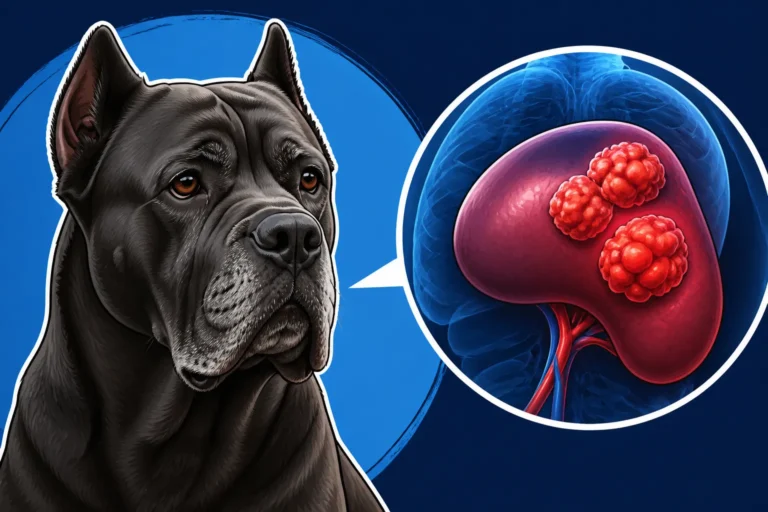
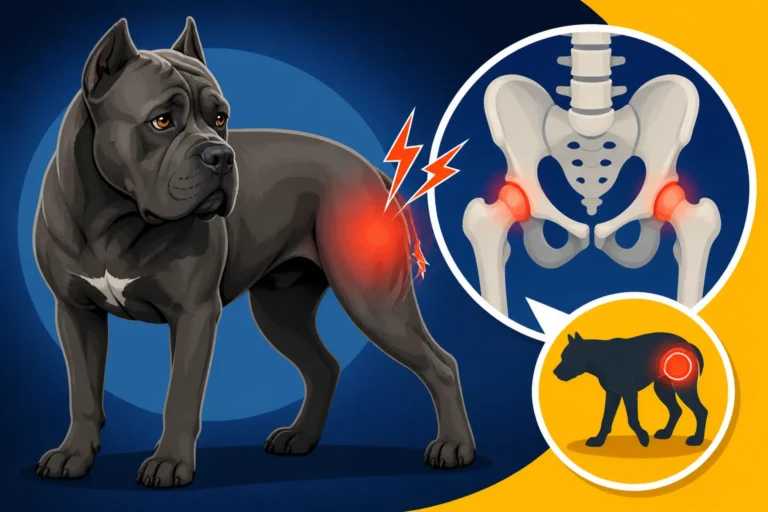
NCL is a terrible neurodegenerative disease that typically begins to show symptoms in young adulthood. Imagine your vibrant, active Cane Corso slowly losing coordination, developing seizures, and experiencing behavioral changes—it's heartbreaking to witness. We’ve even covered The Nerve Disease Cane Corsos Are DNA Tested For in more detail previously. DSRA, also known as Hereditary Multifocal Retinopathy, affects the eyes, potentially leading to visual impairment or blindness, though often it's milder than its name suggests. Another one to consider is Hip Dysplasia in a Fast Growing Cane Corso or Elbow Dysplasia and a Cane Corso's Front End. These are structural issues that, while influenced by genetics, are also affected by environment. While not a DNA test in the same way, understanding how to read OFA results is equally vital. It's not about scaring you, but about equipping you with the knowledge to actively choose a puppy from a lineage that has been diligently screened, giving you peace of mind that you're reducing the risks as much as possible. This is why The Two DNA Diseases in Cane Corso Pedigrees are often the first ones people look for.
Deciphering Your Cane Corso's DNA Report
So you've asked the breeder for their dogs' DNA results, and now you're staring at a document full of scientific terms and acronyms. Don't panic! It’s less complicated than it looks, and understanding these reports is a critical step in Reading a Cane Corso's DNA Results Before You Buy.
Understanding the Test Panel: What's Included?
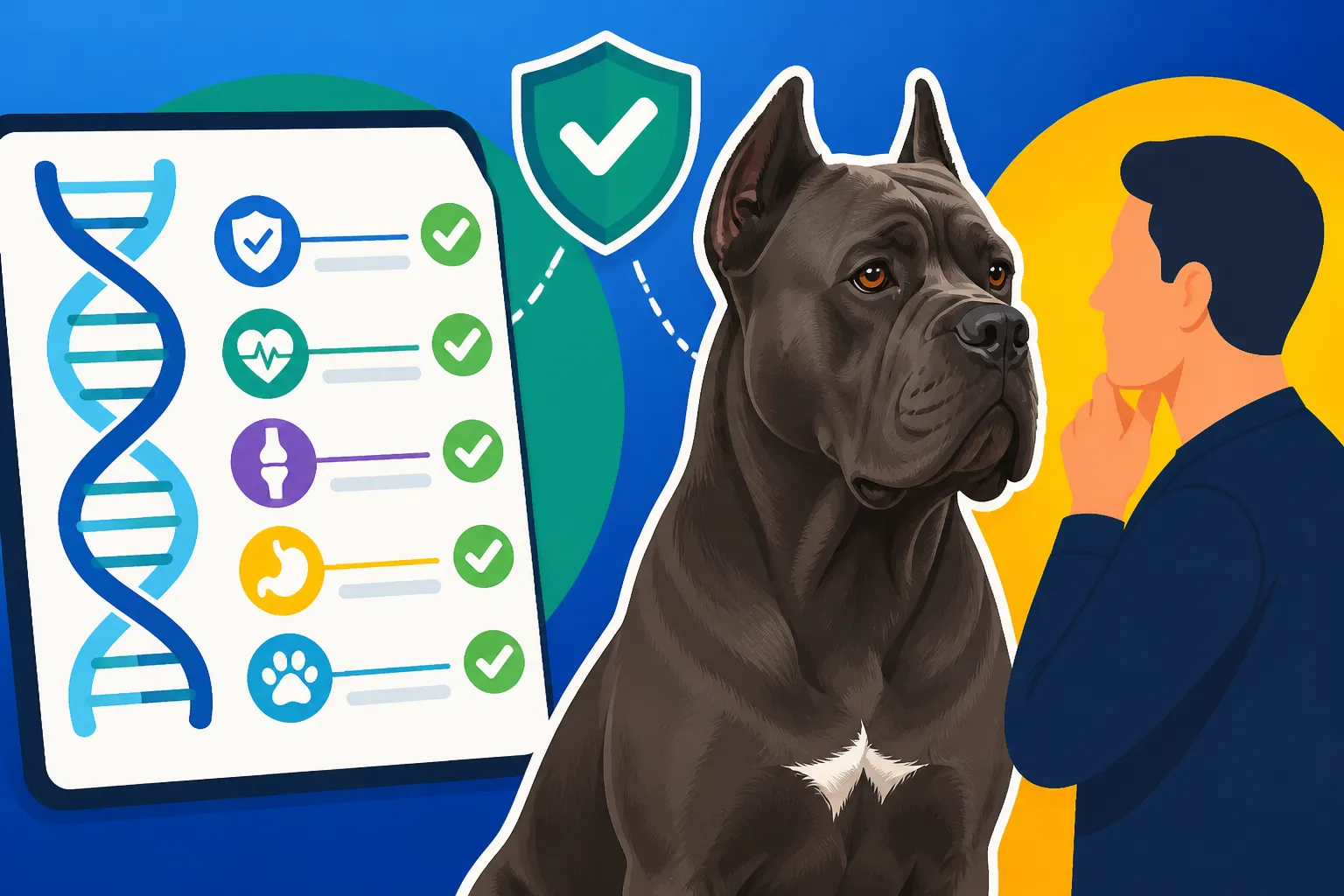
Most reputable Cane Corso breeders utilize comprehensive DNA test panels offered by companies like Embark, Optimal Selection by Wisdom Panel, or Paw Print Genetics. These aren't just single tests; they're extensive screenings that check for dozens, if not hundreds, of genetic mutations. For Cane Corsos, these panels typically include tests for NCL, DSRA, and sometimes other conditions like Degenerative Myelopathy (DM) or even Hyperuricosuria (HUU).
When you look at a report, you'll see a list of genetic diseases. Next to each disease, there will be a result for the individual dog. The "panel" approach is superior to just testing for one or two conditions because it gives a much broader picture of the dog's genetic health. It’s about being proactive and comprehensive. You want to see that a breeder isn't just checking the bare minimum but is genuinely investing in understanding the full genetic health of their breeding stock. For example, knowing if a dog is a carrier for NCL, even if it won't be affected itself, is vital information for making responsible breeding decisions. It's also why it's crucial that Why Both Cane Corso Parents Need the DNA Panel is understood.
Carrier, Clear, and Affected: What the Results Mean
This is often where the real confusion sets in, but it’s actually quite straightforward once you break it down. For each genetic condition, a dog's DNA test result will typically fall into one of three categories:
- Clear (or Normal): This means the dog does not carry the gene mutation for that specific disease. They cannot pass it on to their offspring, and they will not develop the disease due to this specific gene. This is the ideal result.
- Carrier: This means the dog carries one copy of the gene mutation but generally will not develop the disease itself. However, they can pass that gene on to approximately 50% of their offspring. A carrier dog bred to another carrier can produce affected puppies.
- Affected (or At-Risk): This means the dog has two copies of the gene mutation and is highly likely to develop the disease, or is already showing symptoms. An affected dog will pass one copy of the mutated gene to all of its offspring.
Understanding these distinctions is paramount. For instance, if you're looking at a puppy whose parents are both "Clear" for NCL, your puppy will also be "Clear." If one parent is "Clear" and the other is a "Carrier," your puppy has a 50% chance of being a "Carrier" but will not be "Affected." The real danger lies in breeding two "Carriers" together without proper planning. This scenario, which we delved into in Breeding Two Cane Corso Carriers and What Follows, means a 25% chance of an "Affected" puppy, 50% chance of "Carrier" puppies, and 25% chance of "Clear" puppies. No ethical breeder would intentionally breed two known carriers for a serious dominant or recessive genetic disease.
Here’s a quick overview of what these statuses imply:
| Genetic Status | Dog's Health Risk | Breeding Implications |
|---|---|---|
| Clear | No risk of developing this specific disease | Can be bred to any dog (Clear, Carrier) without producing affected offspring |
| Carrier | No risk of developing this specific disease | Should only be bred to a "Clear" dog to avoid producing affected offspring |
| Affected | Highly likely to develop or already has the disease | Should not be used for breeding as they will pass on the mutation |
It's truly about preventing preventable suffering. For example, knowing if a Cane Corso is affected by NCL means preparing for The Age NCL Symptoms Surface in a Cane Corso and the difficult journey ahead. Similarly, with DSRA, knowing a dog is affected means understanding How DSRA Takes a Cane Corso's Sight and planning for their visual needs.
Practical Steps Before You Buy
Knowing what those DNA results mean is powerful, but it's only half the battle. The next crucial step is to effectively use that information in your conversations with breeders and to ensure you're making a truly informed choice.
Verifying the Breeder's Claims and Documentation
Never just take a breeder's word for it when it comes to health testing. While most reputable breeders are honest and transparent, it's always best to verify. Ask to see the actual DNA reports for both the dam and sire of the litter you're interested in. These reports should come directly from the testing laboratory (like Embark, Wisdom Panel, or Paw Print Genetics) and clearly state the registered names or microchip numbers of the dogs, matching them to the parents.
Additionally, many breeders submit health clearances, including DNA test results, to public databases like the Orthopedic Foundation for Animals (OFA). The OFA's Canine Health Information Center (CHIC) program is a fantastic resource. A CHIC number indicates that a dog has had all the recommended health screenings for its breed, which for Cane Corsos, includes hip, elbow, cardiac, and eye exams, along with specific DNA tests. You can often look up a dog's health clearances directly on the OFA website using their registered name or registration number. Seeing a CHIC number is an excellent indicator that a breeder is committed to breed health. Understanding What a Cane Corso CHIC Number Actually Certifies can save you a lot of guesswork.
Be wary of red flags: breeders who are evasive about showing results, who claim their dogs are "healthy" without providing documented proof, or who say they don't believe in DNA testing. While it’s tempting to fall for a cute puppy, choosing a breeder who actively embraces and provides evidence of genetic testing is an investment in your puppy's future health and happiness. As an aside, while not related to DNA, also ensure to check the hip and elbow scores, as Hips and Elbows a Cane Corso Must Be Cleared On before breeding.
Discussing Health Guarantees and Insurance Options
Even with the most rigorous DNA testing, no breeder can guarantee a puppy will never have a health issue. Life happens, and genetics are only one piece of the puzzle. This is where a comprehensive health guarantee from the breeder and a good pet insurance policy come into play.
A reputable breeder will offer a health guarantee, typically for a year or two, covering serious genetic conditions that might arise. Read this guarantee carefully. What does it cover? What are the conditions for activation? Does it require you to return the dog, or does it offer a partial refund towards vet care? A strong health guarantee demonstrates a breeder's confidence in their lines and their commitment to their puppies, but it's important to understand its limitations. For instance, most guarantees won't cover every single vet bill, especially after the initial period.
This is precisely why pet insurance is such a smart decision, especially for a breed like the Cane Corso. Companies like Healthy Paws offer robust accident and illness plans that can provide a safety net for unexpected vet costs, from emergencies to chronic conditions. Even with clear DNA results, a Cane Corso can develop other health issues not covered by standard genetic tests, such as cancer, injuries, or even bloat, which is a serious concern for deep-chested breeds. Investing in pet insurance early, before any pre-existing conditions develop, means you'll be better prepared for whatever life throws your way. It can seem like an extra cost, but when you consider The Surgeries Every Cane Corso Owner Should Budget For or the potential for lifelong medication, a plan with Healthy Paws can alleviate immense financial stress. While Whether an Untested Cane Corso Saves Money Long Term might seem like a good idea initially, the long-term vet bills usually tell a different story. Don't forget to research Monthly Pet Insurance Premiums on a Cane Corso to understand the budget implications.
Long-Term Implications of Genetic Health
The impact of genetic health extends far beyond the initial puppy purchase. It shapes your dog's entire life and your experience as their owner. Understanding these long-term implications reinforces just how vital those DNA results are.
The Impact of Genetic Conditions on a Cane Corso's Quality of Life
Imagine the reality of living with a Cane Corso affected by NCL. When a puppy first comes home, you envision years of joyful walks, training, and companionship. But for dogs with NCL, symptoms typically begin to surface between one to three years of age, meaning you could have a significant emotional bond with your dog before the devastating changes become apparent. Initially, you might notice subtle clumsiness, a slight tremor, or changes in behavior. As the disease progresses, these symptoms worsen, leading to severe mobility issues, blindness, dementia-like symptoms, and uncontrollable seizures. Managing a hundred-pound dog through a seizure is physically and emotionally draining, and the constant decline is heartbreaking to witness. The emotional toll on a family is immense, watching their beloved companion suffer. The financial burden is also substantial, with ongoing veterinary visits, diagnostic tests, medications, and potential supportive care.
Even less severe conditions like certain forms of DSRA, while not always leading to complete blindness, can still impact a dog's confidence and ability to navigate their world, especially as they age. A dog with impaired vision might become more anxious, prone to bumping into things, or less engaged in activities they once loved. As devoted owners, we want to prevent this suffering wherever possible, and DNA testing is our first and best line of defense. Knowing the genetic status helps you prepare, or ideally, avoid such a situation entirely.
Ethical Breeding and the Future of the Cane Corso
Your decision to choose a puppy from DNA-tested parents isn't just about your individual dog; it has a ripple effect on the entire Cane Corso breed. Ethical breeding practices are the cornerstone of improving and maintaining the health and longevity of any breed. When breeders diligently test their dogs for known genetic conditions and make informed decisions about pairings—avoiding breeding two carriers together, for example—they are actively working to reduce the prevalence of these diseases in future generations.
As prospective buyers, you hold significant power. By demanding to see health clearances, including comprehensive DNA panel results, you send a clear message to breeders: health and ethical breeding matter. Supporting breeders who prioritize these standards encourages others to do the same. This collective effort ensures that the Cane Corso, a magnificent and ancient breed, can continue to thrive, free from preventable suffering caused by genetic disease. It contributes to a future where more Cane Corsos live out their full potential, without the shadow of debilitating genetic conditions, truly becoming the loyal and healthy companions they were meant to be. This commitment is often reflected in the comprehensive approach to health, not just DNA, but also through rigorous screenings like The Cardiac Exam Behind a Cane Corso's Clearance.
Disclaimer
Please note that this article is intended for informational purposes only and does not constitute veterinary advice. Always consult with a qualified veterinarian for any health concerns or before making any decisions about your pet's health and treatment. While DNA testing is a valuable tool, it does not cover all possible health conditions, and environmental factors also play a significant role in a dog's overall health.