Helping an Old Cane Corso Off the Floor
There are few things that tug at your heartstrings quite like watching your once-athletic, powerful Cane Corso struggle to get up from a comfortable nap, or slip and scramble on a slick kitchen floor. It’s a stark reminder that our magnificent companions aren't immune to the relentless march of time. This guide is here to walk you through understanding why these struggles happen, provide immediate, gentle methods for assisting your aging giant, and offer long-term strategies to keep them comfortable and mobile for as long as possible.
Understanding Why Senior Cane Corsos Struggle to Rise
It’s easy to feel helpless when your big dog can’t get their footing, but understanding the underlying causes can empower you to help them effectively. Many factors contribute to mobility issues in senior Cane Corsos, often a combination of several age-related changes.
The Impact of Arthritis and Joint Degeneration
One of the most common culprits for mobility issues in older Cane Corsos, and indeed all large breeds, is osteoarthritis. This isn't just a bit of stiffness; it's a degenerative joint disease where the cartilage protecting the ends of bones wears down over time. Without that smooth, cushioning layer, bones rub against each other, leading to inflammation, pain, and reduced range of motion. Imagine trying to get up with constant aches in your knees and hips – that's often what your Cane Corso is facing. Their impressive size and weight, while a hallmark of the breed, can also put tremendous strain on their joints over a lifetime, accelerating this wear and tear. This is why managing arthritis in a hundred pound Cane Corso is such a crucial part of senior care.
Muscle Weakness and Loss of Core Strength
As dogs age, they naturally experience a loss of muscle mass, a condition known as sarcopenia. This isn't just cosmetic; it significantly impacts their strength and stability. When those powerful hind leg muscles, which are essential for pushing off the ground, start to weaken, standing becomes an uphill battle. This is often exacerbated by reduced activity due to pain, creating a vicious cycle where less movement leads to more muscle loss. Think about how much core strength we use just to stand up straight; our Cane Corsos are no different. A weakened core means less stability and more wobbling, making the act of rising feel precarious. You might even notice subtle signs like when a Cane Corso starts dragging its back feet slightly, indicating that nerve communication or muscle strength in the hind end is declining.
Neurological Issues and Disc Disease
Sometimes, the problem isn't just about joints or muscles. Neurological conditions can also play a significant role. Conditions like Wobbler Syndrome in a Cane Corso's neck, or intervertebral disc disease (IVDD) further down the spine, can cause nerve compression. When nerves that control limb movement are affected, it can lead to weakness, incoordination, and intense pain, making it incredibly difficult for your dog to coordinate the effort needed to stand. Spinal issues, including ruptured discs in a heavy Cane Corso, can manifest as sudden weakness or gradual decline in mobility. A veterinarian can help diagnose these complex issues, often recommending imaging like X-rays or MRI to pinpoint the problem.
Other Contributing Factors
Beyond these primary concerns, several other factors can compound the struggle. Obesity, for instance, adds unnecessary strain to already compromised joints and muscles, making movement even harder. This is why understanding what extra weight does to a Cane Corso's hips is so vital throughout their life. Slick flooring, like hardwood or tile, provides little to no traction, turning a minor stumble into a terrifying fall for an unsteady senior. Even something as simple as unsupportive bedding can lead to stiffness after a long rest. Less common, but equally serious, pain from conditions like bone cancer in a Cane Corso's front leg can be debilitating and prevent them from putting weight down or pushing off to stand. It's a complex picture, and often, several of these factors are at play simultaneously.
Immediate Assistance Techniques for Getting Your Cane Corso Up
When your old Cane Corso is down and struggling, your instinct is to rush in and help. But it’s crucial to act calmly and strategically to avoid causing further injury to your dog or yourself.
The Right Approach and Body Mechanics
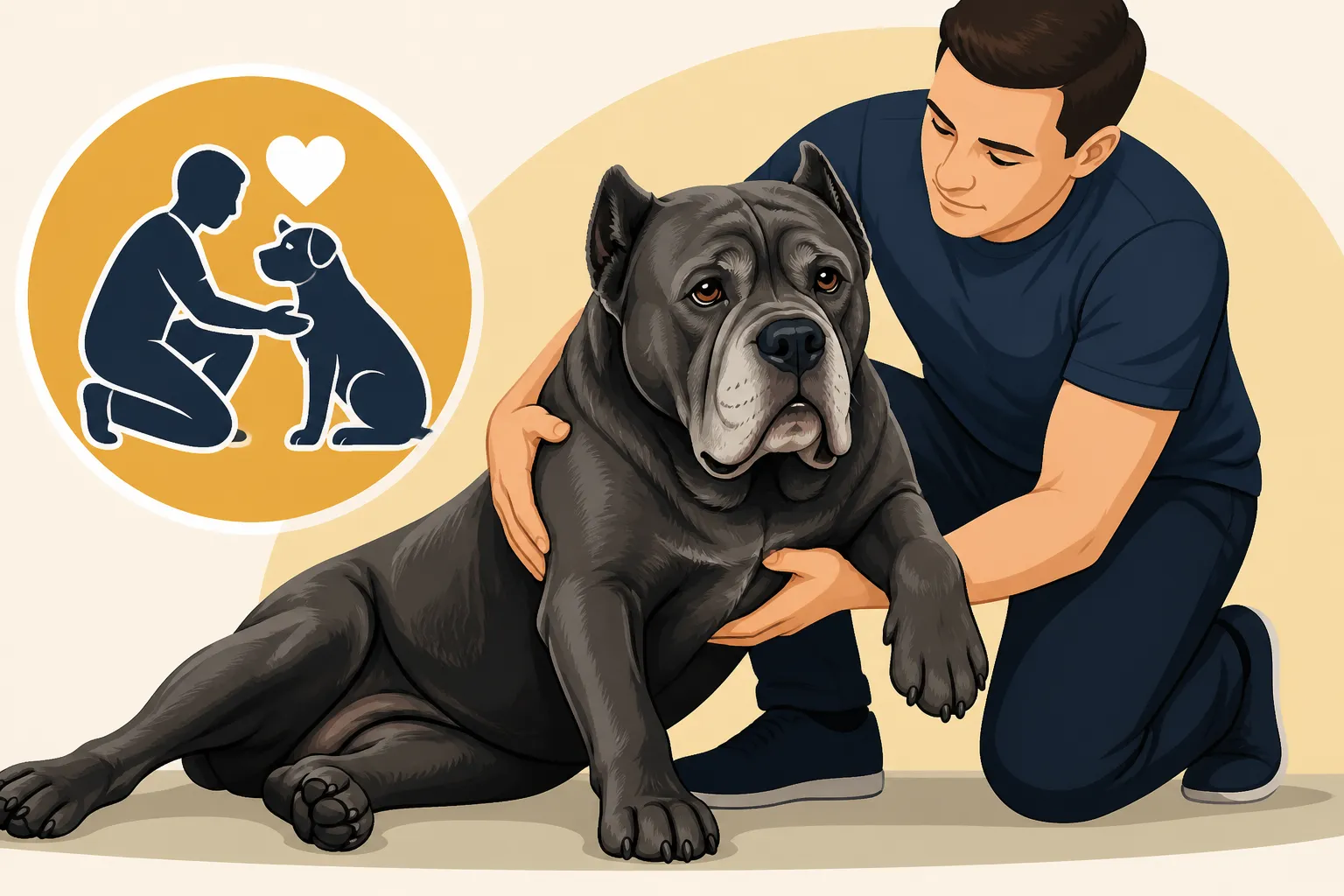
First and foremost, approach your dog with a calm, reassuring voice and gentle touch. Panic or forceful movements from you can scare them, making them tense up or try to scramble, which could worsen their situation or cause them to lash out in pain. Kneel down to their level and offer comfort. Once they are calm, position yourself either behind their hindquarters or alongside their torso. Never pull on their head, neck, or tail; these areas are incredibly vulnerable.
Instead, focus on supporting their main body mass. If they’re on their side, gently roll them onto their sternum (chest) so they are sitting upright on their hips. Use your body to brace them, preventing them from falling back over. Once they are upright, you can encourage them with a cheerful, firm command like "Up!" or "Let's go!" while providing support. The goal is to help them distribute their weight and engage their own muscles, not to lift their entire weight for them. Bend at your knees, not your back, and use your leg strength to help provide lift and stability.
Harnesses and Slings as Support Aids
For recurrent struggles, investing in a good support harness or sling is a game-changer. These tools are designed to distribute weight evenly and give you leverage without hurting your dog. A rear-support sling, often a simple piece of heavy-duty fabric with handles, goes under their abdomen in front of their hind legs. When they try to push up, you can gently lift the handles, providing the necessary boost to their back end. This is particularly useful if their hind end weakness is the primary issue.
For more comprehensive support, a full-body harness like the Help 'Em Up Harness is excellent. These harnesses stay on your dog and have handles over both their hips and shoulders, allowing you to lift and stabilize their entire body. When using one, make sure it’s properly fitted – snug enough not to chafe, but not so tight it restricts movement or breathing. You can practice using it during times when your Cane Corso is already getting up successfully, so they get accustomed to the feeling.
It’s worth noting that if these mobility aids are recommended by your vet as part of a treatment plan for a diagnosed condition, companies like Healthy Paws may offer coverage for a portion of the cost. Always check your pet insurance policy for specifics, as every little bit helps when caring for a senior giant breed.
Avoiding Injury to Yourself and Your Dog
Helping a large dog like a Cane Corso can be physically demanding. Without proper technique, you risk injuring your own back or muscles. Always lift with your legs, keeping your back straight. If your dog is over 70-80 pounds and completely unable to stand, consider enlisting help from another person. Two people can provide more stable and safer assistance.
Crucially, never force your dog. If they cry out in pain, resist fiercely, or seem to be collapsing again, stop and reassess. There might be an underlying injury or severe pain that needs immediate veterinary attention. In such cases, contact your vet or an emergency animal hospital for advice. They might instruct you on how to move your dog safely or suggest bringing a mobile vet to your home. Knowing when a seizing Cane Corso needs the emergency vet, for example, is critical, and a sudden collapse could be a sign of something similarly urgent. Learning to read your dog’s body language during these difficult moments is vital for their safety and yours.
Long-Term Strategies for Enhanced Mobility and Comfort
While immediate assistance is crucial, the real game-changer for an aging Cane Corso is a proactive, long-term approach to their health and comfort.
Veterinary Care and Pain Management
Regular veterinary check-ups become even more vital as your Cane Corso ages. Your vet is your best ally in managing chronic conditions. These appointments, including the yearly bloodwork on an adult Cane Corso, allow for early detection of issues and adjustments to treatment plans. For dogs with arthritis or other painful conditions, pain management is paramount. This often involves non-steroidal anti-inflammatory drugs (NSAIDs) like carprofen or meloxicam, sometimes in combination with other medications like gabapentin for nerve pain. Newer options, such as Librela injections, can offer significant relief by targeting nerve growth factor, a key mediator of pain. Adequan injections, which help protect cartilage, can also be beneficial.
The key is to work closely with your vet to find the right cocktail of medications and supplements that keep your dog comfortable with minimal side effects. Don't be afraid to discuss changes you observe; even subtle shifts in gait or willingness to move can indicate a need for medication adjustment. And if your Cane Corso is covered by pet insurance like Healthy Paws, many of these ongoing medications and treatments for chronic conditions can be reimbursed, significantly easing the financial burden and allowing you to prioritize your dog's comfort.
Physical Therapy and Controlled Exercise
Exercise might seem counterintuitive for a dog struggling with mobility, but controlled and appropriate exercise is essential for maintaining muscle mass and joint flexibility. Forget strenuous hikes; think gentle, consistent walks. Even how far an old Cane Corso should still walk needs to be carefully considered. Short, frequent strolls on soft, even surfaces are much better than one long, taxing trek.
Beyond walks, physical therapy can work wonders. This can include hydrotherapy (swimming or underwater treadmill work), which allows for low-impact exercise, or therapeutic laser treatments that reduce inflammation and promote healing. Acupuncture can also be beneficial for pain relief. At home, you can perform passive range-of-motion exercises as taught by a vet or physical therapist, gently moving your dog's limbs to maintain flexibility. Core strengthening exercises, such as slow walks over cavaletti poles or gentle balancing on a wobble board, can rebuild the stability needed for rising.
Nutritional Support and Supplements
Diet plays a crucial role in managing an aging Cane Corso's health. Maintaining a lean body condition is one of the most impactful things you can do to ease stress on their joints. Regularly checking the weight an old Cane Corso should hold is a good practice. If your dog is overweight, your vet can help you devise a safe weight loss plan.
Beyond weight, specific supplements can support joint health. Glucosamine and chondroitin sulfate are widely used to support cartilage health. MSM (methylsulfonylmethane) can help reduce inflammation, and Omega-3 fatty acids, commonly found in fish oil, have powerful anti-inflammatory properties. Discuss these with your vet, as they can recommend appropriate dosages and brands. While many owners wonder whether a Cane Corso benefits from joint supplements, for senior dogs, they can often make a noticeable difference in comfort and mobility. Brands like Dasuquin and Cosequin are often recommended by veterinarians due to their proven effectiveness.
Creating a Senior-Friendly Home Environment
Making your home safe and comfortable for an aging Cane Corso isn't just about managing symptoms; it's about proactively removing obstacles and providing support that makes their daily life easier.
Non-Slip Flooring and Ramps
One of the biggest hazards for a mobility-challenged Cane Corso is slick flooring. Hardwood, tile, and laminate floors offer no traction, making it incredibly difficult for them to push off and stand, or to walk without slipping. Lay down non-slip runners or area rugs in high-traffic areas, especially where your dog eats, sleeps, and frequently gets up. You can also get specialized paw grips or non-slip socks for their feet, though some dogs tolerate these better than others.
Ramps are another excellent investment, allowing your Cane Corso to access places they once jumped to effortlessly, like the couch, bed, or vehicle. Thinking about ramps for a Cane Corso that cannot jump up anymore can save their joints further strain and prevent falls. Ensure any ramp you purchase is wide enough, sturdy, and has good traction to prevent slips. This simple addition can drastically improve their quality of life and independence.
Orthopedic Bedding and Raised Bowls
A comfortable, supportive bed is paramount for an aging giant breed. Orthopedic beds rated for a Cane Corso's weight, typically made with dense memory foam, provide crucial support for their heavy joints and muscles. This cushioning reduces pressure points and helps prevent the stiffness that can make rising so difficult after a long rest. Place their bed in an easily accessible, draft-free area where they feel safe and secure.
Consider raised food and water bowls. Bending down to floor level can be painful and awkward for a dog with neck or back arthritis. Elevated bowls allow them to eat and drink in a more natural, comfortable posture, reducing strain on their neck and front joints. This small adjustment can make meal times much more pleasant. When purchasing these items, remember that pet insurance, such as a policy from Healthy Paws, might cover prescribed assistive devices that aid in your dog’s recovery or long-term management.
Routine and Accessibility
Maintaining a consistent daily routine can be incredibly comforting for senior dogs. As they age, some Cane Corsos might experience cognitive decline, leading to things like night confusion in an aging Cane Corso. A predictable schedule for meals, potty breaks, and walks can help reduce anxiety and maintain a sense of normalcy. Ensure their potty areas are easily accessible, perhaps even installing a dog door if your yard is secure and they can use it safely.
Finally, patience and understanding are your most valuable tools. An aging dog’s needs will change, and they might become slower, less agile, or even a bit forgetful. Embrace these changes with compassion. Celebrate every small victory – every successful rise, every happy wag of the tail. Your Cane Corso has given you years of loyal companionship and protection; now is the time to return that devotion by providing them with the utmost comfort and support in their golden years.
Mobility Aids for Senior Cane Corsos
| Mobility Aid | Description | Pros | Cons | Best For |
|---|---|---|---|---|
| Rear Support Sling | A fabric sling placed under the dog's abdomen, in front of the hind legs, with handles for the owner. | Provides immediate lift and support for hind end weakness; portable and easy to use for quick assists. | Requires owner's physical strength; does not support the front end; mostly for temporary use. | Dogs with isolated hind leg weakness, post-surgical recovery for rear limbs, quick potty breaks. |
| Full-Body Harness | A comprehensive harness with handles positioned over the hips and shoulders, designed to remain on the dog. | Distributes weight evenly for balanced support; more secure and less likely to slip than a sling; allows for walking assistance. | Can be bulky and may take time for the dog to get used to wearing it constantly; can be warm in summer. | Moderate to severe mobility issues, long-term walking assistance, dogs needing full body stabilization. |
| Traction Socks/Pads | Non-slip socks or adhesive paw pads applied directly to the dog's paws. | Improves grip on slippery surfaces like tile or hardwood floors; non-invasive and relatively inexpensive. | Some dogs may chew them off; can be difficult to size correctly; may not be suitable for outdoor use or active dogs. | Minor slipping issues, indoor use, dogs transitioning to senior care, protecting paw pads. |
| Ramps | Gradual inclines made of sturdy material, used to help dogs access elevated surfaces. | Reduces impact on joints from jumping; promotes independence; prevents owner strain from lifting. | Can be bulky and take up space; dog may need training to use it; may not be suitable for very steep inclines. | Preventing jumps onto furniture or into vehicles, dogs with hip or elbow dysplasia, post-surgery recovery. |
| Orthopedic Bed | Beds made with high-density memory foam or other supportive materials that conform to the dog's body. | Reduces pressure points on joints; provides superior comfort and support for painful areas; helps reduce stiffness after rest. | Can be more expensive than standard beds; dog may take time to adapt to a new texture or firmness. | Dogs with arthritis, hip/elbow dysplasia, muscle soreness, or general age-related discomfort. |
Disclaimer
As a dedicated resource for Cane Corso owners, the information provided in this guide is intended for educational purposes only and should not be considered a substitute for professional veterinary advice. Always consult with a qualified veterinarian for any health concerns or before making any decisions related to your dog's care and treatment. Every dog is unique, and individualized care is essential for their well-being.