Whether a Cane Corso Puppy Can Look Too Thin
It's a common worry for new Cane Corso puppy owners, seeing their beloved giant breed puppy go through a growth spurt and suddenly look… well, gangly. You might be staring at your puppy, wondering if they're actually getting enough to eat or if they're too skinny. This guide is here to walk you through what's normal for a rapidly growing Cane Corso puppy, when to be concerned, and how to ensure your big baby is on the right track for healthy development.
Understanding Normal Cane Corso Puppy Growth
Raising a Cane Corso puppy is a unique journey. Unlike smaller breeds, they don't just plump up and stay that way. These majestic dogs are designed for powerful, athletic builds, and their growth often happens in stages that can make them appear surprisingly lean.
The "Lanky Teenager" Phase
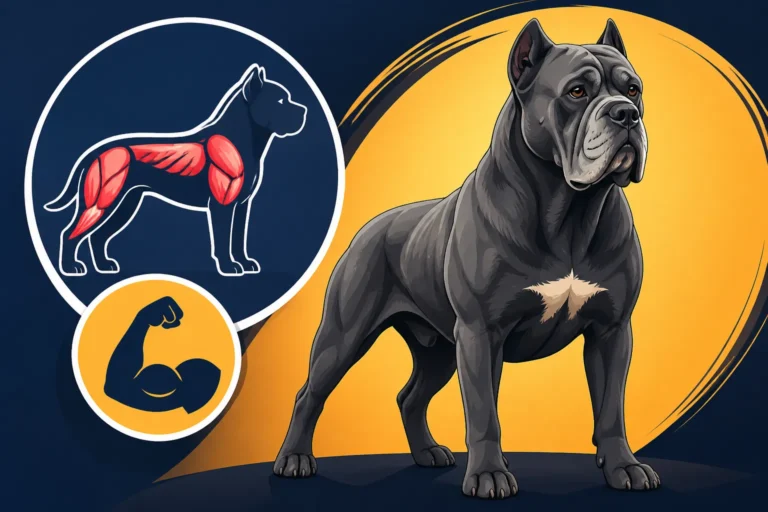
Think of a human teenager who suddenly shoots up in height, all arms and legs, looking a bit awkward and skinny before they fill out. Your Cane Corso puppy goes through a very similar phase. They experience incredible growth spurts where their bones lengthen rapidly, but their muscle mass and overall body condition might lag slightly behind. This often happens between 4 to 9 months of age, when they're gaining inches seemingly overnight. You might notice their ribs are a little more prominent than you'd expect, or their waist tucks up sharply. This is often perfectly normal. Their body is prioritizing skeletal development, building that immense framework before it starts laying down the significant muscle mass that will define their adult physique. It’s a temporary stage, but one that often sparks a lot of concern in first-time Cane Corso owners. It's crucial not to panic and immediately try to "fatten them up," as this can lead to other, more serious health issues down the line.
Why Slow and Steady Wins the Race for Giant Breeds
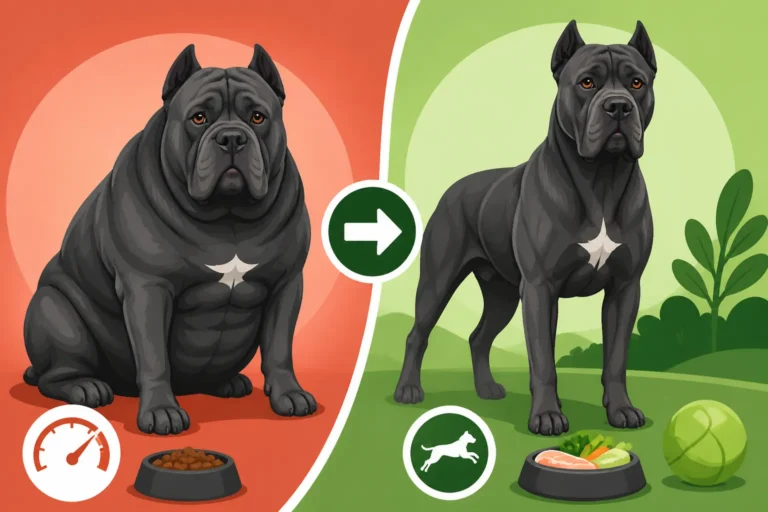
When it comes to giant breeds like the Cane Corso, rapid weight gain, especially in the first year of life, is actually detrimental to their long-term health. Overfeeding a growing puppy can put excessive stress on their developing joints and bones. This can exacerbate conditions like hip and elbow dysplasia, which these large breeds are already predisposed to. A slightly lean puppy is generally a healthier puppy. You want to see a steady, controlled growth rate, not a sudden explosion. The goal isn't to have the heaviest puppy in the litter, but the one with the strongest foundation for a long, active life. The Growth Curve a Cane Corso Follows to Nineteen Months is far more complex than just gaining weight. It's about careful balance. Reputable breeders and veterinarians will often emphasize keeping a Cane Corso puppy on the leaner side to protect their delicate growth plates. This means you might expect to see a bit of lankiness, and it’s a good sign you’re doing things right, not wrong.
Signs Your Cane Corso Puppy Might Be Too Thin
While some leanness is normal, there's a difference between a healthy, lanky puppy and one who is genuinely underweight or not thriving. Knowing what to look for can help you differentiate between typical growth and a potential problem.
Visual and Physical Cues
When you run your hands over your Cane Corso puppy, you should be able to feel their ribs without pressing hard, almost like feeling the back of your hand. If the ribs are visible without any effort, or if you can see hip bones, spine, or shoulder blades jutting out prominently, that's a red flag. A healthy puppy will have a slight covering of fat over these bones. You should also check their "waist" – the area between their ribs and hips. It should tuck up noticeably from their rib cage, but not so dramatically that it looks hollow. Their coat can also be an indicator; a dull, dry, or sparse coat, even on a short-haired breed like a Cane Corso, can sometimes suggest nutritional deficiencies. Pay attention to the muscle definition in their legs; they should have some noticeable musculature, even if they're in a growth spurt. A complete lack of muscle tone, coupled with prominent bones, definitely warrants a closer look.
Behavioral Indicators of Underfeeding
Beyond what you can see and feel, your puppy's behavior can also give you clues. A genuinely underweight puppy might lack energy, seem lethargic, or be unusually quiet. While Cane Corso puppies certainly have their lazy moments, a consistent lack of interest in play, walks, or interaction could be a sign something is off. Another less obvious sign could be changes in their stool. Chronic diarrhea or very loose stools can indicate that they aren't absorbing nutrients effectively, even if they're eating. Conversely, constant hunger, bordering on desperation for food, even after meals, might mean their current diet isn't meeting their caloric or nutritional needs. Always remember that a puppy that is not thriving physically will often show it through their demeanor and daily habits, so trust your gut if your puppy just doesn't seem "right."
What to Do If You Suspect Your Puppy is Underweight
If you've assessed your Cane Corso puppy and have genuine concerns about their weight, it's time to take action. Don't just add more food to the bowl without understanding the root cause.
Reviewing Their Diet and Feeding Schedule
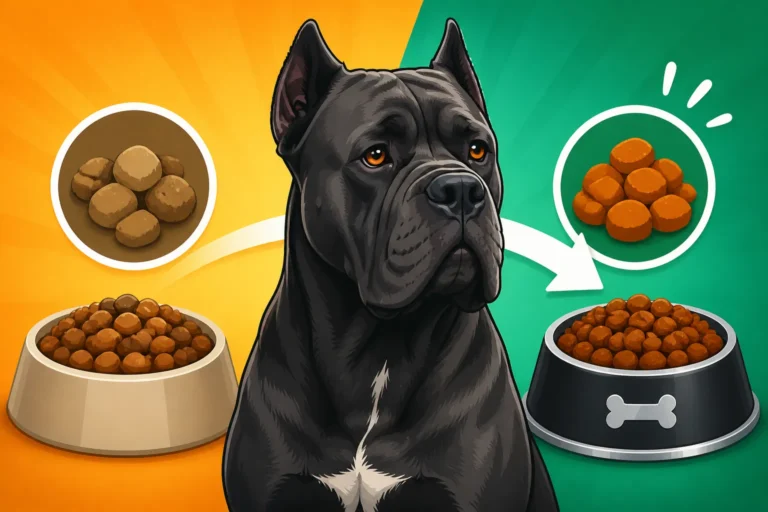
First, let's look at their diet. Are you feeding a high-quality, large-breed puppy food specifically formulated for giant breeds? These foods are designed to support slower, healthier growth. Why a Cane Corso Puppy Needs Giant Breed Food is a critical point; generic puppy foods can be too calorically dense or have incorrect calcium-to-phosphorus ratios, encouraging rapid, unhealthy growth. Check the feeding guidelines on the bag for your puppy's current age and weight. Manufacturers like Purina Pro Plan, Royal Canin, or even fresh food brands like Ollie, provide detailed charts. You might be surprised to find you're feeding less than recommended, or perhaps more than recommended but with insufficient nutrient density. Also, consider the number of meals per day. Younger puppies need more frequent, smaller meals. How Many Meals a Cane Corso Puppy Gets Each Day is usually 3-4, gradually reducing to two as they mature. Consistency is key; feeding at the same times each day helps regulate their digestive system and ensures they're getting a steady supply of nutrients. If you're using a brand like Chewy for your pet supplies, their customer service or website resources often have detailed information on feeding guides from various brands.
Consulting Your Veterinarian
If you're still worried after reviewing their diet, or if you notice any other concerning symptoms, the next step is a vet visit. Your veterinarian can provide an objective assessment of your puppy's body condition score. They'll also perform a physical exam and discuss their growth history with you. They might ask about their parents' sizes, as genetics play a huge role in their ultimate adult size and how they grow. Sometimes, an underlying health issue could be the cause of a puppy struggling to gain weight. Parasites, for example, are a common culprit, as they steal nutrients from their host. Your vet might recommend a fecal test, blood work, or other diagnostics to rule out any medical conditions. They can also offer tailored nutritional advice, adjust feeding recommendations, or suggest supplements if necessary. Never try to self-diagnose or implement drastic dietary changes without professional guidance, especially with a growing giant breed.
Preventing Underweight Issues: Best Practices
Proactive care is always better than reactive solutions. By implementing some best practices from the start, you can help ensure your Cane Corso puppy maintains a healthy weight and grows into a strong adult.
Choosing the Right Food
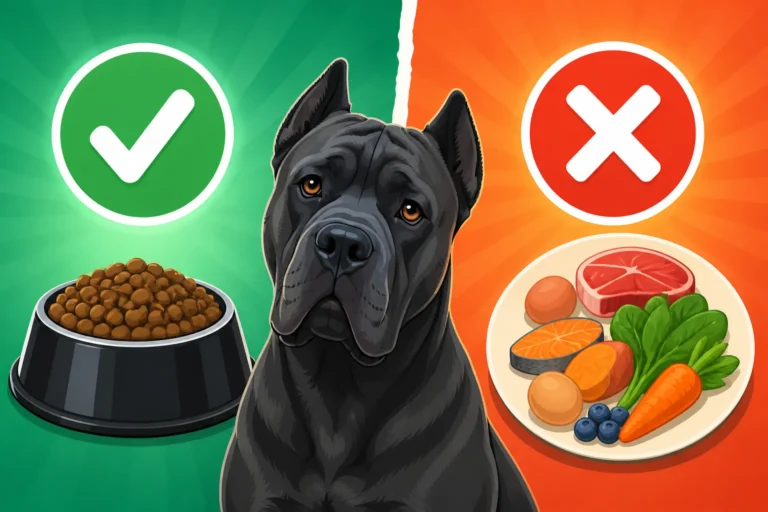
Selecting the correct food is paramount for a Cane Corso puppy. Look for formulas specifically labeled for "large breed puppies" or "giant breed puppies." These foods have carefully balanced calcium and phosphorus levels, crucial for bone development, and typically contain lower fat and protein content than regular puppy foods to prevent too-rapid growth. Brands found on platforms like Amazon or Chewy will often clearly label these distinctions. Avoid free-feeding, where food is left out all day. Instead, feed measured meals at set times. This allows you to monitor exactly how much your puppy is eating and helps prevent over or underfeeding. If you're considering a raw or fresh diet, like those offered by Ollie, ensure it is nutritionally complete and balanced, ideally developed with veterinary nutritionist input. A homemade diet must be carefully formulated to avoid deficiencies or excesses that can harm a growing Cane Corso.
Monitoring Growth and Adjusting Intake
Regularly monitoring your puppy's weight and body condition is essential. You can weigh your puppy at home on a good scale if they're small enough, or at your vet's office during routine visits. Keep a record of their weight and track it against a general growth chart for Cane Corsos. Remember, What a Cane Corso Should Weigh at Six Months or any age is a guideline, not a strict rule, as individual genetics play a large role. More importantly than the number on the scale is their body condition score. As mentioned, you should be able to easily feel their ribs but not see them prominently. Their waist should be evident when viewed from above, and their belly should tuck up when viewed from the side. As your puppy grows and their activity levels change, their caloric needs will fluctuate. It's not uncommon to need to adjust their food intake every few weeks or months. During growth spurts, they might need a bit more, and then you might need to slightly reduce it once that rapid growth slows. Learning to "read" your dog's body and making small, consistent adjustments to their food is one of the most important skills you'll develop as a Cane Corso owner. Checking a Cane Corso's Ribs With Your Hands should become a regular habit, a quick check-in with your growing companion.
| Age (Approx.) | Growth Stage | Body Condition Expectation | Key Considerations |
|---|---|---|---|
| 8-16 Weeks | Rapid initial growth, puppy fat disappearing | Ribs easily felt, slight fat covering, defined waist | Focus on quality large-breed puppy food; multiple small meals a day. |
| 4-9 Months | "Lanky Teenager" phase, bone lengthening | Ribs more easily felt (sometimes visible), pronounced waist tuck | Often looks lean; avoid overfeeding to prevent joint stress. Monitor energy levels. |
| 9-18 Months | Filling out, muscle development | Ribs felt with gentle pressure, waist still present but less dramatic | Transition to adult food around 12-18 months (check specific food guidelines); continue to monitor for lean muscle gain. |
| 18-24 Months+ | Maturing, reaching full adult size | Ribs felt with moderate pressure, well-defined waist and muscle mass | Maintain ideal body weight for adult health; adjust food to activity levels. |
This table is a general guide, and every puppy is an individual. Consistent observation and vet consultation are always your best tools.
Disclaimer
This article is for general informational purposes only and does not constitute professional advice. Laws, prices and regulations vary by location and change over time. Consult a qualified professional for guidance on your specific situation.