Whether an Uncropped Cane Corso Needs More Ear Cleaning
The question of whether an uncropped Cane Corso needs more ear cleaning than its cropped counterparts is a common one, and honestly, it’s a valid concern for any owner navigating the unique care requirements of this magnificent breed. Many of us grapple with the best ways to keep our dogs healthy, and when it comes to ears, especially those beautiful, natural floppy ones, it can feel like a guessing game. This guide will walk you through the realities of ear care for your uncropped Cane Corso, what makes their ears prone to issues, and how to keep them clean and healthy without endless worry.
Understanding the Cane Corso Ear: Cropped vs. Natural
Let's start by looking at the fundamental differences between cropped and natural Cane Corso ears, and why this distinction impacts their care. It’s not just about aesthetics; the physical shape of the ear plays a significant role in its health and susceptibility to certain issues.
The Anatomy of a Natural Cane Corso Ear
A natural, uncropped Cane Corso ear is a pendulous, triangular flap that hangs down, typically close to the side of the head. This anatomical feature, while perfectly natural, creates a unique microclimate within the ear canal. Unlike breeds with upright ears, the natural Cane Corso ear covers the ear canal opening, limiting airflow and often trapping warmth and moisture inside. Think of it like a little umbrella over the ear canal – great for keeping rain out, but not so great for ventilation.
This warm, moist environment can become an ideal breeding ground for bacteria and yeast, which are naturally present on a dog's skin and in their ears but can proliferate rapidly under these conditions. The shape also means that any debris, like dirt, dust, or pollen, that gets into the ear canal might not easily fall out. Instead, it can settle, contributing to irritation and potential blockages. Ear Infections in a Cane Corso With Natural Ears can become a recurring nightmare if not managed proactively.
The Cropped Ear and Its Perceived Advantages
Historically, ear cropping in working breeds like the Cane Corso was done for practical reasons, often to reduce the risk of injury during work, such as hunting wild boar or guarding livestock. In more modern times, it became part of the breed standard for many, influencing their perceived appearance and even how they might be judged in a show ring. From a health perspective, one of the often-cited advantages of cropped ears is the improved airflow they allow into the ear canal. With the ear standing erect, the canal is more exposed to circulating air, which helps keep it dry and cool.
This increased ventilation can certainly mitigate some of the environmental factors that contribute to ear infections in pendulous ears. When the ear canal is drier, it's generally less hospitable for yeast and bacteria to grow out of control. Many owners who choose to crop their Cane Corso's ears do so partly with this perceived health benefit in mind, hoping to reduce the incidence of painful and costly ear infections. What Collects in a Cropped Cane Corso's Ear still requires attention, but the fundamental environment is different.
Why Natural Ears Can Be More Prone to Issues
It’s not just a perception; there are very real, physiological reasons why those gorgeous floppy ears might require a bit more vigilance. Owners of uncropped Cane Corsos aren't imagining things when they feel like they're always checking for redness or that tell-tale smell.
The Moisture and Airflow Factor
As we touched on, the design of the natural Cane Corso ear creates a literal seal over the ear canal. This means fresh air doesn't circulate as freely, and any moisture that enters – whether from bathing, swimming, or even just humidity in the air – gets trapped. This is the perfect recipe for problems. Imagine wearing a heavy hat in humid weather all the time; things would get sweaty and prone to irritation underneath. It’s similar for your dog's ears.
Yeast, in particular, thrives in warm, moist, dark environments. When yeast populations explode, you'll start to notice that distinctive, sometimes sweet, sometimes pungent, yeasty smell, often accompanied by a brownish discharge. Bacterial infections can also take hold quickly. This isn't a reflection of poor hygiene on your part, but rather an environmental challenge inherent to the ear's structure. It's a battle against nature, in a way, and it requires consistent effort on the owner's part to keep that environment balanced. Without proper ventilation, even minor issues can escalate rapidly.
Trapping Debris and Allergens
Beyond moisture, the natural ear flap acts like a net, collecting all sorts of external irritants. When your Cane Corso is romping through the park, sniffing around the bushes, or even just walking down a dusty street, tiny particles of dirt, grass seeds, pollen, and other allergens can easily make their way into the ear canal. Once inside, these particles can become trapped against the warm, moist skin, causing irritation.
For dogs with environmental allergies, this can be particularly problematic. Pollen, dust mites, and other common allergens can get trapped in the ear, triggering an allergic reaction that manifests as inflammation, itchiness, and increased wax production. This vicious cycle often leads to scratching, which can further irritate the ear canal and even introduce bacteria from claws, paving the way for secondary infections. Therefore, proactive cleaning isn't just about removing wax, but also about flushing out these potential irritants before they can cause a full-blown flare-up. The Yeast Smell on a Cane Corso's Skin Folds is often a sign of this kind of underlying issue.
Essential Ear Cleaning for Your Uncropped Cane Corso
So, what’s an owner of a beautiful, natural-eared Cane Corso to do? The answer is a consistent, gentle, and informed ear care routine. It's not about scrubbing aggressively, but about regular, preventative maintenance.
Establishing a Routine
The key to healthy ears for an uncropped Cane Corso is regularity. While every dog is different, a good starting point for most natural-eared Cane Corsos is a weekly ear check, with cleaning performed every one to two weeks, or as needed. If your dog loves to swim, or if it's a particularly humid time of year, you might need to clean more frequently, perhaps every few days, especially after water exposure. You should always perform The Weekly Ear Check a Cane Corso Owner Should Do religiously.
Establishing a routine also means making it a positive experience for your dog from a young age. Start slow, with lots of praise and treats. You don't want ear cleaning to become a battle, especially with a powerful dog like a Cane Corso. A calm, consistent approach will go a long way in ensuring your dog tolerates, and even accepts, the process.
Here's a sample routine to consider:
| Frequency | Action | Purpose |
|---|---|---|
| Daily (optional) | Quick visual inspection | Check for discharge, redness, or odor before it becomes a major problem. |
| Weekly | Thorough visual inspection & sniff test | Deeper check for signs of irritation, excessive wax, or foul odor. |
| Every 1-2 Weeks | Full ear cleaning (if needed) | Remove wax, debris, and maintain a healthy ear environment, especially after swims. |
| As Needed | Post-swim flush | Use an ear drying solution after water activities to prevent moisture buildup. |
The Right Tools for the Job
You don't need a massive arsenal of products, but having the right tools makes a huge difference. Avoid cotton swabs, as these can push debris further into the ear canal and potentially damage the eardrum.
Here’s what you’ll need:
- Veterinary-Approved Ear Cleaner: This is paramount. Look for a gentle, non-irritating solution designed specifically for dogs. Many quality cleaners contain ingredients that help break down wax, dry out moisture, and have antiseptic properties. You can often find excellent options from reputable online retailers like Chewy or Amazon, but always check with your vet for a recommendation, especially if your dog has sensitive ears or a history of infections. Brands like Zymox or Epi-Otic are often recommended.
- Cotton Balls or Gauze Pads: These are for wiping away discharge and cleaner from the outer ear and the folds of the ear flap. Use soft, non-abrasive materials.
- Treats! Plenty of high-value treats to make the experience positive for your Cane Corso.
- Towel: A towel is good for catching any excess cleaner, as it can get a little messy.
When selecting a cleaner, steer clear of anything that isn't specifically formulated for dogs, and never use rubbing alcohol or hydrogen peroxide. These can be too harsh and irritating for the delicate tissues of the ear canal.
Step-by-Step Cleaning Process
Once you have your supplies and your Cane Corso is in a relaxed mood, you can begin the cleaning process. Remember to be gentle and patient.
- Gather Your Supplies and Position Your Dog: Have everything within reach. Find a comfortable spot where your dog can sit or lie down, and you have good access to their ears. A helper can be invaluable, especially with a large breed, to hold your dog gently and offer treats.
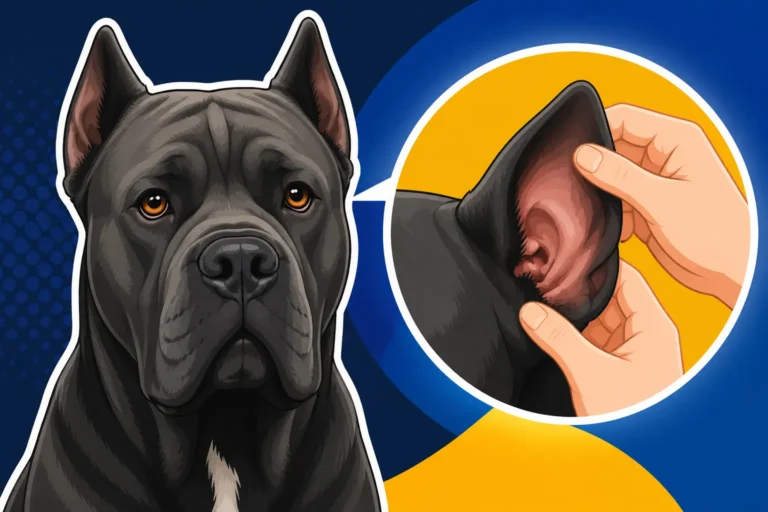
- Examine the Ear: Before you even open the cleaner, gently lift your Cane Corso's ear flap and take a good look and sniff. Are the ears red or inflamed? Is there a foul odor? Is there excessive dark, waxy, or pus-like discharge? If you notice any of these signs, especially pain or swelling, it’s time to call the vet first. You don't want to clean an infected ear without professional guidance.
- Apply the Cleaner: Holding the ear flap up, gently squeeze the bottle of ear cleaner directly into the ear canal until it's full (or nearly full). Don't be shy; you want enough to thoroughly flush the canal.
- Massage the Base of the Ear: This is the satisfying part. Gently massage the base of your Cane Corso's ear for about 20-30 seconds. You should hear a squishy sound as the cleaner dislodges wax and debris. Your dog might shake their head, which is perfectly normal and helps bring the cleaner and gunk to the surface.
- Wipe Away Excess: After the massage and any head shaking, take your cotton ball or gauze pad and gently wipe away any excess cleaner, wax, and debris from the visible parts of the ear canal and the folds of the ear flap. Remember, only clean what you can see. Do not insert anything deep into the ear canal. Cleaning a Cane Corso's Ear Without Going Deep is crucial to prevent injury.
- Repeat on the Other Ear: Once one ear is clean, move on to the other, following the same steps.
- Reward Your Dog: Lavish your Cane Corso with praise and treats throughout and after the process. This positive reinforcement will make future cleanings much easier.
Remember, consistency is far more important than intensity. A little regular care goes a long way in preventing bigger problems down the road. Consider using high-quality chews or enrichment toys from places like Ollie or Chewy as a distraction during cleaning if your dog is particularly wiggly.
Recognizing When Professional Help is Needed
Even with the most diligent cleaning routine, sometimes issues arise that are beyond home care. It's critical to know the signs of a deeper problem and when to seek veterinary attention. Delaying treatment for ear infections can lead to chronic issues, pain, and even hearing loss.
Signs of an Ear Infection
Your Cane Corso's natural ears are more susceptible, so watch closely for these red flags:
- Head Shaking: More frequent or vigorous head shaking than usual.
- Excessive Scratching: Your dog constantly scratching or pawing at their ears.
- Redness or Swelling: The inside of the ear flap or the opening of the ear canal appears red, inflamed, or swollen.
- Foul Odor: A strong, unpleasant smell emanating from the ear. This is often the first sign owners notice.
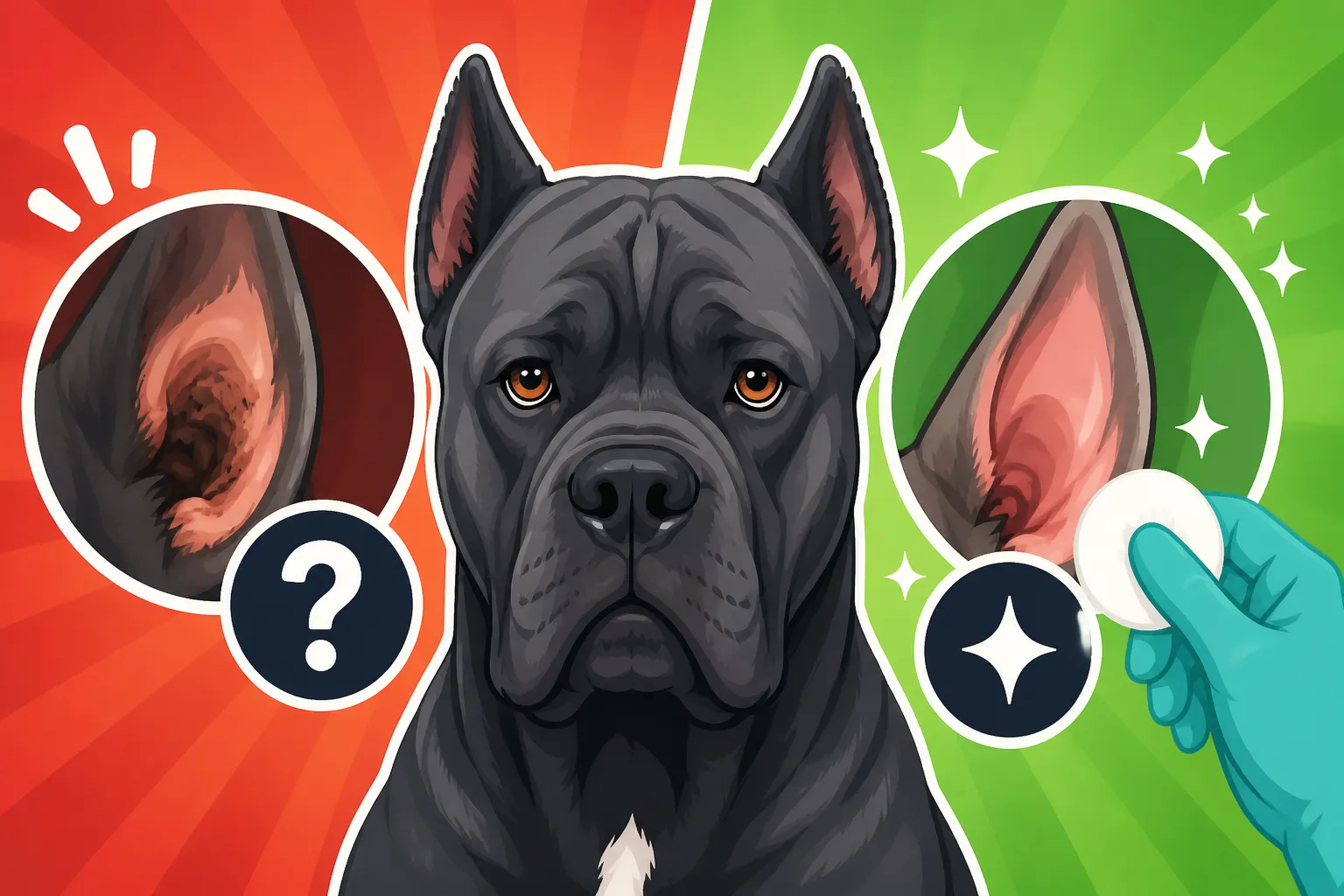
- Discharge: Yellow, green, black, or bloody discharge. Dark brown, waxy buildup can indicate a yeast infection, while pus-like discharge often points to a bacterial infection.
- Pain or Sensitivity: Your dog yelps, flinches, or resists when you touch their ear.
- Tilting Head: Holding their head consistently tilted to one side.
- Loss of Balance or Hearing: In severe cases, an inner ear infection can affect balance or cause temporary hearing loss.
It's tempting to think it's just a bit of dirt, but any of these signs, especially in combination, warrant immediate attention. The Sagging Lower Lid on a Cane Corso or How Loose Lids Give a Cane Corso Chronic Eye Infections are eye issues, but similarly, the loose ear structure can predispose to issues.
When to Call the Vet
If you observe any of the above symptoms, or if your Cane Corso appears to be in pain, do not attempt to self-treat with over-the-counter medications that aren't vet-prescribed for that specific issue. It's time to call your veterinarian. Ear infections can be very painful, and using the wrong treatment can make things worse or mask symptoms, leading to more serious, chronic problems.
Your vet will be able to perform a thorough examination, including looking deep into the ear canal with an otoscope, and taking samples to identify the type of bacteria or yeast present. This allows them to prescribe the most effective medication, whether it's topical drops, oral antibiotics, antifungals, or anti-inflammatory drugs. They can also rule out other causes of ear issues, such as foreign bodies (like grass awns), polyps, or allergies, which might require a different course of action. Prompt veterinary care is the best way to resolve an ear infection quickly, minimize discomfort for your Cane Corso, and prevent recurrence. Ignoring early signs means you'll eventually be asking The Vet Bill for a Cane Corso's Recurring Ear Infection much sooner than you'd like.
The truth is, an uncropped Cane Corso likely does require more consistent ear care than a cropped one, simply due to the anatomical differences that create a more hospitable environment for ear issues. But with a solid routine, the right products from trusted sources like Amazon or Chewy, and a keen eye for trouble, you can keep those beautiful natural ears healthy and comfortable for years to come.
Disclaimer
This article is for general informational purposes only and does not constitute professional advice. Laws, prices and regulations vary by location and change over time. Consult a qualified professional for guidance on your specific situation.