How Loose Lids Give a Cane Corso Chronic Eye Infections
It’s a heart-wrenching sight: your magnificent Cane Corso, whose lineage speaks of strength and resilience, constantly battling red, weepy eyes and unsightly discharge. Many owners find themselves caught in a frustrating cycle of vet visits and temporary relief, only for those chronic eye infections to return with relentless persistence. This guide is here to shed light on a common culprit often overlooked: loose eyelids, a condition that makes your Cane Corso’s eyes a perpetual target for irritation and infection.
Understanding the Anatomy of "Loose Lids" in Cane Corsos
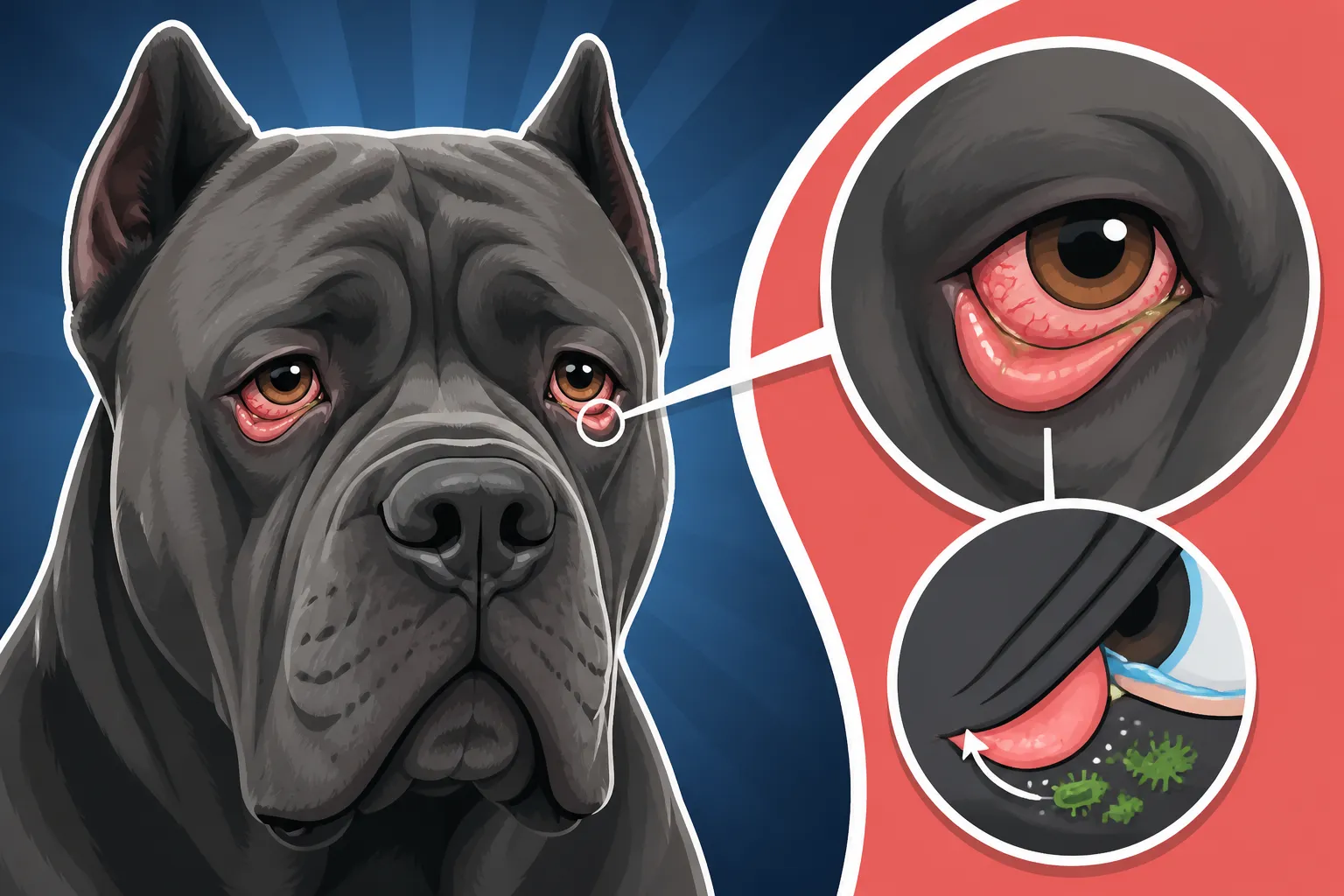
When we talk about "loose lids" in a Cane Corso, we're primarily referring to a condition called ectropion. Unlike the dreaded entropion, where the eyelid rolls inward causing lashes to rub against the cornea, ectropion is the opposite: the eyelid, most often the lower one, sags or rolls outward, exposing the delicate conjunctiva that should be protected. This isn't just a cosmetic issue; it's a fundamental breakdown in the eye's natural defense system.
Cane Corsos, with their distinct Molosser head and facial structure, are unfortunately predisposed to this condition. The breed standard often favors a certain amount of loose skin and a more open eye, which can, in some cases, lead to the development of ectropion. It's a genetic lottery often influenced by selective breeding that sometimes prioritizes appearance over optimal eye health. While a certain degree of laxity might be considered acceptable by some, when it results in constant exposure of the pink conjunctival tissue, it crosses into problematic territory. This exposure means the eyelid can no longer perform its critical job of protecting the eye, distributing the tear film evenly, and sweeping away irritants. Sometimes, you might even see a combination of issues, such as a sagging lower lid that also has an inward-rolling section, creating a truly complex challenge for your dog's ocular health. For a deeper dive into common eye issues, you might find our post on The Loose Eyelids Nearly Every Cane Corso Owner Meets particularly informative.
The Direct Link Between Loose Lids and Chronic Eye Infections
The exposed conjunctiva due to loose eyelids becomes a direct portal for trouble. Imagine leaving a window open in a dusty, windy environment—that’s essentially what’s happening with your Cane Corso’s eye. The protective barrier is compromised, inviting a host of problems that directly lead to chronic infections.
Environmental Debris and Foreign Bodies
With an eyelid that doesn't sit snugly against the eyeball, environmental debris becomes a constant threat. Dust, dirt, pollen, grass seeds, and even tiny insect particles have an easy entry point. Normally, the blinking action and the tear film would wash these irritants away, but with ectropion, they can accumulate in the exposed pocket of the lower lid. This constant irritation isn't just uncomfortable; it creates micro-abrasions on the eye's surface and provides a fertile breeding ground for bacteria to cling to and multiply. Your Cane Corso's trips to the dog park or even just a windy walk in the yard can turn into a battlefield for their eyes, constantly collecting foreign bodies that healthy eyelids would easily deflect.
Disrupted Tear Film Distribution
Beyond physical protection, eyelids play a vital role in maintaining a healthy tear film. This delicate layer of tears lubricates the eye, delivers nutrients, and contains antimicrobial agents. When the lower lid sags, it cannot properly spread the tear film across the entire ocular surface. This leads to dry spots on the cornea and conjunctiva, making the eye more vulnerable. Think of it like a dry riverbed; without a constant flow of water, it becomes cracked and susceptible to damage. These dry areas are less resilient to bacterial invasion and more prone to inflammation. Moreover, the pooling of tears in the sagging pocket can sometimes lead to an overflow, making it seem like your dog is constantly weeping, even though parts of the eye might actually be dry. Understanding Why a Cane Corso's Eyes Run All Day can offer further context to this common symptom.
Bacterial Colonization and Inflammation
The combination of constant irritation, foreign bodies, and a compromised tear film creates an ideal environment for bacteria to flourish. What might start as a mild, transient infection quickly becomes chronic because the underlying cause – the loose eyelid – persists. Common bacteria found on the skin, which are usually harmless, can now easily access the vulnerable eye tissue. This leads to recurring conjunctivitis, characterized by redness, swelling, and discharge. It's a vicious cycle: the inflammation from the infection makes the eye more susceptible, and the loose lid continues to allow irritants and bacteria in, making it incredibly difficult to break free from the cycle without addressing the root cause. This constant inflammation can also exacerbate other issues, leading to further discomfort and potential long-term damage if left untreated.
Recognizing the Signs of Chronic Eye Infections
It’s crucial for Cane Corso owners to become intimately familiar with the subtle and not-so-subtle signs that their dog’s eyes are in distress. Early recognition can make a significant difference in managing the condition and preventing more severe complications. Don't dismiss persistent symptoms as just "the way their eyes are" because of the breed.
Common Symptoms and What They Mean
- Redness of the Conjunctiva: This is often the first and most obvious sign. The normally pale pink lining of the eyelids and whites of the eyes will appear distinctly red or inflamed. This indicates irritation and an active inflammatory response, usually due to bacteria or foreign bodies.
- Ocular Discharge: The type of discharge can vary. Initially, it might be clear and watery, a response to irritation trying to flush things out. As an infection progresses, it can become thicker, mucous-like, yellow, green, or even brown, often crusting around the eyes, especially after sleep. This purulent discharge is a strong indicator of bacterial involvement. You'll likely find yourself frequently Wiping a Cane Corso's Eyes Every Morning to keep them clean.
- Squinting or Excessive Blinking: If your Cane Corso is squinting, partially closing their eye, or blinking much more than usual, it’s a clear sign of pain or discomfort. They're trying to protect their eye from light or further irritation.
- Pawing or Rubbing at the Eyes: An itchy or painful eye will often lead to your dog rubbing their face on furniture, the floor, or pawing at their eyes with their front feet. This behavior can introduce more bacteria and even cause self-inflicted trauma, like corneal abrasions, making the situation worse.
- Swelling Around the Eye: The eyelids themselves or the tissue surrounding the eye might appear puffy or swollen due to inflammation.
- Cloudiness or Changes in Vision (Rare in early stages): While less common with simple ectropion-related conjunctivitis, if left untreated, chronic inflammation can lead to corneal ulcers or scarring, which might cause a hazy appearance to the cornea or even impact vision over time.
When to Seek Veterinary Attention
Any persistent eye symptoms in your Cane Corso warrant a trip to the veterinarian. Do not try to self-diagnose or treat with over-the-counter remedies, as some human eye drops can be harmful to dogs, and masking symptoms can delay proper treatment.
See your vet immediately if you notice:
- Sudden onset of severe redness or discharge.
- Intense pain, squinting, or pawing.
- Any noticeable cloudiness or injury to the eyeball itself.
- A change in the shape or appearance of the eye.
For chronic, recurring issues that don't resolve with standard antibiotic drops, it's particularly important to discuss the possibility of ectropion or other structural issues as the underlying cause. A veterinarian can perform a thorough eye exam, including tests to check tear production, stain the cornea for ulcers, and sometimes even take samples for bacterial culture to determine the most effective antibiotic.
Strategies for Managing and Treating Loose Lids and Infections
Dealing with chronic eye infections caused by loose lids in your Cane Corso requires a multi-faceted approach. It combines diligent home care with professional veterinary intervention, and sometimes, surgical solutions.
Daily Home Care and Hygiene
Consistent at-home care is your first line of defense against infection. This won't cure the ectropion, but it can significantly reduce the frequency and severity of secondary infections.
- Gentle Cleaning: Twice a day, or more if needed, gently wipe around your Cane Corso's eyes with a soft, damp cloth or sterile cotton ball soaked in warm water or a vet-approved saline solution. Focus on removing any discharge, crusts, or visible debris that has collected in the sagging lid. Always wipe away from the eye, towards the nose, using a fresh part of the cloth for each eye to prevent cross-contamination.
- Topical Eye Washes: Your vet might recommend a specific ocular cleansing solution designed for dogs. These can help flush out irritants and keep the eye area clean. Avoid anything with harsh chemicals or perfumes.
- Keeping Hair Trimmed: If your Cane Corso has any longer hair around their eyes, carefully trim it to prevent it from irritating the eye or trapping debris.
- Environmental Control: Minimize exposure to dust, strong winds, and allergens. If your dog spends time outdoors, consider wiping their eyes after coming inside. Air purifiers in the home can also help reduce airborne irritants. Our article on Cleaning a Cane Corso's Ear Without Going Deep similarly emphasizes the importance of regular hygiene for preventing issues.
Veterinary Treatments for Infections
When an infection flares up, your vet will prescribe targeted treatments.
- Antibiotic Eye Drops or Ointments: These are the most common treatments for bacterial conjunctivitis. It's crucial to administer them exactly as prescribed, completing the full course even if symptoms improve quickly. Consistency is key to eradicating the infection. You might find yourself giving your dog Eye Drops Daily for a while.
- Anti-inflammatory Medications: For significant swelling and discomfort, your vet might prescribe anti-inflammatory drops or, in some cases, oral anti-inflammatories to reduce the inflammation and make your dog more comfortable.
- Addressing Underlying Allergies: If environmental allergies are contributing to the irritation, your vet may discuss allergy testing and management strategies, which could include antihistamines or other allergy medications.
Surgical Correction: A Long-Term Solution
For many Cane Corsos with severe ectropion and recurrent infections, surgery is the most effective and sometimes the only long-term solution. The goal of surgery is to tighten the eyelid and restore its normal position, allowing it to protect the eye properly.
- Canthoplasty Procedures: There are various surgical techniques, often falling under the umbrella of canthoplasty, which involves reshaping the eyelids. A common procedure is to remove a small wedge of tissue from the lower lid and then suture the remaining edges together, effectively shortening and tightening the eyelid. This helps the lid sit closer to the eyeball.
- Recovery and Aftercare: Post-surgical care is critical. Your dog will likely wear an E-collar to prevent them from rubbing at the incision site. You'll need to administer prescribed eye drops or ointments and keep the surgical area clean and dry. Recovery typically involves a few weeks of restricted activity and careful monitoring. While surgical correction can be very effective, it's important to discuss all potential outcomes and risks with your veterinary ophthalmologist.
- Financial Considerations: Eyelid surgery, especially with a specialist, can be a significant expense. This is where investing in pet insurance can be a huge relief. Plans from providers like Healthy Paws can cover a substantial portion of these unexpected surgical costs, making it easier to provide your Cane Corso with the best possible care without immense financial strain. Even if you've already had some preliminary treatments, a comprehensive plan from a company like Healthy Paws might help with future, more extensive interventions or follow-up care. Considering Entropion Surgery Prices for a Cane Corso can give you an idea of potential costs, even though ectropion is the focus here.
It's truly frustrating to see your beloved Cane Corso suffer from constant eye irritation. But by understanding the role of loose eyelids and taking proactive steps, both at home and with your veterinarian, you can significantly improve their comfort and quality of life. Whether it’s meticulous daily cleaning, targeted medical treatment, or a permanent surgical solution, there are effective ways to tackle this common breed-specific challenge.
Taking a Proactive Approach to Cane Corso Eye Health
Living with a Cane Corso often means being vigilant about their health, and their eyes are no exception. Proactive measures and understanding the potential for hereditary conditions can save your dog from prolonged discomfort and you from significant heartache and expense.
Regular Vet Check-ups and Early Detection
Routine veterinary examinations are paramount. During these visits, your veterinarian can thoroughly inspect your Cane Corso's eyes and identify any subtle signs of ectropion or other ocular issues before they become severe. Early detection of eyelid laxity allows for discussions about preventative measures or monitoring, and helps you prepare for potential future interventions. If your vet suspects a problem, they might refer you to a veterinary ophthalmologist, a specialist who can provide a more in-depth diagnosis and discuss advanced treatment options. This is also where a pet insurance policy, such as one from Healthy Paws, can be incredibly beneficial. From initial diagnostic tests to specialist consultations, having that financial support allows you to make decisions based on your dog's health needs rather than your wallet.
Dietary Considerations and Supplements
While diet won't correct a structural issue like ectropion, a well-balanced, high-quality diet supports overall immune health, which can help your Cane Corso fight off infections more effectively. Some owners explore supplements like Omega-3 fatty acids, which are known for their anti-inflammatory properties and can support general skin and coat health, potentially reducing the severity of inflammatory responses. However, always consult your veterinarian before adding any supplements to your dog's diet, as excessive or inappropriate supplementation can be detrimental, especially for a large breed like the Cane Corso.
Planning for the Future
If your Cane Corso has been diagnosed with ectropion, it's wise to plan for potential future care. This includes budgeting for routine eye medications, cleaning supplies, and potentially, surgical correction down the line. Understanding the genetic predisposition of the breed to conditions like The Loose Eyelids Nearly Every Cane Corso Owner Meets highlights the importance of thorough research when choosing a puppy. Responsible breeders should be transparent about the health clearances of their breeding stock, including eye certifications from organizations like the Orthopedic Foundation for Animals (OFA) or the Canine Eye Registration Foundation (CERF). While these primarily screen for inherited eye diseases, they can sometimes highlight structural issues.
Taking a comprehensive approach to your Cane Corso's eye health, from daily maintenance to informed veterinary care and potential surgical solutions, ensures that your loyal companion can enjoy clear vision and comfort, free from the persistent annoyance of chronic eye infections.
| Symptom Category | Typical Signs | Immediate Action | Potential Underlying Cause |
|---|---|---|---|
| Redness | Bloodshot whites of eyes, inflamed pink eyelid lining | Vet visit if persistent or severe | Infection, irritation, allergies, ectropion |
| Discharge | Watery, mucousy, yellow, green, or crusty | Gentle cleaning, vet visit for colored/thick discharge | Infection, foreign body, allergies, blocked tear duct |
| Discomfort | Squinting, excessive blinking, pawing at eyes, rubbing | Urgent vet visit if pain is evident | Corneal scratch/ulcer, foreign body, severe inflammation |
| Swelling | Puffy eyelids, swelling around the eye | Vet visit to determine cause | Infection, allergic reaction, trauma |
| Structural Changes | Sagging lower eyelid (ectropion), inward rolling (entropion) | Discuss with vet/ophthalmologist for long-term plan | Genetic predisposition, aging, trauma |
Disclaimer
The information provided in this article is for general informational purposes only and is not intended as a substitute for professional veterinary advice. Always consult with a qualified veterinarian for any health concerns or before making any decisions related to your Cane Corso's care and treatment.