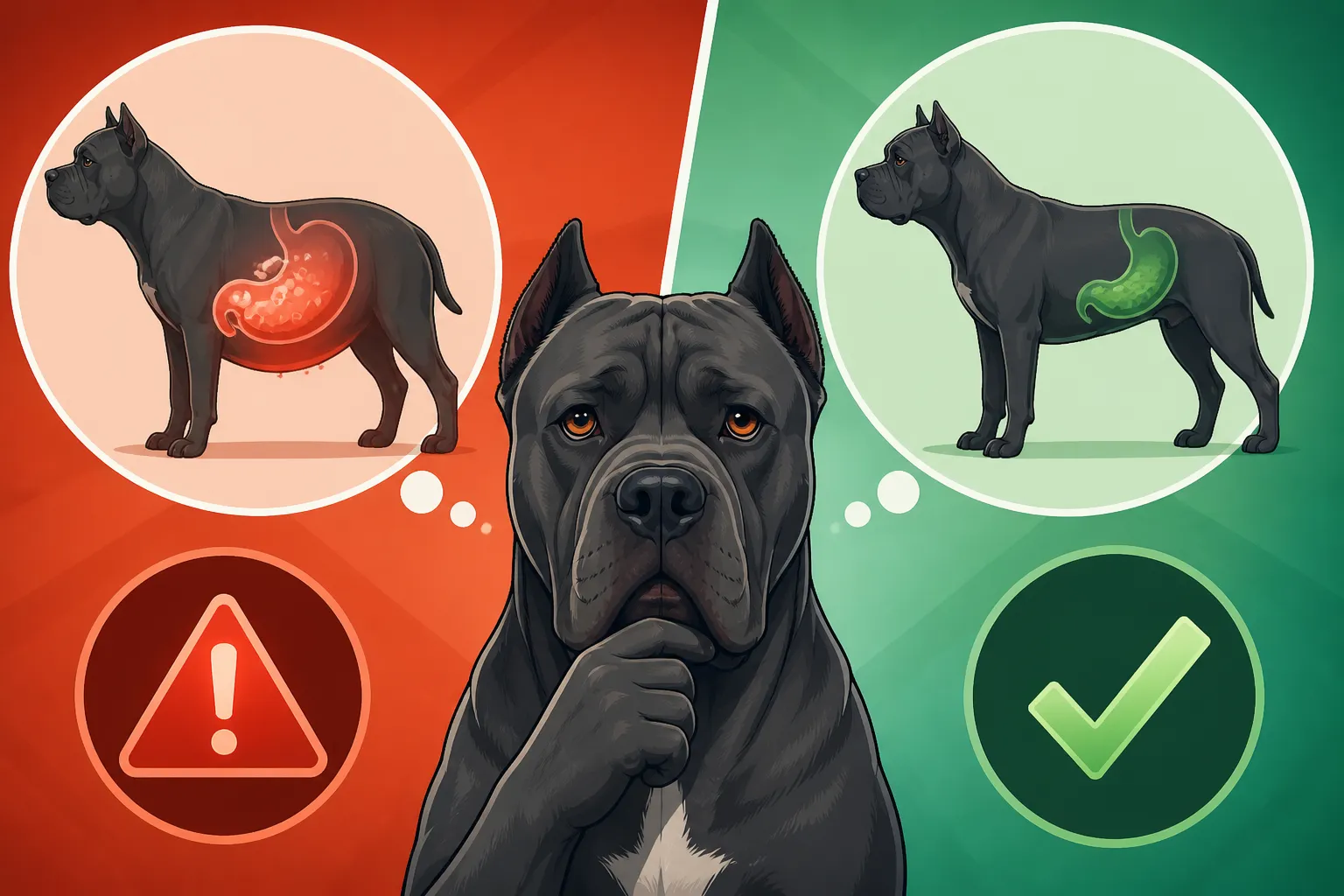
Telling Bloat From a Full Belly in a Cane Corso
Few things strike more fear into the heart of a Cane Corso owner than the thought of bloat. This terrifying condition, medically known as Gastric Dilatation-Volvulus (GDV), can turn a healthy dog into a critical patient in mere hours. The immense stress comes from the tricky reality that early signs of bloat can sometimes look distressingly similar to a perfectly content, full belly after a good meal. It’s a situation that leaves many of us agonizing over every gurgle and subtle change in our big dogs. This guide is here to walk you through the crucial differences, empowering you to tell a happy, full Cane Corso from one that desperately needs emergency medical attention.
The Alarming Reality of Bloat in Cane Corsos
Let’s be honest, the deep, broad chest of a Cane Corso is part of their majestic appearance. But for us owners, it's also a constant reminder of their increased susceptibility to bloat, a condition that can escalate from minor discomfort to a life-threatening emergency with alarming speed. Understanding exactly what GDV is and why it's such a wolf in sheep's clothing in its early stages is the first step to being prepared.
What Exactly is GDV Bloat?
Gastric Dilatation-Volvulus, or GDV, is far more than just an upset stomach. It’s a complex and terrifying condition where a dog's stomach first fills with gas (dilatation) and then twists upon itself (volvulus). When the stomach twists, it essentially cuts off its own blood supply and blocks the exit points to the esophagus and intestines. This trap causes gas, food, and fluid to build up rapidly, leading to agonizing pressure. What makes it so insidious is that the twisted stomach also puts pressure on major blood vessels, interrupting blood flow back to the heart, which can quickly lead to shock, organ damage, and eventually, death if not treated immediately.
Our Cane Corsos, with their impressive size and stature, unfortunately fall into the high-risk category for this condition. Their characteristic deep chest, which contributes to their powerful silhouette, creates a physical predisposition for the stomach to distend and twist more easily. It's a cruel irony that a trait we admire is also a significant health vulnerability. If you've ever heard conversations about "Bloat and What a Cane Corso's Deep Chest Costs," you know the severity of this risk.
Why the Confusion Between Bloat and a Full Belly is So Dangerous
This is where the real anxiety sets in for owners. In its very initial stages, a Cane Corso developing bloat might not show the dramatic, unmistakable symptoms we often associate with it. They might simply seem a bit restless, perhaps pace a little, or appear slightly uncomfortable – behaviors that could easily be mistaken for a dog settling down after a big meal or just being a bit gassy. We’ve all seen our dogs look gloriously content with a distended belly after they’ve polished off their dinner, perhaps followed by a long drink. It’s precisely this overlap in early presentation that makes GDV so terrifyingly deceptive.
The danger lies in the speed of progression. Unlike a simple upset stomach that might resolve on its own, bloat is a medical emergency that does not wait. Those initial subtle signs are your precious window for intervention. Missing them, or dismissing them as a normal post-meal lull, can mean the difference between life and death. The article on "The Hours That Decide a Bloated Cane Corso's Outcome" isn't an exaggeration; timely recognition and veterinary care are paramount. As a responsible Cane Corso owner, you need to arm yourself with the knowledge to differentiate these crucial moments, because your dog is relying on you.
Key Indicators: Full Belly vs. Early Bloat Symptoms
Learning to distinguish between a truly full belly and the subtle, insidious onset of bloat in your Cane Corso is one of the most vital skills you can develop as an owner. It requires a keen eye, an understanding of your dog's normal behavior, and a willingness to act on instinct.
Signs of a Content, Recently Fed Cane Corso
After a satisfying meal, a Cane Corso will typically exhibit a relaxed and comfortable demeanor. Their belly might appear visibly distended, rounded, and full – especially if they've eaten a large quantity or drank a lot of water. This is a normal and healthy sign of digestion. You might notice them:
- Relaxed Posture: They might lie down, stretch out, or settle into a nap. There's no frantic pacing or an inability to get comfortable.
- Normal Breathing: Their breathing will be calm and regular, not rapid or shallow.
- Minor Gas or Burping: A little burp or some flatulence is perfectly normal after eating as their digestive system gets to work.
- Interest in Their Surroundings: They might still be aware of what's happening around them, perhaps giving you a sleepy look or responding to your voice, even if they're settling in for a snooze.
- Audible Gurgles: You might hear some normal digestive sounds or gurgles from their stomach, which is a sign of healthy gut motility.
- Soft Abdomen: While full, their abdomen won't feel rock-hard or taut to the touch. It will still have some give.
Think of your own feeling after a big holiday meal – a bit stuffed, maybe sleepy, but definitely not in pain or distressed. That's the vibe you're looking for.
The Subtle Yet Critical Clues of Early Bloat
This is where the distinction becomes incredibly important and often anxiety-inducing. Early bloat symptoms can be incredibly subtle, making them easy to dismiss if you’re not vigilant. The key is to look for a combination of these signs, and to trust your gut feeling if something just seems "off." The article "The First Sign a Cane Corso Is Bloating" details many of these points.
Here’s what to look for when you suspect more than just a full belly:
- Restlessness and Discomfort: This is often one of the earliest and most telling signs. Your Cane Corso might pace, try to lie down but then immediately stand up again, or constantly shift positions. They are trying to get comfortable but can't.
- Unproductive Retching/Dry Heaves: This is a hallmark symptom. Your dog will try to vomit, making retching sounds, but nothing (or very little, just foamy saliva) actually comes up. This is because the twisted stomach prevents anything from leaving. It's truly heartbreaking to watch.
- Excessive Drooling: Often accompanies nausea and discomfort.
- Abdominal Distension: While a full belly is distended, a bloated belly will start to become noticeably firm, tight, and distended. It might feel drum-like when gently tapped. This distension can happen incredibly quickly, sometimes within minutes.
- Pain or Tenderness: Your dog might whimper, groan, or show signs of pain when you gently touch their abdomen. They might resist being touched there at all.
- Rapid, Shallow Breathing: Due to the pressure on their diaphragm, breathing can become labored and quick.
- Anxiety/Panicked Expression: Their eyes might appear wide, and they may seem genuinely worried or scared, reflecting their internal distress.
It’s about more than just the size of the belly; it's about the behavior that accompanies it. If your Cane Corso isn't just full but seems genuinely uncomfortable, distressed, or is attempting to vomit without success, don't wait.
To help you quickly compare, here's a table summarizing the key differences:
| Symptom / Behavior | Full Belly | Early Bloat (GDV) |
|---|---|---|
| Abdominal Appearance | Rounded, slightly distended, soft to touch | Swollen, firm, taut, sometimes drum-like |
| Behavior | Relaxed, sleepy, content, may nap | Restless, pacing, inability to get comfortable, anxious |
| Vomiting/Retching | May occasionally burp or pass gas | Repeated, unproductive retching/dry heaves |
| Breathing | Calm, normal | Rapid, shallow, possibly labored |
| Pain/Discomfort | None, generally content | Visible signs of discomfort, whining, sensitive abdomen |
| Drooling | Normal | Excessive drooling |
| Response to Touch | Tolerant, no sign of pain | May guard abdomen, whimper, or show pain |
When to Panic (and Act Fast): Advanced Bloat & Emergency Care
It's natural to want to avoid overreacting, but with bloat, hesitation can be fatal. If you see even a few of the symptoms listed for early bloat, it's time to consider it an emergency. When the signs progress beyond subtle discomfort, it means the clock is ticking even faster.
Irreversible Signs That Demand Immediate Veterinary Attention
If you've moved past the "is it or isn't it?" stage and your Cane Corso is exhibiting advanced signs, you no longer have a moment to spare. These symptoms indicate the condition has likely progressed significantly and your dog is in a critical state:
- Severe Abdominal Distension: The belly becomes visibly huge, tight, and hard, like a drum. It will often appear asymmetrical, with one side more distended than the other.
- Collapse or Extreme Weakness: Your dog may be unable to stand, or struggle immensely to do so. They might fall over or simply lie motionless, unable to respond.
- Rapid, Shallow Breathing or Gasping: The pressure on the diaphragm makes breathing incredibly difficult, leading to panting, gasping, or even choking sounds.
- Pale Gums: A sign of shock and poor blood circulation. Check their gums – they should be pink and return to color quickly when pressed. If they're pale or blueish, it's an emergency.
- Elevated Heart Rate: Their heart will be racing as their body tries to compensate for the lack of oxygen and blood flow.
- Cold Extremities: Their ears and paws might feel cold to the touch due to poor circulation.
- Complete Loss of Consciousness: In the most severe cases, your dog may pass out.
At this stage, you are no longer trying to determine if it's bloat; you are in a race against time. This is not a "wait and see" situation. Your Cane Corso needs immediate, aggressive emergency medical intervention. Do not try home remedies, do not try to make them vomit, and do not waste time calling friends for advice. Get in the car and go.
The Critical Role of Your Veterinarian and Emergency Protocol
When you're dealing with suspected bloat, your veterinarian is your dog's best and only hope. As soon as you suspect GDV, call your emergency vet clinic while you're on your way. This gives them a heads-up and allows them to prepare for your arrival, potentially saving crucial minutes. They will likely instruct you to come in immediately.
Upon arrival, the veterinary team will perform a rapid assessment. This usually involves:
- Diagnosis: X-rays are taken to confirm the stomach's position and degree of twisting.
- Stabilization: They will work to stabilize your dog, often involving intravenous fluids for shock, pain medication, and potentially administering medication to reduce gas in the stomach.
- Decompression: In some cases, a tube might be passed down the esophagus into the stomach to relieve gas pressure. If the stomach is twisted, this may not be possible, and a large needle may be used to carefully decompress the stomach from the outside.
- Surgery (Gastropexy): The definitive treatment for GDV is emergency surgery. During this procedure, the stomach is untwisted and then permanently tacked to the abdominal wall (a gastropexy). This "tacking" prevents future volvulus (twisting), though it does not prevent the stomach from dilating with gas.
The cost of such an emergency can be substantial, often running into several thousands of dollars due to the complexity of the surgery, aftercare, and potential complications. This is where investing in pet insurance, like a comprehensive plan from Healthy Paws, can make a monumental difference. Knowing that a significant portion of "What It Costs When a Cane Corso's Stomach Turns" will be covered can allow you to make critical decisions based on your dog's health, rather than your wallet, in a moment of crisis. Many owners also consider a preventive gastropexy, often done during spay/neuter surgery, to significantly reduce the risk of future twisting. Discussions around "Whether a Cane Corso Should Have a Preventive Gastropexy" are common, and for good reason, as it can be a literal lifesaver, especially when you consider "Booking a Cane Corso's Stomach Tack With Its Neuter."
Proactive Measures to Minimize Risk
While you can never completely eliminate the risk of bloat in a deep-chested breed like the Cane Corso, there are definitely steps you can take to significantly reduce their susceptibility. These measures focus on smart feeding practices and consistent vigilance in their overall well-being.
Smart Feeding Practices for a Deep-Chested Breed
How and when your Cane Corso eats can have a substantial impact on their bloat risk. We want to avoid situations that encourage rapid eating, air ingestion, or excessive activity around meals. Here are some key strategies:
- Smaller, More Frequent Meals: Instead of one large meal, split your Cane Corso's daily food ration into two or three smaller meals throughout the day. This reduces the amount of food and gas in the stomach at any one time, lessening the chances of overwhelming the digestive system.
- Slow Down Eating: If your Cane Corso is a speedy eater, consider using slow-feeder bowls or puzzle feeders. These ingenious devices force them to eat more slowly, reducing the amount of air they gulp down with their food. You can also spread kibble out on a baking sheet or use enrichment toys that dispense food slowly.
- Limit Exercise Around Mealtime: This is crucial. Avoid strenuous exercise for at least an hour before and, critically, for two to three hours after eating. Intense activity with a full stomach can increase the risk of bloat. This is a key point often discussed in "The Mealtime Habits That Turn a Cane Corso's Stomach." A calm resting period is ideal.
- Water Access and Intake: Ensure your Cane Corso always has access to fresh water, but try to avoid them gulping down large quantities immediately after eating, especially if they have just exercised. If they are prone to excessive post-meal drinking, you might offer smaller amounts more frequently.
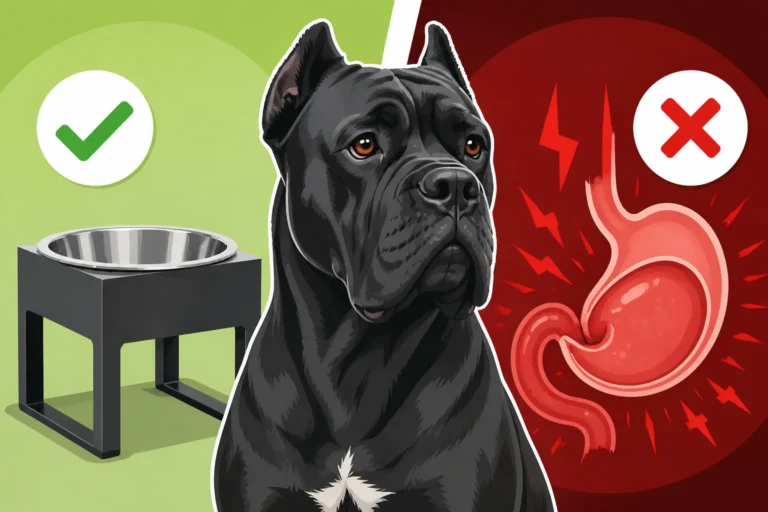
- Reconsider Raised Bowls: Contrary to old advice, some studies actually suggest that raised food bowls may increase the risk of bloat in large and giant breeds. It’s a topic that sparks much debate, but generally, feeding from ground level is now recommended for high-risk breeds. This goes against what many of us were taught, but new research on "Raised Bowls and a Cane Corso's Bloat Risk" indicates it's a factor to consider.
General Wellness and Vigilance
Beyond feeding habits, maintaining your Cane Corso's general health and being keenly observant are your best lines of defense.
- Regular Vet Check-ups: Consistent veterinary care ensures your dog is healthy overall. Your vet can discuss specific bloat prevention strategies with you and monitor any underlying conditions.
- Know Your Dog's "Normal": Spend time observing your Cane Corso. Understand their typical eating habits, post-meal behavior, energy levels, and even the subtle quirks of their personality. The better you know what's normal for your dog, the faster you'll spot when something is truly off.
- Minimize Stress: While not fully proven as a direct cause, stress can affect gut motility and overall health, so maintaining a calm, predictable environment for your Cane Corso is always beneficial.
- Consider a Preventive Gastropexy: As mentioned, this surgical procedure tacks the stomach to the abdominal wall, preventing it from twisting. It's not a guarantee against bloat (the stomach can still fill with gas), but it dramatically reduces the life-threatening volvulus aspect. Discuss this option with your vet, especially if your Cane Corso is undergoing another abdominal surgery like a spay or neuter.
- Be Prepared for Emergencies: Have the phone number and address of your nearest 24-hour emergency veterinary clinic prominently displayed. Know the fastest route there. And as we've discussed, consider pet insurance from a reputable provider like Healthy Paws. Having a financial safety net in place allows you to focus solely on your Cane Corso's well-being during an emergency without the added stress of overwhelming vet bills. Being prepared financially and logistically can make all the difference in those critical moments.
Ultimately, being a Cane Corso owner means being exceptionally proactive about their health. By understanding the nuances between a full belly and the first signs of bloat, and by implementing preventive measures, you are giving your magnificent companion the best possible chance at a long, healthy life.
Disclaimer
This article is for general informational purposes only and does not constitute professional advice. Laws, prices and regulations vary by location and change over time. Consult a qualified professional for guidance on your specific situation.