Bone Cancer in a Cane Corso’s Front Leg
It’s a heartbreaking moment for any Cane Corso owner when that familiar, confident stride gives way to a subtle limp, especially in one of their powerful front legs. You watch them, hoping it’s just a sprain from too much enthusiasm, a pulled muscle, or perhaps just a touch of arthritis setting in as they age. But sometimes, that persistent limp, that swelling that just won't go down, points to something far more serious: bone cancer, specifically osteosarcoma. This guide is here to walk you through understanding this devastating diagnosis, what it means for your beloved companion, and the paths available to you.
Understanding Osteosarcoma: The Silent Threat in a Cane Corso's Limp
When we talk about bone cancer in dogs, especially large and giant breeds like the Cane Corso, osteosarcoma is the most common and aggressive primary bone tumor we encounter. It doesn't just appear out of nowhere; it's an insidious disease that can start small and then rapidly take hold, often causing immense pain and distress for our stoic companions.
Why Front Legs are Particularly Vulnerable
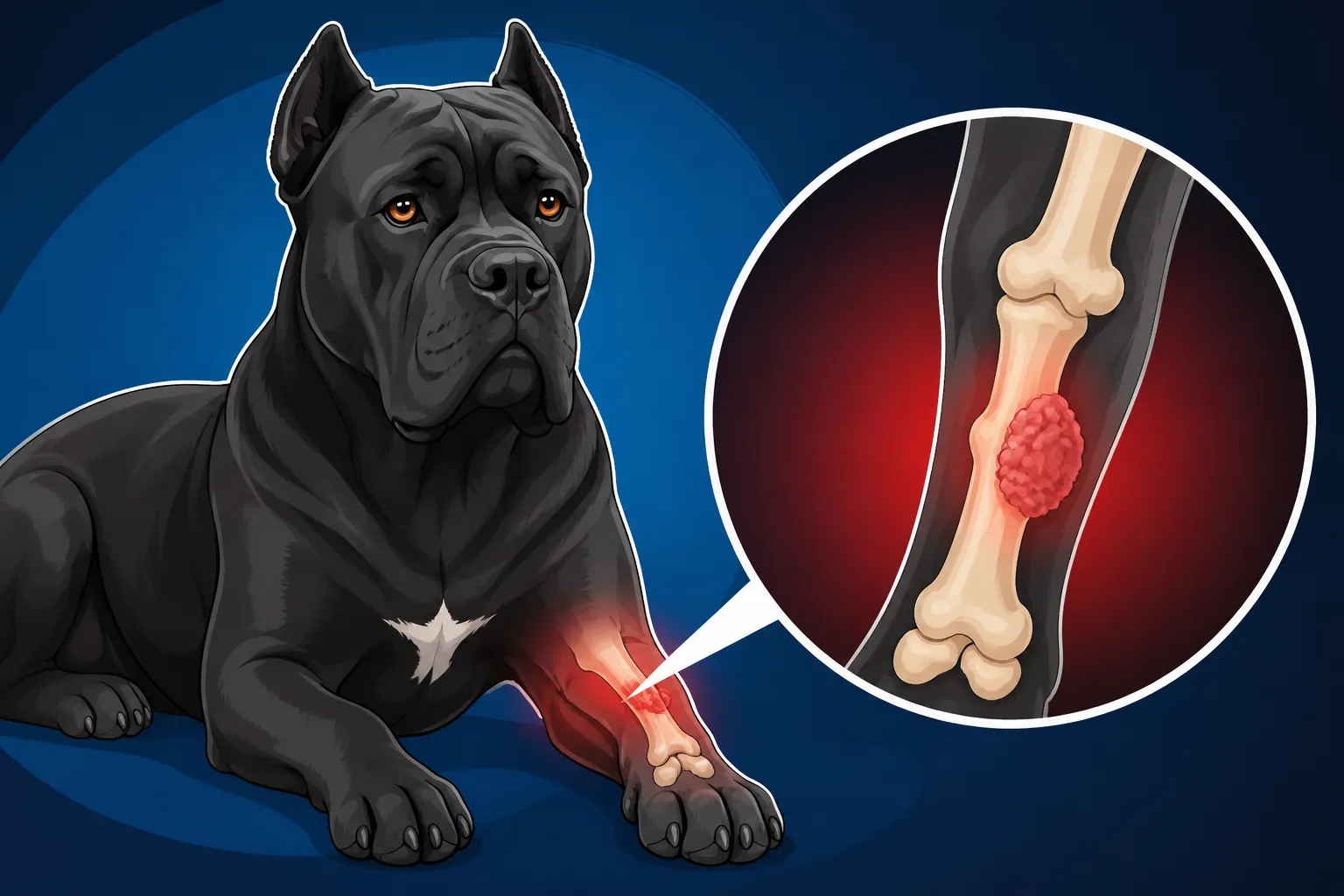
It might seem unfair, but the front legs of large breeds bear a significant amount of their body weight, and unfortunately, this seems to make them prime targets for osteosarcoma. The most common sites for this aggressive cancer are the "away from the elbow and towards the knee" areas, specifically the distal radius (the long bone just above the wrist) and the proximal humerus (the bone closer to the shoulder). Think of it this way: these are the areas that experience high impact and stress throughout a dog's life.
Cane Corsos, with their substantial bone structure and impressive weight, put immense strain on these joints with every step, every run, and every jump. While the exact cause of osteosarcoma isn't fully understood, factors like rapid growth, microtraumas, and genetic predispositions in large breeds are thought to play a role. It’s particularly cruel that this cancer often strikes middle-aged to older dogs, typically between 7 and 10 years old, though it can sometimes appear earlier or later. Just when you expect your Cane Corso to be settling into their prime or enjoying their golden years, this aggressive tumor can emerge, quickly impacting their ability to move and enjoy life.
The Insidious Progression of Bone Cancer Symptoms
One of the most frustrating aspects of osteosarcoma is its subtle onset, which can easily be mistaken for other, less severe conditions. You might first notice your Cane Corso developing an intermittent limp, particularly after strenuous activity or after resting. Initially, it might even seem to improve with rest or over-the-counter pain relief, lulling you into a false sense of security. You might think, "Oh, it's just a little arthritis," or "They probably twisted it playing too hard."
As the tumor grows, however, the pain becomes more constant and severe. The limp will worsen, becoming persistent, and your Cane Corso may start to favor the affected leg, even refusing to put weight on it at all. Swelling, often firm and painful to the touch, will typically develop around the tumor site. This swelling can sometimes be quite dramatic, visibly changing the contour of the leg. Beyond the obvious physical signs, you might also observe changes in their behavior: increased lethargy, reluctance to play or go for walks, difficulty getting up or lying down, loss of appetite, and even aggression due to chronic pain. It's a heavy burden to watch your once vibrant companion struggling, and it highlights why knowing the subtle cues and acting quickly is so vital. Catching these early signs is crucial, as waiting can mean the cancer has progressed, making treatment more challenging.
Getting a Definitive Diagnosis: The Road from Suspect to Certainty
When you notice a persistent limp or swelling in your Cane Corso's front leg, your heart sinks. The internet might offer a dizzying array of possibilities, but the only way to truly know what you're facing is through a thorough veterinary examination. This process can be emotionally taxing, but it's a necessary journey to provide your dog with the best possible care.
Initial Veterinary Examination and Radiographs
The first step usually involves a visit to your veterinarian. They’ll perform a comprehensive physical exam, which includes palpating the affected leg, assessing the range of motion, and evaluating your Cane Corso’s lameness. They’ll watch how your dog walks, identifying which leg is causing the most discomfort and how severely it's affecting their gait. If a painful swelling is present, especially on one of those common osteosarcoma sites, the vet’s suspicion will naturally rise.
The next, and arguably most telling, step is radiographs, or X-rays, of the affected limb. While X-rays cannot definitively diagnose cancer without a biopsy, they can provide a highly suggestive picture. Your vet will be looking for specific patterns on the bone:
- Lytic lesions: Areas where the bone appears to be eaten away or destroyed by the tumor.
- Proliferative bone growth: New, abnormal bone formation, sometimes described as a "sunburst pattern" or "moth-eaten" appearance.
- Periosteal reaction: Changes in the outer layer of the bone, indicating irritation or tumor activity.
These changes, when present in characteristic locations, are often highly indicative of osteosarcoma. However, other conditions, like severe bone infections (osteomyelitis) or even certain fungal diseases, can sometimes mimic these radiographic signs. This is why a presumptive diagnosis based solely on X-rays often leads to the next critical step. When a limping Cane Corso needs an X-Ray, it's not just about confirming a sprain, but ruling out the worst.
The Crucial Role of Biopsy and Further Staging
While X-rays can point a strong finger, a definitive diagnosis of osteosarcoma requires a biopsy. This is the only way to confirm the presence of cancerous cells and distinguish it from other conditions. There are generally two types of biopsies:
- Needle biopsy: This involves using a large-gauge needle to collect a core sample of the bone. It's less invasive but can sometimes yield inconclusive results due to the patchy nature of the tumor.
- Surgical biopsy: This involves surgically removing a small piece of the bone for examination. It’s more invasive but often provides a more reliable sample.
Regardless of the method, the tissue sample is then sent to a veterinary pathologist who examines it under a microscope to confirm the diagnosis. Once osteosarcoma is confirmed, the next crucial step is "staging." Osteosarcoma is notoriously aggressive and has a high propensity to metastasize, or spread, to other parts of the body, even before the primary tumor is obvious. The most common site for metastasis is the lungs.
Staging typically involves:
- Chest X-rays: Usually three views (left lateral, right lateral, and ventrodorsal) to thoroughly check for any visible tumor nodules in the lungs.
- Abdominal ultrasound: To check for any signs of spread to internal organs, though less common than lung metastasis.
- Blood work: A complete blood count and biochemistry panel will be performed to assess your Cane Corso's overall health, kidney and liver function, and to check for any signs of anemia or inflammation, all of which are vital for planning any treatment.
This comprehensive staging helps your veterinary team understand the extent of the disease and provides a more accurate prognosis, guiding the discussion about available treatment options. It's a lot to process, and clinics like those affiliated with veterinary oncology centers, such as those often recommended by pet insurance providers like Healthy Paws, are well-equipped to guide you through this complex process.
Navigating Treatment Options and Prognosis for Your Cane Corso
Receiving a diagnosis of osteosarcoma is devastating. The weight of decisions about your Cane Corso's future can feel immense. It’s important to remember that you're not alone, and there are options to consider, each with its own set of considerations for your beloved companion’s quality of life.
Amputation: A Difficult but Often Necessary Choice
For many Cane Corso owners, the thought of amputating a limb from their strong, active dog is incredibly distressing. It's a deeply emotional decision, and it’s completely normal to feel overwhelmed, sad, or even guilty. However, in most cases of osteosarcoma in the limb, amputation is often recommended as the primary means to eliminate the source of the immense pain caused by the tumor. The pain relief for your dog can be almost immediate and profound.
Many owners worry about how a large dog like a Cane Corso will cope on three legs. The truth is, dogs are incredibly resilient and adapt far better than we often expect. While there will be an adjustment period, most Cane Corsos learn to get around remarkably well. Their powerful hindquarters are often strong enough to compensate, and specialized orthopedic beds or ramps can help them navigate their environment. Some dogs can even be fitted with custom prosthetics, although their utility for highly active large breeds can vary. The focus after amputation shifts to managing their recovery and ensuring they remain comfortable and happy. Remember, this surgery isn't about saving a limb; it's about saving a life and dramatically improving their quality of life by removing a source of relentless pain.
Chemotherapy and Palliative Care
While amputation removes the primary tumor, osteosarcoma is a systemic disease. By the time it’s diagnosed, microscopic cells have often already spread to other parts of the body, particularly the lungs. This is where chemotherapy comes in. Chemotherapy after amputation is crucial for delaying or preventing the visible spread of these microscopic cells. It can significantly extend your Cane Corso’s life expectancy and improve their quality of life. Common chemotherapy drugs used for osteosarcoma include carboplatin and doxorubicin, often administered intravenously in a series of sessions.
Unlike human chemotherapy, the goal in veterinary oncology is typically palliation – improving comfort and extending quality life – rather than a complete cure. Side effects are generally milder in dogs, though some may experience temporary gastrointestinal upset or a dip in energy. Your veterinary oncologist will carefully monitor your Cane Corso throughout treatment.
For those owners who cannot or choose not to pursue amputation, palliative care becomes the focus. This involves managing the pain and discomfort caused by the tumor to ensure the best possible quality of life for as long as possible. Palliative options include:
- Pain medication: A combination of non-steroidal anti-inflammatory drugs (NSAIDs), gabapentin, tramadol, and sometimes stronger opioids can be used.
- Radiation therapy: Localized radiation can be used to target the tumor directly, aiming to shrink it and reduce pain, without removing the limb. It doesn't cure the cancer but can offer significant pain relief for several months.
- Bisphosphonates: Drugs like pamidronate can help strengthen the bone, reduce pain, and slow bone destruction.
It's a tough conversation to have, balancing aggressive treatment with quality of life, but your veterinary team will help you weigh the pros and cons of each path for your unique Cane Corso. Considering the high costs associated with these advanced treatments, many owners find peace of mind knowing they have pet insurance like Healthy Paws to help cover a significant portion of these expenses, allowing them to focus on their dog's care rather than the financial strain.
Prognosis and Quality of Life Considerations
The prognosis for a Cane Corso with osteosarcoma varies depending on the stage of the cancer, the chosen treatment, and individual response.
- Without treatment: Sadly, a Cane Corso with osteosarcoma who receives no treatment beyond pain management typically has a prognosis of 1 to 3 months, primarily due to uncontrolled pain and potential pathological fractures of the weakened bone.
- Amputation alone: With amputation but no chemotherapy, the median survival time is typically around 4-6 months, as metastasis will eventually become clinically apparent.
- Amputation with chemotherapy: This is the gold standard for extending survival, often yielding median survival times of 10-12 months, with some dogs living significantly longer.
| Treatment Option | Primary Goal | Average Survival Time (Median) | Considerations |
|---|---|---|---|
| No Treatment (Pain Mgt.) | Comfort until disease progression | 1-3 months | High risk of pathological fracture; severe, escalating pain. |
| Amputation Alone | Immediate pain relief; removes primary tumor | 4-6 months | Excellent for pain; metastasis will likely occur. Dogs adapt well. |
| Amputation + Chemotherapy | Pain relief; delays metastasis; extends life | 10-12 months (or more) | Best prognosis for longevity and quality of life; potential chemo side effects. |
| Palliative Radiation | Localized pain relief; slows tumor growth | 3-6 months (pain relief) | No cure; maintains limb but eventual progression. Often combined with pain meds. |
Ultimately, the goal is always to maximize your Cane Corso's quality of life. This means ensuring they are comfortable, can enjoy their favorite activities, and maintain a good appetite and positive demeanor for as long as possible. When considering what changes in a Cane Corso after its eighth birthday, increased risk of conditions like osteosarcoma is definitely one. This is why discussions about prognosis also involve tough conversations about when to say goodbye, a decision that every owner dreads but must face with realism and compassion. You want to give them every good day you can, knowing that love and comfort are paramount in their final chapters. For guidance on this difficult topic, resources like "Saying Goodbye to a Hundred Pound Cane Corso" can offer support.
Proactive Steps and Support for Cane Corso Owners
Dealing with bone cancer in your Cane Corso is an incredibly challenging journey, but there are ways to prepare, support your dog, and support yourself through it. Being proactive and informed can make a world of difference.
Recognizing Early Warning Signs and Regular Vet Checks
As we've discussed, osteosarcoma often starts subtly. This is why you, as your Cane Corso's most observant advocate, are their first line of defense. Pay close attention to any changes in their gait, activity level, or demeanor. An intermittent limp, especially one that doesn't resolve with a few days of rest, or any new swelling on a limb, warrants immediate veterinary attention. Don't dismiss it as just "getting old" or a minor injury, particularly if your Cane Corso is over the age of five or six.
Regular veterinary check-ups are also non-negotiable, especially as your Cane Corso ages. These routine visits allow your vet to establish a baseline of health for your dog and catch any subtle changes that you might miss. During these exams, discuss any concerns, even minor ones. A thorough physical exam can sometimes detect early signs, and if suspicion arises, further diagnostics can be initiated swiftly. Knowing what a Cane Corso CHIC Number actually certifies can also help you understand the importance of health clearances in breeding, which aim to reduce the incidence of many breed-specific health issues, though osteosarcoma can still occur.
Financial and Emotional Support
Let's be brutally honest: diagnosing and treating bone cancer in a giant breed dog like a Cane Corso is expensive. Radiographs, biopsies, staging X-rays, potential amputation surgery, chemotherapy, pain management medications, and follow-up care can quickly add up to thousands, if not tens of thousands, of dollars. It’s a harsh reality that can put immense strain on a family already grappling with their beloved pet's illness. This is where pet insurance can be an absolute lifesaver. Providers like Healthy Paws offer comprehensive plans that can cover a significant portion of these unexpected veterinary bills, allowing you to make treatment decisions based on what’s best for your Cane Corso, rather than what you can afford. Starting cover the week a Cane Corso puppy arrives is ideal, as it ensures there are no pre-existing conditions when difficult diagnoses like bone cancer arise. Thinking about "The Credit Line a Cane Corso Owner Should Arrange" might be a harsh truth, but it's a vital part of being prepared.
Beyond the financial aspect, the emotional toll of this diagnosis is profound. Watching your strong, protective Cane Corso decline due to a painful disease is heartbreaking. It's okay to feel overwhelmed, sad, angry, or even helpless. Seek support from your veterinary team, who often have resources for grief counseling or support groups. Connecting with other Cane Corso owners who have navigated similar challenges can also provide comfort and valuable insights. Remember, you're doing your best for your loyal companion, and that love is the most powerful medicine of all. The article "The Surgeries Every Cane Corso Owner Should Budget For" also touches on the financial preparation for unexpected medical events.
Disclaimer
The information provided in this article is for educational and informational purposes only, and does not constitute veterinary advice. Always consult with a qualified veterinarian for any health concerns or before making any decisions about your pet's medical care.