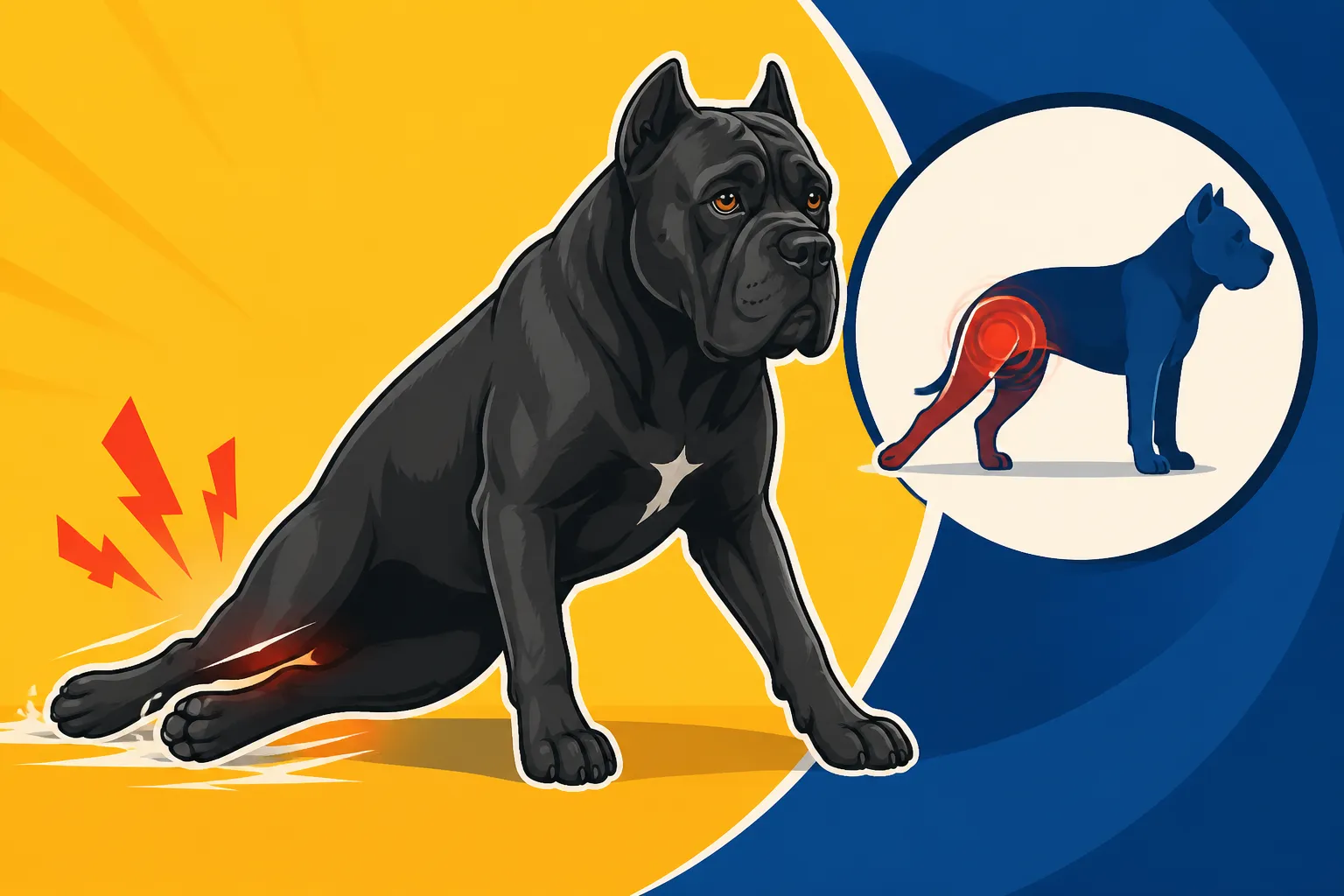
When a Cane Corso Starts Dragging Its Back Feet
Seeing your magnificent Cane Corso struggle, especially when they start dragging their back feet, can be incredibly distressing and frankly, terrifying. It’s a sudden, stark reminder that even these powerful, resilient dogs are susceptible to serious health challenges. This guide is here to walk you through the various reasons this might be happening, what signs to look for, and how you can work with your vet to give your beloved companion the best possible care and comfort.
Understanding Why Your Cane Corso Might Be Dragging Its Back Feet
When a Cane Corso begins to drag its back feet, it's often a sign of underlying issues affecting their musculoskeletal or neurological systems. Given their large size and genetic predispositions, these issues can unfortunately be quite common. It's not something to dismiss or hope will simply go away on its own. The sooner you understand what might be happening, the quicker you can get a diagnosis and start a treatment plan that truly helps.
Common Orthopedic Issues
Orthopedic problems are a frequent culprit behind hindlimb weakness and dragging in large breeds like the Cane Corso. Their rapid growth and significant weight put immense stress on their joints, often leading to degenerative conditions.
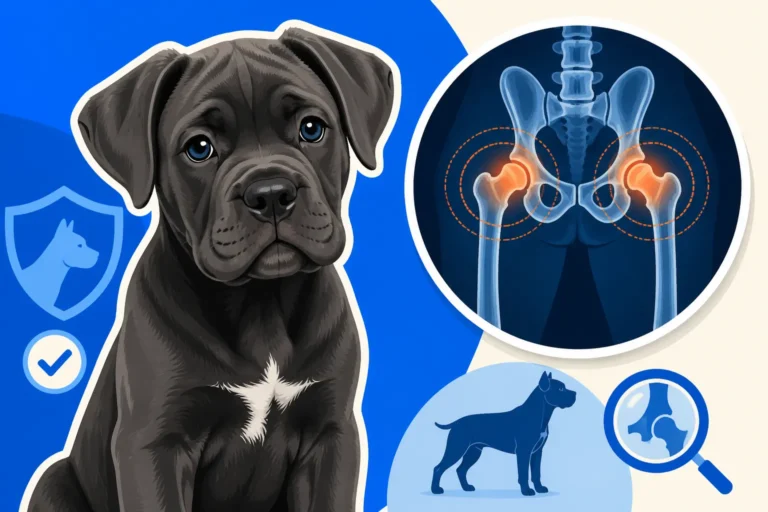
One of the most widely recognized issues is Hip Dysplasia in a Fast Growing Cane Corso. This inherited condition involves an improperly formed hip joint, where the ball and socket don't fit together snugly. Instead of sliding smoothly, they grind, leading to pain, lameness, and eventual arthritis. When a Cane Corso is severely dysplastic, they might try to compensate by shifting weight forward, leading to an awkward gait that presents as dragging the hind feet. You might notice them "bunny hopping" or having trouble climbing stairs or getting into the car. The chronic pain can cause muscle weakness, making it harder for them to lift their back paws completely, resulting in that tell-tale scuffing sound. Early intervention and management are key, often involving pain medication, joint supplements, and sometimes even surgery.
While less directly tied to dragging back feet, problems in the front end, like Elbow Dysplasia and a Cane Corso's Front End, can also indirectly affect gait by causing a dog to shift their balance and distribute weight unevenly. This can cascade down to how they use their hind legs. Moreover, injuries like a torn cranial cruciate ligament (CCL), often compared to an ACL tear in humans, can cause sudden or progressive lameness in one hind leg. This can lead to a dog favoring that leg, and if both CCLs are affected, the struggle to support their weight can manifest as a shuffling or dragging motion. Imagine trying to walk with a constantly giving-out knee – it's incredibly difficult and painful, forcing them to drag their limb rather than lift it properly.
Neurological Conditions to Consider
Beyond orthopedic woes, neurological conditions can play a significant role in hindlimb weakness. These are often more insidious, slowly progressing and affecting the communication between the brain and the limbs.
Perhaps one of the most heartbreaking diagnoses for a Cane Corso owner is Degenerative Myelopathy (DM). This progressive disease affects the spinal cord, leading to hindlimb weakness and paralysis. It's often compared to ALS in humans. DM typically starts subtly, with a slight ataxia (uncoordinated gait) in one or both hind legs, which can quickly progress to scuffing feet, difficulty getting up, and eventually the full dragging of the hind limbs. The frustrating part is that DM is not painful, so your dog might not show overt signs of discomfort, making it even harder to reconcile with their declining mobility. A definitive diagnosis often involves ruling out other conditions and can be supported by genetic testing, though a confirmed diagnosis is typically post-mortem. However, DNA tests are available to identify if your Cane Corso is at risk or a carrier of the gene associated with DM, providing valuable information for breeders and owners.
Another condition to be aware of is Wobbler Syndrome, officially known as Cervical Spondylomyelopathy. While typically associated with issues in the neck causing a "wobbly" gait in all four limbs, severe compression in the cervical spine can impact nerve signals to the hind limbs, leading to weakness and dragging. You might notice your Cane Corso struggling with coordination in both the front and back, but the hind end often appears more dramatically affected due to the larger nerves running through that region. Similarly, Ruptured Discs in a Heavy Cane Corso (Intervertebral Disc Disease or IVDD) can cause significant neurological deficits. When a disc in the spine ruptures or bulges, it presses on the spinal cord, causing pain and neurological dysfunction. Depending on where the rupture occurs, it can lead to hindlimb weakness, paralysis, and even loss of bladder or bowel control. The onset can be sudden and dramatic, requiring immediate veterinary attention.
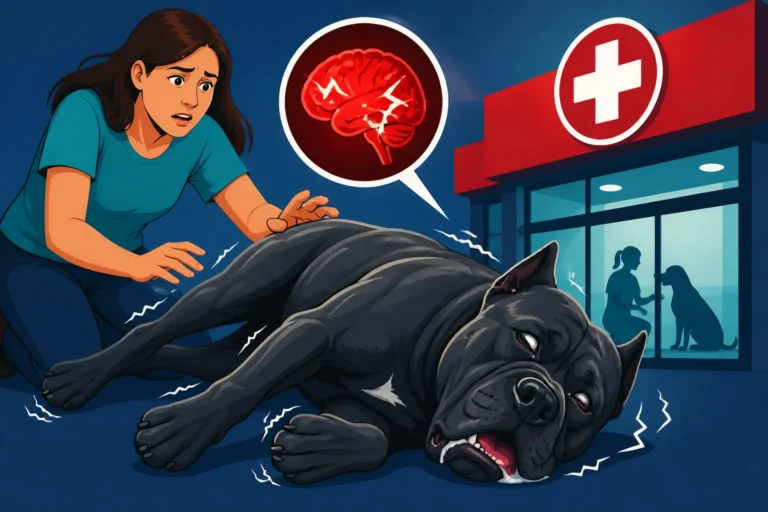
Fibrocartilaginous Embolism (FCE), often called a "spinal stroke," is another sudden neurological event. This occurs when a small piece of fibrous cartilage blocks a blood vessel in the spinal cord, leading to a sudden onset of weakness or paralysis, typically in one or more limbs. Unlike DM, FCE often has a very acute, non-painful onset. Your Cane Corso might suddenly collapse or start dragging a limb, but without any signs of pain. The severity and recovery depend on the location and extent of the blockage.
Other Potential Causes
While orthopedic and neurological issues are primary concerns, other factors can also lead to a Cane Corso dragging its back feet. These might be less common but are equally important to consider and rule out during a veterinary examination.
Injuries or trauma, even seemingly minor ones, can profoundly impact a large dog's ability to walk normally. A deep cut on a paw pad, a fractured toe that goes unnoticed, or a sprain in the hock (ankle) joint could make your Cane Corso reluctant to bear weight fully, leading to dragging. Imagine stepping on a sharp object; you'd certainly adjust your gait. For a powerful dog like a Cane Corso, avoiding pain might mean not lifting the limb fully, especially if it's uncomfortable. Something as simple as a deeply embedded thorn or a torn nail could be the culprit, causing them to gingerly walk and scuff their foot.
Less common but still possible are tumors or cancers affecting the spine or limbs. Osteosarcoma, a common and aggressive bone cancer in large breeds, can cause severe pain and lameness, potentially leading to a dog dragging its affected limb. Spinal tumors, either benign or malignant, can compress the spinal cord or nerves, mimicking the symptoms of IVDD or DM. These can be difficult to diagnose without advanced imaging but are crucial to identify for appropriate treatment. Systemic diseases or severe nutritional deficiencies, although rare in well-cared-for dogs, could also potentially contribute to muscle weakness and gait abnormalities. For instance, extreme vitamin deficiencies could impact nerve function or muscle strength, though this is far less likely than the more common orthopedic or neurological causes.
The Alarming Signs and How to Recognize Them
It’s easy to dismiss early signs as just "getting old" or a momentary stumble, especially with a breed as robust as the Cane Corso. However, these dogs are masters at hiding pain and discomfort, so subtle changes in their movement and behavior are often the only clues we get. Paying close attention to these nuances can make a world of difference in early diagnosis and management.
Subtle Changes in Gait and Behavior
The first thing you might notice isn't necessarily a full-blown drag, but rather a slight change in how your Cane Corso moves. Perhaps they're scuffing their nails on walks, especially on rougher surfaces, or you're hearing a slight shhhk sound as they walk that wasn't there before. Take a look at their paw pads and nails – if one or more hind paw nails are worn down significantly more than the others, particularly on the top or front, it's a strong indicator that they are not lifting their foot cleanly. This uneven wear is a classic sign of hindlimb proprioceptive deficits, meaning they don't know exactly where their feet are in space.
Beyond the scuffing, observe their overall mobility. Are they having [[Difficulty Standing Up, Climbing Stairs, or Jumping]] onto the sofa or into the car? These activities require a strong, coordinated effort from their hindquarters. A dog that struggles to rise from a lying position, pushes off with obvious effort, or hesitates at stairs is telling you something is wrong. They might also appear more reluctant to play, skip their usual zoomies, or seem generally lethargic. You might also start to notice a loss of muscle mass in their hindquarters; the powerful, sculpted muscles of their thighs might begin to look thinner or softer. This muscle atrophy can be a sign that they're not using those muscles effectively, either due to pain, nerve damage, or a combination. Sometimes, their tail carriage might change, or they might appear slightly off-balance when standing still, swaying subtly.
When to Seek Veterinary Attention Immediately
While many cases of hindlimb weakness develop gradually, there are critical signs that warrant an emergency trip to the vet. These often indicate a severe neurological event or acute injury that requires immediate intervention to prevent permanent damage.
If your Cane Corso suddenly collapses, experiences complete paralysis of one or both hind limbs, or seems unable to move their back legs at all, do not delay. This could be indicative of a severe spinal cord injury, a ruptured disc, or an FCE, all of which require prompt medical attention. The outcome can often depend on how quickly treatment is initiated. Similarly, any signs of intense pain, such as whimpering, yelping, guarding their back, or aggressive reactions when touched, especially if accompanied by mobility loss, should trigger an immediate vet visit. Acute pain suggests a painful injury or sudden inflammation, which could be worsening rapidly.
Perhaps one of the most serious and alarming signs is the loss of bladder or bowel control. If your previously house-trained Cane Corso suddenly starts having accidents, particularly if they seem unaware they're doing it, it's a huge red flag for a severe neurological issue affecting the nerves that control these functions. This often points to significant spinal cord compression and is considered a medical emergency. While incredibly unsettling, it’s crucial to understand these signs and act swiftly. Remember, these are not just minor inconveniences; they are distress signals from your dog's body that something is critically wrong.
Diagnosing the Cause of Hindlimb Weakness
When your Cane Corso starts dragging its back feet, the diagnostic journey can feel overwhelming. You'll likely encounter a mix of general and specialized tests, all designed to pinpoint the exact cause of their discomfort and mobility issues. The goal is to get a clear picture so a targeted treatment plan can be developed.
The Comprehensive Veterinary Exam
Your first step, and the most crucial, is a thorough veterinary examination. Your vet will start with a general physical, checking vital signs and overall health. But when it comes to hindlimb dragging, they'll perform a detailed neurological and orthopedic exam. During the neurological exam, your vet will assess your Cane Corso's proprioception (their awareness of their limb position in space) by flipping their paw over and seeing how quickly they correct it. They'll test reflexes in the hind limbs, look for signs of pain on spinal palpation, and assess muscle tone and symmetry. They might check for "withdrawal reflexes," seeing if your dog pulls their leg back when a toe is pinched, which helps indicate nerve function.
An orthopedic exam will involve palpating the joints, specifically the hips, knees, and hocks. The vet will gently manipulate these joints, checking their range of motion, listening for crepitus (grinding sounds), and feeling for instability or swelling. They’ll also carefully assess for any signs of pain. For example, if your vet suspects Hip Dysplasia in a Fast Growing Cane Corso, they’ll try to elicit pain or instability in the hip joint. A critical component of this initial exam is gait analysis. Your vet will observe your Cane Corso walking, trotting, and turning on different surfaces. They'll watch for subtle lameness, asymmetry in movement, and the characteristic scuffing or dragging of the feet. They might ask you to take videos of your dog at home, as dogs often behave differently in the vet's office.
Advanced Diagnostics and Imaging
Once the initial exam points to a potential area of concern, your vet will likely recommend advanced diagnostics to confirm the diagnosis and determine the severity. X-rays are usually the first line of imaging. They can reveal bone abnormalities, degenerative joint disease, fractures, and spinal alignment issues. For instance, X-rays are essential for evaluating The Age a Cane Corso Can Be Hip Scored and confirming hip dysplasia or signs of arthritis in the spine or other joints. However, X-rays don't show soft tissues like spinal cords, nerves, or intervertebral discs clearly.
For a more detailed view of the spinal cord and surrounding soft tissues, an MRI (Magnetic Resonance Imaging) or CT (Computed Tomography) scan is often necessary. These imaging techniques provide cross-sectional images that can reveal disc herniations, spinal cord compression, tumors, inflammation, or other neurological lesions that X-rays simply can't capture. If your vet suspects Wobbler Syndrome in a Cane Corso's Neck or a ruptured disc causing significant nerve compression, an MRI is usually the gold standard. A myelogram, which involves injecting a contrast dye into the spinal canal before X-rays or a CT, can also highlight areas of spinal cord compression, especially if an MRI isn't available.
Beyond imaging, blood work can help rule out systemic infections, inflammatory conditions, or metabolic diseases that might indirectly contribute to weakness. In cases where Degenerative Myelopathy is suspected, genetic testing can be performed using a simple cheek swab. While it doesn't definitively diagnose DM (that requires post-mortem examination), it can identify if your Cane Corso carries the gene mutations associated with the disease, helping to support a clinical diagnosis when other causes have been ruled out. This comprehensive approach ensures that no stone is left unturned in finding the precise reason for your Cane Corso's hindlimb struggles.
Management and Support for Your Cane Corso
Once you have a diagnosis, the focus shifts to management and support. This journey often involves a combination of medical treatments, lifestyle adjustments, and a whole lot of love and patience. It's about maximizing comfort, preserving mobility, and maintaining a good quality of life for your cherished companion.
Treatment Options Based on Diagnosis
The treatment plan will, of course, be entirely dependent on the underlying cause. For orthopedic issues like hip dysplasia or arthritis, conservative management is often the first approach. This includes pain relief medication (NSAIDs or other analgesics), anti-inflammatory drugs, and sometimes Whether a Cane Corso Benefits From Joint Supplements like glucosamine and chondroitin. These supplements can help support joint health and reduce inflammation. In more severe cases of hip dysplasia or significant arthritis, surgical interventions might be considered, such as Hip Replacement Surgery on a Cane Corso or a femoral head osteotomy, to alleviate pain and restore function.
For neurological conditions, the approach varies significantly. For acute issues like a severe IVDD rupture, emergency surgery might be necessary to decompress the spinal cord and relieve pressure. Post-surgical care is intensive and often involves weeks or months of strict crate rest and rehabilitation. In the case of FCE, there’s no specific surgical treatment, and management focuses on supportive care, pain management, and physical therapy to encourage nerve recovery. For progressive diseases like Degenerative Myelopathy, where there is no cure, treatment centers on supportive care, slowing progression (if possible), and maintaining quality of life. This usually involves medication to manage secondary pain or inflammation, along with a robust physical therapy regimen.
Physical therapy and rehabilitation are crucial components for almost any condition causing hindlimb weakness. This can include hydrotherapy (underwater treadmill), therapeutic exercises to build muscle strength and coordination, massage, acupuncture, and laser therapy. These modalities can significantly improve comfort, mobility, and overall well-being, whether used alone or in conjunction with medication or surgery. For example, a dog recovering from Cruciate Tears in a Hundred Pound Cane Corso will greatly benefit from structured physical therapy to regain strength and stability.
Adapting Your Home Environment
Living with a Cane Corso who has hindlimb weakness means making some thoughtful adjustments to your home. These changes aren't just about convenience; they're about preventing further injury, reducing strain, and improving your dog's confidence and independence.
Start by addressing slippery surfaces. Hardwood floors, tile, and linoleum can be treacherous for a dog with wobbly or weak hind legs. Consider runners, non-slip mats, or even doggy socks with grippy bottoms. Ramps are invaluable for helping your Cane Corso get into and out of vehicles, or for navigating stairs, reducing the strain on their joints and minimizing the risk of falls. An orthopedic bed, specifically designed to support the joints and spine, is an absolute must. These beds distribute weight evenly, reducing pressure points and offering maximum comfort, especially important for an older dog or one with chronic pain. Harnesses specifically designed for hindlimb support, like a Help 'Em Up Harness, can be life-changing. They allow you to safely assist your Cane Corso with standing, walking, and navigating obstacles, making daily life easier for both of you. This can be particularly helpful for tasks like Helping an Old Cane Corso Off the Floor.
It's also important to adapt their enrichment. While vigorous exercise might be out, mental stimulation is still vital. Puzzle toys, scent work, and gentle, controlled walks (where appropriate) can keep their minds active and prevent boredom, which can lead to other behavioral issues. Understand their new limits and celebrate small victories. Ensuring they can comfortably reach their food and water bowls without straining is also important. Raised bowls can be helpful for deep-chested breeds, but ensure they don't exacerbate any spinal issues.
Financial Considerations and Pet Insurance
Let's be real, dealing with a Cane Corso's health issues, especially those requiring advanced diagnostics or ongoing treatment, can be incredibly expensive. The diagnostic workup alone for hindlimb weakness, including X-rays, bloodwork, and potentially an MRI or CT scan, can easily run into thousands of dollars. Then you have the cost of medication, physical therapy, and potentially surgery, which can add up to tens of thousands over the lifetime of the condition. Many owners face the heartbreaking choice between their dog's well-being and their financial stability.
This is where pet insurance can be a genuine lifesaver. Companies like Healthy Paws offer comprehensive plans that can cover a significant portion of these unexpected veterinary expenses. For instance, if your Cane Corso requires Hip Replacement Surgery on a Cane Corso or a complex spinal surgery, the costs can be astronomical. A good pet insurance policy could reimburse you for 80-90% of those eligible costs after your deductible, making these life-changing treatments financially feasible. Imagine the relief of knowing you can make medical decisions based on what’s best for your dog, rather than what you can afford out-of-pocket.
When looking at pet insurance, it’s crucial to understand what’s covered, especially for a breed prone to specific conditions. Policies like those from Healthy Paws often cover accidents, illnesses, surgeries, emergency care, and even some rehabilitation therapies. However, pre-existing conditions are typically excluded, so it's best to enroll your Cane Corso as early as possible, ideally when they are a puppy. Even for older dogs, having coverage for new conditions that develop later can provide immense peace of mind. Without insurance, managing a condition like severe arthritis or a progressive neurological disease can create a huge financial strain, making it difficult to afford the long-term medications and therapies needed to keep your Cane Corso comfortable and mobile. Planning ahead with a robust insurance policy can truly bridge the gap between necessary care and overwhelming vet bills.
Understanding Common Causes of Hindlimb Weakness in Cane Corsos
When your Cane Corso starts dragging their back feet, it’s a terrifying experience. Understanding the common culprits can help you communicate with your vet and advocate for the right diagnostic steps.
| Condition | Primary Symptoms | Typical Onset Age | Primary Diagnostic Methods | Prognosis |
|---|---|---|---|---|
| Hip Dysplasia | Difficulty rising, "bunny hopping," reluctance to jump/climb stairs, lameness, scuffing hind feet, muscle atrophy in hindquarters. Pain often present. | Puppy to Adult (6 months+) | X-rays (OFA/PennHIP), Physical Exam | Manageable with medication, supplements, PT; surgery possible. Can lead to chronic arthritis. |
| Degenerative Myelopathy (DM) | Progressive hindlimb weakness, uncoordinated gait (ataxia), scuffing feet (especially dorsal paw), eventually paralysis. NO pain. Loss of proprioception. | Middle-aged to Senior (5-14 yrs) | Neurological Exam, MRI (rule out), DNA Test (supportive) | Progressive, no cure. Supportive care, mobility aids. |
| Intervertebral Disc Disease (IVDD) | Sudden or gradual pain, weakness, uncoordinated gait, paralysis, +/- loss of bladder/bowel control. Can be severe and acute. | Adult (2-8 yrs) | Neurological Exam, X-rays, Myelogram, MRI/CT Scan | Varies based on severity and location; surgery often needed for severe cases, rest for mild. |
| Osteoarthritis | Stiffness, lameness, difficulty with movement, reduced activity, pain, sometimes scuffing due to reduced joint flexion. | Middle-aged to Senior (6+ yrs) | Physical Exam, X-rays | Manageable with pain meds, supplements, PT, weight management. Progressive but can be slowed. |
| Wobbler Syndrome (Cervical Spondylomyelopathy) | Uncoordinated, "wobbly" gait (often affects all four limbs, but hindlimbs can be more severe), neck pain, reluctance to move head. | Young Adult to Adult (2-8 yrs) | Neurological Exam, X-rays, MRI/CT Scan | Can be managed conservatively or surgically. Varies based on severity of compression. |
| Fibrocartilaginous Embolism (FCE) | Sudden onset of non-painful weakness or paralysis in one or more limbs, often asymmetrical. Often occurs after strenuous activity. | Any age (typically active dogs) | Neurological Exam, MRI (rule out other causes) | Prognosis is generally good with supportive care and PT; recovery can be partial or complete over weeks/months. |
Remember, this table provides general information. Every Cane Corso is an individual, and a proper veterinary diagnosis is always necessary. Don't hesitate to seek a second opinion if you feel it's necessary for your peace of mind or your dog's health.
Navigating the Challenges of an Aging Cane Corso
As our Cane Corsos transition into their senior years, new challenges often emerge, and hindlimb weakness can be one of the most prominent. It's not just about a single disease anymore; it's often a combination of age-related changes that collectively impact their mobility. Understanding these shifts and preparing for them can make their golden years much more comfortable.
Recognizing Age-Related Mobility Decline
Just like humans, What Changes in a Cane Corso After Its Eighth Birthday involves a gradual slowing down. This isn't just about speed; it's about overall agility and joint health. Many senior Cane Corsos will develop osteoarthritis, a degenerative joint disease that causes pain and stiffness. This can be particularly prevalent in their hips and spine, leading directly to reduced flexion and extension of their hind legs, manifesting as a drag or shuffle. You might notice they're stiff after resting, take longer to get up, or are less enthusiastic about their usual walk. This stiffness can then lead to further muscle weakness because they're simply not using their muscles as much to avoid pain. It's a cruel cycle where pain leads to inactivity, and inactivity leads to more weakness and pain.
Beyond joint issues, some older Cane Corsos might experience general neurological decline, not necessarily DM, but a general slowing of nerve impulses. This can contribute to a loss of proprioception, making them less aware of where their feet are placed. You might see them trip over their own feet more often or struggle with uneven terrain. Their reflexes might be slower, and their balance might not be what it once was. This makes tasks like navigating stairs or getting on and off furniture increasingly difficult. It's a natural progression of aging, but it's important not to dismiss it as "just old age" without a vet check, as there might be treatable components or ways to improve their comfort.
Supporting a Senior Cane Corso's Mobility
The good news is that there's a lot we can do to support our aging Cane Corsos and improve their quality of life. Regular, gentle exercise is still vital for maintaining muscle mass and joint flexibility, but it needs to be adapted to their capabilities. Short, frequent walks on soft surfaces are usually better than one long, strenuous outing. How Far an Old Cane Corso Should Still Walk will depend entirely on their individual condition and pain levels. The goal is to keep them moving without causing pain or exhaustion.
Weight management becomes even more critical in their senior years. Every extra pound puts additional stress on already compromised joints. The Weight an Old Cane Corso Should Hold should be on the leaner side of healthy, with ribs easily felt but not seen. Your vet can help you determine an ideal weight and diet plan. Adjustments around the house, as mentioned earlier, become even more important. Providing Flooring That Stops an Old Cane Corso Slipping, ramps for beds and cars, and easily accessible food and water bowls can make a huge difference. Orthopedic beds are no longer a luxury but a necessity for painful joints. If your senior Cane Corso is struggling significantly, investing in a good quality rear support harness can make assisting them much easier, both for them and for your back.
Medication, such as NSAIDs, nerve pain medications, or disease-modifying osteoarthritis drugs, often becomes a regular part of a senior Cane Corso's regimen. Supplements like omega-3 fatty acids, glucosamine, and chondroitin can also play a supportive role in managing inflammation and supporting joint health. Physical therapy and acupuncture can also be incredibly beneficial for alleviating pain and improving mobility, sometimes even more so than medication alone. It's about combining various approaches to create a holistic support system that helps your old friend navigate their later years with as much comfort and dignity as possible.
Disclaimer
The information provided in this article is for general informational purposes only and is not a substitute for professional veterinary advice. Always consult with a qualified veterinarian for any health concerns or before making any decisions related to your pet's health and treatment.