Hip Replacement Surgery on a Cane Corso
It's absolutely heartbreaking to watch your powerful, majestic Cane Corso struggle with every step, the joy slowly draining from their eyes because of constant hip pain. You know they're suffering, and the idea of surgery, especially something as major as hip replacement, can feel overwhelming and scary. But for many dedicated Cane Corso owners, it becomes a path to restoring their beloved companion's quality of life. This guide is here to walk you through everything you need to know about hip replacement surgery for your Cane Corso, helping you understand the process, recovery, and what life looks like afterward.
Understanding the Severity of Hip Dysplasia in Cane Corsos
Hip dysplasia is one of those frustrating realities for owners of large and giant breeds, and our Cane Corsos are unfortunately no exception. It’s a condition that can steal their mobility and comfort far too soon, leaving us feeling helpless as we watch them decline. Knowing what you're up against is the first step in tackling this challenging health issue head-on.
The Silent Battle of Canine Hip Dysplasia
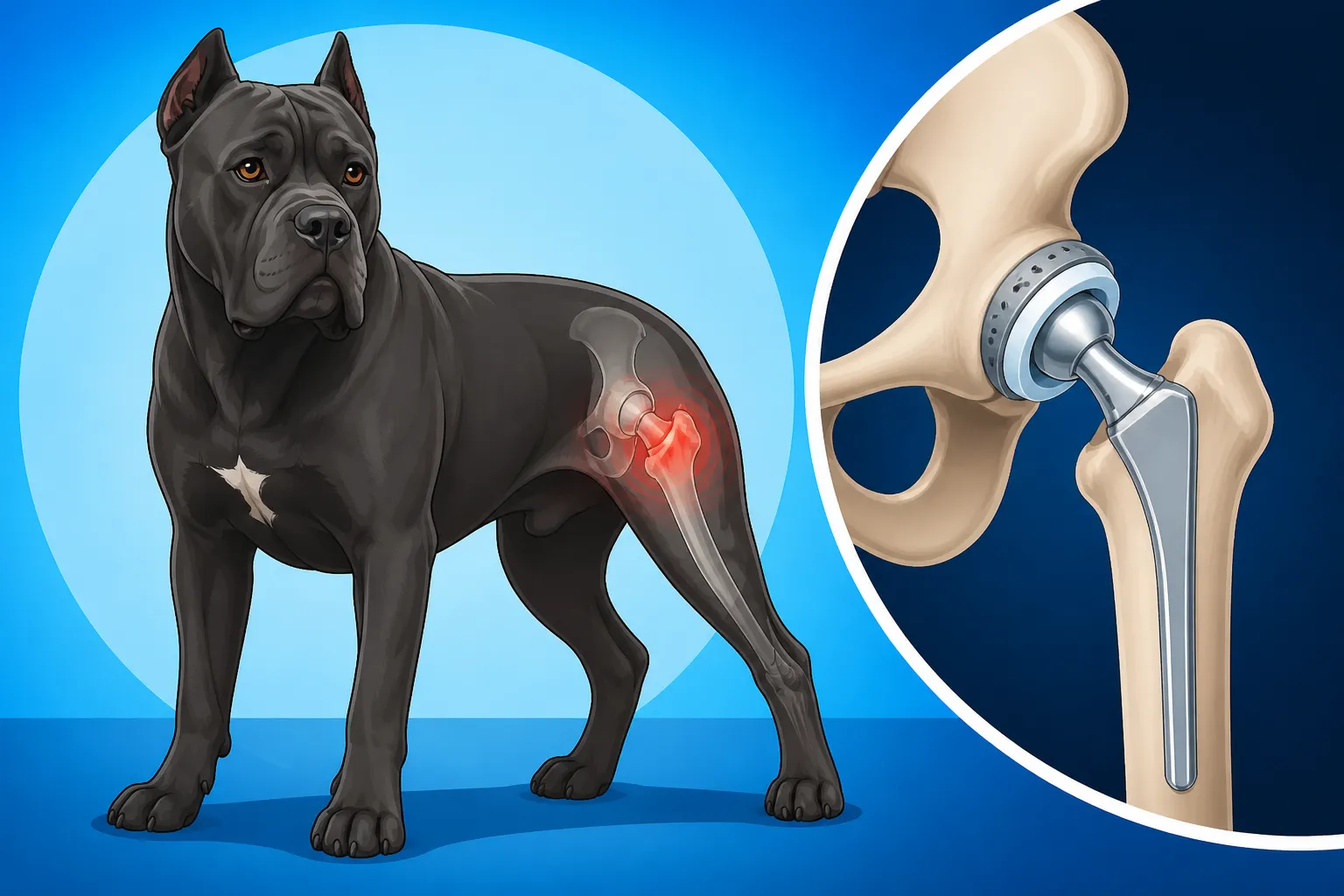
At its core, hip dysplasia is a genetic condition where the ball and socket joint of the hip doesn't form correctly. Instead of fitting snugly, the joint becomes loose, and the bones grind against each other. Over time, this abnormal wear and tear leads to painful degenerative joint disease, or osteoarthritis. For a robust breed like the Cane Corso, with their impressive size and rapid growth, this can be particularly devastating. You might start noticing subtle changes at first: a slight limp after exercise, a reluctance to jump into the car, or a more subdued demeanor. Owners often describe a "bunny hop" gait, where both back legs move together as if the dog is trying to minimize stress on their hips.
It's a silent battle because often, our stoic Cane Corsos will try to hide their pain for as long as possible. They’re bred to be tough guardians, and that instinct can sometimes make it harder to detect the early signs. You might feel a pang of guilt wondering if you missed something, but the truth is, it’s a progressive condition that can be tricky to spot until it’s quite advanced. Imagine seeing your once powerful dog, who used to bound through the yard, now hesitating to even stand up. It’s a tough reality, and it underscores why understanding this condition is so vital.
Diagnosing Advanced Hip Issues
When you suspect your Cane Corso is dealing with hip issues, the journey begins with a thorough veterinary examination. Your vet will perform a physical exam, which often includes manipulating the hips to check for laxity, pain, and range of motion. They’ll also look for signs of muscle atrophy in the hindquarters, which is a common indicator that your dog is favoring certain muscles or avoiding using their full leg strength.
However, the definitive diagnosis comes from radiographs, or X-rays. These images allow your veterinarian to visualize the hip joints and assess the degree of dysplasia and secondary osteoarthritis. Many Cane Corso owners are familiar with the concepts of OFA (Orthopedic Foundation for Animals) and PennHIP screenings, which are used to evaluate hip health, especially in breeding dogs. If you're seeing Signs a Cane Corso's Hips Are Starting to Go, your vet will likely recommend a detailed X-ray to understand the extent of the problem. This is a critical step, as it helps determine the severity and guides the discussion about potential treatments. You might feel a mix of dread and relief waiting for these results, as they provide clarity on a painful situation. If you had your Cane Corso's hips scored as a puppy, you might be revisiting those old records and comparing them with current findings, wondering how things progressed. Understanding Reading a Cane Corso's Hip Grade Against the CHIC List can offer context, though a new, painful presentation requires fresh imaging.
When Hip Replacement Becomes the Right Choice
Deciding on hip replacement surgery for your Cane Corso is never an easy choice. It's a significant commitment, both emotionally and financially. But for dogs suffering from severe, debilitating hip dysplasia, it can be a true game-changer, offering a path to a pain-free life that conservative treatments simply can’t achieve.
Exhausting Conservative Management Options
Before jumping to surgery, most owners, in consultation with their vets, will explore various conservative management strategies. These approaches aim to reduce pain and inflammation, maintain muscle mass, and improve comfort without invasive procedures. This often includes carefully controlled exercise routines, ensuring your Cane Corso remains active without overstressing their joints. Dietary management is also paramount; keeping your Cane Corso at a lean, healthy weight is crucial, as What Extra Weight Does to a Cane Corso's Hips can exacerbate pain and progression.
Joint supplements containing ingredients like glucosamine, chondroitin, and MSM can be beneficial, and many owners swear by them for improving joint lubrication and reducing inflammation. We’ve even got a whole guide on Whether a Cane Corso Benefits From Joint Supplements if you want to dive deeper into that. Pain medications, such as non-steroidal anti-inflammatory drugs (NSAIDs) like Rimadyl or Galliprant, are frequently prescribed to manage discomfort. Your vet might also suggest other analgesics or even injections like Adequan. Physical therapy, including hydrotherapy or targeted exercises, can help strengthen supporting muscles and improve mobility. The challenge is, for some Cane Corsos with severe dysplasia, these methods eventually reach their limit. You try everything, you see fleeting improvements, but the underlying structural problem remains, and the pain always creeps back. It's an emotionally taxing period, trying to manage their pain day in and day out.
Candidates for Total Hip Replacement
So, when does hip replacement enter the conversation? Typically, it's considered when conservative treatments are no longer effective in managing severe, debilitating pain, and your Cane Corso's quality of life is significantly impacted. Dogs who are otherwise healthy, without major systemic illnesses, and who have a good temperament for rehabilitation are generally the best candidates. Age is a factor, but not always a strict barrier; generally, mature adults are preferred, but a younger dog with severe, early-onset hip dysplasia might also be considered.
Often, owners wonder if both hips need replacing. This is called bilateral hip replacement. While some dogs might need both hips done, many see significant improvement and adequate pain relief from just one hip replacement, especially if one hip is much worse than the other. The decision to proceed with a total hip replacement (THR) is a highly individualized one, made in close consultation with a board-certified veterinary orthopedic surgeon. They’ll evaluate your dog’s specific condition, overall health, and your family's capacity for the demanding recovery period. Waiting too long can sometimes make the surgery more complex due to muscle atrophy and further joint deterioration, so early consultation once conservative options are failing is key.
Financial Realities and Planning for Surgery
Let’s be honest: hip replacement surgery for a Cane Corso is a major financial undertaking. We're talking thousands of dollars per hip, and that doesn't even fully cover the extensive diagnostics, post-operative care, medications, and weeks, if not months, of physical therapy and rehabilitation. It’s a cost that can feel truly overwhelming, and it's a valid concern for any dedicated owner.
This is where having a robust pet insurance policy can make a world of difference. Companies like Healthy Paws are well-known for their comprehensive coverage, which can often ease the financial burden of such critical procedures. If you've been diligent about insuring your Cane Corso early, before any signs of hip dysplasia were apparent (as pre-existing conditions are typically excluded), a policy from a provider like Healthy Paws could cover a significant portion of these costs. Even if you don't have insurance, it's essential to budget thoroughly. Some owners opt for veterinary credit lines like CareCredit, while others have dedicated savings specifically for their pet's emergency medical needs. Discussing the full cost breakdown with your surgeon's office, from initial consultations and X-rays to the surgery itself, hospitalization, and projected rehab, is crucial. Knowing what to expect financially allows you to make informed decisions without added stress. Many owners find that investing in a good insurance plan, like those offered by Healthy Paws, allows them to focus on their dog's recovery rather than the daunting vet bills, truly making life-changing surgery accessible.
Navigating the Hip Replacement Surgery Journey
Once you've made the brave decision to move forward with hip replacement, the next phase is the surgical journey itself. This isn't a quick fix, but a carefully orchestrated process involving specialized veterinary professionals and a significant commitment from you, the owner.
The Procedure Itself
Total hip replacement surgery for a Cane Corso is performed by a board-certified veterinary orthopedic surgeon, a specialist with extensive training in these complex procedures. It's not a surgery that your general veterinarian would typically perform. During the procedure, the surgeon replaces the diseased femoral head (the "ball" part of the joint) and the acetabulum (the "socket" part) with prosthetic components made of medical-grade metal and plastic. These implants are designed to mimic the natural joint, allowing for smooth, pain-free movement.
Given the size and musculature of a Cane Corso, this surgery is lengthy and technically demanding. Your dog will be under general anesthesia for several hours. Anesthesia for a deep-chested breed like a Cane Corso always carries a slightly higher risk, so the veterinary team will conduct thorough pre-surgical screenings to ensure your dog is as healthy as possible and to tailor the anesthetic protocol specifically for them. You'll likely feel a surge of anxiety the morning of the surgery, handing your big companion over, but rest assured, they are in expert hands. The goal is to provide a fully functional, pain-free joint that will last for the rest of their life.
The Intensive Recovery Period
Let’s be absolutely clear: the recovery period after Cane Corso hip replacement surgery is intensive, demanding, and requires unwavering dedication from the owner. This is not a "send them home and let them heal" situation. Immediately after surgery, your Cane Corso will need strict confinement for several weeks. This usually means a large crate or a small, enclosed space, with very limited, controlled leash walks only for potty breaks. Jumping, running, and playing are strictly forbidden to allow the new joint to heal and integrate without risk of luxation (dislocation).
Pain management is paramount during this time, and your vet will prescribe a regimen of pain medications to keep your Cane Corso comfortable. Physical therapy and rehabilitation are not optional; they are a non-negotiable component of a successful recovery. This might involve passive range of motion exercises, gentle massage, controlled walks on an underwater treadmill, and specific exercises to rebuild muscle strength. You'll often be given exercises to do at home, which can feel challenging when managing a large, sometimes reluctant, dog. Practical aids like a lifting harness or sling can be incredibly helpful for assisting your Cane Corso off the floor, especially in the initial weeks, echoing the need for assistance you might offer when Helping an Old Cane Corso Off the Floor. This phase requires patience, consistency, and a vigilant eye, but every step you take brings your Cane Corso closer to a life free from pain.
Potential Complications and What to Watch For
While total hip replacement has a high success rate, it's important to be aware of potential complications, as with any major surgery. The most common concerns include infection at the surgical site, which is why diligent wound care and sometimes antibiotics are crucial. Another risk is luxation, or dislocation, of the new joint, especially in the early weeks of recovery if strict activity restrictions aren't followed. This is why careful, controlled movement is so important.
Less common but serious complications can include implant loosening or fracture, nerve damage, or even a fracture of the femur (thigh bone) during or after surgery. Your veterinary surgeon will discuss these risks with you in detail before the procedure. It's vital to monitor your Cane Corso closely during recovery for any signs of trouble: increased pain, swelling, redness, discharge from the incision, sudden lameness, or any change in behavior. If you notice anything concerning, contact your veterinary surgeon immediately. Early intervention can often address these issues before they become more severe. Remaining vigilant is part of the commitment to your Cane Corso's full recovery.
A New Lease on Life: Post-Surgery Outlook for Your Cane Corso
After the long journey of surgery and rehabilitation, the reward for your Cane Corso and for you, their dedicated owner, is truly profound: a new lease on life, often free from the debilitating pain of hip dysplasia.
The Long-Term Benefits and Success Rates
The primary goal of total hip replacement is to eliminate pain and restore comfortable, functional mobility, and for the vast majority of Cane Corsos, it achieves this beautifully. With experienced surgeons and committed post-operative care, success rates for THR are incredibly high, often exceeding 90-95%. Imagine a Cane Corso who once struggled to stand, now trotting comfortably on walks, able to engage in gentle play, and even run short distances without pain. This transformation can be nothing short of miraculous for both dog and owner.
Many owners report seeing their dog's personality blossom again; a Cane Corso burdened by chronic pain might become withdrawn or irritable, but after successful surgery, they often regain their zest for life, becoming more playful and engaged. This return to a pain-free existence allows them to truly enjoy their daily activities, strengthening the bond you share. It's seeing them experience joy again, free from the constant ache, that makes all the sacrifice worthwhile.
Ongoing Care and Maintaining Joint Health
Even after a successful hip replacement, ongoing care is crucial to ensure the longevity of the implant and your Cane Corso's overall joint health. Continued weight management is perhaps the most critical factor; keeping your Cane Corso lean minimizes stress on the new hip and all other joints. Just as What Extra Weight Does to a Cane Corso's Hips can worsen dysplasia, it can also strain prosthetic joints.
While the new hip should allow for much more freedom, it's wise to continue with appropriate exercise that avoids excessive high-impact activities for prolonged periods. Regular, moderate walks, swimming, and controlled play are excellent. Periodic veterinary check-ups will be necessary to monitor the implant and assess the health of other joints. Remember, your Cane Corso still has other joints, and conditions like Elbow Dysplasia and a Cane Corso's Front End or generalized arthritis in other areas might still need attention. You might also continue to use joint supplements, or consider rehabilitation exercises, to keep all their joints in top condition, which is a great way to help with Managing Arthritis in a Hundred Pound Cane Corso. Proactive, thoughtful care can ensure your Cane Corso enjoys many years of comfortable mobility. Consider a comprehensive wellness plan, perhaps even one through a provider like Healthy Paws, to help manage these long-term preventative care costs and any unexpected health issues that may arise, ensuring your large investment in their health continues to pay off.
Making the Decision with Confidence
Choosing hip replacement surgery for your Cane Corso is a monumental decision, fraught with emotion and practical considerations. It’s okay to feel overwhelmed, to question if it’s the right path, or to worry about the cost and the demanding recovery. But for a Cane Corso suffering from severe, intractable hip pain, this surgery offers a remarkable chance at a life free from suffering.
Take the time to consult thoroughly with your primary veterinarian and at least one, if not two, board-certified orthopedic surgeons. Gather all the information, ask every question that comes to mind, and weigh the pros and cons carefully. Consider the impact their current pain has on their daily life and on your family. While the financial aspect is daunting, exploring options like pet insurance, which can cover a significant portion, or payment plans can alleviate some of that stress. Healthy Paws is just one example of a provider that can offer peace of mind when facing such substantial veterinary expenses. Ultimately, making this decision from a place of love and informed understanding allows you to move forward with confidence, knowing you are giving your magnificent Cane Corso the very best chance at a happy, comfortable, and active life.
Conservative vs. Surgical Management for Cane Corso Hip Dysplasia
To help clarify the differences in approach, here's a comparison of conservative management strategies versus total hip replacement surgery for Cane Corso hip dysplasia:
| Feature | Conservative Management | Total Hip Replacement (THR) |
|---|---|---|
| Goal | Manage pain, slow progression, improve comfort. | Eliminate pain, restore normal hip function. |
| Approach | Non-invasive, medication, supplements, physical therapy. | Invasive surgical procedure, prosthetic joint. |
| Cost | Moderate ongoing costs (meds, supplements, therapy). | High upfront cost (surgery, diagnostics, intensive rehab). |
| Effectiveness | Varies; can be effective for mild/moderate cases, palliative for severe. | Highly effective for severe pain, restores excellent function. |
| Recovery Time | No specific recovery; ongoing management. | Intensive 8-12+ week post-op confinement, followed by physical therapy for months. |
| Risks | Medication side effects, continued pain progression. | Anesthesia risks, infection, luxation, implant failure. |
| Suitability | All stages of HD, but limited for severe pain. | Best for severe, debilitating HD in otherwise healthy dogs. |
| Long-Term Outlook | Pain likely to persist/worsen over time, potentially shorter lifespan. | Pain-free, functional life often restored; implant lasts for life. |
Disclaimer
The information provided in this article is for general informational purposes only and is not intended as a substitute for professional veterinary advice. Always consult with a qualified veterinarian or veterinary specialist regarding any medical concerns or before making any decisions about your Cane Corso's health and treatment.