The Weight Gain That Points at a Cane Corso’s Thyroid
It's incredibly frustrating when your majestic Cane Corso, who you expect to be a powerhouse of health, starts gaining weight mysteriously. You’re feeding them the same, maybe even exercising them more, but those extra pounds just keep creeping on, leaving you wondering if it’s just age or something more serious. This guide will delve deep into one often-overlooked culprit: hypothyroidism, exploring how this condition manifests, particularly through unexplained weight gain, and what steps you can take to get your beloved companion back on track.
Understanding Hypothyroidism in Your Cane Corso
Hypothyroidism is a condition where your dog's thyroid gland doesn't produce enough thyroid hormones. These hormones are absolutely critical, acting as the master regulators for metabolism, energy production, and countless other bodily functions. When their levels drop, it can throw your Cane Corso's entire system out of whack, often starting with changes that are easy to dismiss until they become more pronounced.
What is the Thyroid Gland and Its Role?
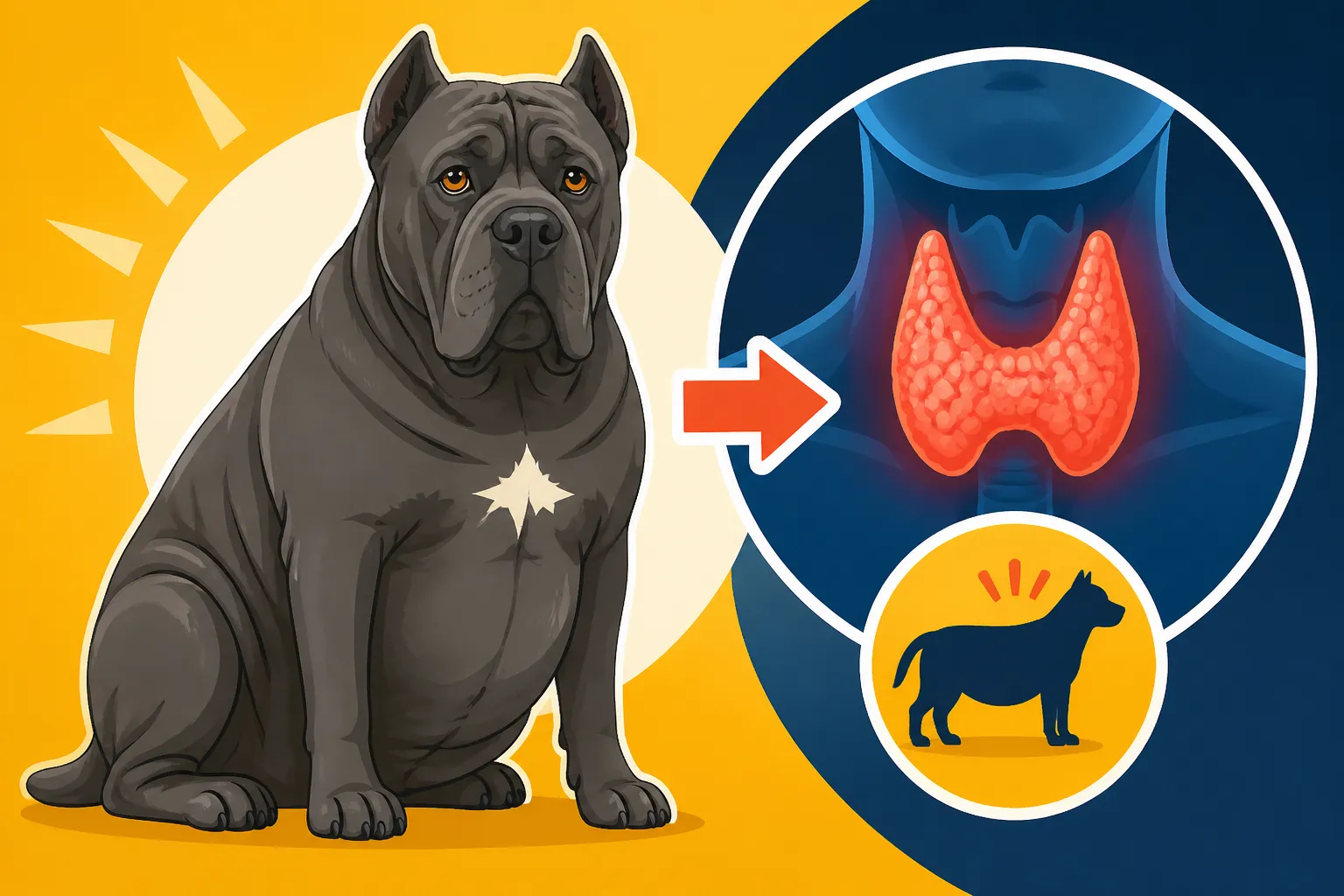
Imagine your Cane Corso's body as a finely tuned engine. The thyroid gland, located in the neck, produces hormones like T3 and T4, which are essentially the accelerator pedal for that engine. They dictate how quickly your dog burns calories, how efficiently their organs work, and even the health of their skin and coat. For a large, powerful breed like the Cane Corso, maintaining optimal thyroid function is paramount. They require robust metabolism to support their muscle mass, energy levels for their protective instincts and activity, and healthy systems to ward off other issues. When this crucial gland underperforms, it's like trying to run a high-performance vehicle on bad fuel and a half-pressed accelerator – everything slows down, and efficiency plummets. This disruption doesn't just make them feel sluggish; it impacts everything from their ability to regulate body temperature to the health of their immune system.
Why Cane Corsos are Susceptible to Thyroid Issues
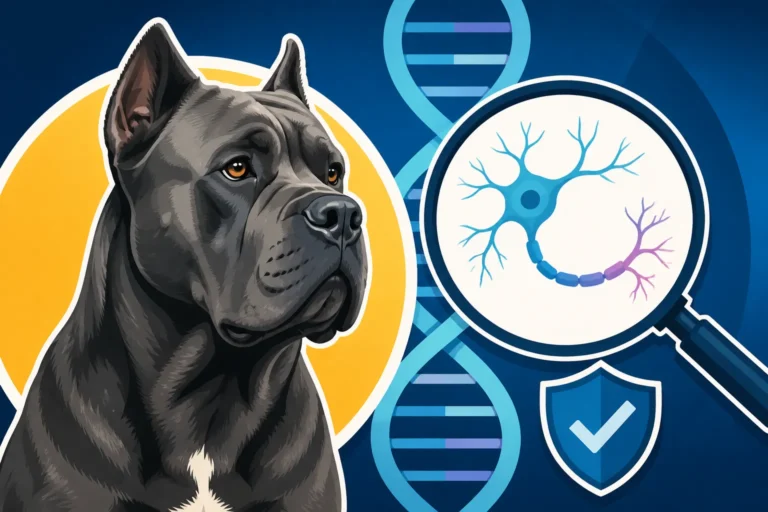
Unfortunately, Cane Corsos, like many large and giant breeds such as Golden Retrievers, Doberman Pinschers, and Great Danes, are genetically predisposed to developing hypothyroidism. Often, this is due to an autoimmune condition called lymphocytic thyroiditis, where the body's own immune system mistakenly attacks and destroys the thyroid gland. This isn't something that happens overnight; it's a gradual process, often developing as the dog approaches middle age, typically between two and seven years old, though it can occur earlier or later. It’s incredibly frustrating for owners because you’ve done everything right—feeding a high-quality diet, providing exercise, regular vet check-ups—only to see your vibrant companion start showing subtle signs of decline. You might initially attribute their slower pace or a bit of weight gain to them "just getting older," or perhaps even a less active phase. But for breeds with this genetic predisposition, it's important to be aware that the underlying cause might be more than just the passage of time. Regular monitoring and a keen eye for changes become even more critical when you own a breed known to be at higher risk for conditions like hypothyroidism.
Recognizing the Subtle Signs Beyond Just Weight Gain
The weight gain associated with hypothyroidism in a Cane Corso isn't usually a sudden, dramatic spike. Instead, it's often a slow, insidious creep that can easily be mistaken for normal aging or simply a dog who's enjoying their food a little too much. But if you’re seeing those pounds pile on despite no significant changes in diet or exercise, it's time to consider the thyroid.
The Insidious Nature of Weight Gain in a Cane Corso
Picture this: your Cane Corso has always been a solid, muscular dog. You feed them their carefully measured kibble twice a day, and they get their regular walks and playtime. Then, slowly, you notice their waistline thickening a bit, or perhaps they seem a little more "padded" than usual. You might cut back a quarter cup of food here, add an extra five minutes to a walk there, but the scale doesn't budge, or worse, it keeps climbing. This is the hallmark of hypothyroid weight gain. It's not about overeating; it's about a significantly slowed metabolism. The body simply isn't burning calories efficiently because the thyroid hormones, the metabolic engine's spark plugs, aren't firing properly.
This unexplained weight gain can be truly demoralizing. You know your dog's habits, you're diligent about their care, and yet, they're getting heavier. This isn't just aesthetic; excess weight puts strain on their joints, especially crucial for a large breed like a Cane Corso, which can already be prone to conditions like hip dysplasia. The good news is that once diagnosed and treated, this metabolic slowdown can often be reversed, allowing your Cane Corso to return to a healthier weight and alleviate the strain on their body.
Other Key Symptoms to Watch For
While weight gain is a prominent sign, hypothyroidism rarely acts alone. Many other symptoms tend to accompany it, though they can be vague and overlap with other health issues, making diagnosis a bit of a puzzle. One of the most common complaints, alongside weight gain, is a marked decrease in energy and enthusiasm. Your once-vibrant Cane Corso might become noticeably more lethargic, less interested in walks or play, and content to nap more often. This isn't just an "aging" dog; it's a dog whose internal systems are slowing down.
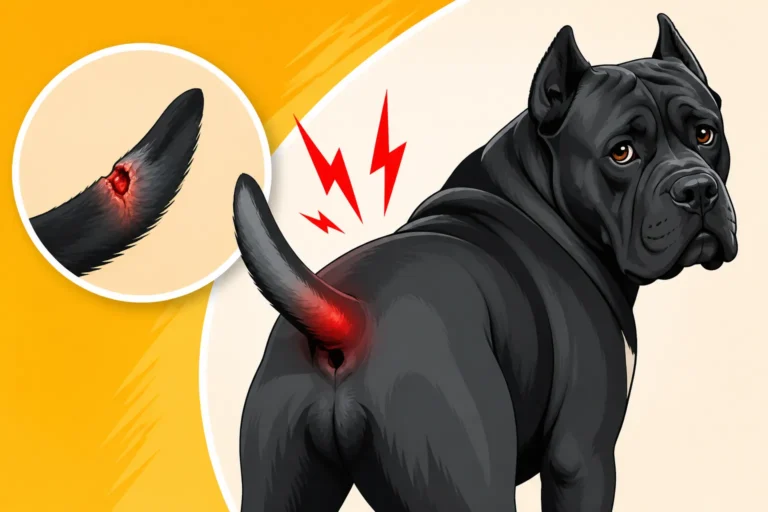
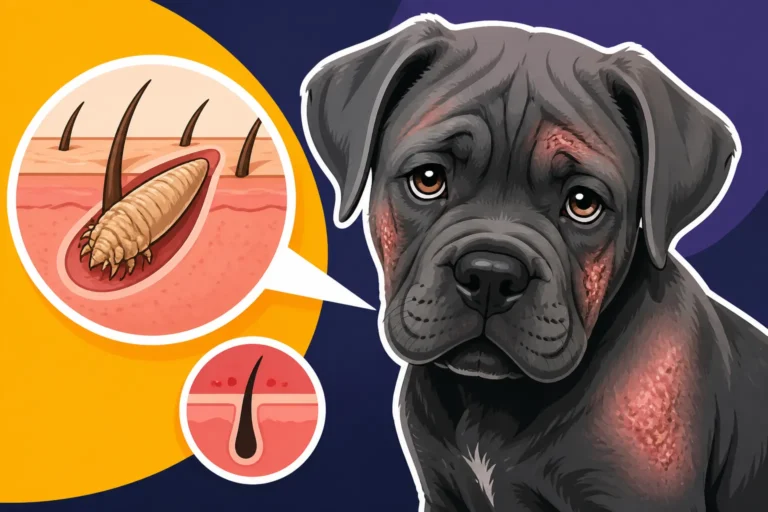
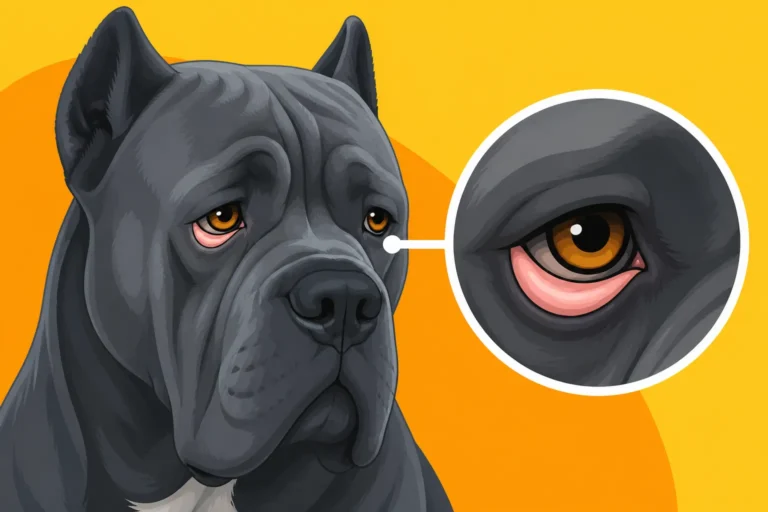
Beyond energy levels, look closely at your Cane Corso's skin and coat. You might notice their fur becoming dry, brittle, or thinning, especially along their flanks or on the top of their tail, sometimes referred to as a "rat tail." They might experience excessive shedding year-round, not just seasonally. Skin issues are also common; recurrent infections, dandruff, or areas of hyperpigmentation (darkening of the skin) can crop up. Some Cane Corsos even develop a "tragic" facial expression due to thickening of the skin. If you suspect your Cane Corso is slowing down or showing signs of aging, particularly after their eighth birthday, it’s always wise to discuss thyroid screening with your vet. Another less obvious sign can be an increased intolerance to cold; your dog might seek out warm spots more often or shiver in temperatures that never bothered them before. Behavioral changes, such as increased anxiety, dullness, or even aggression in some cases, can also be linked to thyroid hormone imbalances. These varied symptoms highlight why a holistic approach to observing your dog is so important.
Diagnosing and Managing Hypothyroidism
Pinpointing hypothyroidism requires careful veterinary investigation. Because many symptoms overlap with other conditions, a thorough diagnostic process is essential to ensure your Cane Corso receives the correct treatment. It’s not always a straightforward path, but persistence is key for your dog's well-being.
The Diagnostic Process: Getting a Clear Picture
When you bring your concerns about unexplained weight gain, lethargy, or coat changes to your veterinarian, they'll likely recommend a series of blood tests. The gold standard for diagnosing hypothyroidism in dogs is a comprehensive thyroid panel. This usually includes:
- Total T4 (TT4): This measures the total amount of thyroxine (T4) hormone in the blood. A low TT4 can indicate hypothyroidism, but it can also be influenced by other illnesses or medications (a phenomenon known as "euthyroid sick syndrome").
- Free T4 (FT4): This measures the unbound, biologically active form of T4. It's often considered a more accurate indicator than TT4, as it's less affected by non-thyroidal factors.
- TSH (Thyroid-Stimulating Hormone): Produced by the pituitary gland, TSH signals the thyroid to produce more hormones. In primary hypothyroidism, the thyroid isn't responding, so TSH levels will typically be high as the pituitary tries to "kickstart" it.
- TgAA (Thyroglobulin Autoantibodies): These antibodies indicate an autoimmune attack on the thyroid gland, which is the most common cause of hypothyroidism in Cane Corsos and other predisposed breeds.
It’s crucial to get a full panel, not just a basic T4 test, especially for large breeds. Sometimes, values can be borderline, or other factors can skew results. Your vet might even recommend retesting after a few weeks or consulting with a veterinary internal medicine specialist if the picture isn't clear. This investigative process can be costly and time-consuming, leading to frustration for owners who just want answers for their beloved pet. However, getting an accurate diagnosis is the first and most critical step towards effective management and improving your Cane Corso's quality of life. For adult Cane Corsos, including a thyroid check in their yearly bloodwork is a sensible preventative measure, especially if they are from lines known for health issues.
Treatment and Lifelong Management for Your Cane Corso
Once diagnosed, hypothyroidism is typically managed with a synthetic thyroid hormone replacement medication, most commonly levothyroxine. This medication effectively replaces the hormones your Cane Corso's body isn't producing naturally. It's usually given orally, once or twice a day. The dosage will be carefully determined by your veterinarian based on your dog's weight and the severity of their condition.
It’s important to understand that this is a lifelong medication; hypothyroidism isn't usually "cured," but rather managed successfully. After starting treatment, your Cane Corso will need regular follow-up blood tests—often every few weeks initially, then every 6-12 months once stable—to ensure the dosage is correct. This is similar to managing other chronic conditions like epilepsy, where dogs often require daily medication for a good quality of life.
The good news is that most Cane Corsos respond incredibly well to treatment! You can expect to see improvements in their energy levels, activity, and overall demeanor within a few weeks. The weight gain will often begin to reverse as their metabolism normalizes, and their coat health will improve, becoming shinier and thicker. It’s a remarkable transformation that brings immense relief to owners. When considering the ongoing costs of such chronic conditions, having pet insurance can be a huge help. Many policies, like those from Healthy Paws, can cover a significant portion of prescription medications and follow-up tests, easing the financial burden on pet parents.
Supporting Your Cane Corso's Overall Health
Beyond the daily medication, a holistic approach to your Cane Corso's health will further support their recovery and well-being. Once their metabolism starts to pick up with levothyroxine, you'll need to re-evaluate their diet. They might have been eating fewer calories to combat unexplained weight gain, but with a normalized metabolism, their needs will change. Work with your vet to determine the appropriate amount of a high-quality, balanced diet to ensure they shed the excess weight safely and maintain a healthy body condition. Remember, even with a properly functioning thyroid, a lean body weight is crucial for a large breed to protect their joints and extend their overall health.
Gradually reintroducing and increasing exercise as your Cane Corso's energy returns is also vital. Start slow and build up their endurance, allowing their body to adapt to the renewed activity levels. Regular, consistent exercise helps burn calories, build muscle, and supports mental well-being. Maintaining a routine of regular vet check-ups is paramount, not just for monitoring thyroid levels, but for overall preventive care. These visits are opportunities to catch other potential issues early and discuss any new concerns. As mentioned, the ongoing costs of managing a chronic condition can add up, so exploring pet insurance options, like a comprehensive plan from Healthy Paws, early on can provide peace of mind and financial support for these necessary treatments and diagnostics. It ensures you can always provide the best care without undue stress.
Proactive Steps and Important Considerations
Being proactive in your Cane Corso's health journey, especially when dealing with a chronic condition like hypothyroidism, can make all the difference in their quality of life. From diligent home monitoring to understanding the financial implications, being prepared empowers you as an owner.
Monitoring Your Cane Corso at Home
You are your Cane Corso's first and best advocate, and regular home monitoring is an invaluable tool in managing hypothyroidism. Start by keeping a detailed journal. Note their weight once a month, document their activity levels (how long they walk, their enthusiasm for play), and make observations about their coat condition, skin, and overall demeanor. Does their tail still look "ratty"? Has their energy returned fully, or are there still days they seem sluggish? These subtle shifts, though seemingly minor, can provide crucial information to your veterinarian during follow-up appointments and help determine if medication dosages need adjustment.
Regular body condition scoring is another excellent habit. Feel their ribs: can you easily feel them without seeing them? Can you see a tucked waist? Knowing what a healthy weight looks and feels like for your individual Cane Corso is key to quickly spotting any reoccurring weight gain or loss that might signal a problem. Being attuned to these nuances allows you to detect potential issues early, leading to quicker intervention and a better prognosis. For a breed like the Cane Corso, maintaining a healthy weight is directly linked to their joint health and longevity, making this type of vigilant home monitoring even more significant.
The Financial Reality of Chronic Illness
Let's be realistic: owning a Cane Corso, and especially one with a chronic illness, comes with financial responsibilities. Hypothyroidism, while manageable, requires lifelong medication and periodic blood tests, which can certainly add up over the years. A bottle of levothyroxine can cost anywhere from $20 to $60 a month, depending on the dosage and your pharmacy, plus the costs of specialist vet visits or quarterly to biannual blood panels can run into hundreds of dollars annually. It’s a significant, ongoing expense.
This is where planning and preparation become crucial. Many owners find immense relief through pet insurance. Providers such as Healthy Paws offer robust plans that can cover a large percentage of diagnostic tests, prescription medications, and even specialist consultations for chronic conditions. Enrolling your Cane Corso when they are young and healthy is often the best strategy, as most policies have waiting periods and pre-existing condition clauses. While the monthly premiums on a Cane Corso might seem like another bill, consider it an investment in your peace of mind and your dog's long-term health. If insurance isn't an option, setting aside a dedicated emergency fund specifically for vet bills is a responsible way to ensure you're always ready to provide the best care for your loyal companion. Many owners underestimate the total financial commitment of owning a Cane Corso, particularly when health issues arise.
Breed-Specific Health Screenings
While hypothyroidism can affect any dog, the Cane Corso’s predisposition makes breed-specific health screenings incredibly important for responsible breeders. These screenings, often certified by organizations like the Orthopedic Foundation for Animals (OFA) or the Canine Health Information Center (CHIC), aim to reduce the incidence of genetic diseases within the breed. A comprehensive health panel for breeding Cane Corsos typically includes evaluations for hips, elbows, eyes, heart, and, critically, thyroid function.
By selecting a puppy from parents who have undergone these rigorous health clearances, including thyroid testing, you are inherently increasing the likelihood of bringing home a healthier dog. While no screening can offer a 100% guarantee against future health issues, especially for complex conditions like autoimmune diseases, it significantly reduces the genetic risk factors. It’s a testament to a breeder's commitment to the long-term health and well-being of the breed. Understanding what a Cane Corso CHIC Number actually certifies can give you confidence in the health background of your prospective puppy. It demonstrates a commitment to transparency and health longevity that ultimately benefits you and your future family member.
Here's a quick comparison of potential symptoms:
| Symptom | Likely Hypothyroidism | Possibly Normal Aging/Other Issues |
|---|---|---|
| Weight Gain | Gradual, persistent, despite no diet/exercise changes | Gradual, but usually tied to increased food/decreased activity |
| Energy Level | Significant lethargy, disinterest in usual activities | Mild slowing down, still enjoys walks/play, just shorter |
| Coat/Skin | Dry, brittle, thinning fur; excessive shedding; infections, "rat tail" | Some thinning (especially around eyes/muzzle), greying |
| Cold Intolerance | Seeks warmth, shivers more easily | Mild preference for warmth, but generally tolerant |
| Behavior | Dullness, anxiety, may seem "off" | More sedate, enjoys quiet, may be less tolerant of noise |
| Face/Expression | Thickening skin, "tragic" expression | Normal aging lines, no skin thickening |
Disclaimer
The information provided in this article is intended for general knowledge and informational purposes only, and does not constitute medical advice. It is essential to consult with a qualified veterinarian for any health concerns or before making any decisions related to your Cane Corso's health or treatment. Always seek the advice of your veterinarian or other qualified animal health provider with any questions you may have regarding a medical condition.