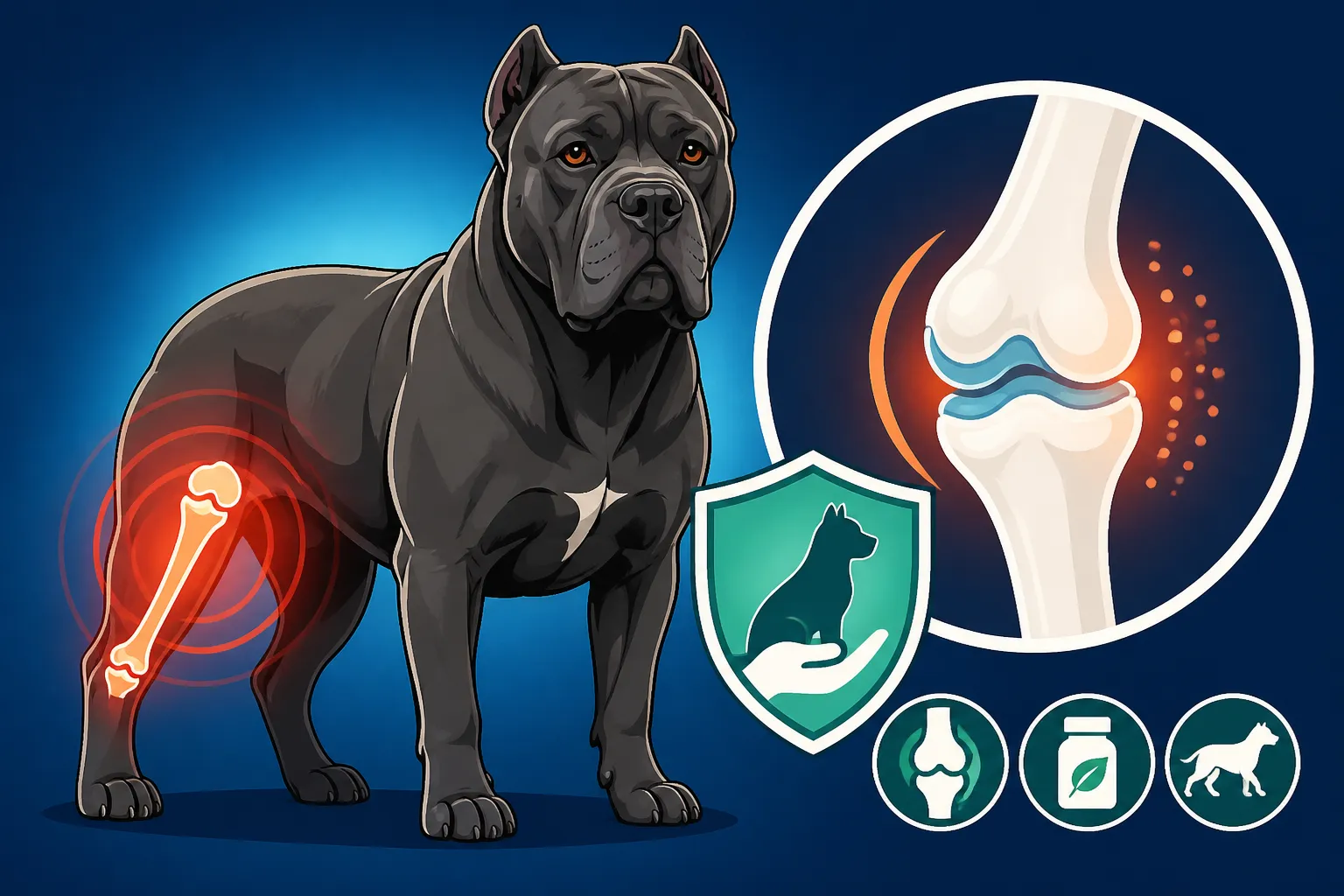
Managing Arthritis in a Hundred Pound Cane Corso
It's incredibly tough to watch your majestic Cane Corso, once a powerhouse of energy and strength, begin to falter. The proud gait might turn into a hesitant shuffle, and the easy leap onto the sofa becomes a painful struggle. When a hundred-pound dog like a Cane Corso starts showing signs of arthritis, it's not just a minor inconvenience; it's a life-altering condition that impacts every aspect of their day, and by extension, yours. This guide is here to walk you through the realities of managing arthritis in your large companion, offering practical advice and a roadmap to enhance their comfort and maintain their quality of life.
Understanding Arthritis in Giant Breeds Like the Cane Corso
Canine arthritis, formally known as osteoarthritis or degenerative joint disease (DJD), is a progressive and often painful condition characterized by the breakdown of cartilage within the joints. This cartilage acts as a cushion, allowing bones to glide smoothly. When it deteriorates, bones rub against each other, leading to inflammation, pain, stiffness, and reduced mobility. For large and giant breeds like the Cane Corso, the sheer size and weight they carry put immense stress on their joints, making them particularly susceptible to developing arthritis.
One of the primary reasons Cane Corsos are predisposed to arthritis stems from their genetics and the rapid growth they experience as puppies. Conditions like hip dysplasia and elbow dysplasia, which are common in the breed and often genetic, lay the groundwork for early onset arthritis. When a puppy grows too quickly, or if their joints don't form perfectly, the uneven wear and tear over time inevitably lead to cartilage damage. Even with the best breeding practices and clearances, the weight and powerful build of a Cane Corso mean their joints are constantly under significant load, making them more prone to this wear-and-tear condition as they age.
Arthritis in a Cane Corso commonly affects major joints such as the hips, elbows, knees (stifles), and sometimes the spine. You might see it in their shoulders too, especially if they've had an active life. It's a cruel irony that the very traits that make these dogs so impressive—their size, strength, and protective instincts—also contribute to their vulnerability to joint issues. Knowing what causes it is the first step, but truly understanding how it impacts your specific dog, and what you can do about it, requires a much deeper dive into observation and proactive care.
Recognizing the Subtle Signs of Arthritis
Spotting the early signs of arthritis in a powerful and stoic breed like the Cane Corso can be challenging. They often have a high pain tolerance and a strong desire to please, which can mask discomfort until it becomes quite severe. You might notice subtle changes first, like a slight hesitation before jumping into the car, or a little more stiffness than usual when they first get up after a long nap. Perhaps they're not quite as eager to charge out the door for a walk, or they seem to favor one leg just a touch after a strenuous play session. These seemingly minor shifts are often the first whispers of joint pain.
As arthritis progresses, the symptoms become more pronounced and harder to ignore. Your Cane Corso might develop a noticeable limp, particularly after periods of rest, which sometimes "warms up" as they move around. You might observe muscle atrophy in a limb they're reluctant to use, or they might become more sensitive to touch around their joints. Behaviorally, an arthritic Cane Corso might become less tolerant of other dogs or even children, simply because moving away or repositioning themselves causes pain, leading to irritability. They might also choose to lie down more frequently, seek out softer sleeping spots, or avoid stairs and jumping altogether.
It's crucial to differentiate arthritic pain from other potential issues. A sudden, severe limp might indicate an acute injury like a cruciate tear, which is unfortunately common in large breeds, or even something neurological like Wobbler Syndrome in their neck. If you notice your Cane Corso struggling to stand up, or if they start dragging their back feet, these could be signs of something beyond typical arthritis. Always consult your veterinarian if you observe any new or worsening symptoms. They can help rule out other causes in a seizing Cane Corso or other conditions that mimic arthritis, ensuring your dog gets the most accurate diagnosis and appropriate treatment. Early diagnosis allows for earlier intervention, which can significantly slow the progression and improve your dog's comfort.
Comprehensive Management Strategies: A Holistic Approach
Managing arthritis in a hundred-pound Cane Corso is a multi-faceted endeavor that requires a holistic approach, blending veterinary medical treatments with daily care and environmental modifications. The goal isn't just to mask the pain but to slow the disease's progression, maintain mobility, and ensure your dog enjoys the highest possible quality of life.
Weight Management: The Single Most Impactful Step
This cannot be stressed enough: maintaining a lean body condition is the single most important thing you can do for an arthritic Cane Corso. Every extra pound your dog carries adds significant stress to already compromised joints, accelerating cartilage breakdown and increasing pain. Think of it like carrying a heavy backpack all day – eventually, your own joints would ache. The same applies exponentially to a dog with arthritis. If your Cane Corso is even slightly overweight, working with your vet to create a safe and gradual weight loss plan should be your top priority. Even shedding a few pounds can make a world of difference in their comfort and mobility. To learn more about this, consider reading about What Extra Weight Does to a Cane Corso's Hips. Keeping a lean Cane Corso also helps them keep their hips longer.
Pain Management: Veterinary Interventions
Your veterinarian will be your most important partner in managing your Cane Corso's arthritis pain. They have a range of options at their disposal:
- Non-Steroidal Anti-Inflammatory Drugs (NSAIDs): These are often the first line of defense, reducing inflammation and pain. Common options include carprofen (Rimadyl), meloxicam (Metacam), firocoxib (Previcox), and grapiprant (Galliprant). It's crucial to monitor your dog for side effects like gastrointestinal upset or liver/kidney issues, especially with long-term use.
- Other Oral Medications: Drugs like gabapentin can be prescribed to manage neuropathic pain, often used in conjunction with NSAIDs. Amantadine is another medication sometimes added for chronic pain, helping to block certain pain receptors.
- Injectable Therapies: Adequan (polysulfated glycosaminoglycan) injections help to protect cartilage and improve joint fluid quality. Newer options like Librela (bedinvetmab) are monoclonal antibodies that target Nerve Growth Factor, a key mediator of pain, offering monthly injections for significant pain relief with fewer organ side effects than NSAIDs.
- Steroid Injections: In some cases, localized steroid injections can provide temporary relief to severely inflamed joints, though this is typically not a long-term solution due to potential side effects.
Discuss all options thoroughly with your vet to find the best combination for your Cane Corso, balancing efficacy with safety.
Supplements: The Role of Nutraceuticals
Many owners find success supplementing their arthritic Cane Corsos with nutraceuticals. These aren't medications but can provide support for joint health and inflammation. It's always best to discuss these with your vet before starting any regimen. If you're wondering Whether a Cane Corso Benefits From Joint Supplements, the answer is often yes, especially as part of a comprehensive plan.
Here are some common supplements:
- Glucosamine and Chondroitin: These are building blocks for cartilage and can help slow its degradation while promoting repair. They often come together in a single supplement.
- MSM (Methylsulfonylmethane): An organic sulfur compound with anti-inflammatory properties, often included with glucosamine and chondroitin.
- Omega-3 Fatty Acids: Particularly EPA and DHA from fish oil, these are powerful natural anti-inflammatories that can significantly reduce joint pain.
- Green-Lipped Mussel (GLM): Rich in omega-3s, glucosamine, chondroitin, and other joint-supportive nutrients, GLM is gaining popularity for its comprehensive benefits.
Here’s a quick overview of some popular supplement options:
| Supplement Type | Primary Benefit | Mechanism of Action | Common Formulations | Considerations |
|---|---|---|---|---|
| Glucosamine/Chondroitin | Cartilage support, pain reduction | Aids cartilage repair, inhibits enzymes that break down cartilage | Chews, tablets, powders | Can take weeks to show effect; quality varies by brand |
| Omega-3 Fatty Acids | Anti-inflammatory, joint lubrication | Reduces inflammatory pathways, improves cell membrane flexibility | Fish oil capsules, liquid | Potency depends on EPA/DHA content; look for reputable brands |
| MSM | Pain relief, anti-inflammatory | Decreases nerve pain impulses, reduces oxidative stress | Often combined with G/C | Generally well-tolerated |
| Green-Lipped Mussel | Comprehensive joint support, anti-inflammatory | Rich in fatty acids, amino acids, minerals; inhibits inflammation | Powders, capsules | Ensure sourcing is sustainable; some dogs may have fish allergies |
Remember, consistency is key with supplements, and it's essential to choose high-quality brands with proven efficacy. Look for products that have been independently tested for purity and content.
Creating a Supportive Home Environment
Beyond medication and supplements, thoughtful modifications to your home environment can dramatically improve your Cane Corso's daily comfort and prevent further injury. A little foresight goes a long way in making their world easier to navigate.
Orthopedic Beds and Ramps: Essential Comfort and Injury Prevention
A proper bed isn't a luxury for an arthritic Cane Corso; it's a necessity. Hard floors put tremendous pressure on their joints, exacerbating pain and stiffness. An orthopedic bed, specifically designed for large breeds, provides crucial support and cushioning. Look for beds with dense, supportive foam that won't flatten out under their significant weight. Memory foam or gel-infused options can conform to their body, alleviating pressure points. This is an investment that truly pays off in terms of your dog's comfort and ability to rest properly. You can learn more about finding the right one by exploring Orthopedic Beds Rated for a Cane Corso's Weight.
Ramps are another game-changer. Jumping in and out of cars, onto beds, or up stairs can be incredibly painful and risky for a dog with compromised joints. A single awkward jump could lead to a serious injury. Introducing ramps early can help your Cane Corso maintain some independence without unnecessary strain. Whether it's a ramp for the truck, a set of steps for the sofa, or even a smaller ramp to navigate a single step, these tools reduce impact and protect their joints. Check out Ramps for a Cane Corso That Cannot Jump Up for more specific guidance.
Flooring Modifications: Preventing Slips and Falls
Slippery floors are an absolute hazard for an arthritic Cane Corso. Hardwood, tile, or laminate surfaces offer no traction, making it difficult for them to get up, stand, or walk without slipping, which can cause painful falls or further strain. Covering these surfaces with non-slip rugs, runners, or carpet remnants is vital, especially in high-traffic areas and where they eat or rest. Ensure the rugs are securely anchored to prevent them from slipping themselves. If your Cane Corso often struggles on smooth floors, you might find useful information in Flooring That Stops an Old Cane Corso Slipping. Even something as simple as toe grips or non-slip booties can provide extra purchase, giving them more confidence and stability.
Controlled Exercise: Balancing Activity with Rest
While it might seem counterintuitive, gentle, controlled exercise is beneficial for arthritic dogs. It helps maintain muscle mass, supports joint health, and prevents stiffness. The key word here is controlled. High-impact activities like running, jumping, or vigorous fetch sessions are usually out. Instead, focus on short, frequent, leash-led walks on soft surfaces like grass. The duration and intensity should be guided by your dog's comfort level. On bad days, even a short stroll around the yard might be enough.
The goal is to keep them moving without causing pain. Swimming or hydrotherapy is an excellent low-impact option, as the water supports their weight while allowing them to move their joints. If you’re wondering How Far an Old Cane Corso Should Still Walk, listen to your dog and err on the side of caution. Two or three shorter walks are often better than one long one that leaves them stiff and sore. Engaging their minds with puzzle toys or gentle scent work can also provide enrichment when physical activity is limited.
The Role of Physical Therapy and Rehabilitation
When dealing with a condition as persistent as arthritis, medical management is often greatly enhanced by physical therapy and rehabilitation. These specialized treatments can provide targeted support to improve mobility, reduce pain, and build strength.
Hydrotherapy: Low-Impact Exercise Benefits
Hydrotherapy, or exercising in water, is a fantastic option for arthritic Cane Corsos. The buoyancy of water reduces the impact and weight-bearing stress on their joints, allowing them to move more freely and without pain. This can be done in a specialized underwater treadmill or a therapeutic pool. The warm water also helps to relax muscles and increase circulation.
During hydrotherapy sessions, your Cane Corso can walk, trot, or swim, strengthening the muscles surrounding their joints without the jarring impact of land-based exercise. This can lead to improved range of motion, reduced stiffness, and increased overall fitness. Many dogs, once accustomed to the water, thoroughly enjoy their hydrotherapy sessions, turning a necessary therapy into an enjoyable experience.
Therapeutic Exercises: Strengthening Muscles Around Joints
A certified canine rehabilitation therapist can design a personalized exercise program for your Cane Corso. These therapeutic exercises are carefully chosen to strengthen specific muscle groups that support arthritic joints. Stronger muscles provide better stability and take some of the load off the compromised cartilage. Examples might include slow, controlled walks over cavaletti poles, gentle stretches, balance exercises on wobble boards, or specific movements to improve hindquarter strength.
These exercises are often performed with guidance and positive reinforcement, ensuring your dog cooperates and doesn't overdo it. The key is consistency, and often, the therapist will teach you exercises you can safely perform at home between sessions to reinforce the progress made. This consistent work can make a profound difference in your dog’s functional mobility.
Massage and Acupuncture: Complementary Therapies
Many owners find that complementary therapies like therapeutic massage and acupuncture can significantly aid in arthritis management. Canine massage, performed by a trained professional, can help to relieve muscle tension that often builds up around painful joints as a dog compensates for discomfort. It can also improve circulation, reduce swelling, and promote relaxation. You might learn some gentle massage techniques to use at home as well.
Acupuncture, a traditional Chinese veterinary medicine technique, involves inserting thin needles into specific points on the body to stimulate nerve function, release natural pain-relieving endorphins, and reduce inflammation. Many dogs tolerate acupuncture very well and show remarkable improvement in pain levels and mobility. It's often used in conjunction with conventional Western medicine and is generally considered safe when performed by a certified veterinary acupuncturist. When budgeting for these types of therapies, remember to factor in potential costs for Physical Therapy Prices for a Cane Corso After Surgery, which can give you an idea of the investment involved. Some pet insurance providers, like Healthy Paws, may even offer coverage for these alternative therapies when prescribed by a vet.
Long-Term Care and Prognosis
Living with a Cane Corso that has arthritis is a long-term commitment. It means adapting, monitoring, and consistently providing care to ensure their comfort and dignity. The journey involves close collaboration with your veterinary team and a deep understanding of your dog's changing needs.
Regular Vet Check-ups: Monitoring Progression and Adjusting Treatment
Regular veterinary check-ups are non-negotiable for an arthritic Cane Corso. Arthritis is a progressive disease, meaning it will likely worsen over time, even with the best management. Your vet will want to monitor your dog's pain levels, assess their mobility, and make adjustments to their medication and treatment plan as needed. These appointments also allow for blood work to monitor the health of organs, especially if your dog is on long-term medications like NSAIDs. Many owners find peace of mind with pet insurance plans, such as those offered by Healthy Paws, which can help cover the ongoing costs of these frequent vet visits, diagnostic tests, and expensive medications, making long-term care more accessible.
These check-ups are also an opportunity to discuss any new symptoms, behavioral changes, or environmental challenges you've observed. As your Cane Corso ages, other health issues might arise, and these regular visits ensure a holistic view of their well-being. This proactive approach is key to staying ahead of the disease and maintaining their quality of life.
Quality of Life Considerations: Knowing When to Make Difficult Decisions
This is perhaps the hardest part of owning a dog with chronic pain. While the goal is always to keep them comfortable and happy, there comes a point where their quality of life might diminish despite all efforts. It's a deeply personal decision, but it's one we, as pet parents, are sometimes faced with. Observing your Cane Corso's daily life, their willingness to engage, their appetite, and their overall demeanor will be crucial. Are they having more good days than bad? Can they still enjoy their favorite activities, even if modified? Are they experiencing constant, unmanageable pain?
Having honest conversations with your veterinarian and your family about Knowing When a Cane Corso Has Had Enough can help prepare you for this difficult time. Focusing on their comfort, managing pain effectively, and cherishing every moment is what truly matters. It's about ensuring they live their best life for as long as possible, free from suffering.
The Importance of Early Intervention: Starting Management Sooner Rather Than Later
While arthritis often manifests in older dogs, it's not exclusively an old dog's disease. Thanks to genetics and large breed characteristics, many Cane Corsos can start showing subtle signs of joint discomfort even in their middle years. Understanding What Changes in a Cane Corso After Its Eighth Birthday is crucial, but recognizing symptoms even earlier can be hugely beneficial. The sooner you identify and begin managing arthritis, the better the long-term prognosis. Early intervention can slow the progression of cartilage damage, maintain muscle mass, and delay the onset of severe pain.
This means being vigilant about their movement, even when they're not yet considered senior. For a Cane Corso, The Age a Cane Corso Is Counted as Old might seem a bit later than for some smaller breeds, but joint issues can certainly begin to surface well before that. Starting joint supplements, focusing on lean body condition, and providing appropriate low-impact exercise from an earlier age can make a substantial difference in their golden years, helping them stay active and comfortable for as long as possible. Insurance providers like Healthy Paws can be particularly valuable if you start coverage when your Cane Corso is young, before any signs of arthritis appear, ensuring that if and when the condition develops, treatments are covered.
Disclaimer
This article is intended for informational purposes only and does not constitute veterinary advice. Always consult with a qualified veterinarian for any health concerns or before making any decisions about your Cane Corso's care, diet, or treatment plan.