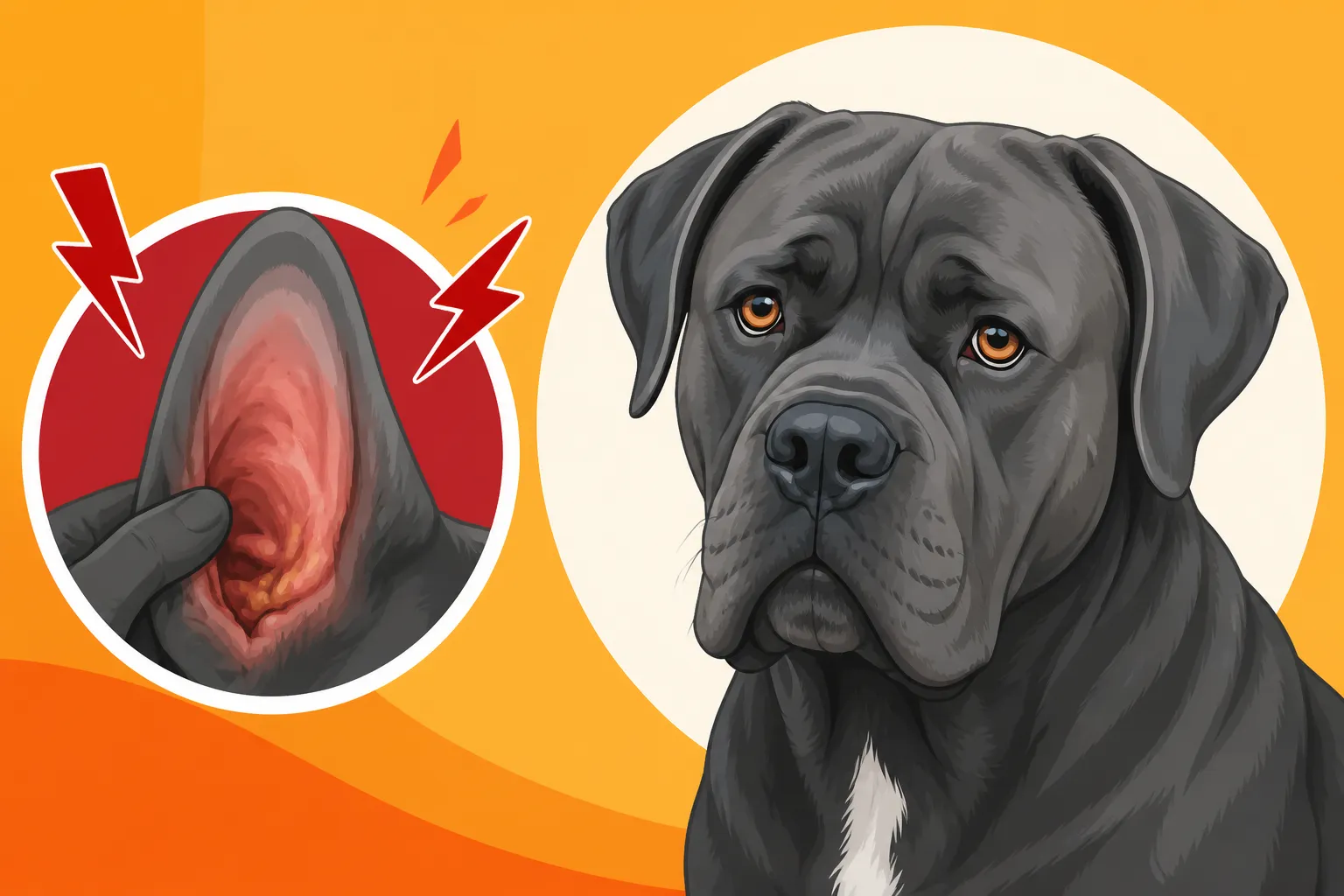
Ear Infections in a Cane Corso With Natural Ears
It’s a truly frustrating experience when your beloved Cane Corso, a dog known for its stoicism and strength, starts acting uncomfortable, pawing at their ear, or shaking their head constantly. If your Corso has natural, uncropped ears, you might be dealing with a common but annoying problem: an ear infection. This guide is here to walk you through why these infections happen, how to spot them early, and what you can do to keep your big companion healthy and happy.
The Unique Challenges of Natural Cane Corso Ears
Let's face it, those big, floppy ears on a natural Cane Corso are absolutely adorable, but they also create an environment that's practically a breeding ground for problems if not managed correctly. Unlike their cropped counterparts, which have more open ear canals, natural ears can be a real headache, quite literally, for our dogs.
The Anatomy of an Uncropped Ear and Its Challenges
Imagine a long, winding tunnel that then takes a sharp turn – that's essentially the ear canal of your Cane Corso, especially when those heavy, natural ear flaps are covering it. This "L-shaped" canal is already designed to trap debris and moisture, but the added weight and coverage of a natural ear flap exacerbates the issue. The flap itself reduces airflow significantly, creating a warm, dark, and often humid microclimate deep within the ear canal. This lack of ventilation means any moisture that gets in from a swim, a bath, or even just humidity in the air, tends to stick around.
Moreover, many Cane Corsos, even with their short coats, can have some fine hair growing inside their ear canals. This hair, while seemingly innocuous, can trap more wax, debris, and moisture, making it even harder for the ear to naturally clear itself. It's like trying to sweep a dusty room with a shaggy rug in the way – things just get tangled and accumulate. This environment is perfect for the overgrowth of yeast and bacteria that normally live in small amounts in a dog's ear, leading to full-blown infections.
Common Causes of Ear Infections in Cane Corsos
When we talk about ear infections, we're usually talking about otitis externa – an inflammation of the external ear canal. For Cane Corsos with natural ears, several factors conspire to make this a recurring issue for many owners.
- Yeast and Bacteria: These are the most frequent culprits. The warm, moist, and poorly ventilated environment of a natural ear is ideal for yeast (like Malassezia) and bacteria (like Staphylococcus or Pseudomonas) to multiply unchecked. A healthy ear has a balanced microbiome, but when conditions favor these opportunistic organisms, they quickly take over, causing inflammation and discomfort.
- Allergies: This is a big one, and often overlooked. Many ear infections aren't just isolated problems; they're a symptom of underlying allergies, whether environmental (pollen, dust mites) or food-related. If your Cane Corso has Skin Allergies That Flare on a Cane Corso, those allergies often manifest in the ears first, causing inflammation, itchiness, and creating an opening for secondary yeast or bacterial infections. This cycle can be incredibly frustrating to break, as treating the infection alone won't solve the root cause.
- Foreign Bodies: Less common but still a risk, especially if your Cane Corso loves to explore tall grass or brush. Things like grass awns (foxtails), burrs, or tiny seeds can easily work their way down the ear canal, causing irritation, pain, and inevitably, infection. Because of the L-shape of the canal, these can be incredibly difficult for a dog to dislodge on their own.
- Ear Mites: While more common in puppies, ear mites can affect adult dogs too, causing intense itching and leading to secondary infections from all the scratching and irritation.
- Excessive Cleaning or Improper Cleaning: Believe it or not, cleaning too aggressively or using the wrong products can actually contribute to ear infections. Over-cleaning can irritate the delicate skin lining the ear canal, and using cotton swabs too deeply can push debris further down or even damage the eardrum. It's vital to know how to perform Cleaning a Cane Corso's Ear Without Going Deep to avoid causing more harm than good.
Differentiating Normal Ear Wax from Early Infection Signs
It's easy to worry every time you see a bit of gunk in your Cane Corso's ear, but not all ear discharge signals an infection. Normal ear wax is usually yellowish, brownish, and has a mild, almost waxy odor. It’s there to protect the ear canal and trap dust, and a small amount is perfectly healthy.
However, keep a sharp eye (and nose!) out for changes. If you start to notice an increase in the amount of wax, or if it changes in consistency, color, or smell, that’s your first red flag. For example, a black, crumbly discharge often points to ear mites (though it can also be yeast). A yellowish or greenish pus-like discharge almost always means a bacterial infection. And that tell-tale, strong, sweet-and-sour or "yeasty bread" smell, a bit like old socks, is a classic sign of a yeast infection. If you catch The Yeast Smell on a Cane Corso's Skin Folds around the ear, it's definitely time to investigate further. Early detection can save your dog a lot of discomfort and you a larger vet bill!
Spotting the Signs and Getting a Diagnosis
Sometimes, our dogs are masters of stoicism, and it can be hard to tell if they're truly uncomfortable or just having a quirky moment. But with ear infections, there are usually some pretty clear indicators if you know what to look for.
Behavioral Cues Your Cane Corso Might Show
Your Cane Corso might not be able to tell you in words that their ear hurts, but their body language will speak volumes. Keep an eye out for these behavioral changes:
- Head Shaking: This is often the most obvious sign. Your Corso might shake their head vigorously, often trying to dislodge whatever is bothering them. It's not just a casual shake; it's usually repeated and quite forceful.
- Excessive Ear Scratching: If your dog is constantly pawing at their ear or rubbing their head against furniture or the carpet, it's a strong indication of itchiness or pain. Be mindful that vigorous scratching can cause further damage to the ear flap or even create secondary skin infections.
- Ear Sensitivity or Pain: Touch their ear gently. If they flinch, yelp, pull away, or show any sign of discomfort when you touch the affected ear, it's a clear signal. You might notice they're more protective of that side of their head.
- Tilting the Head: Some dogs will consistently tilt their head to one side, usually with the infected ear pointed downwards, as if trying to drain it or relieve pressure.
- Rubbing Against Surfaces: Your Cane Corso might rub the affected ear or side of their face along the carpet, furniture, or even your leg, attempting to scratch an itch they can't reach with their paw.
- Lethargy or Irritability: While not specific to ear infections, a dog in constant pain or discomfort might become less playful, more withdrawn, or even a bit snappy if approached suddenly, especially near the sore ear.
These cues are often your first clue that something is amiss and should prompt you to take a closer look. Consistent observation through something like The Weekly Ear Check a Cane Corso Owner Should Do can help you catch these subtle changes.
What to Look For Visually and Olfactorily
Beyond behavior, a direct inspection of the ear can give you even more definitive answers. Gently lift the ear flap and take a good look and sniff.
- Redness and Swelling: The skin inside the ear flap and around the entrance to the ear canal might appear red, inflamed, or swollen. This is a tell-tale sign of irritation and infection.
- Discharge: As mentioned earlier, pay close attention to any discharge. Is it dark and crumbly? Yellowish and pus-like? Greenish? Is there an excessive amount compared to normal ear wax? The type of discharge can give your vet clues about the type of infection.
- Smell: This is often one of the strongest indicators. A healthy ear should have minimal odor. An infected ear, particularly with yeast, will often have a strong, sweet, or musty smell. Bacterial infections can also produce an unpleasant, sometimes foul, odor. Don't be shy; take a good sniff!
- Thickened or Crusty Skin: Chronic inflammation can lead to the skin inside the ear canal becoming thickened, crusty, or even developing scabs from scratching. In severe, long-standing cases, the ear canal itself can narrow due to swelling, a condition known as stenosis.
The Vet Visit: What to Expect During Examination and Testing
Once you've noticed these signs, it's time to call your veterinarian. Don't try to self-diagnose or treat with home remedies, as improper treatment can make things worse, especially if the eardrum is compromised.
At the vet's office, they will typically perform a thorough examination:
- Visual Inspection and Otoscope Exam: Your vet will start by looking closely at the outer ear and then use an otoscope – a special lighted instrument – to look down into the ear canal. This helps them assess the extent of the inflammation, identify any foreign bodies, and check the condition of the eardrum. Seeing the eardrum is crucial before prescribing ear drops, as some medications can be harmful if the eardrum is ruptured.
- Ear Swab and Cytology: This is a key diagnostic step. Your vet will gently take a swab of the discharge from the ear and examine it under a microscope (cytology). This allows them to identify whether the infection is caused by yeast, bacteria, or mites, and often which specific type. Knowing this guides the choice of the most effective medication.
- Culture and Sensitivity Testing: If the infection is severe, chronic, or not responding to initial treatment, your vet might send a swab to a lab for a culture and sensitivity test. This test identifies the exact species of bacteria (or yeast) present and, importantly, which antibiotics or antifungals will be most effective against them. This is especially helpful for resistant infections.
- Addressing Underlying Issues: Your vet will also discuss potential underlying causes, particularly if this isn't your Cane Corso's first ear infection. They might ask about diet, environmental exposures, and any other skin issues, leading to discussions about potential allergy testing or An Elimination Diet for an Itchy Cane Corso.
Understanding what happens at the vet can make the process less stressful for both you and your Cane Corso. Remember, these big dogs are often sensitive souls, and a good vet will handle them with care.
Effective Treatment and Prevention Strategies
Getting rid of an ear infection is one thing, but preventing them from coming back, especially in a natural-eared Cane Corso, is the ultimate goal. It requires a consistent, proactive approach.
Treatment Options for Active Infections
Once your vet has diagnosed the type of infection, they will prescribe a treatment plan tailored to your Cane Corso.
- Medicated Ear Drops: For most mild to moderate ear infections, medicated ear drops are the cornerstone of treatment. These drops usually contain a combination of an antibiotic (to kill bacteria), an antifungal (to kill yeast), and an anti-inflammatory (to reduce swelling and pain). It’s crucial to administer these drops exactly as prescribed for the full duration, even if the ear looks better after a few days. Stopping early can lead to a recurrence and resistant infections. Your vet might demonstrate the proper technique for Cleaning a Cane Corso's Ear Without Going Deep before you apply the drops.
- Oral Antibiotics or Antifungals: In more severe cases, or if the infection has spread beyond the external ear canal, your vet might prescribe oral medications. These are usually given for a longer period, sometimes several weeks, to ensure the infection is completely cleared.
- Ear Cleaners: Before applying medicated drops, it’s often necessary to clean the ear thoroughly to remove debris, wax, and discharge. Your vet will recommend a specific ear cleaner that is appropriate for your dog's condition. These cleaners help break down wax and create a better environment for the medicated drops to work. Never use alcohol or hydrogen peroxide, as these can be irritating or damaging.
- Pain Relief: If your Cane Corso is in significant pain, your vet might also prescribe anti-inflammatory medication to help manage their discomfort during the initial treatment phase.
- Foreign Body Removal: If a foreign body is identified, it will need to be carefully removed, sometimes requiring sedation.
Remember, consistent follow-up appointments with your vet are essential to ensure the infection has truly resolved and to catch any lingering issues before they escalate. This is where having comprehensive pet insurance, like a plan from Healthy Paws, can really make a difference, helping to cover unexpected vet bills for diagnostics and medications. Thinking about Monthly Pet Insurance Premiums on a Cane Corso is a good idea when you bring home a puppy.
Daily Ear Care Routine for Natural Ears
Prevention is always better than cure, especially for those beautiful, floppy Cane Corso ears. A consistent daily or weekly routine can drastically reduce the chances of recurrent infections.
- Gentle Cleaning (as needed): Discuss with your vet how often your Cane Corso's ears need cleaning. For some dogs, a weekly or bi-weekly cleaning is sufficient. For others, particularly those prone to infections, a couple of times a week might be necessary. Use a vet-approved ear cleaner and cotton balls or gauze. Gently wipe the visible parts of the ear and the entrance to the canal. Never insert anything into the ear canal. Just wiping away visible debris and excess wax is enough.
- Thorough Drying: This is paramount for natural ears. After baths, swims, or even walks in humid weather, lift those ear flaps and thoroughly dry the inside of the ear with a soft towel or cotton ball. You can even use a low-setting hairdryer (held at a safe distance) to ensure all moisture is gone. Moisture is a prime ingredient for infection. This is especially important as Whether Natural Cane Corso Ears Trap More Dirt is a common concern among owners.
- Regular Checks: Make it a habit to perform The Weekly Ear Check a Cane Corso Owner Should Do. Take a quick look and sniff. Catching early signs of redness, discharge, or odor can allow you to intervene before a full-blown infection takes hold.
- Hair Plucking (if recommended): Some Cane Corsos have excessive hair growth inside their ear canals. If this is contributing to blockages and infections, your vet might recommend plucking this hair. This is usually best done by a professional (vet or groomer), as improper plucking can be painful or cause irritation.
Addressing Underlying Causes and Long-Term Prevention
For many Cane Corsos, ear infections are a symptom of a deeper issue. Addressing these can be the key to long-term ear health.
- Allergy Management: If allergies are suspected, working with your vet on a comprehensive allergy management plan is critical. This could involve allergy testing to identify specific triggers, environmental modifications (e.g., air purifiers, frequent dusting), prescription allergy medications, or even immunotherapy (allergy shots). Dietary changes, such as An Elimination Diet for an Itchy Cane Corso, can also be profoundly helpful if food allergies are the culprit. Sometimes adding supplements like Whether Fish Oil Settles a Cane Corso's Itchy Skin can also help with overall skin and ear health.
- Diet and Supplements: A high-quality, balanced diet supports a strong immune system, which in turn helps your dog fight off infections. Discuss any dietary concerns with your vet, especially if you suspect food sensitivities.
- Regular Vet Check-ups: Consistent veterinary care, including annual wellness exams, can help catch subtle issues before they become major problems. Your vet can perform routine ear checks and discuss any concerns you have about your Cane Corso's ears or overall health. A good wellness plan, as part of your pet insurance like Healthy Paws offers, can often include these preventative visits. Understanding What a Wellness Plan Covers on a Cane Corso can help you budget for routine care.
- Environmental Considerations: If your Cane Corso spends a lot of time in water or humid environments, adjust your ear care routine accordingly. Consider swim caps if swimming is a frequent activity, or at least a thorough drying routine post-swim.
By combining diligent daily care, prompt veterinary attention for any active infections, and a strategic approach to addressing underlying causes, you can significantly improve your natural-eared Cane Corso's ear health and comfort, letting them focus on being the magnificent companions they are. It’s an investment of time, but the peace of mind – and a happy, shake-free Corso – is absolutely worth it. The cost of dealing with recurrent issues can add up, so having a good plan, financially and medically, is key to managing The Vet Bill for a Cane Corso's Recurring Ear Infection.
| Aspect | Healthy Ear (Natural) | Infected Ear (Natural) |
|---|---|---|
| Appearance | Light pink, clean, minimal wax | Red, swollen, inflamed, excessive discharge (yellow, green, black) |
| Smell | Mild, waxy, or no odor | Strong, yeasty, musty, foul, or pus-like odor |
| Discharge | Small amount of yellowish/brownish wax | Heavy, dark, crumbly (mites/yeast), or pus-like (bacterial) |
| Behavior | Normal, no head shaking or scratching | Frequent head shaking, ear scratching, rubbing, painful to touch |
| Common Causes | Anatomy of floppy ear, humidity, trapped debris | Yeast, bacteria, allergies (food/environmental), ear mites, foreign bodies |
| Treatment | Regular gentle cleaning, drying after moisture exposure | Medicated drops (antibiotic/antifungal/anti-inflammatory), oral meds, addressing underlying allergies |
Disclaimer
This article is intended for informational purposes only and does not constitute veterinary advice. Always consult with a qualified veterinarian for any health concerns or before making any decisions about your Cane Corso's medical care.