Whether Natural Cane Corso Ears Trap More Dirt
One common worry for Cane Corso owners, especially those with dogs sporting their magnificent, natural ears, is the persistent belief that these ears are somehow magnets for dirt and infections. It's a frustrating thought, making you wonder if you're constantly battling an uphill struggle just to keep your furry friend healthy. This guide is here to unravel the truth about natural Cane Corso ears, their unique challenges, and how to maintain them with confidence, without feeling like you're fighting a losing battle.
Understanding Cane Corso Ear Anatomy and Types
Before we dive into the nitty-gritty of ear care, it's really helpful to understand the basic structure of a Cane Corso's ear. Whether they're naturally long and floppy or have been traditionally cropped, the internal mechanics are largely the same, but the external presentation and airflow differ significantly.
The Natural Ear: A Floppy Marvel
Natural Cane Corso ears are a sight to behold – soft, velvety, and framing their noble head beautifully. They hang down, often quite thick, and cover the ear canal opening. This natural hang is often where the concern about trapped dirt and moisture originates. You might feel like the ear flap acts like a lid, keeping everything undesirable tucked inside. And to some extent, that visual isn't entirely wrong, but it's also not the full picture.
These ears, by their very nature, are designed to protect the delicate inner ear structures from external elements like wind, dust, and foreign objects. However, this protective barrier also creates a warm, dark, and often humid environment that, if not properly managed, can become a breeding ground for bacteria and yeast. Think of it like a tiny, self-contained ecosystem under there. The shape itself funnels sound towards the ear canal, but also any loose debris that might enter. For centuries, these ears served their purpose on farms and fields, but our modern homes and environments present different challenges.
The Cropped Ear: A Different Set of Considerations
While this article focuses primarily on natural ears, it's worth briefly mentioning cropped ears for context. Traditionally, Cane Corso ears were cropped for various reasons, including aesthetics, perceived intimidation, and historical working purposes to prevent injury in conflicts with predators or during work. A cropped ear stands erect, allowing for significantly more air circulation into the ear canal. This increased airflow means the environment within the ear is less humid and less likely to become a haven for moisture-loving organisms like yeast.
However, a cropped ear isn't entirely free from issues. It's more exposed to foreign objects like grass seeds, dust, or even insects that can readily enter the open canal. Furthermore, the cropping procedure itself is a surgical one with associated risks, pain, and a The Posting Routine After a Cane Corso Is Cropped that requires diligent aftercare. The idea that cropping inherently makes an ear healthier or less prone to infection is a simplification. While it reduces humidity, it introduces other potential vulnerabilities. Both natural and cropped ears require consistent care, just different kinds.
Why Natural Ears Seem to Trap More Dirt (And What's Really Happening)
The common perception that natural Cane Corso ears are constantly "trapping" more dirt isn't entirely inaccurate, but it's important to differentiate between actual dirt and the conditions that lead to problems. It's less about the literal dirt accumulating, and more about how the physical structure of the ear creates an environment ripe for issues if not managed.
The Ear Canal's Unique Structure
A Cane Corso's ear canal isn't a straight shot like ours. Instead, it makes a distinct "L" shape, with both a vertical and a horizontal section before reaching the eardrum. This design is fantastic for hearing and protecting the delicate eardrum from direct impact. However, for cleaning purposes, it means that gravity works against you. Any debris, wax, or moisture that enters the vertical canal can easily settle into the horizontal section, making it harder to naturally dislodge.
When you add a heavy, floppy ear flap over the entrance of this L-shaped canal, it creates a dark, moist cul-de-sac. Think of it like a cozy, humid cave. While external dirt and dust might get caught on the fur of the ear flap itself, the real issue isn't so much external dirt being "trapped" inside the canal from the outside. Rather, it's the normal production of ear wax, shed skin cells, and any moisture that gets in becoming trapped due to poor ventilation and the canal's twists and turns. This mixture then combines to create an environment where unwanted microorganisms thrive.
Environmental Factors and Lifestyle Impacts
The lifestyle of your Cane Corso plays a huge role in what goes into and stays in their ears. If your Corso loves to explore tall grasses, roll in the dirt, or swim in the local pond, their natural ears are indeed more likely to pick up external debris and moisture. The long ear flap can brush against vegetation, collecting burrs, seeds, and fine particles of dirt that can then migrate into the ear canal.
Imagine a beautiful summer day, and your Cane Corso is romping through a field. The long grass tickles their ears, and as they shake their head, some tiny seeds or bits of pollen might fall into that covered ear canal. If these things get down into the L-shaped canal, the floppy ear acts like a barrier, preventing them from easily shaking out. Or, perhaps your Corso took a dip in a creek – water can easily enter the ear canal and then become trapped by the floppy ear, leading to a damp, warm environment that's perfect for bacterial growth. Ear Infections in a Cane Corso With Natural Ears are a common consequence of trapped moisture and foreign bodies. It’s not just "dirt," but everything that comes with being an active dog in various environments.
The Real Culprits: Moisture, Allergens, and Poor Airflow
While the idea of "trapped dirt" is easy to visualize, the true enemies of healthy natural Cane Corso ears are moisture, allergens, and the inherent lack of airflow beneath those beautiful floppy flaps. Understanding these real culprits is key to preventing problems.
Humidity and Trapped Moisture: A Breeding Ground
One of the biggest challenges with natural, floppy ears is managing moisture. The ear flap effectively seals off the ear canal, creating a warm, humid microclimate. This humidity can come from a variety of sources:
- Bathing: Even if you're careful, water can trickle into the ear canal during baths. If not thoroughly dried, it sits there.
- Swimming: For Corsos who love water, a dip in a lake, pool, or even a puddle can introduce significant moisture.
- Condensation: In humid climates, moisture can condense inside the ear simply due to the temperature difference between the dog's body and the outside air.
- Natural ear wax: While natural and protective, ear wax itself has a certain moisture content, and if it accumulates too much without drying, it contributes to the humid environment.
This perpetually moist, warm, and dark environment is an absolute paradise for bacteria and yeast, particularly the Malassezia yeast species, which is a common cause of ear infections. You might notice The Yeast Smell on a Cane Corso's Skin Folds or within the ear itself if an overgrowth is occurring. It’s like leaving a damp towel in a dark room; eventually, things start to grow. The moisture isn't dirt, but it creates the perfect conditions for the proliferation of microscopic organisms that lead to uncomfortable and often painful ear infections.
Allergies and Inflammation: The Hidden Trigger
Many ear issues in Cane Corsos aren't just about external dirt or moisture, but are a symptom of underlying allergies. Just like humans, dogs can suffer from environmental allergies (pollen, dust mites, mold) or food allergies. When a Cane Corso experiences an allergic reaction, one of the most common manifestations is inflammation and itchiness in the ears.
This inflammation causes the lining of the ear canal to swell, further narrowing the passage and trapping even more moisture and wax. The itching then leads the dog to scratch, rub, or shake their head excessively, which can cause trauma to the ear canal, break the skin, and introduce more bacteria from their paws or the environment. It's a vicious cycle: allergies lead to inflammation, inflammation traps moisture and wax, which then allows bacteria and yeast to flourish, leading to a full-blown infection. Without addressing the root cause – the allergy itself – ear infections can become chronic, popping up again and again despite diligent cleaning. Identifying and managing these allergies, often with the help of your veterinarian, is a crucial step in maintaining long-term ear health for your Cane Corso.
Impact of Limited Air Circulation: A Stifling Effect
The physical design of a natural Cane Corso ear, with its heavy flap covering the ear canal, inherently limits air circulation. Unlike erect ears that allow air to flow freely, drying out any moisture and dispersing warmth, a floppy ear acts as an insulator. This restricted airflow means that:
- Moisture takes longer to evaporate: Whether it's water from a bath or natural perspiration, moisture lingers.
- Warmth is retained: The ear canal stays warmer than it would otherwise, which, combined with moisture, creates that ideal breeding ground for pathogens.
- Odors can build up: A lack of air circulation also means that any natural odors from ear wax or microscopic life forms are concentrated, leading to that distinct "dog ear" smell when things start to go awry.
This stifling effect isn't immediately obvious, but over time, it compounds the issues of moisture and potential allergens. Even with the cleanest dog, if the ears aren't allowed to "breathe" sufficiently or regularly cleaned, the stagnant air and retained warmth can easily tip the scales towards an infection. It's why diligent care and understanding this physiological reality are so important for owners of natural-eared Cane Corsos.
A Proactive Approach to Natural Ear Health
Since we know that natural Cane Corso ears have a predisposition to moisture retention and limited airflow, a proactive and consistent care routine is absolutely essential. It’s about creating a habit, not waiting for a problem to appear.
Routine Cleaning Techniques That Work
Regular, gentle cleaning is your first line of defense against ear infections. This isn't about deep-diving into the ear canal, but rather maintaining the cleanliness of the outer ear and the accessible parts of the canal.
- Gather Your Supplies: You’ll need a veterinarian-approved ear cleaning solution (more on this below), cotton balls or gauze pads, and maybe some soft tissues. Avoid cotton swabs (Q-tips) for the inner ear, as they can push debris further down and potentially damage the eardrum.
- Inspect First: Before you start cleaning, gently lift your Cane Corso’s ear flap and take a good look. Are there any signs of redness, swelling, unusual discharge, or a foul odor? If so, cleaning might irritate it, and a vet visit might be more appropriate. You can learn more about this through The Weekly Ear Check a Cane Corso Owner Should Do.
- Apply Solution: Hold the ear flap up and carefully squeeze the ear cleaner directly into the ear canal until it's full. Don't be shy; you need enough solution to dislodge debris.
- Massage the Base: Gently massage the base of the ear for about 30 seconds. You should hear a squishy sound, which means the solution is breaking down wax and debris. Your Corso might love this part!
- Allow Them to Shake: Stand back (you might want to wear old clothes!) and let your Cane Corso shake their head vigorously. This helps bring loosened wax and debris up and out of the ear canal.
- Wipe Clean: Use a cotton ball or gauze wrapped around your finger to gently wipe away any visible debris and excess solution from the outer ear and the entrance of the ear canal. Do not insert your finger or anything else deeply into the canal.
- Repeat if Necessary: If the ear is particularly dirty, you might need to repeat steps 3-6 with fresh cotton balls until they come out clean.
- Dry Thoroughly: After cleaning, ensure the ear is as dry as possible. Use fresh, dry cotton balls to gently blot the outer ear. For dogs prone to chronic wetness, a very gentle blast of cool air from a hairdryer (held at a distance) can help, but be extremely careful not to burn or startle your dog.
The frequency of cleaning depends on your dog. Some might need it weekly, especially if they swim regularly or have a history of infections. Others might only need it every couple of weeks. Consistency is key.
Choosing the Right Cleaning Solutions and Tools
Not all ear cleaners are created equal, and using the wrong product can do more harm than good.
- Veterinarian-Approved Solutions: Always opt for a cleaner recommended by your vet. These are specifically formulated for canine ear pH, often containing drying agents, antiseptics, and wax dissolvers that are safe and effective. Ingredients like witch hazel, salicylic acid, or boric acid can be beneficial. Avoid harsh chemicals, alcohol (which can be drying and irritating), or hydrogen peroxide (which can damage delicate ear tissues).
- Cotton Balls and Gauze: These are ideal for wiping the outer ear and absorbing excess liquid. Cotton swabs should be reserved only for cleaning the visible folds of the outer ear, never inserted into the ear canal.
- Specific Drying Agents: If your Cane Corso is a frequent swimmer, your vet might recommend a specific ear drying solution to use immediately after water exposure. These are different from regular cleaners and are designed to quickly evaporate moisture.
You can often find good quality ear cleaners and supplies on platforms like Chewy or Amazon, but always double-check the ingredients and ensure they are vet-approved for dogs. Don't be tempted by homemade remedies without veterinary consultation, as they can sometimes do more harm than good.
Diet and Lifestyle for Healthy Ears
While cleaning is important, a holistic approach that includes diet and lifestyle can significantly contribute to healthy ears for your Cane Corso.
- Addressing Allergies Through Diet: If your Cane Corso suffers from recurrent ear infections, it’s worth discussing potential food allergies with your vet. Sometimes, switching to a novel protein diet or a limited ingredient formula can make a world of difference. Brands like Ollie offer fresh, customized meal plans that might help dogs with sensitivities, but any dietary change should be discussed with your veterinarian first. Reducing inflammatory foods can have a systemic impact, including on ear health.
- Regular Exercise and Grooming: An active Cane Corso is a healthy Cane Corso. Regular exercise supports overall immune function. When grooming, pay attention to the hair inside the ear canal. Some dogs, especially those with thicker undercoats, might grow hair that traps even more debris and contributes to poor airflow. Gently plucking these hairs (if recommended by your vet or groomer) can help, but it can also be irritating, so proceed with caution. A professional groomer who works with large breeds like the Cane Corso can also help with this specific task, as part of What a Groomer Actually Does for a Cane Corso.
- Environmental Management: If your Cane Corso spends a lot of time outdoors in areas with tall grasses or excessive dust, a quick check of their ears after outdoor adventures is a good habit. You might even consider having a damp cloth ready to wipe the outer ear flaps before they can track too much into the house or their ears. Minimizing exposure to known allergens, if possible, also helps.
By combining regular, correct cleaning techniques with thoughtful dietary choices and an attentive lifestyle, you can significantly reduce the risk of ear problems in your natural-eared Cane Corso.
Recognizing Signs of Trouble and When to See the Vet
Even with the most diligent care, ear problems can sometimes sneak up on us. Knowing what to look for and when to seek professional help is crucial to prevent minor irritations from escalating into painful, chronic conditions.
Common Symptoms of Ear Issues
Your Cane Corso might not be able to tell you their ear hurts, but they'll definitely show you through their behavior and physical signs. Pay close attention to these indicators:
- Excessive Head Shaking or Tilting: This is often one of the first and most obvious signs. If your Corso is repeatedly shaking their head or holding it tilted to one side, especially for prolonged periods, it's a strong indicator of discomfort in one or both ears. They're trying to dislodge whatever is bothering them.
- Ear Scratching or Rubbing: You might notice your dog scratching vigorously at their ears with their paws or rubbing the side of their head against furniture, the floor, or even your leg. This constant itching is a clear signal of irritation or infection.
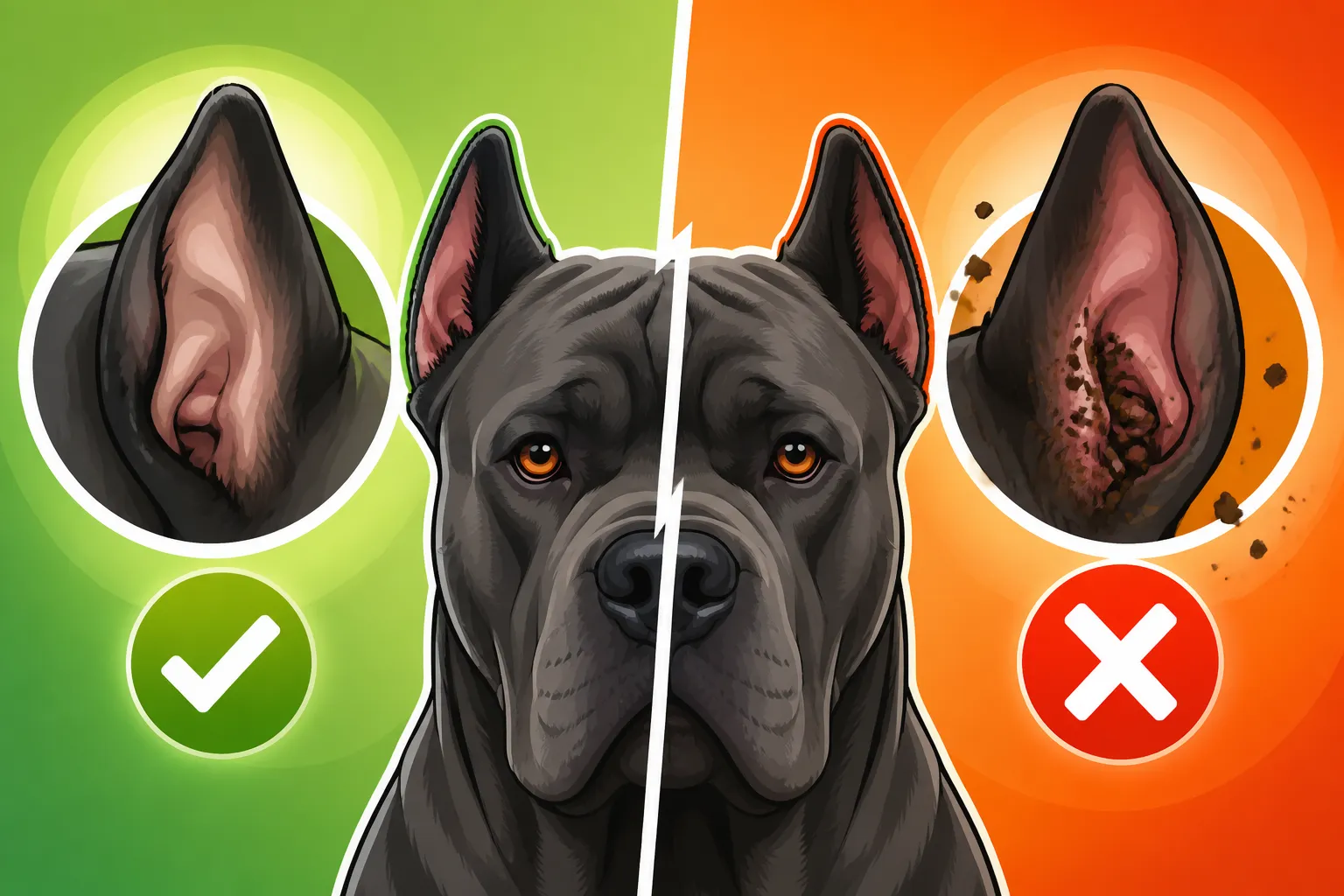
- Redness and Swelling: Gently lift the ear flap and examine the visible parts of the ear canal and the inner surface of the ear flap. Is it red, inflamed, or swollen compared to its normal appearance? Even a slight pinkness can indicate a brewing problem.
- Unusual Discharge: Healthy ears have minimal, light brown wax. If you see dark brown, black, yellow, or green discharge, or if it has a greasy or pus-like consistency, that's a red flag. What Collects in a Cropped Cane Corso's Ear can be similar, but a natural ear might hide it longer.
- Foul Odor: Trust your nose! A healthy ear should have a very mild, almost neutral smell. A strong, sweet, yeasty, or rancid odor is a tell-tale sign of bacterial or yeast overgrowth. This could be part of The Yeast Smell on a Cane Corso's Skin Folds manifesting in the ear.
- Pain or Sensitivity: If your Cane Corso yelps, flinches, or pulls away when you touch their ear, or if they resist having their ear touched at all, they are likely experiencing pain.
- Crusts, Scabs, or Hair Loss: In more advanced cases, you might see crusty lesions, scabs from scratching, or even patches of hair loss around or on the ear due to persistent rubbing and inflammation.
- Changes in Behavior: A dog with painful ears might become lethargic, irritable, lose their appetite, or seem generally withdrawn.
If you notice any of these symptoms, it's time to take action. Don't assume it will just go away on its own; ear infections are progressive and can become much more difficult to treat if left unattended.
When to Seek Professional Help
While a mild ear irritation might sometimes respond to a single careful cleaning, it's generally best to err on the side of caution and consult your veterinarian if you observe any of the symptoms listed above. Delaying a vet visit can lead to several complications:
- Worsening Infection: What starts as a simple yeast overgrowth can quickly become a bacterial infection, which is often more severe and requires antibiotics.
- Chronic Issues: Untreated or poorly treated ear infections can become chronic, meaning they recur frequently and are harder to manage long-term. This can be frustrating for both you and your Cane Corso.
- Pain and Discomfort: Your dog is suffering! Providing timely medical intervention is part of responsible pet ownership.
- Damage to the Ear Drum: In severe cases, infections can lead to rupture of the eardrum or spread to the middle or inner ear, potentially causing balance issues, deafness, or even neurological problems.
- Resistance to Treatment: Repeated, incorrect self-treatment can lead to drug-resistant bacteria, making future infections even harder to cure.
Your vet will perform an otoscopic exam, looking down into the ear canal, and likely take a swab for cytology (examining under a microscope) to identify whether the culprit is yeast, bacteria, or both. This allows them to prescribe the correct medication, whether it's an antifungal, antibiotic, or anti-inflammatory. The Vet Bill for a Cane Corso's Recurring Ear Infection can be significantly higher if you wait for the issue to become chronic or complicated.
Preventative Vet Visits and Regular Check-ups
Beyond reactive care, integrating ear health into your Cane Corso's regular preventative vet visits is a smart move.
- Annual Wellness Exams: During your Cane Corso's annual check-up, ask your vet to thoroughly examine their ears, even if you haven't noticed any issues. They might spot subtle signs of inflammation or wax buildup that you missed.
- Professional Cleaning: In some cases, especially for dogs with very waxy ears or a history of chronic issues, your vet might recommend a professional ear flush under sedation. This allows them to deep clean the ear canal thoroughly and safely, removing impacted wax that home cleaning can't reach.
- Discussing Long-Term Strategies: If your Cane Corso struggles with recurrent ear infections, talk to your vet about a long-term management plan. This might involve exploring allergy testing, dietary changes, or specific maintenance medications. They can advise on Whether an Uncropped Cane Corso Needs More Ear Cleaning based on their individual needs and history.
By being vigilant, understanding the signs, and partnering with your veterinarian, you can keep your Cane Corso's natural ears healthy and comfortable for their entire life.
Debunking Myths About Ear Cropping and Ear Health
For many years, and even still today, one of the primary arguments for ear cropping in breeds like the Cane Corso was that it prevented ear infections and improved overall ear health. This idea has persisted, but modern veterinary science and extensive experience with natural-eared dogs largely debunk this as a universal truth.
Cropping for "Cleanliness": A Misconception
The notion that cropping an ear makes it inherently "cleaner" or less prone to infection is a widespread misconception. While it is true that a cropped ear, standing erect, allows for significantly better air circulation and reduces the warm, humid environment that yeast and bacteria love, this doesn't automatically equate to perfect health. It merely changes the type of ear care challenges you might face.
Cropping involves surgical removal of part of the ear flap, a painful procedure that requires recovery and dedicated aftercare, including taping and posting for weeks or months. This post-surgical period itself carries risks of infection and discomfort. Furthermore, a cropped ear is more exposed to the elements. Grass seeds, dust, and other foreign bodies can more easily enter the open ear canal, potentially causing irritation or infection. In some cases, the skin around the cropped edge can be sensitive or develop scar tissue that still requires care.
The idea that Whether Cropped Cane Corso Ears Get Fewer Infections is a complex one. Some studies suggest a slight reduction in certain types of infections due to improved airflow, but it's not a magic bullet. Ultimately, any ear, whether natural or cropped, requires consistent observation and cleaning. A poorly maintained cropped ear is just as susceptible to problems as a poorly maintained natural ear. The key isn't the shape of the ear, but the diligence of the owner. Why Cane Corso Ears Are Cropped in the First Place historically was often more about functionality for working roles or aesthetic preference than a purely health-driven decision.
The Role of Genetics in Ear Health
Beyond the ear's physical structure, genetics play a significant, often overlooked, role in a Cane Corso's predisposition to ear problems. If a Cane Corso's parents or close relatives had chronic ear infections, especially those linked to allergies or specific sensitivities, then the offspring might also inherit that predisposition, regardless of whether their ears are cropped or natural.
Breeders who prioritize health and longevity will screen their breeding stock for a history of chronic ear issues, along with other health clearances like hips and elbows. A dog from a line known for robust health and good immunity is often less prone to skin and ear allergies, which, as we discussed, are major drivers of ear infections.
Consider a scenario where two Cane Corsos both have natural ears. One comes from a line with no history of allergies or ear issues, and the other from a line where family members have suffered from chronic environmental allergies manifesting in their ears. Even with identical care routines, the second dog is statistically more likely to develop ear problems because of its genetic predisposition to allergies.
Therefore, when choosing a Cane Corso puppy, asking about the ear health history of the parents and their lineage can provide valuable insight. Good genetics, combined with proper care, are the strongest defense against ear issues, far more so than simply altering the physical appearance of the ear through cropping. The shape of the ear might be a factor in how an infection manifests or how easily moisture gets trapped, but the underlying susceptibility to inflammation, allergies, or immune responses is largely genetic.
| Feature | Natural (Floppy) Ears | Cropped (Erect) Ears |
|---|---|---|
| Airflow | Limited, creating a warm, humid environment | Excellent, promoting dryness and ventilation |
| Moisture Retention | High, easy for water to get trapped and linger | Low, dries out quickly |
| External Debris | Ear flap can brush against vegetation, collecting debris; less direct entry into canal | More exposed, easier for dust, seeds, or insects to enter canal |
| Visibility of Issues | Can be harder to spot early signs of redness or discharge due to flap cover | Easier to visually inspect for redness, discharge, or irritation |
| Risk of Infection (Yeast/Bacteria) | Higher due to humidity and lack of airflow if not regularly cleaned | Lower for yeast/bacterial infections, but still possible from other causes |
| Risk of Infection (Foreign Bodies) | Lower, ear flap provides some protection | Higher, open canal allows easier entry |
| Routine Cleaning | Essential for removing wax, debris, and managing moisture | Important for removing external debris; less about humidity |
| Surgical Procedure | None involved (unless for medical reasons) | Elective cosmetic surgery with associated risks and recovery |
| Aftercare | General hygiene | Intensive post-surgical care (taping, posting) |
This article is for general informational purposes only and does not constitute professional advice. Laws, prices and regulations vary by location and change over time. Consult a qualified professional for guidance on your specific situation.