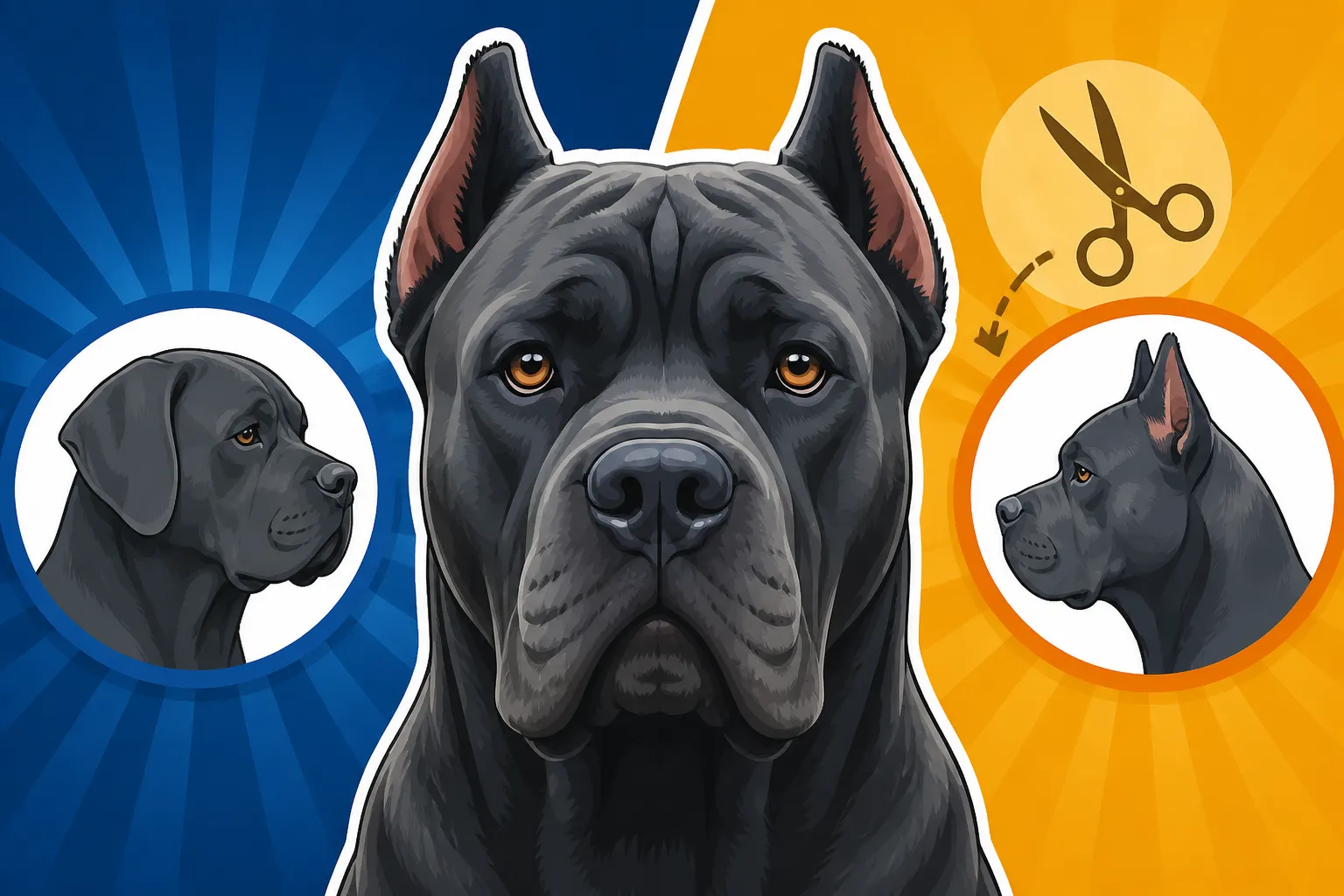
Why Cane Corso Ears Are Cropped in the First Place
One of the most frequently asked questions about the majestic Cane Corso often revolves around their ears, specifically why you see so many with upright, cropped ears while others have natural, floppy ones. It's a topic that stirs a lot of conversation, steeped in history, tradition, and evolving views on animal welfare. For those considering bringing one of these incredible dogs into their lives, understanding the "why" behind ear cropping is essential to making an informed decision, or simply comprehending the breed's journey.
The Historical Purpose of Ear Cropping in the Cane Corso
To truly grasp why Cane Corso ears were, and sometimes still are, cropped, we need to take a step back in time and look at the breed's origins. These aren't just pretty dogs; they are working dogs, descendants of Roman war dogs, and for centuries they served a vital role on farms and estates across Southern Italy. Their purpose was protection – guarding livestock, property, and their families from threats.
Guarding Against Predators and Intruders
Imagine a Cane Corso working a farm in ancient Italy. Their job often put them face-to-face with formidable adversaries like wild boar, wolves, or human intruders. In these intense, often brutal encounters, long, floppy ears could be a significant liability. Ears are delicate, vascular structures, easily torn, bitten, or grabbed. A severe ear injury wasn't just painful; it could lead to infection, significant blood loss, and could incapacitate a working dog, rendering it useless or even leading to its death.
The solution, born out of necessity, was simple: crop the ears short. This removed the vulnerable "handles" that an opponent could seize, minimizing injury during a fight. It was a practical, albeit harsh, measure taken for the dog's own protection in a working environment where survival often depended on being resilient and unencumbered. This wasn't about aesthetics; it was about function and survival in a world that was often unforgiving. It’s part of the lore of The Roman War Dog Behind the Cane Corso.
Working with Livestock and Hunting Boar
Beyond guarding the perimeter, Cane Corsos were also crucial in driving cattle and hunting large, dangerous game like wild boar. When you consider the sheer power and aggression of a boar, or the unpredictable movements of agitated livestock, a dog's ears could easily get snagged, torn, or trampled.
Picture a Cane Corso holding a wild boar, a task requiring immense strength, courage, and resilience. Every part of the dog had to be as streamlined and protected as possible. Cropped ears meant less chance of injury in dense undergrowth, less likelihood of being caught by tusks, and an overall more robust animal capable of enduring the rigors of its demanding work. It was a common practice for many working breeds, not just the Cane Corso, to crop ears and dock tails for similar reasons – to prevent debilitating injuries in the field. This history is deeply tied to The Farm Job the Cane Corso Was Kept For.
The Modern Cane Corso and the Breed Standard
While the original reasons for cropping were purely functional, as the Cane Corso transitioned from a farm dog to a recognized breed, especially in the last few decades, the practice became intertwined with tradition and the breed standard.
Aesthetic Preference and Breed Identity
For many enthusiasts, the cropped ears became an iconic part of the Cane Corso's appearance. The erect ears contribute to a regal, alert, and formidable look that aligns with the breed's powerful and protective nature. This aesthetic is deeply ingrained in the breed's identity, influencing perceptions of what a "true" Cane Corso should look like. When you see a Cane Corso with beautifully cropped ears, they often project an air of confidence and strength that breeders and owners admire.
The breed standard, which is a guideline for what a particular breed should look like and how it should behave, often specifies or at least allows for cropped ears. While the American Kennel Club (AKC) standard for the Cane Corso, for example, allows for both natural and cropped ears, the preference for many in the show ring often leans towards cropped ears, as they are seen to enhance the head's appearance and the dog's overall presence. This is a critical consideration for those asking Whether an Uncropped Cane Corso Can Win in the Ring.
Different Crop Styles and Their Impact
Not all ear crops are the same. There are various styles, from very short "utility" or "working" crops to longer "show" or "pet" crops. The choice of crop style can significantly alter the dog's facial expression and overall appearance. A skilled veterinary surgeon, ideally one experienced with the breed, is crucial for achieving a symmetrical and appropriate crop that complements the dog's head.
The process typically involves surgery performed on puppies, usually between 8 and 12 weeks of age, under general anesthesia. After the surgery, the ears require a period of taping and posting to ensure they stand erect. This can be a weeks-long commitment, requiring regular changes of tape and diligent care to prevent infection and ensure proper healing. Understanding Which Crop Styles a Cane Corso Is Given is important if you're considering this path. Finding a veterinarian who not only performs the procedure but also provides excellent aftercare and guidance on The Posting Routine After a Cane Corso Is Cropped is essential.
The Ethical Debate and Changing Perspectives
In recent decades, ear cropping, along with tail docking, has become a highly controversial topic, sparking passionate debates among animal welfare advocates, veterinarians, and breed enthusiasts.
Animal Welfare Concerns
The primary argument against ear cropping centers on animal welfare. Opponents view it as a painful, unnecessary cosmetic surgery that provides no health benefit to the dog. They argue that it deprives the dog of a natural part of its body, can lead to complications such as infection, and can even affect a dog's ability to communicate subtle cues with other dogs. Advocates for natural ears emphasize that dogs use their ears for expression, communicating everything from curiosity to aggression, and that cropping can hinder this natural form of canine communication.
Many veterinary organizations worldwide have issued statements opposing cosmetic ear cropping, citing ethical concerns. They advocate for natural ears, highlighting that dogs are beautiful and capable without modification. This stance is part of a broader movement towards more humane treatment of animals and a rejection of practices considered purely aesthetic. For those recovering from such a procedure, supportive care items, like soft recovery cones or special diets, are often sought after, and many owners turn to online retailers like Chewy for a wide selection of these products.
Legal Restrictions and Bans
Globally, the legal landscape surrounding ear cropping is rapidly changing. Many countries, particularly in Europe, have banned ear cropping, making it illegal to perform the procedure or, in some cases, even to import dogs with cropped ears. These bans reflect a societal shift in understanding animal rights and welfare.
Even within the United States, where it is generally still legal, there are growing calls for restrictions and outright bans. This means that if you own a Cane Corso with cropped ears, you might face challenges if you travel internationally or even move to certain regions. It's a complex issue, and it directly impacts whether Countries Where a Cropped Cane Corso Cannot Be Shown might apply to your dog. Owners must be aware of these varying laws and how they might affect their ability to travel or participate in certain activities with their dogs.
Navigating the Decision as a Cane Corso Owner
For prospective and current Cane Corso owners, the decision regarding ear cropping is a deeply personal one, influenced by a mix of tradition, aesthetics, perceived benefits, and ethical considerations.
Respecting Personal Choices
Ultimately, whether to crop a Cane Corso's ears is a choice that each owner must make, often in consultation with their breeder and veterinarian. There are valid reasons why an owner might choose to crop, rooted in the breed's history and the desire to adhere to a traditional look. Conversely, many owners now embrace the natural look, prioritizing the dog's comfort and avoiding a surgical procedure they deem unnecessary.
It's important to approach this topic with respect for differing viewpoints. The key is always to ensure the dog's health and well-being are paramount. If you choose to crop, finding a skilled, ethical veterinarian who performs the procedure safely and provides thorough aftercare is non-negotiable. The cost of this specialized care and the subsequent recovery supplies, perhaps ordered from a convenient platform like Chewy, is also a significant factor to consider. The Cost of Cropping a Cane Corso's Ears can be substantial, and it’s important to budget for it.
Considerations for Natural Ears
For those who choose to keep their Cane Corso's ears natural, there are different considerations. Floppy ears can be more prone to certain ear infections because they don't get as much air circulation. Regular cleaning and checking for signs of redness, odor, or discharge become essential parts of routine care. However, with proper hygiene, natural-eared Cane Corsos live perfectly healthy and happy lives.
The beauty of a natural-eared Cane Corso is undeniable – their soft, expressive ears add a distinct charm and can convey a wide range of emotions. While some may argue it changes the "fierce" look, many find the natural ears equally, if not more, endearing and in line with a modern approach to pet ownership. Furthermore, a natural ear saves your dog from a surgery and recovery period, and frees you from the lengthy process of How Long a Cane Corso's Ears Stay Taped.
Here's a quick comparison of factors to consider:
| Feature | Cropped Ears | Natural Ears |
|---|---|---|
| Historical Basis | Protection in working roles (guarding, hunting) | Original, un-modified state |
| Aesthetics | Alert, powerful, traditional breed look | Soft, expressive, natural appearance |
| Surgery | Requires general anesthesia, post-op care, taping | No surgical intervention |
| Pain/Recovery | Significant discomfort, weeks of recovery/taping | No post-surgical pain |
| Communication | Potentially alters subtle canine ear cues | Full range of ear expression for canine communication |
| Infection Risk | Post-surgical infection risk; minimal for healed ears | Higher risk of ear infections due to less air circulation |
| Legal Status | Banned in many countries; increasing restrictions | Generally accepted worldwide |
| Cost | Veterinary fees, aftercare supplies (e.g., from Chewy) | Standard grooming/cleaning costs only |
No matter your stance, understanding the historical context, the breed standard, and the ongoing ethical discussions is key to being a responsible Cane Corso owner. This knowledge empowers you to make a choice that aligns with your values and ensures the best possible life for your magnificent companion.
Disclaimer
This article is for general informational purposes only and does not constitute professional advice. Laws, prices and regulations vary by location and change over time. Consult a qualified professional for guidance on your specific situation.