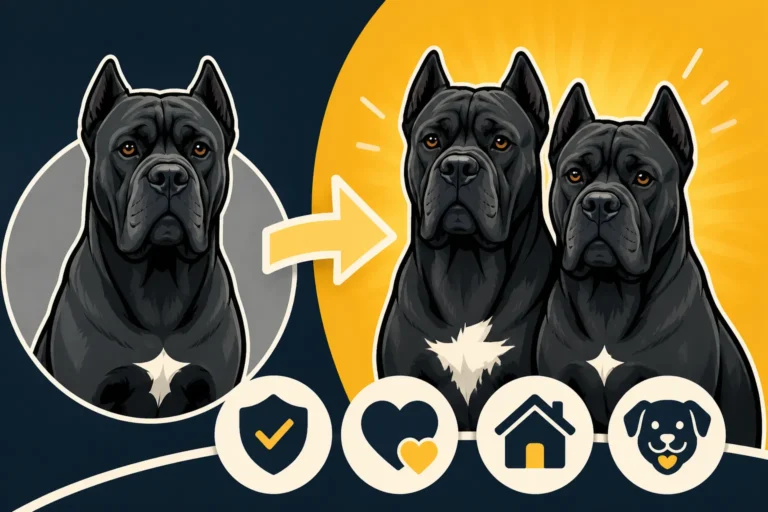
The Cost of Cropping a Cane Corso’s Ears
Bringing a Cane Corso puppy home is an incredibly exciting time, full of dreams of a loyal, magnificent companion. However, many new owners quickly find themselves facing a complex decision about ear cropping, often compounded by confusing information and the daunting question of cost. This guide aims to demystify the financial aspects of Cane Corso ear cropping, exploring everything from the procedure itself to the hidden aftercare expenses, so you can make an informed decision for your powerful puppy.
Understanding Cane Corso Ear Cropping: Why and How
The practice of ear cropping for Cane Corsos is a deeply rooted tradition, tied to the breed's historical working roles and now, its aesthetic standard. It's a topic that often sparks passionate debate, but for owners considering it, understanding the "why" and "how" is crucial before delving into the financial commitment.
The Historical Context and Breed Standard
Originally, the Cane Corso was a working dog from Italy, a formidable guardian of property, livestock, and even a participant in hunting large game like wild boar. In these roles, ears were often cropped short to prevent injuries during confrontations with animals or intruders. A dog with torn or bitten ears was at a disadvantage, and the cropping procedure was seen as a practical measure to protect the dog's health and effectiveness. The breed standard, as set by various kennel clubs, subsequently incorporated the cropped ear as a characteristic feature. For many enthusiasts, it defines the quintessential Cane Corso look – a powerful, alert, and imposing presence. This aesthetic preference, coupled with the desire to adhere to historical form, continues to drive the demand for cropping, especially for those considering showing their dogs or preserving traditional appearances. It's not just about looks; for many, it's about honoring the heritage of this incredible breed.
The Surgical Procedure Itself
Ear cropping is a surgical procedure typically performed on Cane Corso puppies between 8 and 12 weeks of age. This timing is critical because the cartilage is still soft enough to be shaped, and the puppy's recovery tends to be faster and less traumatic than for an older dog. The surgery involves carefully removing a portion of the ear flap to achieve a desired shape, which can vary from a short, utilitarian crop to a longer, more elegant "show" crop. This isn't a simple snip; it requires a skilled veterinarian with specific experience in cosmetic ear surgery for large breeds. The puppy is placed under general anesthesia, a critical consideration given the size and deep-chested nature of Cane Corsos, which can have implications for anesthesia risk. Once the ear is shaped, the edges are stitched, and the ears are typically taped or posted to a temporary frame to ensure they heal upright and in the correct position. This initial posting is just the beginning; the aftercare is often more extensive and demanding than the surgery itself, requiring weeks, if not months, of diligent attention.
Key Factors Influencing Ear Cropping Costs
When you start researching the cost of ear cropping, you'll quickly realize there's no single, fixed price tag. Several variables come into play, making it difficult to get an exact quote without a direct consultation. Understanding these factors will help you prepare for the potential expenses and differentiate between a fair price and a suspiciously low one.
Geographic Location and Veterinary Expertise
Just like real estate or any specialized medical procedure, the cost of ear cropping can vary significantly based on your geographic location. A veterinarian in a high-cost-of-living urban area, for instance, will likely charge more than one in a rural setting. This reflects overhead costs, property values, and regional demand. Beyond location, the expertise of the veterinarian is a massive factor. This isn't a routine spay or neuter; it's a cosmetic surgery that requires a highly skilled, experienced surgeon. Vets who specialize in ear cropping for Cane Corsos and other large breeds, and who consistently achieve excellent aesthetic results, command higher fees. They have invested in specialized training, tools, and often have a portfolio of their work. Opting for a cheaper vet who performs the procedure infrequently or lacks specific experience can lead to poor results, complications, or even the need for corrective surgery down the line, ultimately costing you more both financially and emotionally. It's a classic case of "you get what you pay for," and with a procedure this visible and impactful, cutting corners is rarely advisable. Where Cropping a Cane Corso Requires a Licensed Vet is an important piece of research to do for your region.
Anesthesia, Facilities, and Surgical Complexity
The cost isn't just about the cut; it's about the entire surgical experience. Anesthesia is a major component of any surgery, and for a Cane Corso puppy, safe anesthesia requires careful monitoring, specialized drugs, and often, an dedicated technician. The longer the procedure and the larger the puppy, the more resources are typically consumed, directly impacting the overall fee. Furthermore, the quality of the veterinary facility plays a role. A state-of-the-art clinic with advanced surgical suites, sterile environments, and immediate access to emergency equipment will naturally have higher operating costs than a basic practice. The complexity of the specific crop style desired also matters. A very short, simple "working" crop might take less time and skill than a perfectly symmetrical, long "show" crop. The individual puppy's ear cartilage and structure can also introduce variables; some ears are more challenging to work with than others, requiring more intricate surgical skill and time, all of which contribute to the final bill. When you're looking at Anesthesia Charges on a Hundred Pound Cane Corso for other procedures, you'll see how quickly those costs add up.
Age of the Puppy and Pre-Surgical Health Checks
As mentioned, ear cropping is best performed on young puppies, ideally between 8 and 12 weeks. If you acquire an older puppy that still needs its ears cropped, the procedure can be more complicated and costly. The cartilage hardens with age, making it more difficult to shape and increasing the recovery period. This can mean more extensive anesthesia, longer surgical time, and a greater challenge in getting the ears to stand properly, which often translates to higher fees. Before any surgery, a reputable veterinarian will require a thorough pre-surgical health check. This typically includes a physical examination, blood work to assess organ function and clotting ability, and sometimes an EKG, especially for a large breed puppy that will undergo general anesthesia. These diagnostic tests are crucial for ensuring the puppy is healthy enough for surgery and minimizing risks. While these checks add to the upfront cost, they are non-negotiable for your puppy's safety and are included in the comprehensive pricing of an ethical clinic. Skipping these steps to save money is a dangerous gamble with your Cane Corso's well-being.
A Detailed Breakdown of Ear Cropping Expenses
Understanding the individual components that make up the total cost of ear cropping can help you budget more effectively and ask the right questions when speaking with veterinary clinics. It’s rarely just one lump sum; instead, it’s an amalgamation of services and supplies.
Initial Consultation and Diagnostics
Before any surgical procedure, a thorough initial consultation is essential. This is your opportunity to meet the veterinarian, discuss the procedure in detail, review different crop styles, and address any concerns you might have. During this visit, the vet will examine your Cane Corso puppy's ears, assess its overall health, and confirm that it’s a suitable candidate for the surgery. This consultation often comes with a fee, separate from the surgery itself. Following this, pre-surgical diagnostics are critical. As discussed, these usually include a complete blood count (CBC) and a chemistry panel to check organ function, ensure there are no underlying infections, and confirm proper blood clotting. Sometimes, additional tests might be recommended based on the individual puppy's history or breed predispositions. While these diagnostic fees can feel like an extra expense, they are vital for ensuring your puppy’s safety under anesthesia and avoiding potentially life-threatening complications. These initial steps alone can run a few hundred dollars, but they are an investment in peace of mind.
The Surgical Fee and Anesthesia
This is typically the largest portion of the ear cropping cost. The surgical fee encompasses the surgeon's time and skill, the use of sterile surgical facilities, and all necessary surgical instruments and supplies. It also accounts for the post-operative pain medication administered directly after the procedure. Anesthesia costs are usually bundled into this fee or itemized separately. This includes the anesthetic drugs themselves, the equipment for monitoring heart rate, breathing, oxygen saturation, and blood pressure throughout the surgery, and the dedicated veterinary technician who observes your puppy's vital signs from induction to recovery. For a Cane Corso, given their size and potential genetic predispositions, careful anesthetic monitoring is paramount. The expertise required for a clean, symmetrical, and aesthetically pleasing crop also justifies a higher surgical fee. You'll want to inquire about exactly what is included in this fee, such as initial pain medication to take home or follow-up checks. A "What a Cropped Cane Corso Puppy Costs More" factor is usually the quality of this surgical component.
Post-Operative Care and Taping
The surgery is only half the battle; the post-operative care and ear taping (also known as "posting") are equally, if not more, critical for successful results. After the initial surgery, your puppy will need prescribed pain medication and antibiotics, which are an additional cost. The most significant ongoing expense and time commitment, however, comes from the repeated taping and re-taping of the ears. For weeks, and often months, the ears must be kept in an upright position with tape and sometimes a light support frame. This process ensures the cartilage strengthens and heals in the desired shape. You'll have multiple follow-up appointments with your vet or a specialized technician for re-taping, usually every 1-2 weeks. Each re-taping session incurs a fee, and you might need 10-20 or even more sessions depending on how well your puppy's ears stand.
These follow-up visits are crucial, and skipping them to save money can lead to "floppy" ears that never stand correctly, rendering the entire cropping procedure pointless. You'll also need to purchase supplies like tape, cleaning solutions, and sometimes specific ear cones, which can be found at pet supply stores like Chewy. This aftercare period can be challenging, requiring patience and diligence, and its cumulative cost is often underestimated by new Cane Corso owners. What Aftercare on a Cropped Cane Corso Costs is a substantial part of the total investment.
Navigating Financial Realities and Alternatives
The decision to crop your Cane Corso's ears is a significant one, both emotionally and financially. It’s important to look at the complete picture, including options like pet insurance and understanding the increasing acceptance of natural ears.
The Role of Pet Insurance and Budgeting
Many Cane Corso owners wisely invest in pet insurance to help mitigate unexpected veterinary costs throughout their dog's life. However, it's crucial to understand that elective cosmetic procedures like ear cropping are almost universally not covered by pet insurance providers. Policies from companies like Healthy Paws are designed to cover accidents, illnesses, and emergencies, not procedures done for aesthetic reasons or breed standards. This means the entire cost of ear cropping will come directly out of your pocket. Therefore, comprehensive budgeting is essential. You need to account for the initial surgical fees, pre-surgical diagnostics, and the ongoing, often lengthy, aftercare appointments for taping and re-taping.
It's advisable to set aside a dedicated fund for this procedure, separate from your regular pet care budget, which should already include expenses for food from providers like Ollie, regular vet check-ups, and training. Understanding that Whether Insurance Covers a Cane Corso's Ear Crop is usually a resounding "no" allows you to plan accordingly, avoiding financial surprises later on. Remember, while the initial surgery cost might be quoted in the hundreds or low thousands, the total cost including all follow-ups can easily escalate.
Weighing the Pros and Cons of Natural Ears
While cropped ears are traditional for the Cane Corso, many owners are choosing to leave their dogs’ ears natural, a decision that is gaining wider acceptance and even becoming a requirement in some countries for showing. The most obvious financial benefit of natural ears is avoiding the entire cost of cropping and its extensive aftercare. This instantly saves you a significant sum, allowing those funds to be allocated to other aspects of your Cane Corso's care, such as high-quality food, advanced training, or general health insurance. Beyond cost, there's the ethical consideration for some owners who prefer to avoid elective surgery altogether.
However, natural ears do require their own set of considerations. They can be more prone to ear infections due to less airflow and can be more susceptible to injury during rough play or work, though this is less common for most companion dogs. Routine cleaning of natural ears is a must to prevent issues. While the aesthetic might differ from the traditional image, a Cane Corso with natural ears is still a magnificent and impressive animal. This choice often comes down to personal preference, ethical stance, and adherence to local regulations or breed club standards for showing. Many feel that the dog's temperament and health are far more important than its ear carriage.
| Expense Category | Estimated Cost Range (USD) | Notes |
|---|---|---|
| Initial Consultation | $50 – $150 | Often includes initial exam; separate from surgery quote. |
| Pre-Surgical Diagnostics | $150 – $400 | Blood work, possibly EKG, crucial for anesthesia safety. |
| Surgical Fee (Cropping) | $500 – $1,200 | Varies widely by vet expertise, location, and crop style. Includes anesthesia. |
| Post-Op Medications | $50 – $150 | Pain relief, antibiotics for recovery. |
| Taping/Posting Sessions | $30 – $80 per session | 10-20+ sessions often needed, can add hundreds over months. The Posting Routine After a Cane Corso Is Cropped can be lengthy. |
| Aftercare Supplies | $50 – $100 | Tape, cleaning solutions, cotton, etc. |
| Total Estimated Cost | $850 – $2,000+ | This range is a broad estimate and can fluctuate significantly. |
Note: These are estimated ranges. Always obtain a detailed quote from your chosen veterinarian.
Finding a Reputable, Ethical Veterinarian
Whether you decide to crop your Cane Corso's ears or leave them natural, choosing a reputable and ethical veterinarian is paramount. If you opt for cropping, seek out a vet with extensive experience specifically in ear cropping large breeds like the Cane Corso. Don't be afraid to ask for photos of their previous work, references, and to discuss their post-operative care protocol in detail. A good vet will prioritize the health and well-being of your puppy above all else, ensuring appropriate pain management and meticulous aftercare. They should be transparent about all costs involved, from the surgery to the estimated number of follow-up taping sessions and their associated fees.
They should also be willing to discuss the pros and cons honestly and support your decision, whether it's for cropped or natural ears. Your veterinarian is a crucial partner in your Cane Corso's journey, and establishing a relationship based on trust and clear communication is invaluable. This due diligence can prevent complications, ensure a better outcome, and ultimately save you money and heartache in the long run. Knowing The Cost of Cropping a Cane Corso's Ears is just the first step; finding the right professional is equally vital.
Disclaimer
This article is for general informational purposes only and does not constitute professional advice. Laws, prices and regulations vary by location and change over time. Consult a qualified professional for guidance on your specific situation.