How Long a Cane Corso’s Ears Stay Taped
Bringing home a Cane Corso puppy with those iconic, freshly cropped ears is an exciting milestone, but it often quickly shifts into the perplexing world of ear taping. You're suddenly an amateur ear expert, meticulously cleaning, positioning, and re-taping, all while wondering, just how long is this going to take? It can feel like a never-ending process, leaving you second-guessing if you're doing it correctly or if those ears will ever stand proudly on their own. This comprehensive guide will demystify the ear taping journey for your Cane Corso, detailing the typical timelines, influencing factors, and crucial aftercare to help you confidently navigate this important period.
The Journey of Ear Cropping and the Purpose of Taping
Before we dive into the taping duration, it helps to understand why we even tape ears in the first place, especially for a breed like the Cane Corso. Ear cropping is a centuries-old practice, traditionally done for working dogs to prevent injuries in the field or to give a more formidable appearance. While controversial to some, for many Cane Corso owners, it's considered part of the breed's traditional look, accentuating their powerful head and alert expression.
Initial Healing After the Crop
The very first phase, of course, isn't about taping at all, but about healing. Immediately after the cropping procedure, your vet will apply sutures and a bandage to protect the raw edges and help the ears begin to heal. This initial bandaging typically stays on for about 7 to 14 days. During this time, your main job is to keep the area clean and dry, administer any prescribed pain medication or antibiotics, and watch for signs of infection. It's a critical period where the wound closes, and the delicate skin starts to mend. You might be focused on Aftercare on a Freshly Cropped Cane Corso during these first few weeks, ensuring the puppy is comfortable and the sites are healing cleanly.
Why Taping is Essential for Standing Ears
Once the sutures are removed and the initial healing is complete, that's when the real taping journey begins. The purpose of taping is essentially to train the ear cartilage to stand upright. A Cane Corso's natural ear is soft and pliable, especially when they are puppies. Cropping removes a portion of the ear leather, but the remaining cartilage still needs support and direction to harden into the desired standing position. Think of it like setting a broken bone: you need a cast to hold it in place while it heals. Ear taping provides that consistent support, encouraging the cartilage to strengthen and hold its new shape. Without proper and consistent taping, even a perfectly cropped ear may never stand correctly, often resulting in "floppy" tips or ears that eventually drop entirely.
Understanding the Taping Timeline: What to Expect
There's no single magic number for how long your Cane Corso's ears will need to be taped. Every puppy is an individual, and their ears will develop at their own pace. However, we can talk about typical ranges and stages.
General Duration and Stages of Taping
Generally speaking, you can expect to be taping your Cane Corso's ears for anywhere from three to eight months, and sometimes even longer. This might sound like a huge range, but it truly depends on several factors we'll discuss shortly. The process typically involves several "posts" or taping sessions.
- Initial Posting (Weeks 2-12): After the initial healing, the ears are usually posted for the first time. These early posts are often more about establishing the foundational shape and ensuring the ears aren't curling or twisting incorrectly. They might be lighter, or involve specific techniques to correct any initial "lean."
- Consistent Posting (Months 3-6): This is often the most intensive period. You'll be regularly re-taping, usually every 5-7 days, after a brief "air-out" period. The goal here is consistency. Each time you re-tape, you're reinforcing the desired upright position, allowing the cartilage to strengthen.
- Weaning and Monitoring (Months 6+): As the ears gain strength, you might start to extend the time between tapings, or use lighter, less restrictive posts. This is the "weaning" phase, where you're testing the ears' ability to stand on their own for longer periods. It’s a delicate balance of providing support while allowing the ears to develop self-sufficiency.
It's common for one ear to stand before the other, or for them to wobble a bit when your puppy is excited or tired. Patience is absolutely key during this entire process.
The Posting Routine After a Cane Corso Is Cropped
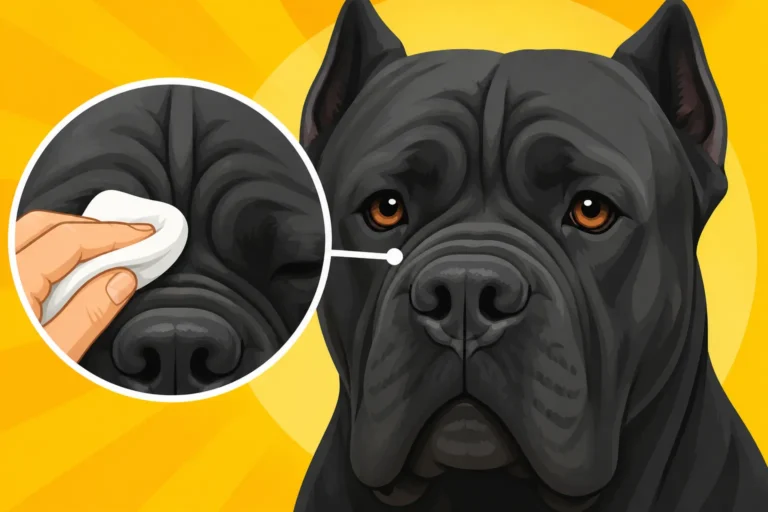
The routine usually involves removing the old tape, gently cleaning the ears with a mild antiseptic or witch hazel, and allowing them to air out for a short period (15 minutes to an hour, depending on your vet's advice and the ear's condition). This "air-out" time is crucial to prevent moisture buildup and skin irritation. Then, new posts are carefully applied. Many owners use soft foam backer rod, cotton, or even specialized plastic posts, wrapped in a self-adhesive veterinary wrap like Vet Wrap. Ensuring the posts are clean, dry, and not too tight is paramount. You might find various ear taping kits and supplies on pet supply sites like Chewy, which can make the process a bit easier. Learning The Posting Routine After a Cane Corso Is Cropped from your vet is the best way to ensure correct application and minimize issues.
Here's a general overview of the ear taping journey:
| Stage | Approximate Duration | Primary Goal | Key Considerations |
|---|---|---|---|
| Initial Healing | 1-2 Weeks | Wound closure, suture removal | Keep clean, prevent infection, pain management |
| Foundation Taping | 4-8 Weeks | Establish basic upright position, prevent curling | Gentle application, monitor for irritation |
| Consistent Posting | 3-6 Months | Strengthen cartilage, reinforce upright stance | Regular re-taping (5-7 days), cleanliness, proper tension |
| Weaning Phase | 1-3 Months+ | Test ears' ability to stand independently | Extend time between posts, lighter posts, careful observation |
| Full Stand | Varies (often 6-12 months from crop) | Ears consistently hold without support | Continued monitoring for dropping, good ear hygiene |
Factors That Influence Taping Time
While the general timeline gives you an idea, several factors can significantly impact how long your Cane Corso's ears will need to be taped. Understanding these can help you manage your expectations and adjust your approach.
Genetics and Cartilage Quality
Perhaps the biggest factor is simply genetics. Some Cane Corso lines naturally have stronger, thicker ear cartilage that stands up more easily and quickly. Other lines might have thinner, softer cartilage that requires more prolonged support. This isn't a fault; it's just a genetic predisposition. If you purchased your puppy from a reputable breeder, they might be able to give you an idea of how long ears typically stand in their lines, as they've gone through this process with many puppies before. While you can't change genetics, knowing your dog's likely predisposition can help you commit to the necessary duration.
Skill of the Cropper and Taper
The quality of the ear crop itself plays a huge role. A skilled veterinarian who understands the Cane Corso's anatomy and the specifics of proper cropping will create a cleaner, more balanced cut that is easier to post and stands better. Poorly cropped ears, or ears with uneven cuts, can be much harder to get to stand correctly and may require longer taping or even additional corrective procedures. Similarly, your skill in taping matters. Learning proper technique from your vet is crucial. If tapes are applied too loosely, they won't provide adequate support. If they're too tight, they can cause circulation issues or painful sores. Consistent, correct application makes a world of difference.
Puppy Activity and Play Style
Cane Corso puppies are big, boisterous, and full of energy! Their vigorous play, roughhousing with littermates or other dogs, and even just shaking their head can stress the ears and loosen posts. A puppy that's constantly running into things or playing hard might inadvertently damage their posts, requiring more frequent re-taping. On the other hand, an overly subdued puppy might not get enough natural ear movement to help strengthen the cartilage. It's a balance. Keeping an eye on their posts, especially after a serious play session, is important. Also, be mindful of their general health, as issues like Panosteitis and the Shifting Limp in a Cane Corso Puppy can sometimes sideline a puppy, which might also subtly affect their overall development including ear strength.
Consistency and Hygiene
This factor is entirely in your hands! The more consistent you are with taping – meaning removing, cleaning, airing, and re-taping on schedule – the better your chances of success and potentially a shorter overall taping period. Skipping re-taping sessions or leaving posts in too long can allow the ears to flop, undoing previous progress. Similarly, poor hygiene can lead to skin irritation, sores, or infections, which means posts have to come off for healing, setting back the entire process. Regularly cleaning the ears and checking for any redness or discharge is vital. You might find specialty ear cleansers on sites like Amazon or Chewy that are formulated to be gentle and effective.
Recognizing When Your Cane Corso's Ears Are Ready
How do you know when it's finally time to throw away those backer rods and celebrate? It's not always a sudden event, but rather a gradual progression and careful observation.
Signs of a Strong Stand
The clearest sign is when both ears consistently stand tall and firm on their own for extended periods after a post has been removed. They shouldn't be drooping, leaning excessively, or flopping over when your dog is relaxed, excited, or even sleeping. When you see your Cane Corso's ears remain upright and alert, responding to sounds and stimuli, without any support, that's a good indication. Some owners perform "stress tests," such as letting the ears go untaped for a full 24-48 hours, or even longer if there's no sign of weakness. If they remain perfectly vertical, you're likely in the clear.
The "Weaning" Process
Don't just rip the tapes off one day and call it done. The "weaning" process is crucial. This typically involves gradually increasing the time between postings. For example, if you were re-taping every 5-7 days, you might try going 10-14 days without tape, then re-assess. If the ears start to soften or droop even slightly, they go back into posts for another round. Some owners will use lighter posts during this phase, or only tape one ear if it's weaker than the other. It's a trial-and-error period, and it's always better to over-tape for a little longer than to stop too soon and have the ears permanently drop. If you stop too early, you might encounter Whether a Cane Corso's Entropion Returns After Surgery (though this is for entropion, the principle of something returning after insufficient treatment applies).
Common Mistakes That Prolong Taping
Several mistakes can inadvertently prolong the taping process:
- Stopping too soon: This is by far the most common error. Owners get tired or think the ears look "good enough," only for them to flop a few weeks or months later. It's much harder to get ears to stand once they've dropped than to keep them standing from the start.
- Inconsistent taping: Skipping sessions or leaving posts off for too long allows the cartilage to relax and lose progress.
- Improper taping technique: Posts that are too loose, too tight, or incorrectly positioned won't provide effective support.
- Poor ear hygiene: Infections or sores mean posts have to come off, delaying the process and potentially causing scarring that weakens the ear.
- Ignoring a leaning ear: If one ear consistently leans or isn't standing as well as the other, it often needs specific, targeted attention, not just generic posting.
Aftercare and Maintaining Healthy Ears
Even after the taping saga is over and your Cane Corso's ears are standing perfectly, ongoing care is still important to ensure their health and integrity.
Daily Ear Hygiene
Just because the tapes are off doesn't mean you stop looking at their ears. Cropped ears, especially if they have deeper creases or scars from the cropping or taping process, can still collect dirt, wax, and debris. A quick daily wipe with a soft cloth or a pet-safe ear wipe can help keep them clean. Periodically, you might use a veterinarian-approved ear cleaning solution if your dog is prone to wax buildup. This is especially true for The Weekly Ear Check a Cane Corso Owner Should Do, as vigilance helps prevent issues.
Watching for Drooping or Weakness
Even after the ears have stood for months, it's not unheard of for one or both to show signs of weakness or begin to droop again, sometimes as late as a year or more after initial taping. This can happen during major growth spurts, changes in diet, or even stress. If you notice any softening or leaning, don't panic! Often, a quick round of re-taping for a few weeks can correct the issue and get them standing strong again. It's a commitment that can sometimes extend beyond the initial puppy months.
Protecting Cropped Ears
While cropped ears are less prone to certain types of injuries than long, floppy ears (like hematomas from head shaking), they are still vulnerable. Keep an eye out for scrapes or nicks from playing, especially around the edges. In very cold weather, the exposed tips can be susceptible to frostbite, so if your Cane Corso spends time outdoors in freezing temperatures, consider ear protection or limit their exposure. Also, avoid allowing other dogs to mouth or chew on your Cane Corso's ears during play, as this can damage the cartilage.
By understanding the process, being diligently consistent, and providing excellent aftercare, you'll give your Cane Corso the best chance at those magnificent, proudly standing ears. It's a journey that requires patience, but the result is a stunning part of the breed's classic appearance.
Disclaimer
This article is for general informational purposes only and does not constitute professional advice. Laws, prices and regulations vary by location and change over time. Consult a qualified professional for guidance on your specific situation.