Timing a Cane Corso’s Meal Around Its Walk
One of the biggest anxieties for Cane Corso owners, especially new ones, is the fear of bloat, also known as Gastric Dilatation-Volvulus (GDV). This terrifying condition can strike suddenly and is often linked to mealtime habits and exercise. This guide will walk you through the critical considerations for timing your Cane Corso's meals and exercise to minimize risk and optimize their health, helping you establish a safe and healthy routine for your majestic companion.
Understanding the Risk: Why Meal Timing is Critical for Deep-Chested Dogs
Let's be frank: owning a Cane Corso comes with some unique responsibilities, and understanding the risks associated with their deep chests is paramount. Bloat isn't just an upset stomach; it's a life-threatening emergency, and how you manage their meals and activity can play a huge role in prevention.
The Menace of Bloat (Gastric Dilatation-Volvulus)
Bloat, or GDV, is a condition where the stomach fills with gas and twists on itself, cutting off blood supply to the stomach and often the spleen. For a Cane Corso, with its impressive deep chest, there's more room for the stomach to distend and flip, making them one of the breeds at highest risk. It's a sudden, excruciating event that can happen in a matter of hours, and if not treated immediately, it's almost always fatal. Symptoms can include pacing, retching without producing anything, a distended abdomen that feels hard to the touch, and signs of extreme pain. Bloat and What a Cane Corso's Deep Chest Costs dives deeper into the financial and emotional toll of this condition.
Imagine your dog suddenly looking uncomfortable, trying to vomit but nothing comes up, and their belly seems to swell right before your eyes. That panic is something no owner wants to experience. While not every stomach upset is bloat, knowing the early warning signs and, more importantly, understanding preventive measures like proper meal timing, can be a game-changer. The urgency of this condition means that prevention is truly the best medicine.
How Meal Timing Influences Bloat Risk
When a dog eats, especially a large meal, their stomach expands. If they then engage in vigorous activity, particularly right before or after eating, that full, heavy stomach can slosh and swing, increasing the likelihood of it twisting. Think of it like a heavy pendulum: the more momentum it has, the harder it is to stop. Eating too fast can also lead to gulping air, adding to the gas in the stomach, which further contributes to the bloat risk.
This is why the "when" of feeding is almost as important as the "what." Many owners mistakenly think a quick walk immediately after dinner is a good idea, or that letting their Corso run around the yard just before they eat will tire them out for a calm meal. Unfortunately, both scenarios can put an undue strain on their digestive system, creating an environment ripe for GDV. Breaking meals into smaller, more frequent portions is one strategy, but even then, careful timing around exercise is essential. The Mealtime Habits That Turn a Cane Corso's Stomach offers more insight into this.
The Mechanics of a Cane Corso's Digestive System
A Cane Corso's impressive size means they have a large gastrointestinal tract, designed to handle significant amounts of food. However, their deep, narrow chest conformation, while typical for their guardian breed heritage, is a major anatomical factor contributing to bloat risk. Unlike some breeds with shallower chests, the Cane Corso's stomach has more space to move and less support from surrounding organs when distended.
When food is consumed, it travels down the esophagus into the stomach where digestive processes begin. If the dog is active shortly before or after this, the heavy stomach can pivot. Gas accumulation, which can come from gulping air while eating, certain food ingredients, or even stress, exacerbates this. The combination of a full, gassy stomach and physical exertion creates a perfect storm for GDV. Understanding this physiological reality helps us appreciate why strict adherence to meal and exercise timing is not just a recommendation, but a critical health protocol for these magnificent dogs.
The Golden Rules of Mealtime Scheduling: Pre- and Post-Meal Strategies
Establishing a predictable and safe routine for your Cane Corso is one of the kindest things you can do for them. It reduces stress, aids digestion, and significantly lowers the risk of GDV. These aren't just suggestions; they're vital protocols for a deep-chested breed.
The Calm Before the Feast
Before your Cane Corso eats, their body should be in a relaxed state, both physically and mentally. This means no intense exercise, no high-stress situations, and ideally, a calm environment where they can anticipate their meal without frenzy. A short, leisurely potty break is perfectly fine, but anything that gets their heart rate up or encourages gulping air should be avoided. Aim for at least 30-60 minutes of quiet time before their bowl hits the floor.
Think of it like preparing for a fine dining experience yourself. You wouldn't run a marathon right before sitting down for a huge meal, would you? Your Corso needs that same physiological readiness. This quiet period allows their digestive system to prepare, ensuring that when they do eat, they are focused on the food and not distracted by lingering excitement or panting from exertion. This simple rule can prevent unnecessary air intake and gastric distress.
Hydration and Its Role
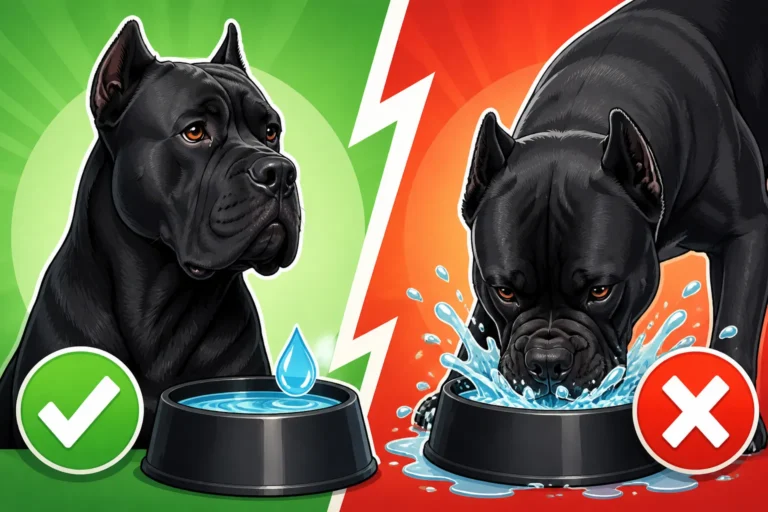
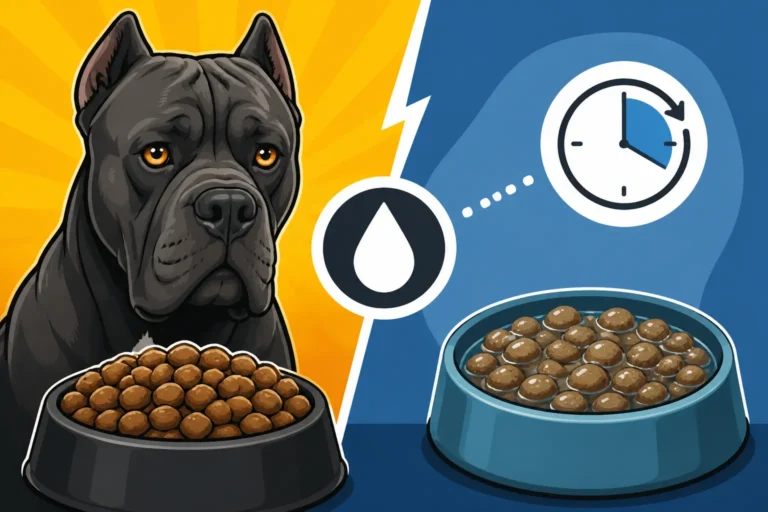
Hydration is always important, but how your Cane Corso drinks around mealtime also warrants attention. While you should always provide access to fresh water, closely monitor heavy drinking immediately before or after a meal, especially if they tend to gulp down large volumes quickly. This can add a significant amount of liquid and air to an already expanding stomach.
Some owners prefer to limit water access for about 15-20 minutes after a meal, or offer smaller, more frequent drinks rather than a giant bowl full. If your Corso is a "water hog," investing in a slow-drinking bowl can also be helpful, as these bowls are designed to make them lap rather than gulp. Ensuring they are adequately hydrated throughout the day, outside of these critical windows, is key so they aren't desperate for water at risky times.
Short, Low-Impact Activity (If Any)
If your Cane Corso needs to go out before a meal, make it a quick, leash-controlled walk just to relieve themselves. We're talking about a five to ten-minute stroll, not a full-blown play session in the yard or a brisk jog around the block. The goal is minimal exertion. Any activity that causes heavy panting or leads to them twisting or turning abruptly should be avoided entirely.
Some owners prefer to feed first, then take a longer, but still gentle, walk. However, if your dog is prone to bloat, the "walk first, eat second" approach, with ample rest in between, is often recommended for the morning meal. It’s about finding a balance that works for your dog’s individual needs while prioritizing their safety.
Crafting Your Cane Corso's Daily Routine: A Realistic Approach
Creating a structured day around your Cane Corso's meals and exercise isn't about being rigid; it's about being consistent. Consistency builds confidence in your dog and minimizes opportunities for risky behaviors.
Morning Routines: Walk First, Then Eat
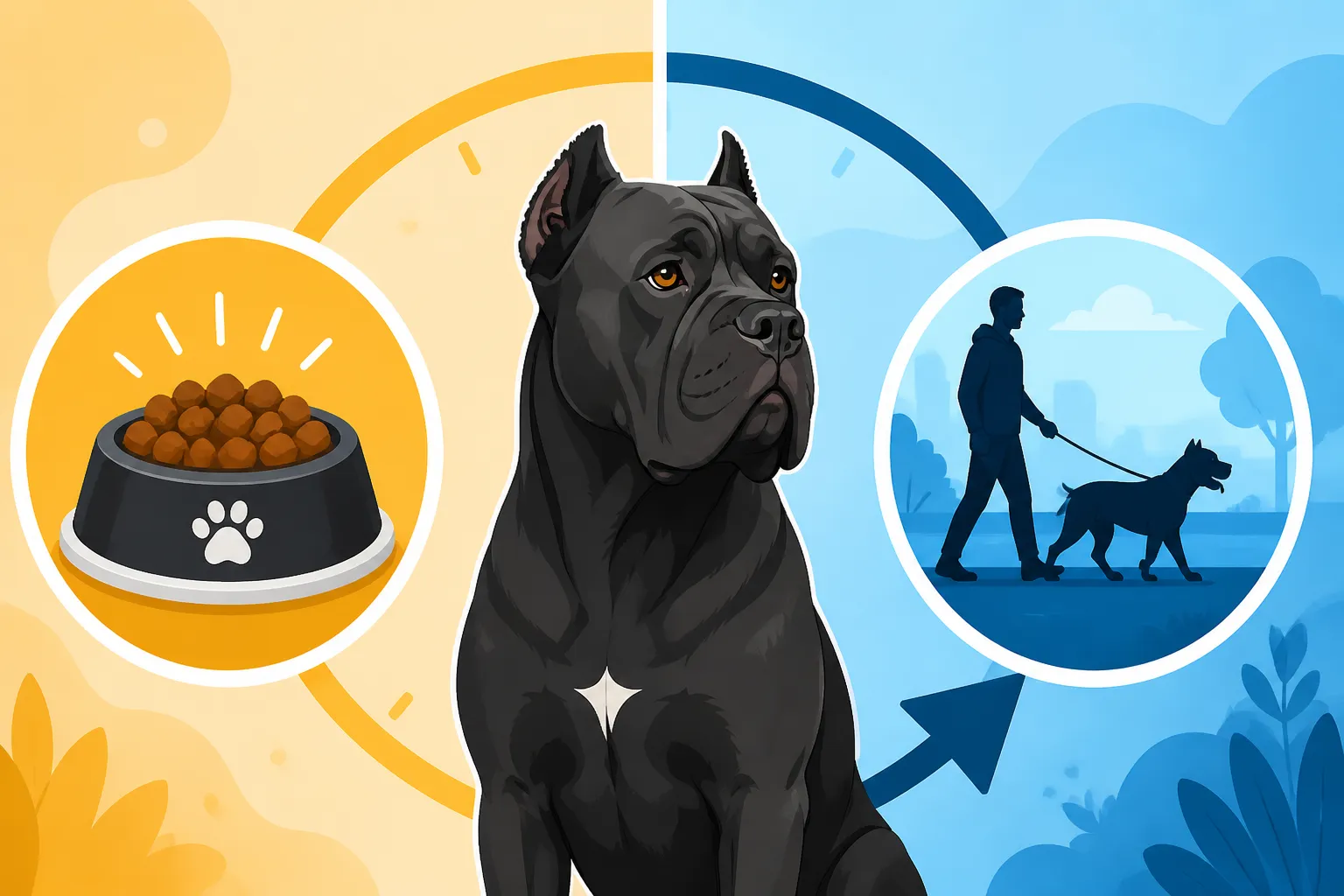
For many Cane Corso owners, the morning routine starts with a walk, followed by breakfast. This allows your dog to empty their bladder and bowels, get some physical and mental stimulation, and then return home to relax before eating. The key here is the rest period between the walk and the meal. After a good morning walk – perhaps 30-45 minutes of Loose Leash Walking a Cane Corso Puppy or a solid adult stroll – ensure at least 60-90 minutes of calm downtime.
During this rest period, your Corso can rehydrate calmly and settle down. They should not be allowed to roughhouse or engage in any strenuous activity. This separation of exercise and eating helps ensure their stomach is empty and settled when food is introduced, and that they aren't engaging in any jostling that could lead to issues. This approach is widely recommended to mitigate bloat risk.
Evening Routines: Dinner and Downtime
The evening routine often mirrors the morning, with an emphasis on a relaxed wind-down after dinner. If your Cane Corso receives Six to Nine Cups Across Two Cane Corso Meals, the evening meal is likely significant. Aim to feed dinner several hours before bedtime, allowing plenty of time for digestion before they lie down for extended periods. A common recommendation is at least two hours of complete rest after the evening meal. Some veterinarians even suggest three to four hours for high-risk breeds.
This means evening walks or play should either happen well before dinner, or be very light and purely for potty breaks after the digestion period. A common mistake is to feed dinner, then immediately let the dog out for a final run around the yard. This is precisely the kind of activity that can put a full stomach at risk. Instead, focus on quiet activities like chew toys, a puzzle feeder (used after the initial digestion period), or simple cuddling on the couch. Think calm, quiet, and absolutely no wrestling or intense fetch. Resting a Cane Corso After Its Meal explores this further.
Adjusting for Puppies and Seniors
Puppies and seniors have different needs that require adjustments to the standard meal and walk timing. A young Cane Corso puppy, for instance, needs to eat How Many Meals a Cane Corso Puppy Gets Each Day – often three to four smaller meals a day – and their bladders are much smaller, meaning more frequent, shorter potty breaks. For puppies, the intensity of play should always be carefully monitored around meals. While full bloat is less common in very young puppies, excessive activity with a full stomach is still not ideal. Gentle play is fine, but intense running and jumping should be reserved for times well outside their meal windows. How Much Walking a Cane Corso Puppy Should Do gives more context on exercise.
Senior Cane Corsos may have slower metabolisms and less energy. They might benefit from smaller, more frequent meals, and their exercise should be gentle and consistent, rather than intense bursts. After their meals, senior dogs will likely need longer rest periods. Their mobility might be reduced, making sudden movements or vigorous play even more risky. Pay close attention to their individual energy levels and comfort, and adjust the rest periods and exercise intensity accordingly. Feeding an Old Cane Corso That Has Slowed Down can help guide your choices for older dogs.
| Activity Type | Timing Relative to Meal | Recommendation | Rationale |
|---|---|---|---|
| Strenuous Exercise | 1-2 hours before meal | Absolutely avoid 1 hour before, ideally 2 hours. | Prevents panting/gulping air before eating, allowing body to settle. |
| Strenuous Exercise | 1-2 hours after meal | Absolutely avoid for 1-2 hours, ideally 3-4 hours. | Prevents stomach jostling, reducing GDV risk. Most critical window. |
| Potty Break (quick) | 15-30 mins before meal | Fine, but keep it calm and leash-controlled. | Allows elimination without significant exertion. |
| Potty Break (quick) | 15-30 mins after meal | Fine, but keep it calm and leash-controlled. | Allows elimination without significant exertion, minimizes stomach movement. |
| Mental Stimulation | Anytime | Great for pre- or post-meal relaxation; use puzzle toys cautiously after meals. | Keeps mind engaged without physical risk. |
| Calm Cuddling/Rest | Critical before & after | Encourage extended periods of rest before and especially after meals. | Optimal for digestion and minimizing GDV risk. |
Optimizing the Eating Experience: Beyond Just When They Eat
Beyond simply when you feed your Cane Corso, how they eat also plays a significant role in their digestive health and bloat prevention. The right tools and environment can make a world of difference.
Slow Feeders and Elevated Bowls
Many Cane Corsos are enthusiastic eaters, capable of vacuuming their entire meal in mere minutes. This rapid consumption often leads to gulping large amounts of air, a major risk factor for bloat. This is where slow feeder bowls come into play. These bowls have internal ridges or obstacles that force your dog to eat around them, significantly slowing down their intake. You can find excellent options for slow feeders on platforms like Chewy or Amazon. Slow feeders encourage more mindful eating, reducing air intake and promoting better digestion. Slow Feeders That Pace a Cane Corso delves into this topic more.
The debate around elevated bowls for deep-chested breeds has been ongoing. Historically, they were recommended to prevent bloat, with the idea that the dog wouldn't have to bend down as far. However, some studies have suggested they might increase the risk for certain large breeds. It's a complex topic, and what works for one dog might not work for another. If you choose to use an elevated bowl, ensure it's at a comfortable height for your Cane Corso, allowing them to eat without straining their neck. Consult your veterinarian for their specific recommendation for your dog.
Food Type and Portion Control
The type of food you feed can also impact digestion and bloat risk. While the science isn't entirely clear on specific ingredients, some owners find that certain kibble sizes or textures can lead to faster eating or more gas. Larger kibble can sometimes slow down eating, as the dog has to chew more. Some high-quality fresh food options, like those offered by Ollie, might be easier to digest for some dogs, potentially reducing gas, but this isn't a guaranteed bloat preventative and careful timing remains essential regardless of diet.
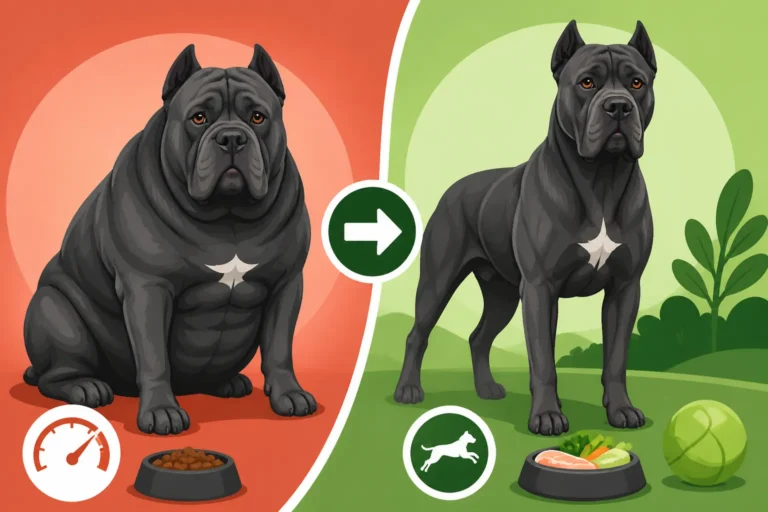
Regardless of the food type, strict portion control is paramount. Overfeeding, especially a single large meal, significantly increases stomach distension and thus bloat risk. Most Cane Corsos do best on two meals a day. Divide their total daily caloric intake into these two meals, maintaining a lean body condition. A lean dog often experiences fewer joint issues and may have a slightly lower risk of bloat. Why a Cane Corso's Ration Is Split in Two provides further rationale for this practice. Always follow your vet's guidance on portion sizes, especially during growth phases.
A Peaceful Dining Environment
The environment where your Cane Corso eats should be calm, quiet, and free from distractions or competition. A stressed or anxious dog is more likely to gulp their food, which, as we've discussed, increases the risk of air intake and bloat. Feed your Cane Corso in a designated area where they can eat undisturbed, away from other pets or chaotic household activity.
If you have multiple dogs, feed them in separate rooms or at a sufficient distance from each other to prevent resource guarding or competitive eating. This helps your Corso focus on their meal without feeling rushed or threatened. A calm eating environment fosters good digestive health and reinforces positive mealtime associations, turning a potentially anxious event into a predictable, pleasant experience.
Special Considerations: Puppies, Seniors, and High-Energy Dogs
While the general rules for meal timing and exercise apply broadly, every Cane Corso is an individual. Puppies, seniors, and exceptionally high-energy dogs each present unique needs that require careful attention and tailored adjustments to their daily schedule.
Growing Pains: Navigating Puppy Mealtimes
Cane Corso puppies grow at an incredible rate, and managing their diet and activity is crucial for their developing bodies. They need more frequent meals – often three or four small meals per day – to support their rapid growth without overloading their small stomachs. Because they eat more often, the windows for exercise and play become more challenging to manage. Intense play should be separated from meal times by at least an hour on either side. Think short bursts of play, followed by a quiet cool-down, then a meal, followed by a prolonged rest.
It's tempting to let a playful puppy romp continuously, but excessive, uncontrolled activity, especially right before or after eating, can be hard on their growing joints and still carries some risk, even if full-blown GDV is rare in very young pups. Instead, focus on structured play sessions and mental stimulation rather than constant, high-impact running. Ensure they have access to fresh water throughout the day, but supervise frantic drinking after meals. The Growth Curve a Cane Corso Follows to Nineteen Months highlights the importance of managed growth.
The Golden Years: Feeding the Aging Cane Corso
As your Cane Corso enters their senior years, their metabolism slows, their energy levels decrease, and their digestive system might become more sensitive. Older dogs might benefit from smaller, more digestible meals, possibly spread across three feedings instead of two, especially if they are experiencing weight loss or digestive upset. The priority shifts from managing rapid growth to maintaining muscle mass, supporting joint health, and ensuring comfort.
Exercise for seniors should be gentle and consistent. Short, slow walks are often preferred over vigorous activity. The rest period after meals becomes even more critical for older dogs, as their bodies may take longer to process food. Arthritis or other health issues can make sudden movements painful, so a calm, quiet environment for eating and resting is paramount. Observe your senior Cane Corso closely for any changes in appetite, digestion, or energy levels, and adjust their routine and diet in consultation with your veterinarian. What Changes in a Cane Corso's Care After Eight offers more context for senior care.
High-Energy Dogs: Managing Instincts Around Food
Some Cane Corsos are simply more driven and energetic than others. While all Corsos need mental and physical exercise, a particularly high-energy individual might pose additional challenges around mealtime. Their excitement for activity can sometimes override their instinct for calm, leading them to want to run or play right after eating. For these dogs, establishing an even stricter routine is vital.
Consider using mental enrichment activities like scent work or puzzle toys (again, carefully timed and after the initial digestion period) to burn off mental energy without physical exertion. Longer, more structured training sessions or walks can happen well before meals, ensuring they are adequately tired and ready to settle down when food is presented. If your high-energy Cane Corso struggles to relax, discussing strategies with a professional dog trainer or behaviorist can provide tailored advice for channeling their energy safely and effectively. Ninety Minutes a Day and a Cane Corso's Mind discusses the importance of exercise for these active dogs.
Recognizing Trouble and Emergency Protocols
Even with the most meticulous planning, accidents can happen. It's crucial for every Cane Corso owner to know how to recognize the signs of a serious problem and what to do in an emergency. Being prepared can save your dog's life.
Spotting the Early Warning Signs of Bloat
Knowing the subtle and overt signs of bloat is absolutely non-negotiable for a Cane Corso owner. Bloat doesn't always present as a dramatic, distended abdomen right away. Early signs can include restlessness, pacing, an anxious or distressed expression, unsuccessful attempts to vomit (retching without bringing anything up), drooling, or lip-licking. Your dog might stretch or try to get comfortable but fail. As the condition progresses, the abdomen will visibly swell and feel hard and painful to the touch. The dog may become weak, collapse, or show signs of shock (pale gums, rapid heart rate).
If you see any of these signs, especially after a meal or exercise, do not wait. This is a veterinary emergency. Time is literally measured in minutes when it comes to bloat. Getting your dog to an emergency vet immediately is the single most important action you can take. Recognizing Bloat in a Cane Corso Before It Turns provides a more detailed list of symptoms to watch for. Trust your gut; if something feels off, it's always better to be safe than sorry.
The Emergency Vet Visit: What to Expect
If you suspect bloat, call your emergency veterinary clinic while you are on your way. This allows them to prepare for your arrival, saving precious minutes. Explain that you suspect GDV in a deep-chested breed. Upon arrival, the veterinary team will immediately assess your dog, often taking X-rays to confirm if the stomach is dilated and/or twisted. They will also stabilize your dog, addressing shock with IV fluids and pain medication.
Treatment for confirmed bloat typically involves an emergency surgery called a gastropexy, where the stomach is tacked to the abdominal wall to prevent future twisting. Even if they manage to decompress the stomach without surgery initially, the tacking procedure is highly recommended to prevent recurrence. The cost and intensity of such an emergency can be daunting, but the alternative is usually fatal. The Hours That Decide a Bloated Cane Corso's Outcome emphasizes the critical timeframe involved.
Prevention Beyond Timing: Gastropexy and More
While careful meal timing and exercise management are crucial, some owners of high-risk breeds like the Cane Corso opt for additional preventive measures, such as a prophylactic gastropexy. This is a surgical procedure, often performed during spay or neuter, where the stomach is permanently attached to the abdominal wall to prevent it from twisting in the future. It doesn't prevent the stomach from dilating with gas, but it does largely prevent the deadly "volvulus" or twisting. Whether a Cane Corso Should Have a Preventive Gastropexy discusses this option in more detail.
Other preventative steps include using slow feeders, ensuring adequate hydration throughout the day (but not gulped frantically around meals), minimizing stress, and avoiding any strenuous activity around meal times. Maintaining a healthy weight and feeding a consistent, high-quality diet are also important. While no single measure guarantees immunity from bloat, a multi-faceted approach combining smart timing, careful observation, and possibly prophylactic surgery, provides the best possible protection for your beloved Cane Corso.
Disclaimer
This article is for general informational purposes only and does not constitute professional advice. Laws, prices and regulations vary by location and change over time. Consult a qualified professional for guidance on your specific situation.