Slow Feeders That Pace a Cane Corso
One of the most common worries for Cane Corso owners is how quickly these magnificent dogs can gobble down their food. It’s not just an unsightly race to the bottom of the bowl; it’s a genuine health concern, significantly increasing the risk of life-threatening conditions like bloat, not to mention choking hazards and general digestive upset. This guide will walk you through the world of slow feeders and other strategies designed to help your Cane Corso eat at a healthier, safer pace, ensuring their mealtime is less a frantic sprint and more a relaxed, enjoyable experience.
Why Fast Eating Poses a Serious Risk for Your Cane Corso
It might seem harmless, just a dog enjoying its dinner with gusto, but for a deep-chested breed like the Cane Corso, rapid eating is a silent threat. The way they consume their meals can have profound impacts on their immediate health and long-term well-being. Understanding these risks is the first step toward implementing safer feeding practices.
The Looming Shadow of Bloat and GDV
The most terrifying consequence of a Cane Corso eating too fast is Gastric Dilatation-Volvulus (GDV), commonly known as bloat. This isn't just an upset stomach; it's a critical emergency where the stomach fills with gas and can twist, cutting off blood supply to the stomach and often the spleen. The speed at which a Cane Corso can develop bloat after a meal is frightening, and without immediate veterinary intervention, it's almost always fatal. When dogs eat quickly, they gulp down excessive amounts of air along with their food. This air gets trapped in their stomach, causing it to distend. While bloat can occur for various reasons, rapid eating and post-meal activity are consistently cited as significant risk factors for these deep-chested breeds. It's a race against the clock when you notice The First Sign a Cane Corso Is Bloating, and prevention through managed eating habits is paramount.
The anatomy of a Cane Corso, with their broad, deep chest, makes them particularly susceptible to GDV. Unlike many other breeds, their stomach has more room to swing and twist when distended. Imagine a balloon tied at both ends; when it inflates, it can easily spin. That's a simplified version of what happens during a gastric torsion. This isn't just a random occurrence; studies have consistently shown a strong correlation between feeding habits and the incidence of this devastating condition. It’s why so many of us worry about Bloat and What a Cane Corso's Deep Chest Costs and why we seek out every possible preventative measure.
Choking Hazards and Indigestion
Beyond the severe risk of bloat, scarfing down food can lead to more immediate and visible problems, like choking. A large piece of kibble or a chunk of raw food, swallowed too quickly, can easily become lodged in your Cane Corso's throat. Their size and powerful jaws might make you think they can handle anything, but choking is a very real and terrifying possibility. The sheer panic of a dog struggling to breathe is something no owner ever wants to experience.
Even if choking doesn't occur, rapid eating puts a significant strain on their digestive system. Food that isn't properly chewed and is swallowed in large pieces is much harder for their stomach to break down. This can lead to indigestion, gas, vomiting shortly after eating, and even diarrhea. Their body works overtime trying to process poorly ingested food, meaning they might not be absorbing all the vital nutrients from their carefully chosen diet. Over time, chronic indigestion can contribute to other health issues and discomfort, affecting their overall vitality and happiness.
Understanding the World of Slow Feeders
So, if fast eating is such a problem, what's the solution? Enter the slow feeder – a seemingly simple invention that has been a game-changer for countless owners of enthusiastic eaters. These aren't just fancy bowls; they are specifically designed tools that turn mealtime from a gulping contest into a manageable, brain-stimulating activity.
The Mechanics: How Slow Feeders Work
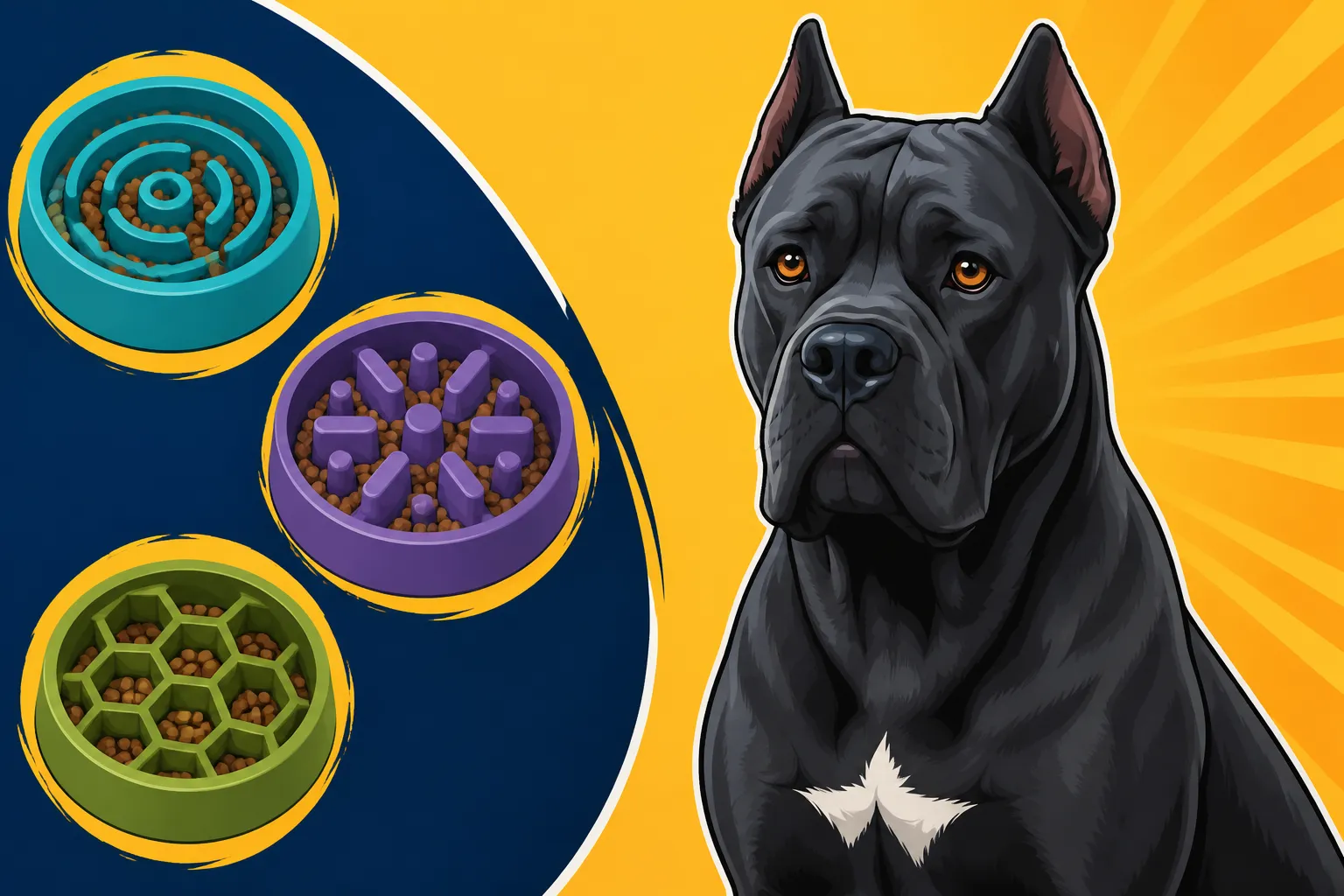
At their core, slow feeders work by introducing obstacles and compartments that prevent a dog from taking large mouthfuls of food at once. Instead of a wide, open surface where food is easily scooped up, slow feeders feature ridges, mazes, posts, or intricate patterns that force the dog to navigate around them to get to each piece of kibble or dollop of wet food. This process physically slows them down, encouraging them to pick up individual pieces or lick smaller portions.
Some slow feeders are essentially puzzle bowls, molded with raised sections that create a labyrinth for the food. Others are silicone inserts that fit into existing bowls, turning a regular feeding dish into a slow feeder. You'll also find interactive toys that dispense food slowly as the dog bats them around, or snuffle mats that require the dog to root through fabric strips to find hidden kibble. The basic principle is the same: make the food harder to get, not impossible, but challenging enough to extend mealtime significantly. This extended eating time also means less air swallowed, reducing the risk of bloat.
Different Types of Slow Feeders for Every Cane Corso
The market for slow feeders has exploded, offering a variety of designs to suit different feeding styles and individual dog preferences. It's not a one-size-fits-all situation, and what works for one Cane Corso might not work for another.
- Puzzle Bowls: These are probably the most common type. They come in various depths and maze complexities. Some have gentle waves, while others have tall spikes or intricate patterns. Brands readily available on Chewy or Amazon offer a wide array, from simple swirl designs to more elaborate multi-chambered puzzles. They are great for both kibble and wet food.
- Silicone Inserts: If you love your current bowl but need to slow things down, silicone inserts are fantastic. They typically have suction cups on the bottom to adhere to your existing bowl and feature a pattern of flexible nubs or spirals that slow down eating. These are often easier to clean and can be a good starting point.
- Snuffle Mats: These are soft, fabric mats with numerous fabric strips where you can hide kibble. They engage your Cane Corso's natural scent drive and foraging instincts. While they excel at mental enrichment, they might not be ideal for very wet foods or for dogs who tend to pull apart fabric with their powerful jaws. They are, however, excellent for making a meal last, turning it into a game.
- Treat Dispensing Toys: These are usually spherical or oddly shaped toys with small openings that release kibble as your dog nudges, rolls, or paws at them. They're excellent for very enthusiastic eaters who need to be really challenged. However, they can be noisy and might require more space as your Cane Corso pushes them around. They also require your dog to work for every piece, which can be great mental stimulation.
- Slow Feeder Inserts for Crates: Some specialized feeders can attach to crate bars, often designed to prevent dumping. While not strictly "slow feeders" in the puzzle sense, they can prevent your Cane Corso from flipping their bowl and inhaling everything on the floor.
Choosing among these often involves a bit of trial and error, but the goal remains consistent: to make mealtime a more deliberate and thoughtful experience for your Cane Corso.
Selecting the Ideal Slow Feeder for Your Cane Corso
With so many options out there, how do you pick the right slow feeder for your unique Cane Corso? It's not just about what looks good; it's about durability, effectiveness, and ensuring it's a positive, enriching experience for your giant companion.
Material Durability and Cane Corso Power
Let's be realistic: a Cane Corso is a strong dog with powerful jaws. If a slow feeder isn't built to last, it won't. You need materials that can withstand enthusiastic chewing, pushing, and even the occasional attempt at flipping. Cheap plastic bowls might work for a small terrier, but for a Cane Corso, they're often a recipe for frustration and destruction. Look for heavy-duty plastics, often labeled "food-grade" or "BPA-free," or consider ceramic options if your dog isn't prone to knocking things over. Rubberized bottoms are a huge plus for stability, preventing the bowl from sliding across the floor as your Corso tries to conquer the maze.
Some of the more flexible silicone inserts can be surprisingly durable, but inspect them for any weak points if your Cane Corso is a known chewer. If you're using a brand like Ollie for fresh food, you might find that the softer, more spreadable consistency works well with almost any slow feeder design, but hard kibble on a flimsy plastic maze could still pose a challenge to the bowl itself. Remember, a broken slow feeder is not only a waste of money but could also create sharp edges or ingestible pieces, posing a new hazard. When you think about Chew Prices for a Cane Corso That Destroys Everything, investing in a truly durable feeder up front makes financial sense in the long run.
Size and Design: A Fit for Their Muzzle
A slow feeder needs to be appropriately sized for your Cane Corso's large muzzle and head. A feeder designed for a smaller dog will be too restrictive, causing frustration, and possibly making it impossible for them to reach the food. The depth of the bowl and the spacing of the obstacles are crucial. Your Cane Corso should be able to comfortably reach the bottom of the bowl and navigate the obstacles without their muzzle getting stuck or injured.
Consider the design: some patterns have very deep grooves, which are great for slowing down eating, but can be a challenge for wider muzzles. Others have shallower, more spread-out patterns. If your Cane Corso has a particularly short or broad muzzle, a design with wider, more open channels might be better than a very intricate, narrow maze. Think about how much food you typically feed – How Many Cups a Ninety Pound Cane Corso Gets – and ensure the slow feeder can comfortably hold their entire meal without overflowing or making it too difficult to access. A good rule of thumb is to err on the side of slightly larger or less intricate for a first slow feeder, and then increase the challenge if needed.
Level of Challenge: Start Simple, Then Progress
Just like us, dogs can get frustrated if a task is too difficult. When introducing a slow feeder, it's best to start with a simpler design. A bowl with gentle ridges or widely spaced posts will still slow down their eating but won't be so challenging that they give up or become overly agitated. The goal is to make mealtime a positive, slightly challenging experience, not a source of stress.
Once your Cane Corso has mastered the initial feeder and is happily navigating its obstacles, you can gradually introduce more complex designs if you wish. This progression keeps them mentally engaged and prevents them from becoming too efficient at clearing the simpler patterns. Some owners even have a few different slow feeders in rotation to provide variety. Think of it as a cognitive puzzle – you wouldn't give a beginner a grandmaster chess problem. Build their confidence and skill, and they'll embrace the slow feeder as part of their routine.
| Slow Feeder Type | Best For | Pros | Cons |
|---|---|---|---|
| Puzzle Bowl (Plastic/Ceramic) | Kibble & wet food | Durable (good quality), wide range of designs, easy to clean. | Can be too easy for some, might slide if not weighted/rubberized. |
| Silicone Insert | Kibble & wet food | Versatile (uses existing bowl), flexible, often dishwasher safe. | Less durable if dog chews silicone, suction might fail on textured bowls. |
| Snuffle Mat | Kibble & dry treats | Excellent mental enrichment, engages scent, soft on gums. | Not suitable for wet food, can be destroyed by chewers, harder to clean. |
| Treat Dispensing Toy | Kibble & small treats | Highly engaging, very slow feeding, good for burning energy. | Can be noisy, requires space, some dogs may give up if too hard. |
| Lick Mat | Wet food, pastes, yogurt | Calming, low frustration, good for anxious eaters. | Limited to spreadable foods, not for kibble, can be destroyed. |
Beyond the Bowl: Creative Ways to Slow Down Your Cane Corso's Meals
While slow feeder bowls are fantastic, they're not the only tool in your arsenal for encouraging a slower eating pace. Incorporating other enrichment activities can further enhance your Cane Corso's mealtime experience, making it both mentally stimulating and physically beneficial.
Food Puzzles and Enrichment Toys
Food puzzle toys are an incredible way to engage your Cane Corso's brain while they eat. These aren't just for treats; many are designed to hold an entire meal's worth of kibble. Toys like KONGs, especially the extreme black ones for powerful chewers, can be stuffed with wet food, peanut butter, or even a mix of kibble and wet food, then frozen. This turns a five-minute meal into a thirty-minute or even hour-long activity. Imagine your Cane Corso working diligently, licking and nudging to get every morsel – it's satisfying for them and gives them a productive outlet for their energy.
Other puzzle toys involve moving sliders, flipping compartments, or pressing levers to release food. These types of puzzles require critical thinking and problem-solving, providing significant mental stimulation. The Damage a Bored Cane Corso Does Indoors can often be mitigated by providing enriching activities like these, channeling their energy into something constructive rather than destructive. A mentally tired Cane Corso is often a well-behaved Cane Corso. You can often find a good selection of durable food puzzle toys on platforms like Amazon or Chewy, specifically designed for large, powerful breeds.
Scatter Feeding and Foraging Opportunities
Sometimes, the simplest solutions are the most effective. Scatter feeding involves spreading your Cane Corso's kibble across a clean floor, a designated mat, or even outside in the grass (weather permitting). This forces them to sniff out and pick up individual pieces of food, mimicking a natural foraging behavior. It's incredibly enriching for their powerful sense of smell and significantly slows down their eating pace. Instead of one large mouthful, they're taking dozens of small ones.
Foraging takes this a step further. Instead of just scattering, you can hide small portions of food in various places around a room or yard. This turns mealtime into a treasure hunt. Just be sure to choose safe, accessible spots and supervise your Cane Corso, especially if they are new to this activity. This method not only slows down eating but also provides excellent mental and physical exercise. It taps into their primal instincts and can be a wonderful way to connect with your dog. It's a fantastic alternative to a traditional bowl, especially if your Cane Corso struggles with traditional slow feeders or tends to destroy them.
Training-Based Meal Delivery
Imagine turning every meal into a mini-training session! This method involves feeding your Cane Corso small portions of their meal throughout the day as rewards for good behavior, practicing commands, or performing tricks. Instead of one or two large meals in a bowl, they earn their food by engaging with you. This not only paces their eating but also strengthens your bond and reinforces good manners.
For example, you could ask for a "sit" and "stay" before offering a small handful of kibble, then ask for a "down" for the next portion, and so on. This approach requires more owner involvement but offers immense benefits in terms of training, mental stimulation, and preventing rapid ingestion. It's a wonderful way to utilize their full daily ration, rather than just dumping it in a bowl. This method can also be particularly helpful for building impulse control, which is a valuable skill for any Cane Corso owner to cultivate.
Addressing Potential Challenges and Ensuring Success
While slow feeders and enrichment activities are incredibly beneficial, they aren't without their potential stumbling blocks. Being aware of these challenges and knowing how to navigate them can ensure a smooth transition and lasting success for your Cane Corso.
Frustration and Rejection: When the Plan Backfires
Sometimes, a slow feeder can be too challenging, especially if your Cane Corso has never encountered one before. An overly complex design or a toy that's too difficult to manipulate can lead to frustration, disinterest, or even aggressive behavior towards the feeder itself. You might see your Cane Corso pawing angrily at the bowl, trying to flip it over, or simply walking away from their food in exasperation. This isn't what we want.
If you notice signs of frustration, it's crucial to take a step back. Start with a much simpler slow feeder, or even begin by just scattering a few pieces of kibble on a flat surface to get them used to working for their food. Make it easy for them to succeed in the beginning. You can also mix in some highly palatable wet food or a bit of broth with their kibble in the slow feeder to make it more appealing and easier to retrieve initially. The goal is to make the experience positive and rewarding, so they associate the slow feeder with enjoyable mealtime, not a puzzle they can't solve. Patience and positive reinforcement are key here.
Cleaning Complex Designs
Let's be honest: those intricate ridges and mazes that make slow feeders so effective can also make them a pain to clean. Food residue, especially from wet food or raw diets, can get trapped in tight corners, leading to bacterial growth if not properly cleaned. A Cane Corso's bowl, whether a regular one or a slow feeder, should be cleaned daily.
When choosing a slow feeder, consider ease of cleaning. Many modern designs are made from dishwasher-safe materials, which is a huge convenience. For those that aren't, look for designs with wider, smoother channels that are easier to wipe down with a sponge or brush. Some silicone inserts are highly flexible and can be turned inside out for thorough cleaning. If you're raw feeding your Cane Corso, hygiene is even more critical, so prioritize feeders that are easy to sanitize completely. Regular cleaning ensures not only good health but also keeps the feeder appealing to your Cane Corso. Remember that The Mealtime Habits That Turn a Cane Corso's Stomach can often stem from poor hygiene too.
Integrating Slow Feeding into Your Cane Corso's Daily Routine
Making slow feeding a consistent part of your Cane Corso's life isn't difficult, but it does require a thoughtful approach. The key is to make the transition smooth, consistent, and always a positive experience.
Gradual Introduction and Positive Reinforcement
Sudden changes can be unsettling for dogs, especially a perceptive breed like the Cane Corso. When you first introduce a slow feeder, don't just swap out their regular bowl without any fanfare. Start by placing a small portion of their meal in the slow feeder, perhaps mixed with a treat, and put the rest in their regular bowl. This allows them to explore the new feeder without feeling deprived or overly challenged. As they become more comfortable, gradually increase the amount of food in the slow feeder until their entire meal is served that way.
Always associate the slow feeder with positive feelings. Praise your Cane Corso when they engage with it, even if they're still learning. Avoid any scolding if they get frustrated or try to flip it. Make mealtime a calm, predictable event. Establishing a routine helps them understand what to expect. If you use a fresh food service, you might find that spreading the fresh food in a slow feeder can extend its enjoyment and add a new dimension to their diet, giving them something engaging to do rather than just inhaling it.
Consistency is Key: Making it a Habit
Once your Cane Corso is comfortable with slow feeding, consistency is paramount. Make it their default way of eating for every meal. Dogs thrive on routine, and knowing that their meals will always be presented in a way that requires engagement helps them adapt and even look forward to the challenge. If you sometimes use a slow feeder and sometimes a regular bowl, it can create confusion and make the transition longer.
Consider if other members of the household are on board. Everyone who feeds your Cane Corso needs to understand and adhere to the slow feeding strategy. This consistency reinforces the new habit and ensures that your Cane Corso reaps the full benefits of a slower, safer mealtime. Consistency also applies to where and when they eat. A designated, quiet space for meals, free from distractions, can further aid in making slow feeding a calm and positive part of their day. This mindful approach to feeding is just one more way we can ensure our [Cane Corso lives a long, healthy life].
Monitoring and Adjusting as Needed
Every Cane Corso is an individual, and what works perfectly for one might need tweaking for another. Continuously monitor your dog's reaction to the slow feeder. Are they still getting frustrated? Is it no longer challenging enough, and they're clearing it too quickly? Are they trying to destroy it?
Don't be afraid to adjust. If the current feeder isn't working, try a different type or a simpler design. If your Cane Corso has become a master puzzle-solver, consider introducing a more complex feeder or rotating different types to keep them engaged. If you are using enrichment toys like a treat ball, ensure it is appropriate for their size and doesn't pose a choking hazard once it’s empty. The goal is continuous engagement and effective pacing. Investing in a couple of different Bowls and Feeders Built for a Cane Corso might be a good strategy to keep things interesting and effective for the long haul.
Ultimately, slow feeding isn't just about slowing down a meal; it's about enhancing your Cane Corso's quality of life. It’s about reducing health risks, providing mental enrichment, and fostering a healthier relationship with their food. By understanding the tools available and thoughtfully integrating them into your routine, you're not just feeding your Cane Corso; you're nurturing their well-being from the inside out.
Disclaimer
This article is for general informational purposes only and does not constitute professional advice. Laws, prices and regulations vary by location and change over time. Consult a qualified professional for guidance on your specific situation.