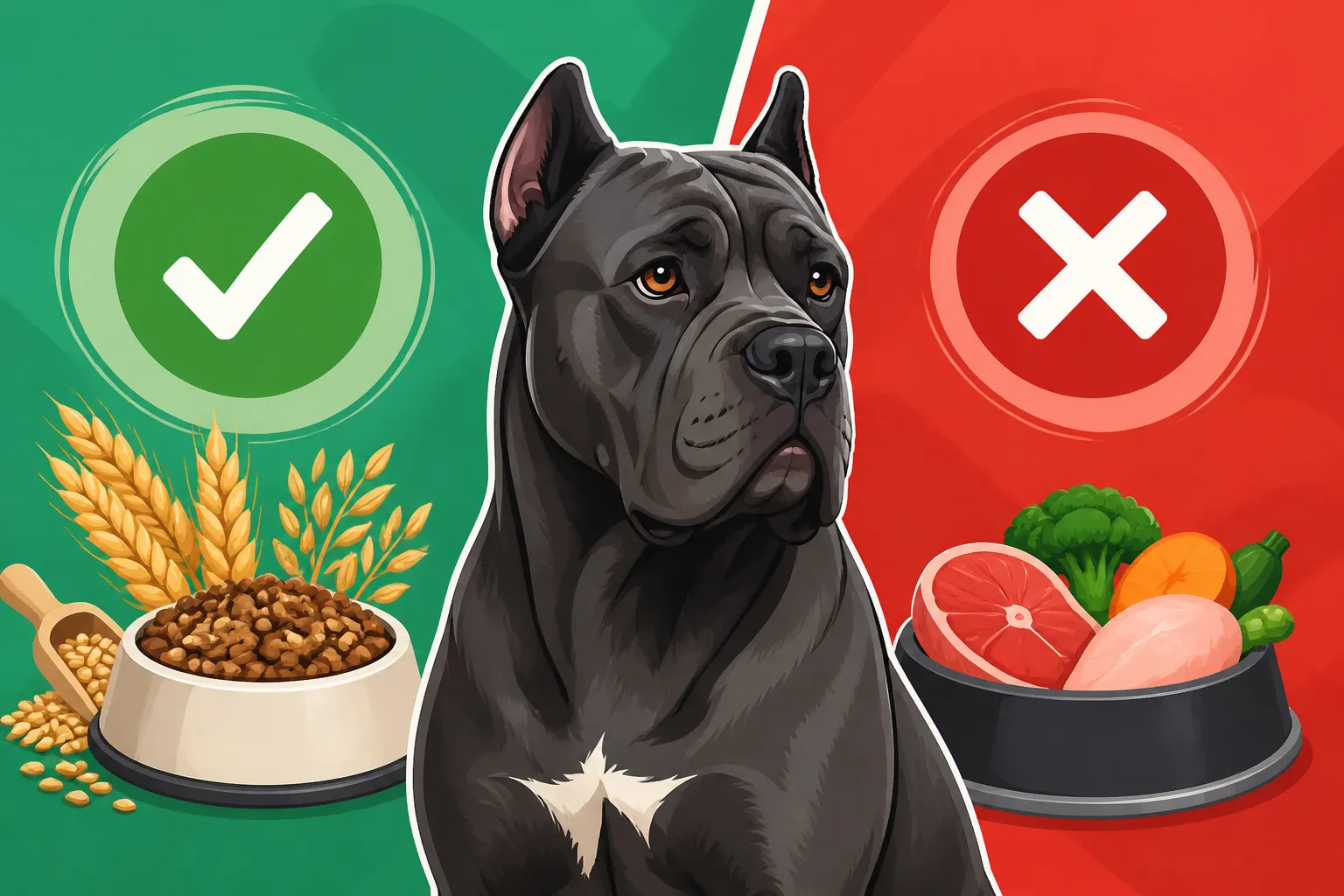
Whether a Cane Corso Needs Grain in Its Diet
It's a common question that pops up in almost every Cane Corso owner group or discussion forum: "Does my Cane Corso really need grains in their diet?" It’s a confusing topic, especially with all the marketing hype around grain-free foods, and it can feel overwhelming trying to figure out what's best for your big, beautiful companion. This guide is here to cut through the noise, validate your concerns about making the right choices, and provide a clear, realistic look at grains and your Cane Corso's nutritional needs.
Understanding Grains in Your Cane Corso's Diet
For years, grains were a staple in dog food, providing an accessible and efficient source of energy. Then, the "grain-free" movement took off, fueled by human diet trends and concerns about allergies. It left many of us wondering if we were inadvertently harming our dogs by feeding them what was once considered normal. Let's break down what grains are and why this confusion exists.
What Are Grains, Anyway?
When we talk about grains in dog food, we're typically referring to ingredients like corn, wheat, rice, barley, and oats. These aren't just empty fillers; they're complex carbohydrates that offer a range of nutritional benefits. Think of them as the sustained energy source for your Cane Corso, especially given their active nature and powerful build. They provide dietary fiber, which is crucial for a healthy digestive system, helping everything move along smoothly and keeping your dog feeling full. Beyond that, grains contain B vitamins, magnesium, and other important minerals that support nerve function, energy metabolism, and overall vitality. So, while they might not be the flashiest ingredients on the label, they serve a fundamental role in a balanced diet.
The Grain-Free Trend and Its Origins
The rise of grain-free dog food mirrored the popular low-carb and gluten-free diets that became trendy for humans. Many pet owners, driven by a desire to provide the absolute best for their dogs, naturally assumed that what was good for them must be good for their canine companions. The narrative often suggested that grains were "unnatural" for dogs, or that they were a common allergen causing skin issues and digestive upset. This perception, while well-intentioned, wasn't always backed by scientific evidence.
For a while, grain-free became synonymous with "premium" or "healthier" dog food. Pet food companies responded to consumer demand, and suddenly, shelves were overflowing with formulas boasting no corn, wheat, or soy. While some dogs do have sensitivities, the sweeping claim that grains are inherently bad for all dogs largely overshadowed the actual nutritional science. This trend eventually caught the attention of veterinary cardiologists and, later, the FDA, sparking a much larger conversation about potential health implications, which we'll delve into shortly.
Are Grain Allergies Common in Cane Corsos?
This is where a significant misconception often lies. While food allergies in dogs are a real concern, true allergies to grains are actually quite rare. Most canine food allergies, including those that might manifest in a powerful breed like the Cane Corso, are typically reactions to specific protein sources – things like chicken, beef, dairy, or sometimes lamb and fish. If your Cane Corso is experiencing itchy skin, ear infections, or digestive upset, it's far more likely that a common protein in their diet is the culprit, rather than a grain like rice or corn.
It's easy to assume grains are the problem because they're a common ingredient, but isolating the actual allergen requires careful work, often through An Elimination Diet for an Itchy Cane Corso under veterinary guidance. Jumping to a grain-free diet without proper diagnosis might not solve the underlying issue and, as we'll discuss, could even introduce new concerns. For most Cane Corsos, grains are a perfectly digestible and beneficial part of their diet, providing necessary nutrients without issue.
The Potential Risks of a Grain-Free Diet for Cane Corsos
While the intention behind choosing a grain-free diet is often to improve a dog's health, an unexpected and serious concern emerged a few years ago that changed the conversation entirely. This is particularly important for large and giant breeds like the Cane Corso, where heart health is already a significant consideration.
Linking Grain-Free to Dilated Cardiomyopathy DCM
In a startling development, veterinary cardiologists began noticing an uptick in cases of Dilated Cardiomyopathy (DCM) in dog breeds not typically genetically predisposed to the condition. DCM is a serious heart disease where the heart's pumping chambers become enlarged and weakened, leading to heart failure. What was even more unusual was the common denominator among many of these dogs: they were being fed "grain-free" or "boutique" pet foods, often high in peas, lentils, other legumes, or potatoes as primary ingredients, rather than traditional grains.
The FDA launched an investigation into the potential link between these "Boutique, Exotic, and Grain-Free" (BEG) diets and DCM. While the exact mechanism is still being studied, the leading hypothesis points to a deficiency in taurine, an amino acid crucial for heart health, or an imbalance in other essential amino acids. Many grain-free formulations rely heavily on legumes and potatoes to replace grains, and these ingredients might interfere with taurine metabolism or simply not provide the same broad spectrum of amino acids that dogs need. This is a very real and serious concern for Cane Corso owners, especially considering The Heart Muscle Disease Behind a Cane Corso's Cardiac Test is something diligent breeders already screen for. It's a stark reminder that "natural" or "trendy" doesn't always equate to "healthier" without rigorous scientific backing.
Nutritional Imbalances and Missing Essential Nutrients
Beyond the direct link to DCM, an improperly formulated grain-free diet can lead to other nutritional imbalances. When grains are removed, they must be replaced with other ingredients to provide energy and bulk. If these substitute ingredients (like those aforementioned legumes and potatoes) aren't carefully balanced, the overall nutritional profile of the food can suffer.
For a large, growing breed like a Cane Corso, complete and balanced nutrition is absolutely paramount. They require specific ratios of protein, fat, carbohydrates, vitamins, and minerals to support their rapid growth, massive bone structure, and powerful musculature. A diet lacking in crucial micronutrients or having an imbalanced amino acid profile could impact everything from their bone development to their immune system. This is why paying attention to ingredients and ensuring the food meets AAFCO (Association of American Feed Control Officials) guidelines for "complete and balanced" nutrition for your dog's life stage is so important. When a Cane Corso puppy is growing, their diet must be carefully controlled, emphasizing The Calcium Ratio in a Cane Corso Puppy's Bowl and ensuring steady, rather than rapid, growth.
The Importance of Carbohydrates for Energy
Cane Corsos are active, powerful dogs that need a consistent source of energy to fuel their daily activities, training, and guarding instincts. Complex carbohydrates, often supplied by grains, are an excellent source of this sustained energy. They are broken down slowly by the digestive system, providing a steady release of glucose into the bloodstream, which is essential for muscle function and brain activity.
Without sufficient, well-digested carbohydrates, your Cane Corso might not have the stamina they need, or their body might start converting protein into energy, which isn't its primary role and can be less efficient. While proteins and fats also provide energy, carbohydrates are the body's preferred and most readily available fuel source for many functions. For a dog that demands Ninety Minutes a Day and a Cane Corso's Mind in terms of exercise and mental stimulation, depriving them of this efficient energy source without a valid medical reason is certainly something to reconsider.
The Benefits of Grains for a Cane Corso's Health
Now that we've discussed the concerns, let's swing the pendulum back and remember that grains aren't the enemy. In fact, for most Cane Corsos, they offer significant advantages that contribute to their overall health and well-being.
Fiber for Digestive Health
One of the often-overlooked benefits of grains is their contribution to dietary fiber. Fiber is crucial for a healthy digestive system. It helps to regulate bowel movements, preventing both constipation and diarrhea. For a large dog like a Cane Corso, consistent and healthy digestion is key to nutrient absorption and overall comfort. Imagine dealing with a massive Cane Corso who has an upset stomach all the time – it’s no fun for anyone!
Fiber also acts as a prebiotic, feeding the beneficial bacteria in your dog's gut microbiome. A healthy gut is intrinsically linked to a strong immune system and even mental well-being. Grains like oats and barley, in particular, are excellent sources of soluble fiber, which can help dogs feel full and maintain a healthy weight. If you've ever dealt with The Gas a Cane Corso Produces and What Causes It, you know how important gut health is! Incorporating good fiber sources can often make a big difference, and for many, that comes from grains.
Essential Vitamins, Minerals, and Energy
Beyond fiber, grains are packed with essential nutrients that play vital roles in your Cane Corso's health. We're talking about B vitamins like thiamine, riboflavin, and niacin, which are crucial for energy metabolism, nerve function, and maintaining healthy skin and coat. Grains also provide minerals such as magnesium, selenium, and iron, all of which are fundamental for muscle function, antioxidant defense, and oxygen transport in the blood.
These micronutrients, combined with the complex carbohydrates, provide a well-rounded energy package that supports a Cane Corso's robust physiology. Rather than thinking of them as mere "fillers," it's more accurate to view good quality, wholesome grains as an integral part of a comprehensive nutritional profile. Many high-quality kibbles, often found on platforms like Chewy or Amazon, incorporate these grains strategically to ensure complete nutrition.
Balanced Nutrition for a Growing Giant Breed
For a Cane Corso, especially during their intense growth phase and as an active adult, balanced nutrition isn't just a recommendation; it's a necessity. Their massive size and powerful frame mean they have unique dietary requirements to support bone and joint health, muscle development, and sustained energy levels without causing excessive growth or undue stress on their developing bodies. This is why understanding Why a Cane Corso Puppy Needs Giant Breed Food is so important.
A diet that includes well-chosen grains, alongside quality protein and healthy fats, contributes to this balance. It's about providing a comprehensive spectrum of nutrients in the correct ratios. Reputable dog food manufacturers carefully formulate their recipes to meet these needs, ensuring that all ingredients work synergistically to promote health. Focusing too heavily on removing an entire food group without a solid medical reason risks disrupting this delicate balance.
Choosing the Right Diet for Your Cane Corso
Navigating the world of dog food can feel like a minefield. With so many options and conflicting information, it's tough to know what's truly best. When it comes to your Cane Corso's diet, a thoughtful, informed approach is always the safest bet.
Consulting Your Veterinarian
Before making any significant changes to your Cane Corso's diet, the absolute best first step is to consult with your veterinarian. They know your dog's individual health history, any pre-existing conditions, and can provide personalized advice based on their breed-specific needs, age, and activity level. If you suspect your Cane Corso has food sensitivities or allergies, your vet can guide you through the appropriate diagnostic steps, like a proper elimination diet, to identify the actual culprit, rather than simply guessing it's grains. They can also discuss any concerns about DCM and help you evaluate whether a specific diet might pose a risk.
Remember, a vet's advice is grounded in medical science and an understanding of canine physiology, not just marketing trends. This partnership is crucial, especially when considering the significant costs associated with owning a Cane Corso and managing their health over their lifespan, as highlighted in topics like What It Costs When a Cane Corso's Stomach Turns or What a Large Breed Kibble Costs for a Cane Corso.
Reading Ingredient Labels and Reputable Brands
Once you've spoken with your vet, you'll be better equipped to evaluate dog food labels. Look beyond just "grain-free" or "contains grains." Instead, focus on the overall quality of ingredients. You want to see high-quality, named protein sources (like "chicken meal" rather than "meat meal"), healthy fats, and digestible carbohydrates. Whether those carbohydrates come from rice, barley, or potatoes, the key is balance and quality.
Always look for a statement from AAFCO (Association of American Feed Control Officials) indicating that the food is "complete and balanced" for your dog's life stage (e.g., "for all life stages" or "for adult maintenance"). This signifies that the food has undergone nutritional analysis or feeding trials to ensure it provides all the necessary nutrients. Brands that invest in research, veterinary nutritionists, and quality control are generally more reliable. You can find a vast array of reputable brands, both traditional kibble and fresh-cooked options like Ollie, through major retailers like Chewy and Amazon, which often provide detailed ingredient lists and customer reviews to help your research. How Many Pounds of Food a Cane Corso Eats Monthly means you'll be buying a lot of it, so make it count!
Monitoring Your Cane Corso's Health
No matter what diet you choose, constantly monitoring your Cane Corso's health and well-being is vital. Pay attention to changes in their coat quality, energy levels, stool consistency, weight, and overall demeanor. A healthy Cane Corso should have a shiny coat, clear eyes, good energy, and firm, consistent stools.
If you notice any adverse changes, such as persistent itching, hair loss, lethargy, or recurring digestive issues, it's time to revisit your vet and your dog's diet. Even if your Cane Corso isn't allergic to grains, some dogs might thrive better on different carbohydrate sources, or simply a different brand that suits their individual metabolism. This proactive approach ensures you catch any issues early and can adjust their diet as needed, contributing to their long-term health, which is a common theme in studies like The Cane Corso Study That Followed 232 Dogs.
Ultimately, the decision of whether or not to include grains in your Cane Corso's diet should be based on sound scientific advice and your individual dog's needs, rather than blanket trends. For most Cane Corsos, well-selected grains are a valuable and beneficial component of a complete and balanced diet.
Disclaimer
This article is for general informational purposes only and does not constitute professional advice. Laws, prices and regulations vary by location and change over time. Consult a qualified professional for guidance on your specific situation.