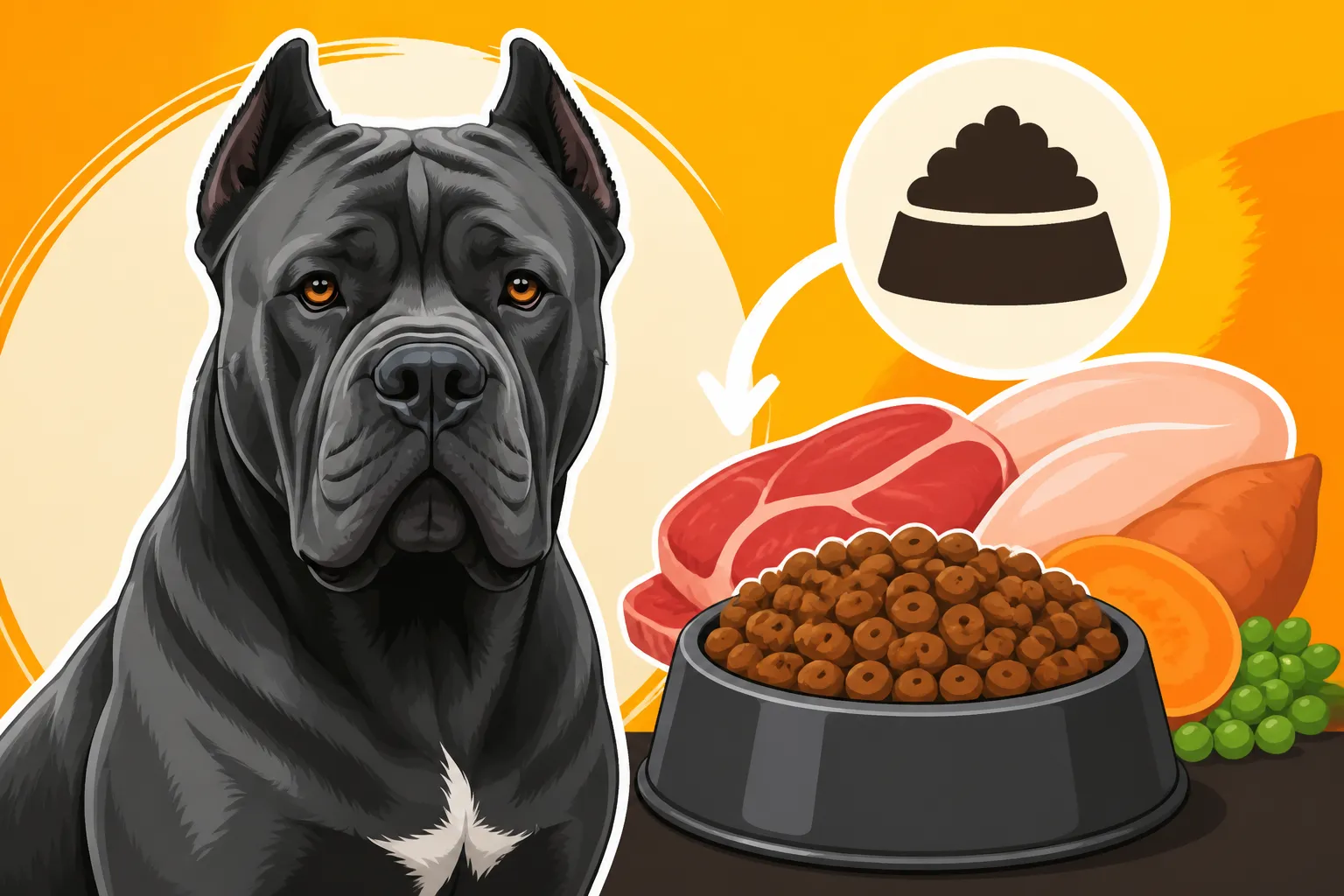
How Many Pounds of Food a Cane Corso Eats Monthly
Bringing a Cane Corso into your home is an incredible experience, but it also means preparing for the realities of feeding a very large, powerful dog. One of the biggest questions new and even experienced owners grapple with is simply how much food these magnificent animals actually consume, particularly when trying to budget and plan. It's easy to feel a bit overwhelmed by the sheer scale of their appetite, wondering if you're hitting the mark. This guide will meticulously break down exactly how many pounds of food your Cane Corso is likely to eat each month, considering their age, activity level, and the type of food you choose, so you can plan effectively and keep your big dog healthy and satisfied without constant guesswork.
Estimating Your Cane Corso's Monthly Food Intake
When you're looking at a dog that can easily weigh over a hundred pounds, the amount of food they need is naturally a concern. It's not just about filling a bowl; it's about providing the right fuel for their impressive physique and energetic spirit. Understanding their monthly intake helps you budget, plan grocery trips, and even understand their overall health.
Factors Influencing Food Quantity
Pinpointing an exact number of pounds your Cane Corso will devour each month isn't a "one size fits all" answer. Several crucial factors play into their individual caloric and nutritional needs, making some dogs eat significantly more or less than others.
First and foremost is age. A growing Cane Corso puppy is a metabolizing machine, burning through calories at an astonishing rate to support their rapid development. They’re building bones, muscles, and organs at an incredible pace, and that demands a lot of fuel. Once they hit adulthood, their growth slows, and their caloric needs shift from growth to maintenance, usually requiring fewer calories per pound of body weight. Then, as they transition into their senior years, their metabolism often slows further, and activity levels may decrease, necessitating another adjustment in their diet.
Activity level is another huge determinant. Imagine a Cane Corso that spends its days actively training for protection sports or working on a farm, constantly on the move, patrolling, and engaging its muscles. This dog will naturally require a significantly higher caloric intake than a Cane Corso that enjoys a couple of leisurely walks a day and spends most of its time napping indoors. The energy output directly correlates with food input, and failing to match them can lead to either unwanted weight gain or a lack of essential fuel.
Metabolism is a subtle but impactful factor. Just like people, some dogs have naturally faster metabolisms, burning calories more efficiently, while others are a bit slower. This is often an individual genetic trait that you'll come to understand as you live with your dog. You might find two Cane Corsos of the same age and activity level eating slightly different amounts but maintaining the same healthy body condition.
Finally, whether your Cane Corso is intact or spayed/neutered can affect their metabolic rate. Often, spaying or neutering can lead to a slight decrease in metabolic needs, making it easier for dogs to gain weight if their food intake isn't adjusted. This is a common experience, and many owners find themselves needing to cut back on a few cups after their dog has been altered to prevent them from getting too chunky. For more on this, you might find Cutting a Cane Corso's Cups After Neutering helpful.
The Range of Pounds Per Month
Given these variables, it’s best to think in ranges. For an adult Cane Corso, depending on their size, metabolism, and activity, you're generally looking at between 50 and 100 pounds of quality dry dog food per month. This might seem like a vast range, but it truly reflects the diversity within the breed and their lifestyles.
For a young, rapidly growing Cane Corso puppy (say, between 4 and 12 months), this number can even be a bit higher, especially during peak growth spurts. They might be eating upwards of 60 to 75 pounds or more of puppy food monthly as they develop. As they settle into adulthood, usually around 18-24 months, their caloric needs per pound of body weight tend to decrease, and their monthly intake will stabilize into that adult range.
It's crucial to remember that these are general estimates. The most reliable way to figure out your individual Cane Corso's needs is to start with the feeding guidelines on your chosen food, monitor their body condition (are their ribs easily felt but not seen?), and adjust accordingly. A veterinarian can also provide personalized advice based on your dog's specific health and weight. Don't be afraid to tweak the amount up or down by a quarter or half-cup per meal until you find their sweet spot. If you're wondering about the daily cups an adult Cane Corso typically gets, take a look at How Many Cups a Ninety Pound Cane Corso Gets.
Daily Rations by Age, Activity, and Food Type
Understanding the monthly total is one thing, but how does that break down day-to-day? And how do you ensure your Cane Corso is getting exactly what they need at each stage of their life, whether they’re a bouncy pup or a distinguished senior?
Growing Cane Corso Puppies
Cane Corso puppies are like little sponges, absorbing nutrients to fuel their enormous growth potential. From the moment they arrive, usually around 8-10 weeks, until they reach maturity, their feeding schedule and caloric needs are quite different from an adult dog. Initially, they'll eat three to four smaller meals throughout the day. This helps them digest their food properly and avoids overwhelming their tiny stomachs.
As they grow, typically from 4-6 months, you might reduce this to three meals, and then to two meals a day by the time they are 6-12 months old. The volume of food per meal, however, will steadily increase. They absolutely need a high-quality, large-breed puppy formula that is specifically designed to support slow, steady growth. This is crucial to prevent rapid growth that can put undue stress on their developing joints. Why a Cane Corso Puppy Needs Giant Breed Food explains this in more detail. The specific calcium and phosphorus ratios in these foods are tailored to big dogs, preventing issues that can arise from too much of these minerals.
During this intense growth period, a Cane Corso puppy could easily consume 1.5 to 2.5 pounds of food per day. This translates to roughly 45 to 75 pounds of food a month, sometimes more during a growth spurt. Brands like those available at Chewy often have excellent large breed puppy options, and their subscription services can make sure you never run out of the massive quantities required. As your puppy approaches 12-18 months, you'll gradually transition them to an adult formula. Moving a Cane Corso From Puppy Food to Adult provides excellent guidance on this transition.
Adult Cane Corsos and Their Needs
Once your Cane Corso is fully grown, usually between 18 and 24 months, their daily food intake shifts to a maintenance level. At this stage, they'll typically eat two meals a day, which is vital for deep-chested breeds like the Cane Corso to help reduce the risk of bloat. Six to Nine Cups Across Two Cane Corso Meals is a good starting point for many adult Cane Corsos, but this still needs to be adjusted based on their activity.
For an adult Cane Corso with a moderate activity level—meaning daily walks, some playtime, but not intense working—they might eat between 1.75 to 2.25 pounds of food per day. This puts their monthly consumption in the 52 to 68-pound range. However, if you have a highly active or working Cane Corso, involved in activities like Schutzhund, farm work, or extensive hiking, their needs will be significantly higher. These dogs can easily consume 2.5 to 3.5 pounds or more per day, pushing their monthly intake towards 75 to over 100 pounds. They need more fuel to support that muscle and endurance.
Monitoring their body condition is paramount. You should be able to easily feel your Cane Corso's ribs when you run your hands along their side, but not see them protruding. Their waist should be evident when viewed from above, and they should have a slight tuck-up from their chest to their rear. If they're too thin or too heavy, it's time to adjust their food. Checking a Cane Corso's Ribs With Your Hands offers a practical guide to this.
Senior Cane Corsos
As your Cane Corso moves into its golden years, generally around 7-8 years old, their energy levels often decrease, and their metabolism may slow down. This means their caloric needs will likely decrease as well. If you continue to feed them the same amount of food they ate in their prime, they are prone to gaining weight, which can put extra strain on their joints and overall health.
Many senior Cane Corsos benefit from a senior dog formula, which typically has fewer calories and sometimes added joint support. You might find yourself feeding them closer to 1.5 to 2 pounds of food per day, bringing their monthly total back into the 45 to 60-pound range. However, some senior dogs might experience muscle wasting and need a higher-protein, calorie-dense food to maintain weight and muscle mass. It really depends on the individual.
Regular veterinary check-ups are especially important for seniors to ensure their diet is meeting their changing needs and to catch any underlying health issues. Adjusting their food helps keep them comfortable and mobile in their later years. For more tips on caring for an older dog, read Feeding an Old Cane Corso That Has Slowed Down.
Diving Deeper into Food Types: Kibble, Raw, and Fresh
The type of food you choose for your Cane Corso also significantly impacts the quantity you'll be feeding and, consequently, how many pounds you go through each month. Different food forms have varying densities, moisture content, and nutrient concentrations.
Kibble Considerations
Dry kibble is by far the most popular and often most convenient choice for large breed owners. The biggest advantage is its shelf stability and ease of storage, especially when you're buying in huge bags. The quantity your Cane Corso eats monthly will depend heavily on the quality and density of the kibble.
Higher-quality, nutrient-dense kibbles often pack more calories and essential nutrients into a smaller volume. This means your Cane Corso might need fewer cups of a premium kibble compared to a lower-quality, filler-heavy brand to meet their nutritional requirements. While the initial bag might seem more expensive, it can sometimes last longer, balancing out the cost. Conversely, a lower-quality kibble might require more cups to provide adequate nutrition, leading to a larger monthly poundage, and potentially less ideal nutrient absorption.
When considering kibble, always look at the protein content. For a growing Cane Corso, maintaining an appropriate protein level is important, but excessive protein can sometimes be a concern for rapid growth. The Protein a Growing Cane Corso Should Not Exceed discusses this balance. For adult Cane Corsos, a robust protein level supports their powerful musculature. Ultimately, the cost-effectiveness and convenience of kibble, especially buying in bulk from places like Chewy, make it a staple for many Cane Corso owners. If you're looking at the economics, What a Large Breed Kibble Costs for a Cane Corso delves into these figures.
Raw and Fresh Food Impact
Moving into raw or fresh food diets introduces a different dynamic to monthly food consumption. These diets typically have a much higher moisture content than kibble. While your dog might be eating more total weight of raw or fresh food, the dry matter content—the actual nutrients after water is removed—is often very concentrated.
For a raw diet, your Cane Corso might consume anywhere from 2% to 3.5% of their body weight daily, depending on their activity level. For a 100-pound Cane Corso, this could mean 2 to 3.5 pounds of raw food per day, translating to 60 to 105 pounds per month. Raw feeding often requires careful balancing of muscle meat, organ meat, and bone to ensure complete nutrition. The Cost of Raw Feeding a Cane Corso provides a deeper look into the financial aspects. It's a significant commitment in terms of sourcing, storage (you'll need a lot of freezer space!), and nutritional knowledge.
Fresh food diets, such as those offered by services like Ollie, are pre-portioned and nutritionally complete, often resembling human-grade meals. These diets are also high in moisture and nutrient-dense. The actual volume or weight you feed might appear similar to raw, with a 100-pound Cane Corso eating perhaps 2 to 3.5 pounds per day, or 60 to 105 pounds monthly. However, the exact amount will be very specific to the brand's formulation and your dog's individual needs as determined by their algorithm. Many owners find these diets highly palatable for their dogs and appreciate the convenience of pre-portioned meals. For a deeper dive into these options, What Fresh Food Weighs Out To for a Cane Corso is a great resource.
Whether you choose kibble, raw, or fresh, the key is ensuring it’s a complete and balanced diet appropriate for your Cane Corso's life stage. Whether Kibble Alone Is Enough for a Cane Corso is a great starting point for understanding how different food types fit into a healthy diet.
Budgeting and Practical Considerations
Feeding a Cane Corso isn't just a matter of science; it's also a significant practical and financial undertaking. You're not just buying a bag of dog food; you're investing in the health and longevity of your powerful companion.
The Monthly Food Bill
The monthly food bill for your Cane Corso will be one of the most substantial ongoing expenses of ownership, and it varies dramatically based on your food choice. As discussed, a high-quality kibble will likely be the most budget-friendly option, while raw or fresh diets will generally sit at the higher end of the spectrum.
For an adult Cane Corso eating premium kibble, you might be looking at around one to two large bags (30-40 lbs each) per month. For a more precise understanding of the financial commitment, The Monthly Food Bill for an Adult Cane Corso breaks down the typical expenses. Utilizing subscription services from retailers like Chewy can often save you money on bulk purchases and ensures you never run out of food, which is a lifesaver with a giant breed. They often offer discounts for recurring orders, which can really add up over time.
While the upfront cost of premium food might seem higher, remember that quality nutrition is an investment in your dog's long-term health. A well-fed Cane Corso, receiving all the necessary nutrients, is less likely to suffer from diet-related health issues, potentially leading to fewer vet visits down the line. While pet insurance through providers like Healthy Paws can help with unexpected medical bills, feeding a high-quality diet can be a proactive step in maintaining overall wellness.
Storage and Sourcing Large Quantities
Storing large quantities of dog food requires a bit of planning. Those 30-40 pound bags of kibble take up space! You'll need an airtight, pest-proof container to keep the food fresh and prevent contamination. This is especially important for kibble, as exposure to air can cause fats to go rancid, reducing palatability and nutritional value. For raw feeders, a dedicated chest freezer is often a necessity to store the significant volume of meat required. Fresh food services like Ollie typically deliver smaller, refrigerated batches, which are easier to store in a standard fridge but require more frequent deliveries.
Sourcing also becomes important. Many owners find it convenient to have food delivered directly to their door, especially when dealing with such heavy bags. Local feed stores or pet supply chains that offer loyalty programs can also be a good option for regular bulk purchases. Planning ahead, particularly for raw or fresh diets that might involve specific cuts of meat or specialized preparations, is key to consistency.
Monitoring Your Cane Corso's Weight and Adjusting
Even with all the guidelines, every Cane Corso is an individual. What works perfectly for one might not be ideal for another. This is why continuous monitoring of your dog's weight and body condition is essential. Don't just rely on the feeding chart on the bag; use your eyes and hands.
Regularly perform a "rib check": run your hands along your Cane Corso's sides. You should be able to feel their ribs without pressing hard, but they shouldn't be visible. Look at them from above – they should have a discernible waist. From the side, there should be a tuck-up of the abdomen behind the rib cage. If you notice they're starting to get a little chunky, reduce their food intake slightly and increase their exercise. If they're looking too lean, increase their food.
Your veterinarian is your best partner in this. During annual check-ups, they will weigh your dog and assess their body condition. Don't hesitate to ask for their advice on your Cane Corso's diet, especially if you're seeing changes in their weight or appetite. They can help you determine the most appropriate caloric intake and food type for your unique Cane Corso at every stage of their life. Routine check-ups are also important for overall health, and How Often a Healthy Cane Corso Sees the Vet can help you plan these essential visits.
Disclaimer
This article is for general informational purposes only and does not constitute professional advice. Laws, prices and regulations vary by location and change over time. Consult a qualified professional for guidance on your specific situation.