Feeding an Old Cane Corso That Has Slowed Down
One of the most heart-wrenching transitions for any Cane Corso owner is watching their magnificent companion begin to slow down with age. You might notice them not bouncing up quite as quickly, perhaps a bit more stiffness, and inevitably, a shift in their appetite or how they process their food. It’s a challenging phase because their needs are changing, and what worked for years might suddenly not be the best approach anymore. This guide is here to walk you through how to properly feed your aging Cane Corso, ensuring they continue to receive the best nutrition to support their senior years with comfort and vitality.
Understanding the Nutritional Shift in Senior Cane Corsos
It’s easy to think a dog is a dog, and food is food, but as our Cane Corsos enter their golden years, their bodies undergo significant changes that directly impact their nutritional requirements. That robust, energetic metabolism they had as a young adult starts to wind down, and with it, their dietary needs evolve. Ignoring these shifts can lead to a host of problems, from weight gain and joint stress to muscle wastage and diminished quality of life.
Metabolic Slowdown and Energy Needs
Think about your own energy levels as you’ve gotten older. Chances are, you’re not quite as boundless as you were in your twenties, right? The same goes for your Cane Corso. As they age, their metabolism naturally slows down. They’re less active, spending more time napping, and their body simply doesn't burn calories with the same efficiency it once did. This means that if you continue to feed them the same high-calorie diet they enjoyed in their prime, you’re setting them up for weight gain.
Obesity in an older Cane Corso is particularly detrimental. These are already large dogs with a predisposition to joint issues, and carrying extra weight puts immense strain on their hips, elbows, and spine. It exacerbates conditions like arthritis and makes movement even more difficult, trapping them in a cycle of reduced activity and further weight gain. It's crucial to adjust their caloric intake downwards to match their decreased energy expenditure, without sacrificing essential nutrients. This isn't about cutting corners; it's about providing precisely what their slowing body needs, no more, no less. The Daily Ration an Adult Cane Corso Actually Needs might be a good starting point, but remember, a senior Corso's needs will be even less than a prime adult's.
Muscle Loss and Protein Requirements
One of the most common and often overlooked issues in aging dogs, especially large breeds like the Cane Corso, is sarcopenia – age-related muscle loss. Even if they're not overtly skinny, you might notice their muscles feeling less firm, or their top line looking a bit bonier. This isn't just an aesthetic concern; muscle is vital for supporting their large frame, protecting joints, and maintaining mobility. As they lose muscle, they become weaker, less stable, and more prone to injury.
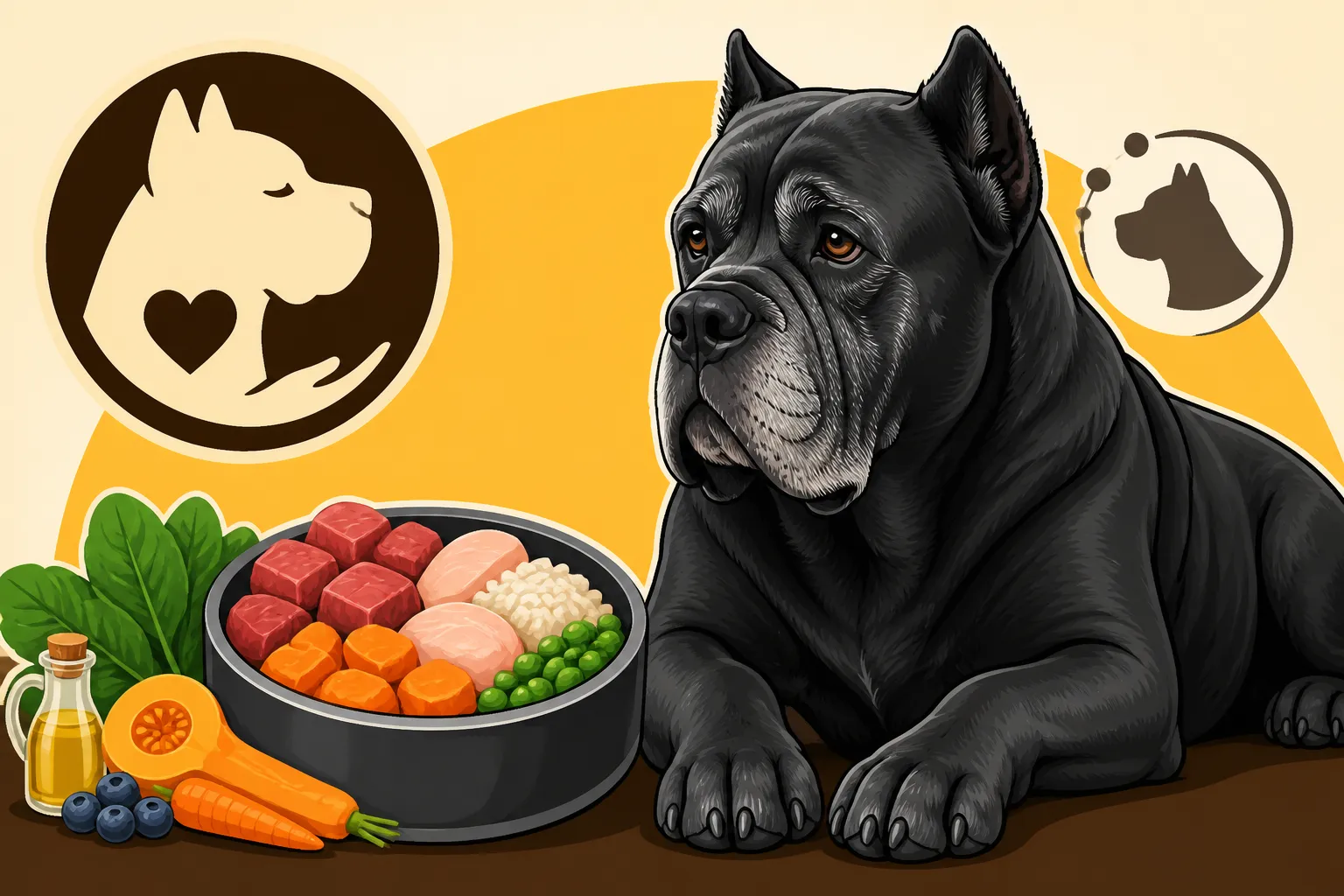
To combat sarcopenia, senior Cane Corsos actually need a higher percentage of high-quality protein in their diet than their younger counterparts. This sounds counterintuitive if you're reducing total calories, but it's about the ratio of nutrients. Lean protein helps preserve existing muscle mass and can even stimulate new muscle synthesis. However, it's vital that the protein sources are highly digestible to avoid putting strain on their kidneys, which might also be showing signs of age. Look for ingredients like chicken, turkey, beef, and fish listed prominently.
Joint Health and Inflammation
If you've owned a Cane Corso for a while, you're likely all too familiar with the concern for hip and elbow dysplasia. As they age, even dogs with good clearances can develop arthritis, and those with pre-existing joint conditions will find them worsening. Inflammation is the enemy of comfortable movement. A senior diet can play a significant role in mitigating this.
Beyond maintaining a lean body weight, certain nutrients are powerful allies in the fight against joint degeneration and inflammation. Glucosamine and chondroitin are often added to senior dog foods because they are building blocks for cartilage and can help slow its breakdown. Omega-3 fatty acids, particularly EPA and DHA found in fish oil, are potent anti-inflammatories that can help reduce pain and improve joint mobility. These ingredients can make a noticeable difference in your old Cane Corso's comfort level and willingness to move. Whether Glucosamine Helps a Cane Corso's Graded Hips is a relevant read here.
Choosing the Right Food for an Aging Cane Corso
Navigating the pet food aisle can be overwhelming, especially when you're trying to make the best choices for your beloved senior giant. The key is to look beyond flashy marketing and focus on ingredients and nutritional profiles that specifically cater to the unique demands of an aging Cane Corso.
Senior-Specific Formulas
Many reputable pet food brands offer formulas specifically designed for senior dogs. These aren't just marketing ploys; they are genuinely formulated with the metabolic and physiological changes of aging dogs in mind. Typically, senior formulas will have:
- Reduced calories and fat: To prevent weight gain due to decreased activity.
- Higher, high-quality protein: To combat muscle loss.
- Added joint support: Such as glucosamine, chondroitin, and omega-3 fatty acids.
- Antioxidants: Like vitamins E and C, to support a weakened immune system and combat cellular damage.
- Increased fiber: To aid digestion, which can slow down in older dogs, and help with satiety.
When you're staring at the bags, take the time to read the guaranteed analysis and the ingredient list. Look for whole protein sources as the first ingredient, and healthy fats. You can often find a good selection of these specialized foods on platforms like Chewy, which carries a broad range of trusted brands. Don't be afraid to compare a few options to see which one aligns best with your vet's recommendations and your dog's specific needs.
Digestibility and Gut Health
As dogs age, their digestive systems can become less efficient. This can lead to issues like constipation, diarrhea, or just general discomfort. Highly digestible ingredients mean that your Cane Corso’s body can more easily absorb the nutrients it needs, reducing the workload on their digestive tract. Things like prebiotics and probiotics can also be beneficial in supporting a healthy gut microbiome.
Many senior foods are crafted with this in mind, using ingredients that are easier to break down. If your Cane Corso has a sensitive stomach, or if you've noticed more frequent episodes of loose stools, a change to a highly digestible senior formula could make a world of difference. You might also want to explore options specifically labeled for sensitive stomachs within the senior category. Why a Cane Corso Has Loose Stools on New Food delves deeper into digestive upsets, which can be common with diet changes. Sometimes, adding a quality probiotic supplement (available from Chewy or Amazon) can also help stabilize their gut. Whether a Cane Corso Needs a Probiotic is a great resource if you're considering this.
Wet Food and Hydration
As dogs get older, their sense of smell and taste can diminish, and their appetite might decrease. They also might not drink as much water as they used to, putting them at risk of dehydration, especially if they are on medications that increase thirst or urination. This is where incorporating wet food can be incredibly beneficial.
Wet food is often more aromatic and palatable than kibble, which can entice a senior Cane Corso with a flagging appetite. More importantly, it has a much higher moisture content, helping to boost their daily water intake. You can feed wet food exclusively, mix it with their kibble to make it more appealing, or even just add a dollop as a "topper." If your Cane Corso is having trouble chewing dry kibble due to dental issues, wet food can be a godsend. Brands like Ollie offer fresh, human-grade meal options that are highly palatable and moist, often a hit with picky senior dogs. Whether a Senior Cane Corso Needs Softer Food touches on this specific need.
Adjusting Feeding Habits and Portions
Switching to a new food is only part of the equation; how and when you feed your aging Cane Corso also plays a critical role in their health and well-being. Small adjustments to routine and careful monitoring can prevent problems and make mealtimes a positive experience for both of you.
Monitoring Weight and Body Condition
This is perhaps the single most important ongoing task for a senior Cane Corso owner. Their ideal weight will be leaner than in their younger years, with ribs easily felt but not seen, and a noticeable waist tuck. It's so easy for the pounds to creep on, especially when activity decreases. You should be Checking a Cane Corso's Ribs With Your Hands regularly.
Weigh your Cane Corso regularly, if possible, or use a body condition score chart to objectively assess their physique every few weeks. If you notice weight gain, it's time to reduce their portion size slightly. If they are losing weight and looking too thin, consult your vet immediately, as this could indicate an underlying health issue or simply that they need more easily digestible calories. Remember, Slimming an Overweight Cane Corso Safely takes time and consistency, so make gradual changes.
A good rule of thumb is to make small adjustments and monitor for two weeks before making another change. Instead of drastically cutting food, try shaving off a quarter cup per meal and see what happens. Their weight and body condition are your best indicators of whether their diet is appropriate.
Meal Frequency and Accessibility
Older dogs can sometimes benefit from smaller, more frequent meals rather than one or two large ones. This can be easier on their digestive system and help maintain more stable blood sugar levels. Instead of two large meals, consider three smaller ones spread throughout the day.
Accessibility is another huge factor. If your Cane Corso is struggling with arthritis or mobility issues, bending down to a floor-level bowl might be painful or difficult. Elevated food and water bowls can make mealtime much more comfortable for them, reducing strain on their neck and joints. You can find a wide array of sturdy elevated feeders on Amazon or Chewy that are designed for large breeds. Ensure their feeding area is quiet, easily accessible, and free from obstacles, especially if their vision is declining.
Hydration Strategies and Appetite Stimulation
Keeping your senior Cane Corso well-hydrated is paramount. Older dogs are more prone to kidney issues, and adequate water intake supports kidney function. Beyond wet food, consider these strategies:
- Multiple Water Stations: Place water bowls in several convenient locations around the house.
- Water Fountains: Some dogs are enticed by the flowing water from a pet fountain.
- Flavoring Water: A tiny bit of low-sodium broth (check ingredients carefully!) can make water more appealing, but be mindful of their calorie intake.
- Adding Water to Kibble: Soaking their kibble in warm water for a few minutes before serving can make it softer, more aromatic, and add moisture.
If your Cane Corso's appetite is waning, try warming their wet food slightly in the microwave (check temperature carefully!) or adding a small amount of low-sodium broth or cooked chicken to their kibble. These can make the food more appealing to their dulled senses. Sometimes, just changing the routine slightly or offering a small, tempting treat before a meal can get their digestive juices flowing.
| Nutrient | Importance for Senior Cane Corsos | Sources |
|---|---|---|
| High-Quality Protein | Crucial for maintaining muscle mass (sarcopenia prevention) and supporting organ health. | Chicken, turkey, beef, fish, eggs, lamb |
| Omega-3 Fatty Acids | Powerful anti-inflammatory agents, vital for joint health, skin, coat, and cognitive function. | Fish oil (salmon, sardine), flaxseed oil |
| Glucosamine & Chondroitin | Building blocks for cartilage; helps maintain joint structure and reduce discomfort from arthritis. | Joint supplements, green-lipped mussel, some senior dog foods |
| Antioxidants | Vitamins E & C, selenium; combat free radical damage, support immune system, and cognitive health. | Fruits (blueberries), vegetables (spinach), certain supplements |
| Fiber | Aids digestion, helps regulate bowel movements, and can contribute to satiety. | Beet pulp, flaxseed, pumpkin, whole grains (if tolerated) |
| Reduced Calories | Prevents weight gain due to decreased metabolism and activity, reducing strain on joints. | Senior dog food formulas |
| Moisture | Essential for hydration, especially if water intake is low; also aids digestion. | Wet food, added water/broth to kibble |
Addressing Common Feeding Challenges
Even with the best intentions and the perfect food, caring for a senior Cane Corso can present unique challenges. It’s important to be patient, observant, and proactive in addressing these issues as they arise.
Dental Issues and Food Texture
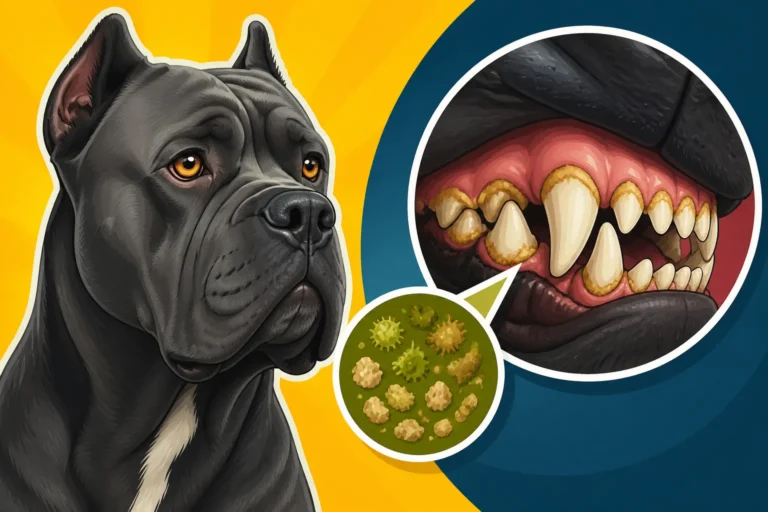
Dental disease is incredibly common in older dogs. Plaque and tartar buildup can lead to gum inflammation, infections, and even painful tooth loss. If your Cane Corso is suddenly reluctant to eat, especially dry kibble, or is dropping food, painful teeth could be the culprit. Imagine trying to chew crunchy food with a toothache – it's no fun!
A veterinary dental check-up is always recommended. If dental pain is confirmed, your vet might suggest a professional cleaning. In the meantime, switching to a softer food texture can provide immediate relief. This could mean:
- Soaking kibble: Add warm water or low-sodium broth to their dry food until it softens into a mush.
- Wet food: As discussed, wet food is inherently soft and palatable.
- Fresh food: Human-grade fresh food, like that offered by Ollie, tends to be softer and easier to chew.
- Blended food: For very severe cases, you might even need to blend their food into a gruel.
Don't let dental pain stop your senior Cane Corso from getting the nutrition they need. Adjusting the food texture is a simple, effective solution.
Picky Eaters and Supplementation
Some senior Cane Corsos simply lose interest in food. This can be due to a diminished sense of smell, underlying health issues, or just a general decline in appetite. It's frustrating when you know they need to eat, but they turn their nose up at everything.
Try to make mealtimes exciting again.
- Variety: While generally, Diet Changes That Upset a Deep Chested Cane Corso should be approached carefully, a small variety in protein sources or food toppers might tempt a picky senior.
- Warmth: Warming food slightly can enhance its aroma.
- Enticing Toppers: A spoonful of plain yogurt, cottage cheese, cooked lean meat, or even some low-sodium broth can make their regular food more appealing.
- High-Value Treats: Small amounts of highly desirable treats, like cooked chicken or cheese, can stimulate appetite.
If your Cane Corso is consistently refusing food or eating very little, speak to your veterinarian. They can rule out medical causes and suggest appetite stimulants if necessary. In terms of supplementation, while a good senior diet should cover most bases, your vet might recommend additional supplements for specific needs, such as extra omega-3s for joint health or B vitamins for energy. Always discuss any supplements with your vet before adding them to your dog's regimen. You can find a wide range of vetted supplements on Chewy or Amazon.
Managing Chronic Conditions Through Diet
Many senior Cane Corsos develop chronic health conditions that can be managed, or at least supported, through diet. These might include kidney disease, heart disease, diabetes, or even cognitive decline.
- Kidney Disease: Diets for kidney disease are typically lower in protein (but still high quality), phosphorus, and sodium. Your vet will prescribe a specific prescription diet if this is the case.
- Heart Disease: Low-sodium diets are often recommended for dogs with heart conditions to help manage fluid retention.
- Diabetes: High-fiber, complex carbohydrate diets that promote stable blood sugar levels are crucial.
- Cognitive Decline (Canine Cognitive Dysfunction): Diets enriched with antioxidants, omega-3 fatty acids, and specific brain-supporting nutrients (like medium-chain triglycerides, MCTs) can help support brain health. What Changes in a Cane Corso After Its Eighth Birthday discusses the broader picture of senior health.
Never attempt to diagnose or treat a chronic condition with diet alone. Always work closely with your veterinarian. They can recommend specific prescription diets or guide you on how to modify an over-the-counter diet to best support your Cane Corso's unique health needs. This collaborative approach ensures that your beloved senior giant receives the most appropriate and beneficial care as they navigate their golden years.
Disclaimer
This article is for general informational purposes only and does not constitute professional advice. Laws, prices and regulations vary by location and change over time. Consult a qualified professional for guidance on your specific situation.