Diet Changes That Upset a Deep Chested Cane Corso
Bringing a magnificent Cane Corso into your life is a huge commitment, and often, owners are caught off guard by just how sensitive these powerful dogs can be, especially when it comes to their diet. Many of us have experienced that gut-wrenching feeling when you try to switch your deep-chested companion to a new food, only for them to develop an upset stomach that quickly escalates into something far more concerning. This guide is here to walk you through why diet changes can be such a big deal for a Cane Corso and how you can manage these transitions safely and effectively, easing some of that worry for you and discomfort for your beloved dog.
The Unique Digestive Challenges of a Deep-Chested Cane Corso
It's not just an old wives' tale; deep-chested breeds like our Cane Corsos genuinely have a different physiological setup that makes them more susceptible to digestive upset. Their impressive, barrel-like chests might look grand, but they also create a specific anatomical situation for their stomach. This stomach, often suspended by less robust ligaments than in other breeds, has more room to move around. When digestive issues arise, like excessive gas or a sudden change in food consistency, this anatomical quirk can turn a simple tummy ache into a serious health crisis.
Imagine your Cane Corso, typically a stoic and robust animal, suddenly looking uncomfortable, pacing, or trying to vomit without success. This isn't just a minor inconvenience; it's a terrifying moment for any owner. The digestive system of these dogs is finely tuned, and any abrupt alteration can throw it completely out of whack. A new food, even one that seems perfectly healthy, can introduce different proteins, fats, or carbohydrates that their system isn't prepared to process efficiently. This can lead to increased gas production, changes in gut motility, and an overall disruption of the delicate microbial balance in their intestines.
Furthermore, the sheer volume of food a large breed like a Cane Corso consumes means that any digestive upset can be amplified. A small dog might get a mild case of diarrhea, but for a Cane Corso, the same issue can mean significant dehydration and discomfort, not to mention the logistical nightmare of cleaning up after a hundred-pound dog with an upset stomach. It's a frustrating situation because you're often just trying to do what's best for them, perhaps switching to a higher quality food or one recommended by your vet, only to be met with severe consequences.
Why Diet Changes Can Lead to Big Problems for a Cane Corso
The decision to change your Cane Corso's diet usually comes from a good place – maybe you've learned about better nutrition, or your vet suggested a therapeutic diet. However, for a breed with such specific sensitivities, what seems like a simple swap can trigger a cascade of issues. Understanding the underlying reasons can help you approach diet changes with the caution and planning they truly require.
The Immediate Impact of Abrupt Food Transitions
One of the biggest culprits behind an upset Cane Corso stomach is simply changing their food too quickly. Their digestive systems, particularly their gut microbiome, thrive on consistency. Introducing a completely new food suddenly is like throwing a wrench into a well-oiled machine. The beneficial bacteria that have grown accustomed to breaking down specific ingredients in their old food suddenly face an entirely different composition. They need time to adapt, multiply, and produce the right enzymes for the new diet.
Without this adaptation period, your Cane Corso's body struggles. You might see symptoms like acute vomiting, diarrhea, loss of appetite, or excessive gas. I remember one time, trying to be efficient, I just mixed a little of the new kibble in with the old, thinking it was enough. Within hours, my boy, Rocco, was bloated and uncomfortable, passing gas that could clear a room and looking utterly miserable. It was a stark reminder that even a small change can have a dramatic effect. This rapid shift also increases their risk of more serious issues, especially considering their deep chest, as the sudden gas and undigested food can put dangerous pressure on the stomach. It's a situation that makes you realize just how delicate their system is beneath that powerful exterior.
Identifying Specific Ingredient Sensitivities
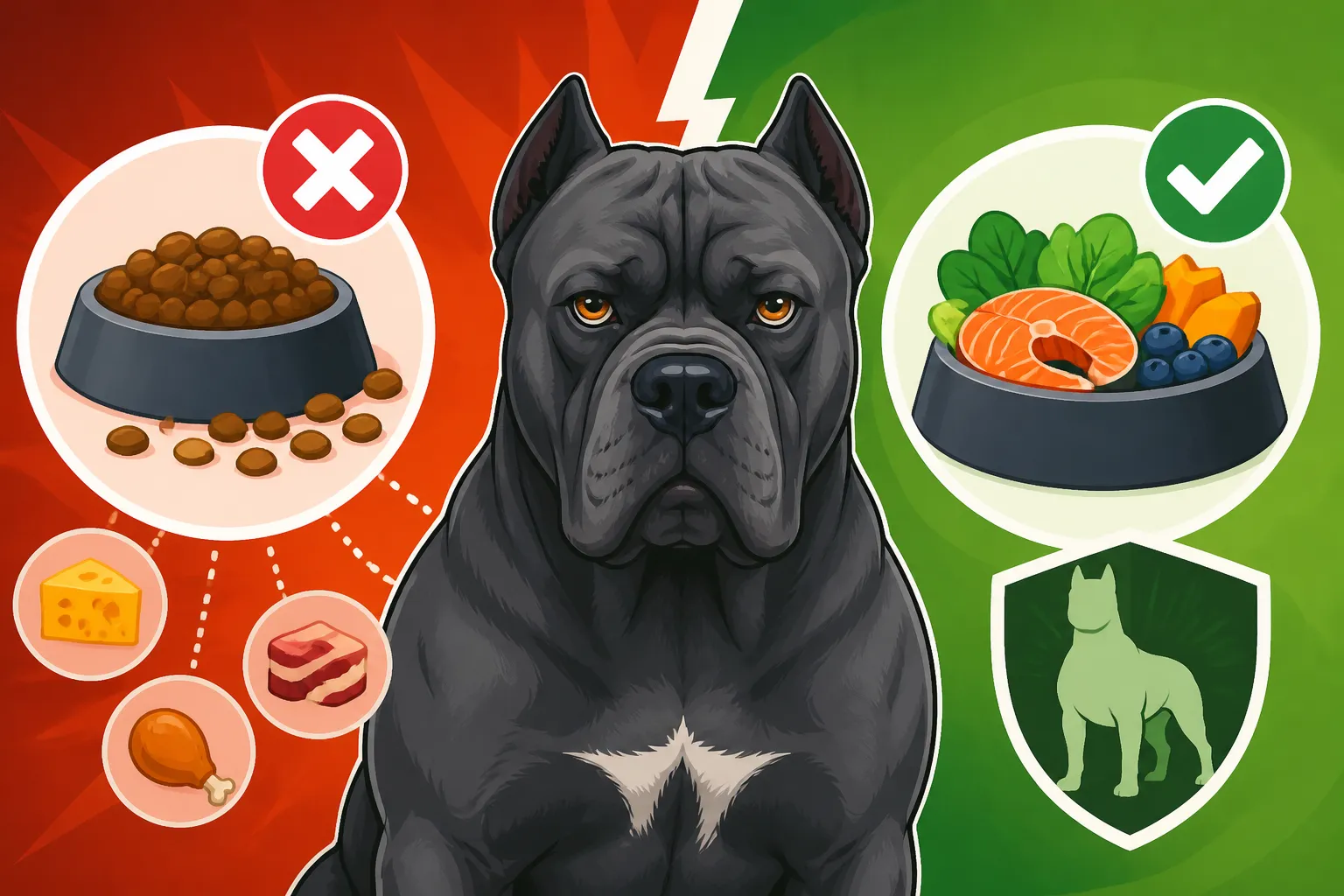
Beyond the speed of the transition, the ingredients themselves can be problematic for a Cane Corso. Like humans, dogs can develop sensitivities or allergies to certain proteins, grains, or other components in their food. Common culprits often include chicken, beef, corn, wheat, or soy, but it can be virtually anything. When switching foods, you might inadvertently introduce an ingredient your Cane Corso's system simply cannot tolerate, leading to an inflammatory response in the gut.
This isn't always an allergy manifesting as itchy skin; often, it presents as chronic digestive issues. Persistent soft stools, frequent vomiting, or a general lack of enthusiasm for eating can all be signs of an ingredient sensitivity. Finding the trigger can be a painstaking process, often involving elimination diets under veterinary guidance. You might spend hours researching different brands on Chewy or comparing endless ingredient lists on Amazon, trying to find that perfect, gentle formula. It's a challenging journey, and the frustration of seeing your dog suffer while you try to pinpoint the problem is immense. Sometimes, even the finest, most expensive kibble can contain an ingredient that just doesn't agree with your particular dog. This is why careful observation and sometimes even detailed food journals are crucial when making diet adjustments. You want to avoid The Gas a Cane Corso Produces and What Causes It that signals digestive distress.
The Terrifying Link Between Diet Changes and Bloat
This is the conversation no Cane Corso owner ever wants to have, but it's absolutely vital. For our deep-chested friends, digestive upset isn't just about a messy yard or a ruined carpet; it can quickly become a life-threatening emergency known as Gastric Dilatation-Volvulus, or GDV, more commonly called bloat. This is one of the most frightening realities of owning a breed like the Cane Corso, and diet changes can, unfortunately, play a role in increasing that risk.
When a Cane Corso's stomach is already unsettled by a new food, it can produce excessive gas or swell with undigested contents. This distension alone, known as gastric dilatation, is incredibly painful. But the real danger comes if the stomach then twists upon itself, a condition called volvulus. This twisting cuts off blood supply to the stomach and often the spleen, trapping gas and food inside, and preventing anything from passing through. Without immediate emergency surgery, bloat is almost always fatal. Bloat and What a Cane Corso's Deep Chest Costs isn't just a concern for owners, it's a devastating reality.
Consider a scenario where you've switched foods, and your Cane Corso is experiencing discomfort and gas. They might be trying to vomit but nothing comes up, or pacing anxiously, with a visibly distended abdomen. These are classic signs of bloat, and every second counts. The fear you feel in that moment is unlike anything else. The sudden introduction of a new food, especially one with different ingredient profiles or a sudden increase in fiber or fat, can disrupt the normal digestive rhythm, potentially contributing to the conditions that lead to bloat. It's why recognizing The First Sign a Cane Corso Is Bloating is so critical. The urgency of getting to an emergency vet if you suspect bloat cannot be overstated.
Long-Term Nutritional Consequences
While bloat is the most immediate and terrifying concern, poorly managed diet changes can also have significant long-term nutritional consequences for your Cane Corso. If a new food consistently causes digestive upset, it means your dog isn't efficiently absorbing the nutrients from their meals. This malabsorption can lead to a host of problems over time.
For a growing Cane Corso puppy, consistent malabsorption can impede proper development, affecting bone growth and overall health. Why a Cane Corso should not grow too fast is a common warning from breeders, and consistent digestive upset from improper diet changes only exacerbates this. For adult dogs, chronic malabsorption can result in weight loss, dull coat, low energy levels, and a weakened immune system. You might find yourself constantly dealing with Why a Cane Corso Has Loose Stools on New Food, which is a clear indicator that their digestive system isn't happy.
This isn't just about weight, either. Critical vitamins, minerals, and amino acids might not be making it into their system as they should, leading to deficiencies that can manifest in various health issues down the line. It's a silent stressor on their body, even if the immediate symptoms seem manageable. This highlights why any diet change needs to be thoughtful, gradual, and closely monitored, ensuring that your Cane Corso is truly thriving on their new food, not just surviving.
Implementing a Safe Diet Transition for Your Cane Corso
Changing your Cane Corso's food doesn't have to be a nightmare, but it does require patience and a systematic approach. The goal is to gradually introduce the new food while slowly reducing the old, giving your dog's digestive system ample time to adjust. This careful method minimizes the risk of upset stomachs and, critically, reduces the likelihood of severe complications like bloat.
The Gradual Transition Method: A Step-by-Step Guide
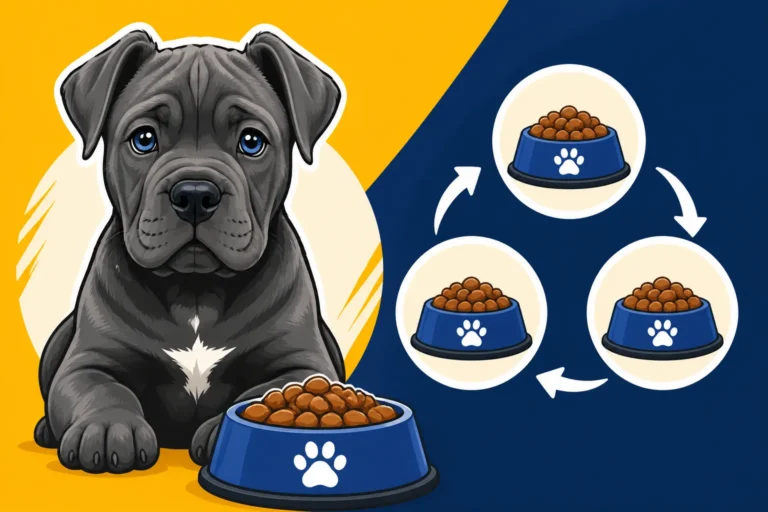
The key to a successful food transition is to do it slowly. Resist the urge to rush, even if you're excited about the new food. A good transition period typically lasts 7 to 10 days, but for a sensitive Cane Corso, extending it to two weeks or even longer can be beneficial. Here's a general guideline:
| Day | Old Food Percentage | New Food Percentage | Notes |
|---|---|---|---|
| 1-2 | 75% | 25% | Monitor for any signs of loose stool or gas. |
| 3-4 | 50% | 50% | If stools are firm, increase new food gradually. |
| 5-6 | 25% | 75% | Closely observe energy levels and appetite. |
| 7-10 | 0% | 100% | By day 7, your Cane Corso should be fully on the new food. Extend if needed. |
During this period, keep an eagle eye on your Cane Corso. Are their stools firm and well-formed? Are they showing any signs of discomfort, excessive gas, or changes in appetite? If you notice any issues, slow down the transition. You might need to hold at a particular ratio for an extra day or two until their system stabilizes. Remember, consistency in feeding times and avoiding The Mealtime Habits That Turn a Cane Corso's Stomach is also critical during this phase.
Choosing the Right Food and Supporting Gut Health
Selecting the right food for your Cane Corso is paramount. Look for high-quality ingredients, specifically a formula designed for large or giant breeds, as these are often calibrated with the correct calcium-to-phosphorus ratios to support slow, steady growth and joint health. If your dog has known sensitivities, consider a limited-ingredient diet. Websites like Chewy offer extensive filter options to help you narrow down choices based on protein source, grain content, and specific dietary needs. Brands like Ollie, which offer fresh, customized meal plans, can also be a great option for some sensitive dogs, as their ingredients are often simpler and less processed, but always check their specific formulations.
Beyond the kibble itself, consider adding digestive support during the transition. A good probiotic supplement can introduce beneficial bacteria to your Cane Corso's gut, helping it adapt to the new food more smoothly. You can often find these at pet stores or online. Whether a Cane Corso Needs a Probiotic is a question many owners ponder, and during a food transition, the answer is often a resounding yes. Additionally, some owners find that adding a small amount of plain canned pumpkin (not pie filling) to meals can help firm up stools during periods of digestive upset due to its fiber content.
When to Consult Your Veterinarian
Even with the most careful planning, sometimes things don't go as smoothly as hoped. Knowing when to escalate your concerns to your veterinarian is crucial, especially with a deep-chested breed like a Cane Corso.
If your Cane Corso experiences persistent vomiting, severe diarrhea (especially with blood), extreme lethargy, or loss of appetite for more than 24 hours, it's time to call the vet. These symptoms can indicate more serious underlying issues. Most critically, if you observe any signs of bloat – such as a distended or hard abdomen, unproductive retching, restlessness, or weakness – treat it as an immediate emergency. Head to the nearest emergency veterinary clinic without delay. While managing How Many Cups a Ninety Pound Cane Corso Gets is important, ensuring those cups are digested safely is even more so. Your vet can offer guidance on suitable diets, prescribe medications to help settle your dog's stomach, or perform necessary diagnostic tests to rule out other health concerns. Always err on the side of caution; a quick call or visit can make all the difference for your beloved Cane Corso.
Disclaimer
This article is for general informational purposes only and does not constitute professional advice. Laws, prices and regulations vary by location and change over time. Consult a qualified professional for guidance on your specific situation.