Grooming a Cane Corso That Cannot Get Up
It’s a tough reality when your strong, independent Cane Corso starts to struggle with mobility, isn't it? One day they’re bounding around, and the next, simple actions like standing or shifting become a monumental effort. Grooming, which used to be a quick brush and a wipe-down, transforms into a challenging ordeal for both of you. This guide will walk you through the practical, empathetic ways to maintain your beloved Cane Corso's hygiene and comfort when they can no longer stand for grooming, ensuring their dignity and your peace of mind.
Understanding the Challenges of Grooming an Immobile Cane Corso
When your Cane Corso reaches a point where standing for grooming is no longer an option, whether due to age, injury, or a debilitating health condition, you're faced with a unique set of challenges. It’s not just about getting the job done; it’s about doing it safely, comfortably, and with the utmost consideration for their physical and emotional well-being.
Physical Limitations and Safety Concerns
The sheer size and weight of a Cane Corso, even when lying down, can make basic grooming tasks surprisingly difficult. Imagine trying to trim nails or brush out shedding hair on a dog that might weigh well over a hundred pounds and cannot easily reposition themselves. Their joints might be arthritic, their muscles weak, or they might be recovering from surgery, making any unnecessary movement painful. Lifting a leg for a nail trim could cause undue strain, and even a slight shift in weight could exacerbate an existing injury. Helping an Old Cane Corso Off the Floor is a struggle many owners face, and grooming adds another layer to this. Your primary concern must always be preventing further injury to your dog and yourself. You don't want to accidentally twist a fragile joint or strain your own back trying to maneuver them.
Furthermore, these dogs often have sensitive skin, especially as they age or if they’re dealing with allergies. Rough handling or awkward positions can easily lead to skin irritation, hot spots, or even pressure sores if they’re lying in one spot too long. The deep chest and heavy musculature of a Cane Corso means there are many nooks and crannies where dirt, dander, and moisture can accumulate, which can be hard to reach when they're not able to stand or roll over easily.
Emotional and Behavioral Considerations
Beyond the physical, there's a profound emotional component to grooming an immobile Cane Corso. For a dog that was once so robust and capable, the loss of mobility can be confusing and frustrating. They might become more anxious, irritable, or even fearful during grooming sessions because they associate it with discomfort or their inability to escape the situation. You might notice a change in their body language – flattened ears, whale eye, excessive licking, or even a subtle growl – all signals that they are feeling vulnerable and distressed.
It’s easy to project our own frustrations onto them when they resist, but it's crucial to remember that their reactions stem from a place of discomfort or fear, not defiance. A Cane Corso's strong guardian instinct often comes with a deep sensitivity to their environment and their people. When they are not feeling well, this sensitivity can be heightened. If grooming becomes a battle, it can erode the trust you've built, making future sessions even harder. Your patience and empathy become your most important tools, even more so than any brush or clipper.
Essential Tools and Techniques for Gentle Grooming
When you're grooming a Cane Corso that can't stand, your approach and your tools need to change. The goal is to be as efficient and gentle as possible, minimizing discomfort and stress for your dog.
Brushing and Coat Care for a Lying Cane Corso
Your Cane Corso’s dense, short coat still sheds, sometimes quite a lot, even if they aren't as active. Regular brushing is vital to remove loose hair, distribute natural oils, and check for any skin issues. However, you can't just flip them over like a small dog.
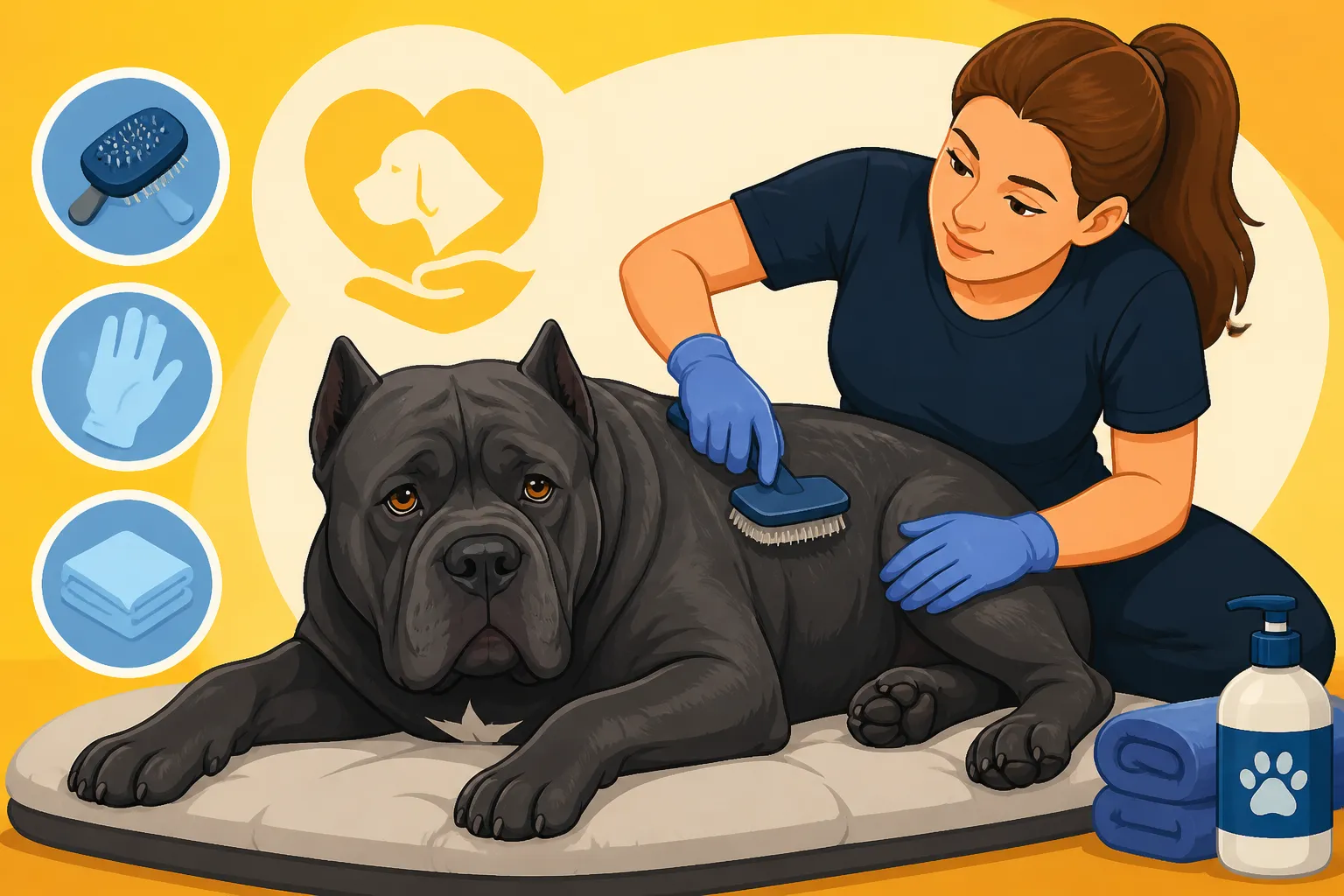
- Soft-Bristle Brushes: Start with a soft rubber curry brush or a gentle bristled brush. These are great for stimulating circulation and removing surface dirt without pulling on their skin. Work in short, gentle strokes, following the direction of the hair growth.
- Deshedding Tools: For removing that surprising amount of undercoat, a deshedding tool like a Furminator or a similar brand from Chewy can be very effective, but use it with extreme care. Apply minimal pressure and work in short sections. If your dog flinches or shows any sign of discomfort, stop immediately. Sometimes, just a simple grooming glove can do wonders, allowing you to "pet" away loose hair without your dog even realizing they're being groomed.
- Techniques: Approach grooming as a massage. Start with areas you know your dog tolerates well, like their sides or chest, before moving to more sensitive spots. Instead of trying to get all the shedding done in one go, aim for shorter, more frequent sessions. A few minutes daily can be much more effective and less stressful than one long, intense session weekly. If your Cane Corso can only lie on one side comfortably, focus on that side for a few days, then gently roll them with assistance to get the other side if possible. Always support their head and joints as you do so. Grooming an Old Cane Corso That Cannot Stand Long requires this kind of careful planning.
Nail Trimming and Paw Pad Maintenance
Long nails on an immobile dog can cause severe discomfort and even lead to splayed toes or infections. Trimming their nails is non-negotiable, but it needs a careful hand.
- Grinders vs. Clippers: Many owners find a dremel-style nail grinder to be much less stressful and safer than traditional clippers, especially for a Cane Corso's thick, dark nails. Whether a Grinder Beats Clippers on a Cane Corso is a question many ponder, and for immobile dogs, the slow, gradual shortening of a grinder can prevent accidental cutting of the quick, which is extremely painful. If you use clippers, ensure they are sharp and heavy-duty enough for large breed nails.
- Small, Frequent Trims: Instead of trying to take off a lot of length at once, aim for tiny, frequent trims. This helps the quick recede over time, allowing you to gradually get the nails shorter without causing pain.
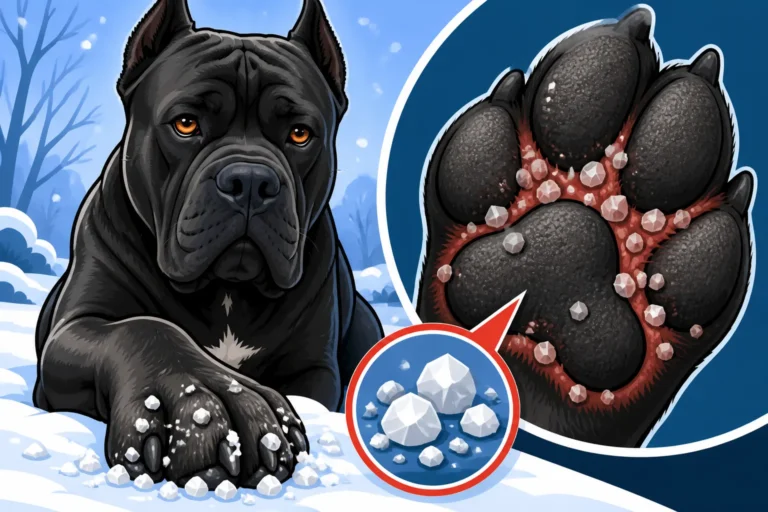
- Paw Pad Care: Check their paw pads regularly for cracks, sores, or foreign objects. Dogs that are lying down more often can develop calluses or pressure points. Applying a paw balm (many good options are available on Amazon) can keep their pads moisturized and prevent cracking. If their feet are sensitive, a soft cloth can be used to wipe them clean, rather than intense scrubbing.
- Working Around Position: When trimming, try to work with their natural resting position. If they can only tolerate one paw being lifted slightly, work on that, then rotate to another paw if they allow. This might mean only doing one paw per session.
Eye, Ear, and Dental Hygiene
These often-overlooked areas are crucial for comfort and health, especially for a Cane Corso with reduced mobility.
- Eye Care: Cane Corsos can be prone to loose eyelids, leading to tear staining and potential irritation. Daily gentle wiping with a soft, damp cloth can prevent crust buildup and keep their eyes comfortable. If you notice excessive discharge, redness, or your dog frequently rubbing their face, consult your vet – it could be a sign of infection or conditions like entropion or ectropion. How Loose Lids Give a Cane Corso Chronic Eye Infections is a real concern, and preventative daily care makes a big difference. Eye Care for a Cane Corso Whose Lids Have Dropped is particularly important as these dogs age.
- Ear Cleaning: Whether your Cane Corso has natural or cropped ears, regular checks are essential. Natural ears can trap moisture and debris, making them prone to infections. Cropped ears also need attention, as the canals still collect wax. The Weekly Ear Check a Cane Corso Owner Should Do should be gentle. Use a vet-approved ear cleaner and soft cotton balls to wipe the visible parts of the ear. Never insert anything deep into the ear canal. If you detect any foul odor, redness, or excessive head shaking, it’s time for a vet visit.
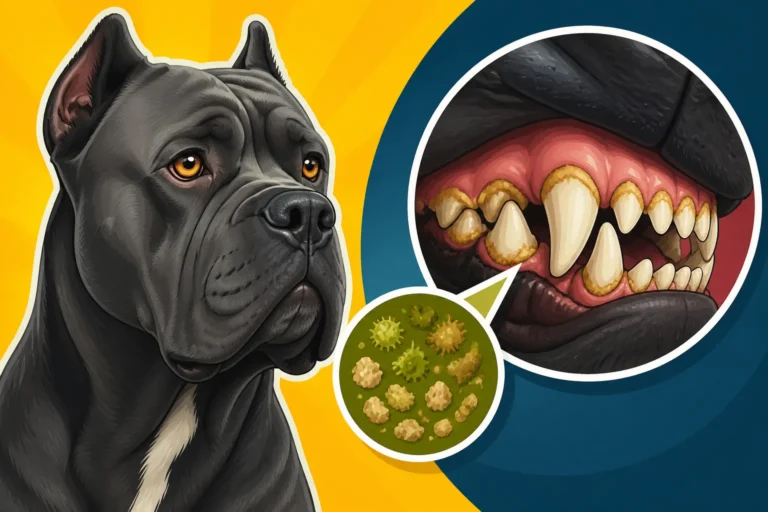
- Dental Health: Good dental hygiene is often neglected but critical for overall health. Even an immobile dog can suffer from painful dental disease. If your dog tolerates it, use a soft finger brush and dog-specific toothpaste to gently brush their teeth. If brushing is too much, dental wipes or water additives can offer some benefit. However, a professional dental cleaning under anesthesia might be necessary, and you should discuss the risks and benefits with your veterinarian, especially for an older or compromised dog.
Creating a Comfortable and Safe Grooming Environment
Making grooming a positive experience starts with the environment. For a Cane Corso that can't get up, this means designing a space that prioritizes their comfort, safety, and minimizes stress.
Setting Up for Success: Location and Support
Choosing the right spot and providing proper support can make all the difference.
- Quiet Location: Pick a quiet, familiar area of your home where your Cane Corso feels safe and relaxed, away from distractions. A living room corner, a large bedroom, or even a covered patio on a pleasant day can work. Avoid high-traffic areas where family members might constantly walk by.
- Soft, Supportive Surface: Forget the cold, hard floor. Lay out an orthopedic bed for maximum comfort. Many brands, including those found on Chewy or Amazon, offer large, supportive beds specifically designed for heavy breeds. Layer it with soft blankets or towels that you don’t mind getting dirty or hairy. This provides cushioning for their joints and pressure points. Orthopedic Beds Rated for a Cane Corso's Weight are an excellent investment.
- Proper Lighting: Ensure the area is well-lit so you can clearly see what you're doing, especially for nail trims or inspecting skin. Natural light is often best, but a good task lamp can also be invaluable.
- Everything Within Reach: Gather all your grooming tools beforehand and place them within easy reach. This prevents you from having to get up and down, which can disrupt your dog's calm state and potentially put strain on your own body.
- Non-Slip Mats: If you do need to have your dog on a harder surface for a brief moment, or if you're grooming on a tile or hardwood floor, use non-slip mats around them. This provides purchase for any repositioning they might attempt and ensures stability for you.
Enlisting Help and Professional Guidance
Sometimes, even with the best intentions and tools, it's too much for one person, or the situation requires expert intervention.
- Two-Person Job: Many tasks, especially nail trims or thorough brushing, become much easier and safer with a second person. One person can offer gentle reassurance, treats, and steady support, while the other focuses on the grooming task. This dramatically reduces the risk of injury and stress.
- Vet Assistance: If your Cane Corso is in significant pain or highly resistant to grooming, don't hesitate to involve your veterinarian. They might be able to prescribe pain medication or a mild sedative to make grooming sessions more comfortable and less stressful. They can also perform tasks like nail trims, especially if your dog has an underlying health issue.
- Mobile Groomers: Consider looking for a mobile groomer in your area. Many of these professionals are experienced with large and senior dogs and can come to your home, eliminating the stress of a car ride and a noisy salon. They often have specialized equipment and techniques for grooming dogs with limited mobility. When searching online, you might find local services that cater to this specific need.
- Physical Therapists: For dogs with chronic pain or mobility issues, a canine physical therapist can offer advice on safe positioning and gentle exercises that might improve their comfort, indirectly making grooming easier. They can show you how to safely support their body during movements.
Adapting Routine Care for a Senior or Injured Cane Corso
Caring for an aging or injured Cane Corso is a journey of constant adjustment. Their needs change, and so must your routine. This extends well beyond grooming, but how you manage their overall care profoundly impacts their comfort during grooming.
Adjusting Frequency and Duration
The old adage "less is more" often applies when dealing with an immobile Cane Corso. Longer, drawn-out grooming sessions can quickly become overwhelming and painful.
- Shorter, More Frequent Sessions: Instead of attempting a full-body grooming marathon once a week, break it down into smaller, manageable chunks. Perhaps one day is for brushing a specific side, the next for paws, and another for eyes and ears. This prevents your dog from becoming overtired or anxious and allows you to complete tasks without pushing them past their comfort threshold. Aim for 5-10 minute sessions rather than 30 minutes.
- Listen to Your Dog: Your dog's body language is your best guide. If they start to yawn excessively, lick their lips, turn their head away, or stiffen up, it's a clear signal that they’ve had enough. Respect that. Pushing them through discomfort will only make them dread the next grooming session. End on a positive note, even if you’ve only accomplished one small task, and reward them with praise and a favorite treat.
Recognizing Signs of Discomfort and Stress
Becoming attuned to your Cane Corso's subtle cues is critical. They can't tell you in words that they hurt, but their body language speaks volumes.
- Subtle Signals: Look for things like a quick flick of the tongue, a sudden tensing of muscles, a shift in gaze, or shallow, rapid breathing. Some dogs might try to pull away, whine softly, or even pant when they are not hot. These are all signs of discomfort or anxiety.
- Vocalizations: While Cane Corsos aren't typically overly vocal, a low growl, a whimper, or a groan, especially when you touch a particular spot, is a strong indicator of pain.
- Refusal to Cooperate: If your dog, normally cooperative, suddenly becomes stubborn or resistant during grooming, it's almost always a sign that something is causing them distress. Rule out physical pain first.
- Pain Management: If pain is consistently an issue during grooming, discuss pain management options with your vet. This could range from anti-inflammatory medications to joint supplements. Managing Arthritis in a Hundred Pound Cane Corso is a crucial part of ensuring their overall comfort, which in turn makes grooming easier.
Nutrition's Role in Coat and Skin Health
It might not seem directly related to grooming an immobile dog, but proper nutrition plays a significant role in the health of their skin and coat, making your job easier.
- High-Quality Diet: A balanced, high-quality diet provides the necessary nutrients for healthy skin and a shiny coat. Look for foods rich in omega-3 and omega-6 fatty acids, which are vital for skin health. Some owners opt for fresh food diets, like those offered by Ollie, as they can sometimes improve coat condition.
- Supplements: Your vet might recommend supplements like fish oil, biotin, or specific joint supplements that can improve skin elasticity, reduce inflammation, and support overall health. Healthy skin is less prone to dryness, flaking, and irritation, which means less shedding and fewer potential hot spots to worry about.
- Hydration: Ensure your Cane Corso always has access to fresh water. Good hydration is essential for skin health and overall bodily functions.
- Weight Management: Keeping your Cane Corso at a healthy weight is paramount, especially for aging or injured dogs. The Weight an Old Cane Corso Should Hold is often leaner than what you might imagine. Excess weight puts additional strain on joints, exacerbates mobility issues, and can make grooming around heavy body folds more difficult. Maintaining an ideal body condition can significantly improve their quality of life and comfort.
| Grooming Task | Recommended Tools & Techniques | Considerations for Immobile Cane Corsos |
|---|---|---|
| Brushing | Soft rubber curry brush, gentle bristled brush, grooming glove, mild deshedding tool | Shorter, more frequent sessions; work with dog's resting position; focus on one side at a time if needed; gentle strokes. |
| Nail Trimming | Dremel-style nail grinder, heavy-duty clippers | Tiny, frequent trims to recede quick; use grinder for safety; only lift paw if comfortable. |
| Paw Pad Care | Paw balm, soft cloth | Inspect for sores/cracks due to prolonged lying; moisturize regularly. |
| Eye Cleaning | Soft, damp cloth, vet-approved eye wipes | Daily gentle wiping to prevent crusts; watch for discharge, redness; Eye Care for a Cane Corso Whose Lids Have Dropped is essential. |
| Ear Cleaning | Vet-approved ear cleaner, cotton balls | Weekly checks; clean visible parts only; avoid deep insertion; watch for odor, redness. |
| Dental Care | Finger brush, dog-specific toothpaste, dental wipes, water additives | Gentle brushing if tolerated; consider vet dental cleaning for severe issues; monitor for discomfort. |
| Bathing | Mild dog shampoo, washcloth | Spot cleaning with warm water and cloth; dry shampoo alternatives; gentle rinsing; prevent chilling. |
Caring for an immobile Cane Corso requires dedication, patience, and a willingness to adapt. It's a testament to the bond you share. By understanding their needs, using the right tools, and approaching grooming with empathy, you can ensure their comfort and cleanliness, making their golden years or recovery as peaceful as possible. Remember, your vet is your best resource for any medical concerns or pain management strategies. You are not alone in this journey.
Disclaimer
This article is for general informational purposes only and does not constitute professional advice. Laws, prices and regulations vary by location and change over time. Consult a qualified professional for guidance on your specific situation.