Road Salt on a Cane Corso’s Pads in January
Winter can be a magical time for us, with crisp air and snowy landscapes, but for our beloved Cane Corsos, those frosty walks can turn into a painful ordeal for their paws. The constant exposure to harsh road salt and abrasive ice melt chemicals can cause everything from dry, cracked pads to painful chemical burns, making every step a challenge and worrying any dedicated owner. This guide is here to walk you through exactly how to protect your big dog's sensitive paw pads from the perils of winter, ensuring their comfort and well-being through the colder months.
The Harsh Reality of Winter Walks for Your Cane Corso
There's nothing quite like watching your powerful Cane Corso bound through a fresh layer of snow, but the joy of winter can quickly turn to concern when you consider what lies beneath that beautiful white blanket. Our city streets, suburban sidewalks, and even country roads are often treated with a cocktail of substances designed to melt ice and provide traction for vehicles and pedestrians. Unfortunately, these solutions are rarely dog-friendly, and for a large, heavy-footed breed like the Cane Corso, the impact on their paw pads can be significant and debilitating.
Understanding the Threat of Road Salt
When we talk about "road salt," we're generally referring to various types of de-icing agents, most commonly sodium chloride (table salt), but also magnesium chloride, calcium chloride, and potassium chloride. These substances work by lowering the freezing point of water, melting ice and snow. While effective for human safety, they are incredibly detrimental to canine paws.
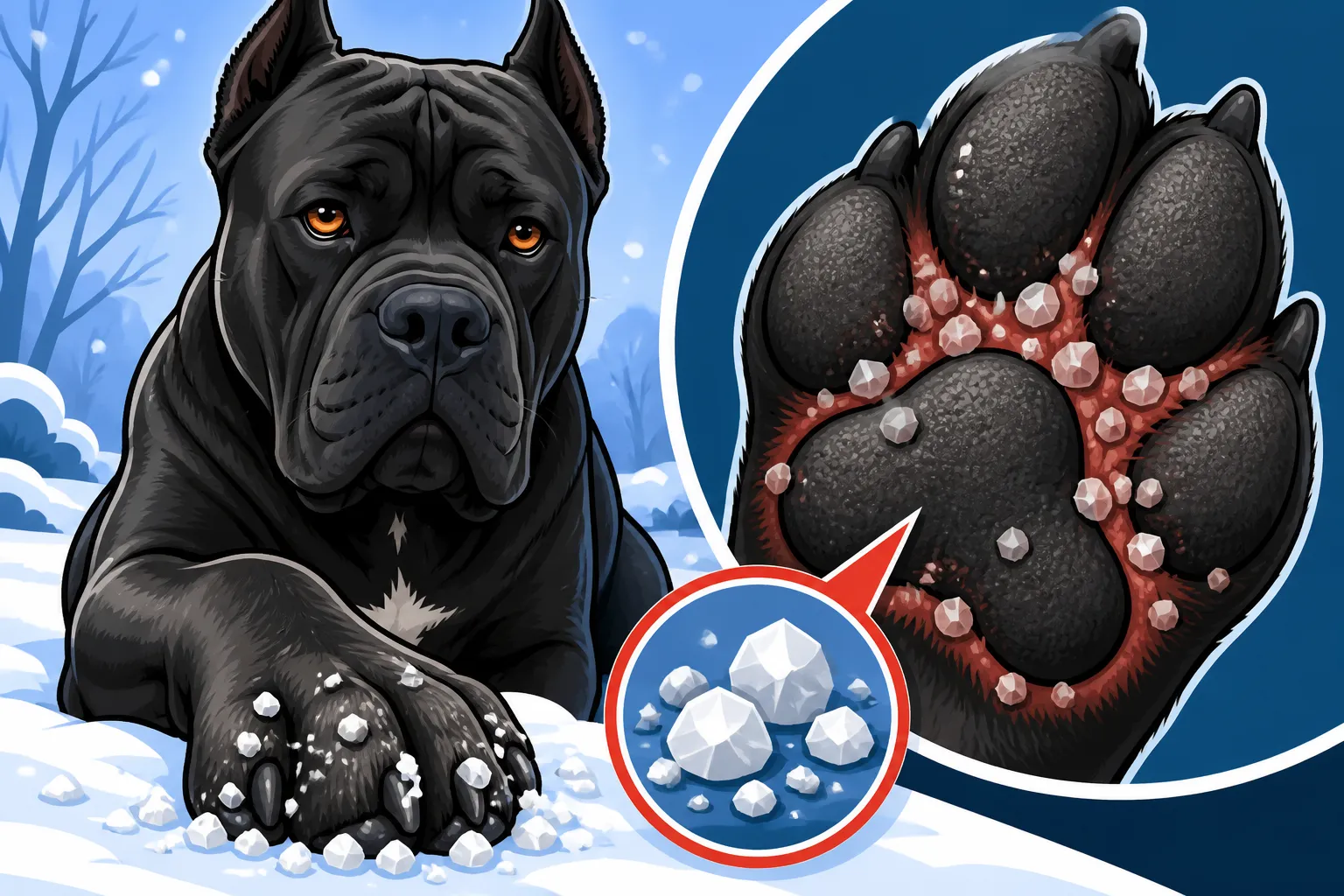
Imagine walking barefoot on a sidewalk that's been sprinkled with coarse, dehydrating crystals. That's essentially what your Cane Corso experiences. The salt particles are abrasive and can cause physical irritation, cuts, and scrapes on the pads and between the toes. More severely, these chemicals draw moisture out of the skin, leading to extreme dryness, cracking, and even chemical burns. If you've ever felt the sting of salt on a paper cut, you can get a small idea of the discomfort your dog might feel. Beyond the immediate pain, these chemicals can accumulate on your dog's paws, and when your Cane Corso inevitably licks their feet to soothe the irritation, they ingest these potentially toxic substances, leading to upset stomachs or more serious internal issues. It's a double whammy of external damage and internal risk that owners often overlook until the problem becomes severe.
Beyond Salt: Other Winter Hazards
While road salt is a primary culprit, it's not the only winter hazard lurking for your Cane Corso's paws. The very ice and snow that the salt is meant to combat can cause damage themselves. Jagged ice shards can cut delicate paw pads, while prolonged contact with freezing surfaces can lead to frostbite, especially on the less insulated parts of the foot. Frozen, uneven ground can also stress joints and cause missteps that result in injury.
Furthermore, many commercial ice melt products contain chemicals beyond simple salts. Some are formulated with propylene glycol or urea, which can be less irritating than rock salt but still cause dryness and chapping. Others might contain more corrosive agents. Then there's the silent killer: antifreeze. Spilled on driveways or leaking from cars, antifreeze often contains ethylene glycol, which is highly toxic and even a small amount can be fatal if ingested. It has a sweet taste that dogs find appealing, making it incredibly dangerous. Every winter walk carries a hidden gauntlet of potential threats that require vigilance and proper preventative measures.
Proactive Measures: Protecting Your Cane Corso's Paws
Preventative care is absolutely paramount when it comes to safeguarding your Cane Corso's paws during the winter months. Waiting until their pads are raw and cracked means your dog is already suffering. By incorporating a few simple but effective habits, you can create a protective barrier against the harsh elements and keep their powerful paws healthy and comfortable.
The Power of Paw Balms and Waxes
One of the easiest and most effective proactive steps you can take is to regularly apply a protective paw balm or wax. Think of it like a moisturizer and a shield all in one. These products create a semi-permeable barrier on the surface of the paw pads, helping to repel moisture, ice, and chemical irritants. They also help to moisturize the skin, preventing the dryness and cracking that road salt is notorious for causing.
Look for balms that are made with natural, pet-safe ingredients like beeswax, shea butter, coconut oil, or various botanical waxes. You'll find many excellent options available on retailers like Chewy or Amazon. The key is to apply it liberally before every walk or outdoor excursion during winter. Gently massage it into all four paw pads and don't forget the areas between the toes, where salt and ice can easily accumulate. Some owners even do a light application after cleaning paws post-walk to aid in recovery and hydration. Starting this routine early, even before the really cold weather hits, can help your Cane Corso get accustomed to the sensation and make it a seamless part of your daily routine. For more specific advice, you might want to read Whether a Cane Corso Needs Paw Balm in Winter.
Booties: A Physical Barrier
For the ultimate protection, especially if your Cane Corso will be walking on heavily salted sidewalks or spending extended time outdoors, dog booties are your best bet. They provide a complete physical barrier against ice, snow, salt, and any other debris that could harm their paws.
However, getting a large, often strong-willed Cane Corso to tolerate, let alone walk comfortably in, booties can be a challenge. The most crucial factor is finding the right fit. Booties that are too loose will twist, fall off, or rub, causing more problems than they solve. Too tight, and they can restrict blood flow or cause irritation. Measure your Cane Corso's paws carefully and read sizing guides. Look for booties that are durable, waterproof, and have good traction. Some brands offer options specifically designed for large breeds, which is a huge plus. Introduce booties gradually indoors with lots of positive reinforcement and treats before venturing outside. Start with just a few minutes, gradually increasing the wear time. It might look a little silly at first, but a Cane Corso with protected paws is a happy Cane Corso.
Training for Tolerance
Whether you opt for balms or booties, introducing paw protection to a Cane Corso requires patience and positive reinforcement. These are intelligent, observant dogs, and if you approach them with anxiety or force, they will quickly develop an aversion. The goal is to make paw care a neutral, or even pleasant, experience.
Start in a calm environment when your dog is relaxed. For balms, simply start by touching their paws gently, then introduce the balm with a high-value treat every time you apply it. Make it a quick, positive interaction. For booties, let them sniff and investigate the booties first. Then, put one on for a few seconds, immediately followed by a treat and praise. Take it off. Repeat. Gradually increase the time the bootie is on, working up to all four, and then try a short walk indoors. The trick is to associate the paw care with something wonderful – special treats, a favorite toy, or enthusiastic verbal praise. Consistency is key, and never punish them for resisting. Remember, your Cane Corso is a big dog with a powerful will, so a gentle, persistent approach will yield the best long-term results.
Post-Walk Care: Essential Steps for Recovery
The moment you step back inside after a winter walk, your job isn't over; in fact, it's just beginning. The substances your Cane Corso's paws encountered outdoors need to be addressed immediately to prevent further damage and discomfort. Think of this as the essential "decontamination" phase to restore their paw health.
Immediate Rinsing and Cleaning
This is perhaps the most critical step after any winter walk, especially if your Cane Corso has been on salted or chemically treated surfaces. As soon as you come indoors, grab a towel and a bowl of warm water, or use a sprayer attachment if you have a utility sink or mudroom setup. You need to thoroughly rinse each paw. Don't just wipe; really get in there and flush out any lingering salt, ice melt, dirt, or ice lodged between their pads and toes.
Even a quick pass with a damp towel isn't enough. The goal is to remove every trace of irritant before it has a chance to cause chemical burns or before your Cane Corso starts licking their paws and ingesting the harmful chemicals. Many owners find it helpful to keep a dedicated "paw washing station" near the door during winter – a small basin, warm water, and a stack of old towels make the process much smoother. If their paws are visibly soiled, a mild, pet-safe soap can be used, but ensure it’s thoroughly rinsed off.
Thorough Drying and Inspection
After rinsing, completely drying your Cane Corso's paws is just as important. Moisture trapped between the toes can lead to chapping, skin irritation, or even fungal and bacterial infections, which are the last thing you want to deal with on top of winter woes. Use a clean, absorbent towel and gently pat each paw dry, paying extra attention to the spaces between the pads and toes.
Once dry, take a moment to carefully inspect each paw. Spread the toes apart and look closely at the pads themselves. Are there any new cuts, scrapes, or abrasions? Are the pads red, inflamed, or excessively dry and cracked? Check for any foreign objects like tiny stones, ice fragments, or bits of debris that might have wedged themselves in. You're looking for any signs of irritation or injury that might have occurred during the walk. Early detection means you can address minor issues before they escalate into painful problems. If you notice persistent redness or deep cracks, it's a good time to think about Cracked Pads on a Working Cane Corso and how to prevent them.
Soothing and Healing Irritated Paws
If your Cane Corso's paws are already showing signs of irritation, such as redness, dryness, or minor cracks, it's time to provide some immediate relief. After cleaning and drying, apply a high-quality, soothing paw balm or cream. Many products are formulated with ingredients like calendula, aloe vera, or vitamin E, which can help to reduce inflammation, moisturize the skin, and promote healing.
Gently massage the balm into the affected areas. The challenge with a Cane Corso, like many dogs, is keeping them from immediately licking off the healing balm. Consider using a soft, comfortable cone or a paw bandage if they are persistently licking, but ensure any bandage isn't too tight. Keeping their paws clean, dry, and consistently moisturized is key to recovery. If the irritation doesn't improve within a couple of days, or if you notice deep fissures, swelling, limping, or any signs of infection (like pus or foul odor), it’s definitely time to contact your veterinarian. Don't delay, as paw infections can be incredibly painful and difficult to resolve without professional intervention.
Long-Term Paw Health and Prevention
Beyond the immediate daily care, a holistic approach to your Cane Corso's paw health, considering year-round maintenance and diet, will pay dividends, especially when winter rolls around. Strong, resilient paws are less susceptible to the damage caused by harsh winter conditions.
Regular Paw Maintenance Year-Round
Paw care isn't just for winter; it's a year-round commitment that contributes significantly to your Cane Corso's overall well-being. Regular nail trims are fundamental. Overgrown nails can push on the paw pads, altering your dog's gait, stressing joints, and making them more prone to slipping and injury, especially on slick winter surfaces. If you're struggling with nail trims, consider a professional groomer or vet tech. You can learn more about this in Nails, Teeth and Feet on a Hundred Pound Cane Corso.
Equally important is trimming the hair between your Cane Corso's paw pads. During winter, this hair can collect ice balls, salt, and debris, which can cause severe discomfort and matting. Keeping it neatly trimmed year-round prevents these issues. Also, consider regular moisturizing, even in warmer months, if your dog's pads tend to be dry. Healthy, supple pads are less likely to crack or chap when exposed to cold or chemical irritants. Integrating a consistent paw check into your grooming routine means you're always aware of their paw condition.
Nutritional Support for Skin and Paws
Believe it or not, what you feed your Cane Corso plays a crucial role in the health and resilience of their skin and paw pads. A diet rich in high-quality protein and essential fatty acids can significantly improve skin elasticity, reduce dryness, and bolster the skin's natural barrier function. Look for dog foods that list a named meat source as the first ingredient and contain omega-3 and omega-6 fatty acids.
Many owners find success supplementing with fish oil or adding fresh, whole foods to their Cane Corso's diet to boost these beneficial nutrients. For example, brands like Ollie offer fresh food options that can provide excellent nutritional support. You might also explore specialized skin and coat supplements if your Cane Corso struggles with chronic dryness or irritation. A healthy diet contributes to a robust immune system, which in turn helps fight off infections that might take hold in irritated paw pads. Always discuss any significant dietary changes or supplements with your veterinarian to ensure they are appropriate for your dog's specific needs.
When to Seek Veterinary Attention
While routine care and prevention can solve many paw problems, there are times when a veterinary visit is absolutely necessary. Never hesitate to contact your vet if you observe any of the following signs:
- Persistent limping or refusal to walk: This indicates significant pain or injury.
- Deep cracks or bleeding: These are entry points for serious infections.
- Swelling, redness, or heat: These are classic signs of inflammation or infection.
- Pus or foul odor: Definite indicators of infection requiring antibiotics.
- Excessive licking, chewing, or biting at the paws: Your dog is trying to tell you something is wrong, and persistent licking can worsen the problem.
- Blisters or raw spots: These can be signs of severe chemical burns.
- Nailbed infections or broken nails: These are very painful and can lead to lameness.
Your veterinarian can accurately diagnose the issue, provide appropriate pain relief, and prescribe medications like antibiotics or anti-inflammatories if needed. They can also offer tailored advice on specialized paw treatments or referral to a veterinary dermatologist if the problem is chronic. Protecting your Cane Corso's paws in winter is about diligence, prevention, and knowing when to call in the professionals.
| Protection Method | Description | Pros | Cons | Best For |
|---|---|---|---|---|
| Paw Balms/Waxes | A topical barrier applied to paw pads. | Easy to apply, moisturizes, repels light irritants, affordable. | Not a complete barrier against deep cuts or heavy chemicals, needs reapplication. | Daily walks, mild conditions, preventing dryness. |
| Dog Booties | Physical coverings for each paw. | Complete physical barrier, prevents cuts/burns, good traction on ice. | Can be hard to fit, some dogs resist wearing them, can be expensive, may need training for acceptance. | Heavily salted areas, deep snow/ice, sensitive paws, long excursions. |
| Immediate Rinse | Washing paws with warm water after every outdoor trip. | Removes irritants, prevents ingestion, cheap. | Requires consistent effort after every walk, does not prevent initial exposure. | All winter walks, as a follow-up to any other method. |
| Hair Trimming | Keeping hair between paw pads short. | Prevents ice/debris accumulation, reduces slipping, aids inspection. | Needs regular trimming, some dogs dislike paw handling. | All Cane Corsos, especially those with thicker paw hair. |
Disclaimer
This article is for general informational purposes only and does not constitute professional advice. Laws, prices and regulations vary by location and change over time. Consult a qualified professional for guidance on your specific situation.