Why a Cane Corso Empties Its Water Bowl by Noon
It can be truly alarming to watch your Cane Corso drain their water bowl in what feels like mere minutes, only to pace restlessly by it again an hour later. You might be wondering if this is just normal for such a massive dog, or if it's a sign that something is seriously wrong. This guide will walk you through the various reasons your Cane Corso might be emptying their water bowl by noon, from completely normal physiological needs to environmental factors, diet influences, and potential health concerns, giving you the knowledge to understand your dog's thirst and when to seek professional advice.
Understanding a Cane Corso's Thirst: Normal vs. Excessive
Let's face it, a Cane Corso is a big dog. We're talking about a powerful, often active breed that can easily weigh over a hundred pounds. Just like a human athlete, a larger body mass generally means a greater need for hydration. What might seem like an excessive amount of water to you could actually be perfectly normal for your giant companion.
Think about it: a small terrier might drink a few cups a day, but your Cane Corso needs significantly more simply to keep their massive system running smoothly. Their organs, muscles, and cellular functions all require adequate water. When they're growing, exercising, or simply existing as a large animal, their hydration needs are naturally higher than what many small or medium-sized dog owners are accustomed to. So, before you panic, it's important to establish a baseline for what’s considered typical for a dog of their size and breed. On average, dogs need about one ounce of water per pound of body weight per day. For a 100-pound Cane Corso, that's roughly 100 ounces, or about 12.5 cups of water. That's a lot of trips to the water bowl!
However, there's a fine line between a naturally thirsty big dog and one experiencing polydipsia, which is the medical term for excessive thirst. The key is observation. Is your Cane Corso drinking significantly more than their estimated daily intake? Are they emptying the bowl multiple times and seeming distressed, or looking for more water even when the bowl is full? Are there other symptoms accompanying the increased thirst, like changes in urination, appetite, or energy levels? If your Cane Corso starts drinking far beyond their typical volume, suddenly and consistently, that's when it shifts from normal big-dog thirst to something worth investigating. You'll want to keep an eye on The Nine Year Median Behind a Cane Corso's Lifespan and other health markers.
The Sheer Volume a Large Breed Needs
It’s easy to underestimate just how much water a dog the size of a Cane Corso truly needs. Their substantial muscle mass, large organs, and higher metabolic rate compared to smaller breeds all contribute to increased fluid requirements. Imagine how much water a large tree needs compared to a small houseplant – it’s a similar principle. They have more cells, more tissue, and more body processes that demand water for optimal function.
Beyond just sustaining life, water plays a crucial role in regulating body temperature, lubricating joints (especially important for breeds prone to Hip Dysplasia in a Fast Growing Cane Corso and Elbow Dysplasia and a Cane Corso's Front End), transporting nutrients, and flushing out waste products. Without adequate hydration, these vital functions can be compromised. So, when your Cane Corso guzzles down water, often they are simply fulfilling a very real and necessary physiological demand. It’s part of owning a truly magnificent, powerful animal.
Distinguishing Thirst from Excessive Polydipsia
As mentioned, it’s not just how much they drink, but how they drink and if it's accompanied by other signs. A Cane Corso that quickly empties a bowl after a long walk in the sun, or a play session, is simply rehydrating, which is perfectly normal. However, if they are constantly at the water bowl, appearing insatiable, even when they haven't exerted themselves, or if their urine output has drastically increased (polyuria), then it’s time to take notice.
One way to monitor this is to keep track of how many bowls they empty and the approximate volume. Is it consistently more than 1.5-2 times their normal daily intake? Are they waking you up multiple times a night to drink and then needing to go outside? This persistent, insatiable thirst, coupled with increased urination, is the hallmark of true polydipsia and should prompt a call to your veterinarian. Ignoring these signs can lead to delays in diagnosing underlying health issues.
Environmental and Activity Factors Influencing Water Intake
It's not just your dog's size that dictates their water needs; the world around them plays a huge role too. Just like us, dogs' hydration requirements fluctuate dramatically based on external conditions and their internal drive. You might notice huge swings in how much your Cane Corso drinks, and often, it's completely understandable once you consider their environment and activity level. These big, powerful dogs generate a lot of body heat, and they need efficient ways to cool down.
Hot Weather and Humidity
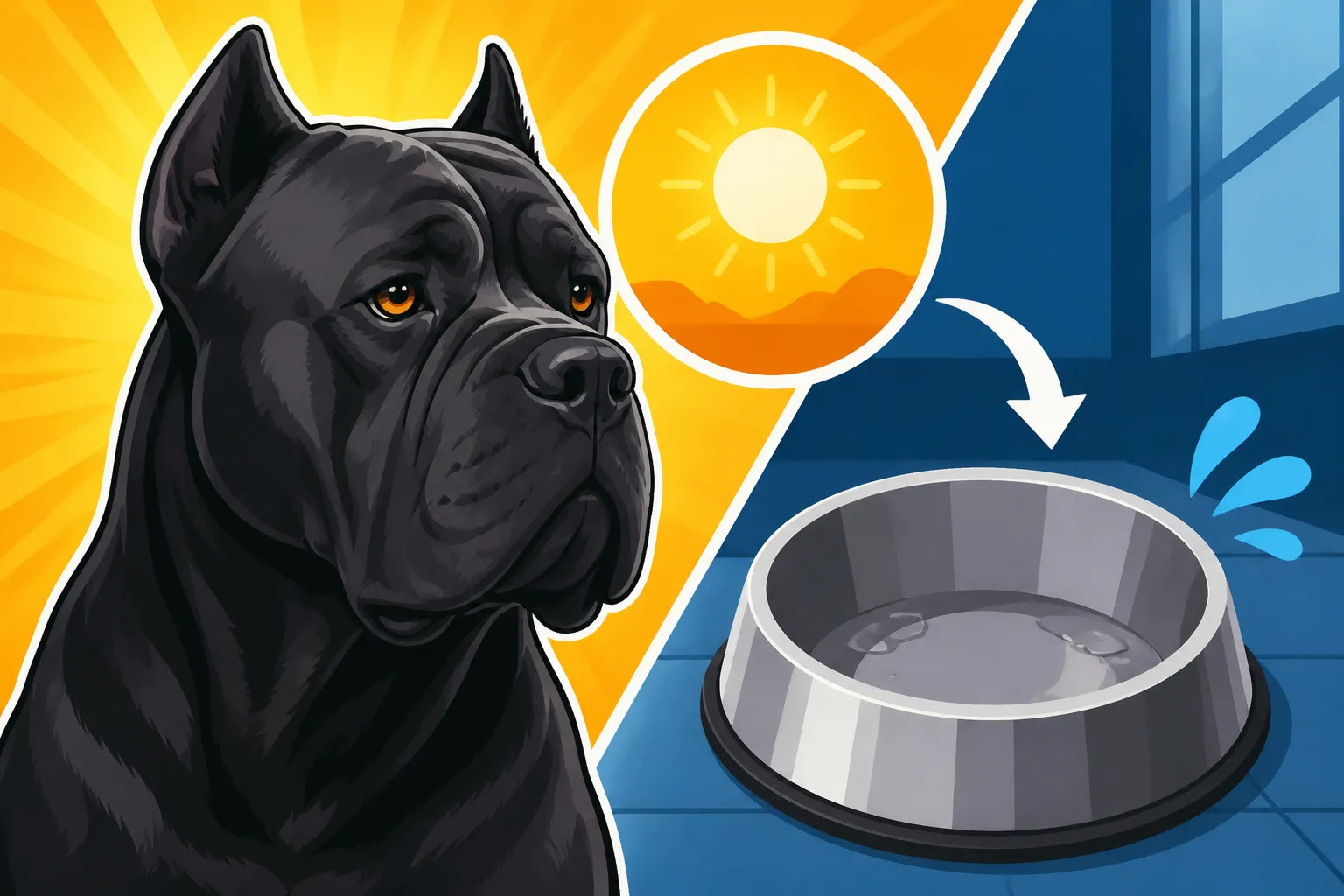
This is probably the most obvious culprit. When the mercury rises and humidity hangs heavy in the air, your Cane Corso will naturally drink more. Dogs don't sweat like humans do; their primary method of cooling down is panting, which expels water vapor. The more they pant to regulate their body temperature, the more water they lose, and therefore, the more they need to drink to replenish those fluids.
Think about a sweltering summer day. You wouldn't expect yourself to drink just one glass of water. Your Cane Corso, with their dense musculature and often darker coats (especially if you have a Why a Black Cane Corso Overheats First), feels the heat even more acutely. They're basically wearing a fur coat all the time! Ensuring they have constant access to cool, fresh water is not just about comfort; it's a matter of preventing serious conditions like heatstroke. On such days, you might find yourself refilling that bowl far more often than "by noon"—it might be emptied multiple times before lunch! Remember to also consider Cooling a Cane Corso After Hard Work after any strenuous activity in the heat.
Exercise Intensity and Duration
A Cane Corso is a working breed, often bred for protection and a variety of demanding tasks. Even if your dog isn't actively working livestock or training for protection sports, they still require significant exercise to stay healthy and happy. A long walk, a strenuous play session at the park, or even just an extended period of energetic zoomies in the backyard will increase their need for water.
When your Cane Corso is active, their muscles are working hard, their heart rate increases, and their body temperature rises. This leads to increased panting and fluid loss. Imagine running a marathon versus sitting on the couch – your hydration needs are vastly different. The same goes for your Cane Corso. A highly active dog will naturally drink more than a sedentary one. If your morning routine involves an intense 45-minute power walk or a spirited game of fetch, it's no surprise that their water bowl is empty well before lunchtime. It's their body's way of recovering and rehydrating after exertion.
Indoor Environment (Heating, Air Conditioning)
It’s not just outdoor weather that matters. Your indoor environment can also affect your Cane Corso’s thirst levels. Homes with very dry air, perhaps from constant heating in the winter or even overzealous air conditioning in the summer, can cause increased fluid loss through respiration. Just like your skin can feel dry in a heated house, your dog's mucous membranes can also dry out, prompting them to drink more.
Additionally, the ambient temperature of your home matters. If your house is kept warmer, your Cane Corso might pant more subtly to stay comfortable, leading to a gradual increase in water consumption that you might not immediately attribute to heat. While these effects are usually less dramatic than outdoor heat, they can still contribute to your Cane Corso draining their bowl faster than you might expect on a regular day.
Dietary Influences on Water Consumption
What your Cane Corso eats has a direct and often significant impact on how much they drink. It's not just about the volume of food, but its composition – particularly its moisture content and sodium levels. Many owners don't realize how much their choice of kibble or treats can influence their dog's thirst, often leading them to believe something is wrong when it's simply a dietary response.
Dry Kibble vs. Wet or Fresh Food
This is arguably one of the biggest factors. Most commercial dry kibble contains a very low moisture content, typically between 5-10%. Dogs are naturally designed to get a good portion of their daily water intake from their food, especially ancestral diets which would have been raw prey. When feeding a diet that is almost entirely devoid of moisture, your Cane Corso has to make up that difference by drinking significantly more water.
Think of it like this: if you eat a dry biscuit, you'll naturally reach for a glass of water. If you eat a juicy piece of fruit, you might not feel as thirsty. The same principle applies to your dog. Dogs on a diet of wet food, raw food, or fresh dog food (like those offered by Ollie) often drink noticeably less water from their bowls because their food itself provides a substantial amount of hydration. This isn't a bad thing; it simply means their hydration is coming from multiple sources. If you're feeding a high-quality kibble from a brand found on Chewy, it's perfectly normal for your Cane Corso to be thirsty, and ensuring they have constant access to water is paramount. Many deep-chested breeds also benefit from Whether Soaking a Cane Corso's Kibble Slows It Down as it can help reduce the risk of bloat.
High Sodium Content in Food or Treats
Just like humans, dogs are affected by sodium intake. Foods and treats high in salt will naturally make your Cane Corso feel thirstier. Many commercial dog treats, especially highly palatable ones, can have surprisingly high sodium levels designed to make them appealing. Some lower-quality kibbles might also use salt as a flavor enhancer.
If your Cane Corso is regularly consuming salty treats or a diet with elevated sodium, their body will instinctively prompt them to drink more water to help process and excrete the excess salt. This is a normal physiological response. If you're concerned about excessive thirst due to diet, take a look at the ingredient list on your dog's food and treats. Opting for treats with fewer artificial ingredients and lower sodium can sometimes help mitigate this extra thirst.
Other Dietary Factors and Supplements
Beyond moisture and sodium, certain supplements or medications mixed into food can also influence thirst. Some joint supplements, for instance, might cause a slight increase in thirst for some dogs. Even changes in protein levels can subtly affect water intake, as protein metabolism requires water.
It's also worth considering if your Cane Corso has suddenly become a very messy eater. If they are spilling a lot of water while drinking, or sloshing it around, it might appear as if they're emptying the bowl faster than they actually are consuming it. This is a minor point, but sometimes the obvious things are overlooked! Regardless of diet, always ensure multiple water sources, perhaps even an extra large bowl found on Amazon, to keep up with their needs.
Medical Conditions That Cause Increased Thirst
While many reasons for a Cane Corso draining their water bowl are perfectly normal or easily managed, it's crucial to be aware that increased thirst can also be a symptom of various underlying health issues. If you've ruled out environmental and dietary factors, or if the increased thirst is sudden, dramatic, and accompanied by other symptoms, it's time for a vet visit. Early detection of these conditions can make a significant difference in your dog's prognosis and quality of life.
Diabetes Mellitus
One of the most common causes of excessive thirst and urination in dogs is diabetes mellitus. In diabetic dogs, their body either doesn't produce enough insulin or can't effectively use the insulin it does produce, leading to high blood sugar levels. When blood sugar gets too high, the kidneys try to remove the excess sugar by flushing it out through the urine. This process requires a lot of water, leading to increased urination (polyuria) and, consequently, increased thirst (polydipsia) as the dog tries to rehydrate.
Other signs of diabetes might include unexplained weight loss despite a normal or increased appetite, lethargy, and sometimes even cataracts. If you notice your Cane Corso drinking and urinating more than ever, especially if they are also losing weight, a trip to the vet for a blood and urine test is essential. They'll be looking for things like What Senior Bloodwork Shows on a Cane Corso if your dog is older.
Kidney Disease
The kidneys play a vital role in filtering waste products from the blood and regulating water balance. When the kidneys start to fail, they lose their ability to concentrate urine efficiently. This means the dog has to urinate more frequently and produce more dilute urine to excrete the same amount of waste, leading to excessive fluid loss. To compensate for this loss, your Cane Corso will drink significantly more.
Kidney disease can manifest gradually and might include symptoms like decreased appetite, weight loss, vomiting, lethargy, and a dull coat, in addition to increased thirst and urination. Regular vet check-ups, especially as your Cane Corso ages (consider What Changes in a Cane Corso After Its Eighth Birthday), often include blood tests that can catch early signs of kidney issues.
Cushing's Disease (Hyperadrenocorticism)
Cushing's disease is caused by the overproduction of cortisol, a stress hormone, by the adrenal glands. This excess cortisol can lead to a variety of symptoms, one of the most prominent being increased thirst and urination. Cortisol affects the kidneys' ability to retain water, causing the dog to drink and pee more.
Other common signs of Cushing's include a pot-bellied appearance, thinning skin, hair loss (especially on the trunk), increased appetite, and muscle weakness. Cushing's tends to affect middle-aged to older dogs. If your Cane Corso exhibits a combination of these symptoms, your vet may recommend specific tests to diagnose this condition.
Liver Disease
The liver is another crucial organ involved in many metabolic processes, including filtering toxins and regulating blood components. Liver disease can sometimes lead to increased thirst, although it might not be as directly pronounced as with diabetes or kidney failure. A compromised liver can affect overall body function and indirectly impact fluid balance.
Symptoms of liver disease can be quite varied and include vomiting, diarrhea, loss of appetite, weight loss, lethargy, jaundice (yellowing of the skin or eyes), and sometimes changes in behavior. If you notice any of these signs along with increased thirst, it's important to discuss them with your veterinarian.
Other Potential Causes
Several other conditions can also cause increased thirst in a Cane Corso:
- Urinary Tract Infections (UTIs): While often causing frequent, small urinations, some dogs with UTIs might also drink more due to discomfort or an altered fluid balance.
- Pyometra: This serious uterine infection in unspayed female dogs leads to severe thirst, lethargy, fever, and vaginal discharge. It's a life-threatening emergency.
- Hyperthyroidism (less common in dogs than cats): While rare, an overactive thyroid can increase metabolism and thus water needs. Hypothyroidism in a Middle Aged Cane Corso is far more common, but causes weight gain and lethargy, not thirst.
- Certain Medications: Some drugs, especially corticosteroids (like prednisone), diuretics, or certain anti-seizure medications, can cause increased thirst as a side effect. Always discuss potential side effects with your vet when new medications are prescribed.
- Electrolyte Imbalances: Issues with sodium, potassium, or calcium levels can sometimes lead to altered thirst.
If you suspect any of these medical conditions, don't hesitate to consult your veterinarian. They can perform a thorough examination, run diagnostic tests, and provide an accurate diagnosis and treatment plan.
| Symptom Category | Normal Thirst | Concerning Polydipsia (Excessive Thirst) |
|---|---|---|
| Water Intake | 1-1.5 oz/lb body weight per day; increases with activity/heat | Significantly more (2x+ normal); appears insatiable |
| Urination | Normal frequency/volume; appropriately concentrated | Increased frequency & volume; dilute/clear urine |
| Energy Level | Normal, appropriate for activity | Lethargy, weakness, decreased interest in activities |
| Appetite | Normal or slightly increased after exercise | Increased (e.g., diabetes) or decreased (e.g., kidney/liver disease) |
| Weight | Stable, healthy weight | Unexplained weight loss or gain |
| Other Signs | None beyond panting in heat/after exercise | Vomiting, diarrhea, pot belly, hair loss, bad breath, changes in gum color |
| Timing/Onset | Gradual, consistent with activity/weather | Sudden, dramatic, persistent, regardless of external factors |
Ensuring Adequate Hydration and Management Strategies
Once you understand why your Cane Corso might be emptying their water bowl so quickly, you can implement strategies to ensure they are always well-hydrated and to monitor their intake effectively. Providing consistent access to fresh, clean water is non-negotiable for a dog of this size and activity level. You're trying to meet their legitimate needs while also watching out for any red flags.
Multiple Water Sources
One bowl, no matter how large, might simply not be enough for your Cane Corso, especially if they are a fast drinker or if multiple pets share the water. The simplest solution is to provide multiple water sources throughout your home and yard. Place bowls in different rooms where your dog spends time, like the kitchen, living room, and near their favorite napping spot. If you have a multi-story home, ensure there’s a water bowl on each level.
For outdoor access, especially in warmer climates, a large, sturdy bowl is crucial. Consider a heavy ceramic bowl or a stainless steel one that won't tip over easily. Some owners even invest in an outdoor automatic waterer that connects to a hose, ensuring a constant supply of fresh water. Having multiple bowls means your Cane Corso doesn't have to travel far when thirst strikes, and if one bowl gets accidentally knocked over or dirtied, there's always another option available.
Type of Water Bowls and Cleanliness
The type of water bowl you use can also play a role. Stainless steel and ceramic bowls are generally preferred over plastic. Plastic bowls can harbor bacteria more easily, leading to biofilms and odors that might deter your dog from drinking. They can also get scratched, providing more places for bacteria to hide. No one likes drinking from a dirty glass, and your Cane Corso is no different!
Regardless of the material, cleanliness is key. Water bowls should be washed daily with soap and hot water to prevent bacterial growth. A dirty bowl can make water unappealing, or worse, introduce bacteria that could make your dog sick. Consider a pet water fountain (many options available on Amazon) which can encourage some dogs to drink more due to the moving water, and often includes filters to keep the water fresh. Always ensure the water is fresh and cool, particularly during warmer months.
Encouraging Water Intake When Needed
Sometimes, even with ample water, you might want to encourage your Cane Corso to drink more. This can be especially important during illness, after intense exercise, or if you're trying to transition them to a drier kibble.
- Add water to food: If you feed kibble, you can add warm water or low-sodium broth to their meals. This not only increases their fluid intake but can also make the food more palatable and potentially slow down eating, which is good for deep-chested breeds at risk of Recognizing Bloat in a Cane Corso Before It Turns.
- Ice cubes: Many Cane Corsos love ice cubes as a treat, especially in hot weather. You can add them to their water bowl or offer them separately.
- Flavor water: A tiny splash of low-sodium chicken or beef broth can make plain water more appealing. Be mindful not to overdo it, as too much flavoring might deter them from regular water.
- Wet food inclusion: If you primarily feed dry kibble, incorporating some wet dog food into their diet or offering it as a supplemental meal can significantly boost their hydration.
- Interactive water dispensers: Some dogs are more inclined to drink from fountains or dispensers that create movement and aeration.
When to Consult Your Veterinarian
As we've discussed, observing your Cane Corso's drinking habits is crucial. If you notice a sudden, significant, and persistent increase in thirst that cannot be explained by environmental factors or diet, it's time to call your vet. This is especially true if the increased thirst is accompanied by any other symptoms such as:
- Increased urination or accidents in the house
- Changes in appetite (increased or decreased)
- Unexplained weight loss or gain
- Lethargy, weakness, or decreased activity levels
- Vomiting or diarrhea
- Changes in coat quality or skin
- Changes in behavior or temperament
Don't wait if you're concerned. Your veterinarian is the best resource to determine if your Cane Corso's increased thirst is a normal variation or a sign of an underlying medical condition. They can perform diagnostic tests, such as blood work and urinalysis, to get to the bottom of the issue and ensure your magnificent companion stays as healthy as possible. They can guide you through understanding What a Cane Corso CHIC Number Actually Certifies and other health screenings.
Disclaimer
This article is for general informational purposes only and does not constitute professional advice. Laws, prices and regulations vary by location and change over time. Consult a qualified professional for guidance on your specific situation.