Why Extra Calcium Damages a Cane Corso Puppy
It's incredibly natural to want the absolute best for your Cane Corso puppy, especially when you see them growing so fast and want to ensure they build strong, healthy bones. Many of us, myself included, have fallen into the trap of thinking "more is better" when it comes to nutrients like calcium, believing it will prevent future joint issues. However, with a giant breed like the Cane Corso, over-supplementing calcium can actually do more harm than good, leading to serious and painful developmental problems. This guide will walk you through why that extra calcium can be so damaging and how to properly support your Cane Corso puppy's incredible growth without unintended consequences.
The Delicate Balance of Calcium in a Growing Cane Corso
Bringing home a Cane Corso puppy is an experience filled with awe. They grow at an astonishing rate, transforming from a hefty ball of fluff into a powerful, majestic dog in what feels like mere months. This rapid growth, while exciting to witness, places unique demands on their developing bodies, especially their skeletal system. Calcium, of course, is a cornerstone of bone health, playing a vital role in everything from bone density and structure to nerve function and muscle contraction. It’s absolutely essential for proper development.
However, the key word here is "balance." Unlike smaller breeds, Cane Corsos and other giant breeds have a unique physiological process during their growth phase. Their bodies are incredibly efficient at absorbing calcium from their diet. This efficiency means that if you provide more calcium than their growing bones actually need, their system doesn't just excrete the excess; it actively absorbs it, leading to a surplus. This overabundance can throw off the intricate process of bone mineralization and cartilage development, rather than enhancing it. It’s a bit like giving a plant too much water – it doesn't grow stronger, it drowns. Many owners, in their earnest desire to prevent problems like hip or elbow dysplasia, might be tempted to add calcium supplements or certain human foods to their puppy's diet, thinking they're being proactive. What they don't realize is that commercial large-breed puppy foods are already carefully formulated to meet these specific needs, and adding more can disrupt this delicate equilibrium.
The calcium-to-phosphorus ratio is particularly critical for giant breed puppies. These two minerals work hand-in-hand for bone development, and getting the ratio right (typically around 1.2:1 to 1.4:1 calcium to phosphorus, with a total calcium content of 1.0-1.5% on a dry matter basis) is far more important than just focusing on the total calcium amount. Messing with this ratio, even with good intentions, can lead to skeletal abnormalities that are difficult, if not impossible, to reverse. It’s a common misconception that if a little is good, a lot must be better for bone health, but for a Cane Corso puppy, this couldn't be further from the truth.
The Hidden Dangers of Excess Calcium for Your Cane Corso Puppy
When a Cane Corso puppy receives too much calcium, especially during their crucial growth phases up to 18-24 months, it can trigger a cascade of serious and painful skeletal problems. These aren't just minor aches; these are debilitating conditions that can dramatically impact their quality of life and lead to significant veterinary expenses down the line. It's a heartbreaking situation to face, knowing you might have inadvertently contributed to your beloved puppy's discomfort.
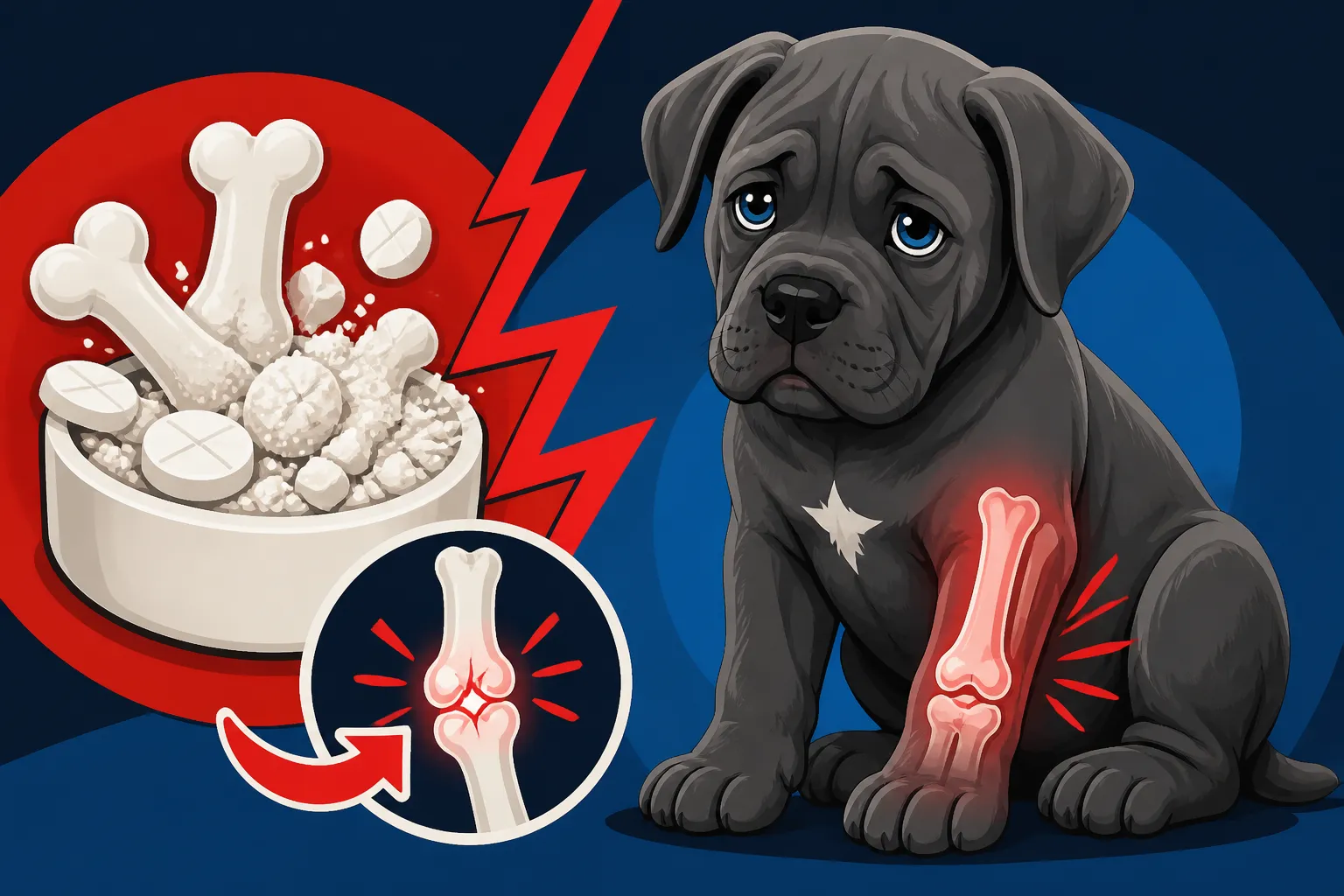
One of the most concerning outcomes is the increased risk of skeletal abnormalities such as osteochondrosis (OCD), hip dysplasia, and elbow dysplasia. These conditions occur when the cartilage and bone don't develop correctly. With excess calcium, the growth plates – areas of cartilage that allow bones to lengthen – can ossify (harden into bone) too quickly or unevenly. This leads to improper joint formation. Imagine your puppy's joints trying to form perfectly, but the building blocks are being thrown at them in such a disorganized rush that the structure ends up flawed. Cartilage can thicken abnormally, fail to convert to bone properly, or even detach, causing painful flaps within the joint. For a massive breed like a Cane Corso, carrying their substantial weight on compromised joints can lead to chronic pain, lameness, and severe arthritis later in life. We often hear about Hip Dysplasia in a Fast Growing Cane Corso or Elbow Dysplasia and a Cane Corso's Front End, and while genetics play a role, inappropriate nutrition is a huge contributing factor.
Beyond specific joint diseases, excess calcium can also cause abnormally rapid growth. While every owner loves to see their Cane Corso puppy grow big and strong, an unnaturally accelerated growth rate can be detrimental. It means their bones and supporting soft tissues (ligaments, tendons) don't have enough time to mature and strengthen at a healthy pace. This puts immense stress on their immature joints and growth plates, making them more susceptible to injury and developmental disorders. It's a delicate dance where slow and steady truly wins the race when it comes to a giant breed's development. Think about it: a healthy The Two to Four Pounds a Cane Corso Puppy Gains Weekly is normal, but anything significantly more might be cause for concern if it's not proportionate. This is why The Growth Curve a Cane Corso Follows to Nineteen Months is so important to understand and monitor.
Furthermore, an imbalance in calcium can lead to other mineral imbalances. The body's systems are interconnected, and a surplus of one mineral can interfere with the absorption or utilization of others, such as phosphorus, zinc, and copper. These are all crucial for overall health, immunity, and proper development. So, while you might be trying to boost one aspect of your puppy's health, you could inadvertently be sabotaging others. It's not about isolating a single nutrient; it's about providing a holistic, balanced diet. This is a common concern among owners who want to do everything right, only to find that their well-meaning efforts might have gone awry.
Feeding Your Cane Corso Puppy for Optimal Bone Health
Given the serious risks associated with excess calcium, the most effective strategy for promoting healthy bone development in your Cane Corso puppy is actually quite straightforward: feed a high-quality, commercially prepared large breed puppy food, and resist the urge to supplement. This approach is backed by decades of veterinary nutrition science and the experience of countless giant breed owners.
The cornerstone of proper nutrition for your Cane Corso puppy is choosing the right food. You need a formula specifically designed for large or giant breed puppies. These foods are carefully crafted with lower caloric density to promote a slower, more controlled growth rate, and critically, they have precisely balanced calcium and phosphorus levels. Look for reputable brands that clearly state their calcium and phosphorus percentages on a dry matter basis. You're aiming for that sweet spot of 1.0-1.5% total calcium and a calcium-to-phosphorus ratio of 1.2:1 to 1.4:1. Many excellent options are available from trusted retailers like Chewy, where you can easily compare ingredients and nutritional analyses. Brands like Royal Canin Giant Puppy or Purina Pro Plan Large Breed Puppy are often recommended for their balanced formulations. If you're exploring fresh food options, companies like Ollie pride themselves on veterinarian-formulated, balanced meals, but always double-check their specific large breed puppy formulations for calcium levels or consult with their nutritionists. Remember, Why a Cane Corso Puppy Needs Giant Breed Food isn't just a marketing ploy; it's a scientific necessity.
Avoiding supplements is paramount unless explicitly prescribed by your veterinarian to address a diagnosed deficiency. It's tempting to think that adding a calcium pill, or even a spoonful of yogurt or cottage cheese, will further strengthen bones. However, as we've discussed, these additions can easily push your puppy's calcium intake into the dangerous zone. Even seemingly harmless "natural" supplements like bone meal or eggshells can be problematic if their calcium content isn't precisely measured and balanced against the rest of the diet. For instance, if you're comparing ingredients or looking for reviews of various puppy foods or potential supplements, Amazon can be a good resource for checking product labels, but always verify with a trusted vet before making any dietary changes or additions. Your vet is the best resource to ensure The Calcium Ratio in a Cane Corso Puppy's Bowl is exactly what your puppy needs, without the risks.
It’s also important to manage their food intake to maintain a lean body condition. A Why a Chunky Cane Corso Puppy Risks Its Elbows is one who is growing too fast and putting too much strain on their developing joints. Rather than aiming for a "chunky" puppy, you should be able to easily feel their ribs without seeing them prominently, and they should have a discernible waist. Follow the feeding guidelines on the bag, but adjust them based on your puppy's individual activity level and body condition. Always split their daily ration into How Many Meals a Cane Corso Puppy Gets Each Day (usually two or three) to aid digestion and help prevent bloat. Consistent, measured feeding is your best friend in nurturing a healthy Cane Corso puppy.
Recognizing and Addressing Potential Issues
Even with the best intentions and the most carefully selected diet, it’s essential to be vigilant for any signs of trouble that might indicate a calcium imbalance or developing skeletal issues. Early detection can make a significant difference in managing these conditions and improving your puppy's long-term comfort and mobility. As a Cane Corso owner, you become acutely attuned to their movements and behaviors.
Look out for any changes in your puppy's gait or activity levels. Lameness or limping is a red flag, whether it's consistent, intermittent, or appears to shift from one leg to another. Your puppy might show a reluctance to move, play less than usual, or struggle with activities they once enjoyed, like climbing stairs or jumping onto furniture. You might also notice swelling or warmth around their joints, or an abnormal, stiff, or awkward way of walking. Sometimes, Signs a Cane Corso's Hips Are Starting to Go can be subtle at first, manifesting as a slight bunny hop when running or difficulty rising after rest. Don't dismiss these signs as just "growing pains"; for a giant breed puppy, they warrant immediate attention.
Regular veterinary consultation is your most powerful tool in proactive health management. Schedule routine check-ups and don't hesitate to call your vet if you notice any of the aforementioned symptoms. Be transparent about your puppy's diet, including the specific food you're using and any treats or supplements, no matter how small or infrequent. This information is vital for your vet to make an accurate assessment. They can perform a thorough physical exam, evaluating your puppy's joints, gait, and overall body condition. If a problem is suspected, they might recommend diagnostic tools such as X-rays. An X-ray can reveal issues like malformed joints, abnormal bone density, or changes in the growth plates. It's often the definitive way to confirm conditions like hip or elbow dysplasia. If your Cane Corso starts limping, knowing When a Limping Cane Corso Needs an X-Ray can prevent further damage and pain.
Should issues be diagnosed, the management and treatment plan will depend on the specific condition and its severity. Often, it begins with dietary adjustments to ensure optimal calcium and phosphorus levels are strictly maintained, alongside restricted activity to minimize stress on the affected joints. This might mean no jumping, limited stairs, and shorter, controlled leash walks instead of vigorous play. Medication, such as anti-inflammatories or pain relievers, might be prescribed to manage discomfort. In severe cases of developmental orthopedic diseases, surgery may be necessary to correct structural abnormalities or alleviate pain. While joint supplements like glucosamine and chondroitin are often considered for older dogs, their use in growing puppies with existing issues is a veterinary decision, as Whether a Cane Corso Benefits From Joint Supplements in early life requires careful consideration and specific formulations. This entire process can be stressful and costly, underscoring why preventing these issues through proper nutrition from the start is so incredibly important for your beloved Cane Corso puppy.
| Aspect | Optimal Calcium Intake | Excess Calcium Intake (Harmful) |
|---|---|---|
| Source | High-quality large breed puppy kibble | Unregulated supplements, human foods high in calcium |
| Calcium-Phos Ratio | 1.2:1 to 1.4:1 | Skewed, often favoring high calcium |
| Growth Rate | Steady, healthy, proportionate | Abnormally rapid, "bulking up" quickly |
| Joint Health | Strong, well-formed joints, reduced risk of developmental issues | Increased risk of OCD, hip/elbow dysplasia, weak cartilage |
| Bone Density | Proper mineralization, robust bone structure | Disrupted mineralization, fragile or abnormally formed bones |
| Veterinary Advice | Follow vet recommendations on diet and supplements | Ignoring vet advice, self-medicating supplements |
Disclaimer
This article is for general informational purposes only and does not constitute professional advice. Laws, prices and regulations vary by location and change over time. Consult a qualified professional for guidance on your specific situation.