Whether a Twelve Month Cane Corso Is Full Grown
It’s a common moment for new Cane Corso owners, standing there at their pup’s first birthday, looking at this massive, still gangly creature and wondering, "Is this it? Are they done growing?" The truth is, while your Cane Corso might look like a full-fledged adult at twelve months, especially in terms of height, their development is far from complete. This guide will walk you through what to expect in terms of physical and mental maturity for your Cane Corso beyond their first year, and how to best support them through their extended adolescence.
The Nuances of Cane Corso Growth at Twelve Months
Many large and giant breeds like the Cane Corso follow a distinct growth pattern that often surprises first-time owners. At twelve months, your Cane Corso will indeed be substantial, often reaching near their full height and a good portion of their adult weight. However, this doesn't mean they've stopped growing. It simply marks the end of their most rapid growth phase, transitioning into a slower, more subtle period of development.
Think of it this way: at one year old, your Cane Corso is like a human teenager who has hit a major growth spurt. They might be as tall as they're ever going to be, but they still have a lot of filling out to do, both physically and mentally. Their bones are still maturing, their muscles are developing, and their brain is definitely still processing the world. Expect to see continued changes in their body composition and temperament over the next year or so.
Reaching Near Full Height and Length
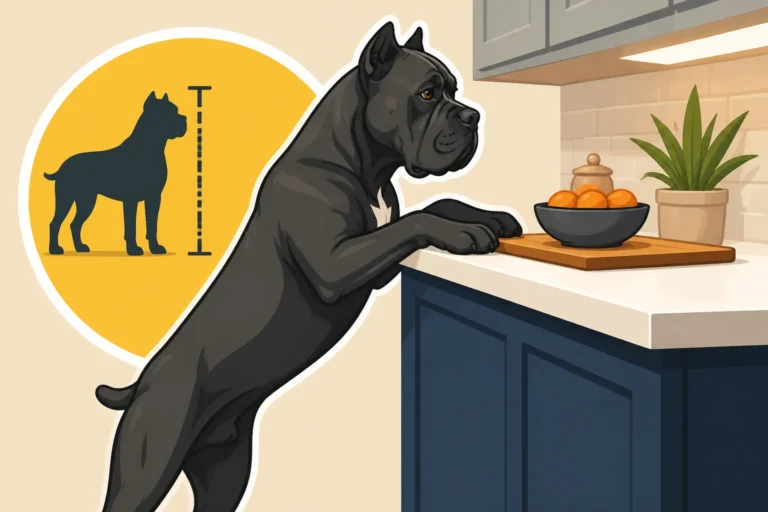
By the time your Cane Corso celebrates their first birthday, they've likely reached about 90-95% of their adult height. For males, this means they'll be standing impressively tall, perhaps in the range of 23-26 inches at the shoulder, with females slightly less. Their body length will also be close to its final dimension. You might notice they still look a bit "leggy" or less substantial than the mature adult Corsos you've seen in pictures or at shows. This is perfectly normal. Their skeletal frame is largely established, but it's not yet fully robust or dense.
It's tempting to think that because they're so tall, all growth has ceased, but this is a critical mistake. Their growth plates, while closing, might not be completely fused, and the stress of excessive or inappropriate exercise can still cause damage. This is why careful exercise routines are still important even for a seemingly "grown" one-year-old Cane Corso. The Growth Curve a Cane Corso Follows to Nineteen Months gives a good overview of what to expect in these stages.
Weight Gain and "Filling Out"
While height might be mostly achieved, weight is a different story. A twelve-month-old Cane Corso will continue to gain weight and fill out significantly for another 6 to 12 months, sometimes even longer. This is the period where they transition from a gangly teenager to a powerful, imposing adult. They’ll add muscle mass, bone density, and depth to their chest. A male Cane Corso might still put on another 20-30 pounds, while females will also add considerable bulk.
This "filling out" phase is crucial for their overall structure and health. It’s not just about getting heavier; it's about solidifying their frame and developing the powerful musculature the breed is known for. This continued development requires consistent, appropriate nutrition and exercise. You'll want to keep Checking a Cane Corso's Ribs With Your Hands to ensure they're maintaining a healthy weight and not becoming too lean or too heavy, as both extremes can be detrimental during this extended growth period.
Continued Physical Development Beyond One Year
The journey to full physical maturity for a Cane Corso extends well beyond their first year. This breed, like many other giant dogs, takes its time to fully develop the dense bone structure, deep chest, and powerful musculature that define it. Understanding this prolonged development is key to providing the right care and preventing future health issues.
Bone Density and Joint Maturation
Even if your Cane Corso has reached their adult height, their bones are still becoming denser, and their joints are still maturing. The growth plates in giant breeds can remain open until 18-24 months of age, or even slightly later in some cases. This means the soft cartilage at the ends of their long bones, where growth occurs, is still vulnerable to injury from high-impact activities. Over-exercising a dog during this period can lead to serious joint problems like hip and elbow dysplasia later in life. This is why many breeders and veterinarians recommend waiting until at least 18-24 months for strenuous activities or competitive sports.
Proper nutrition is also vital during this phase. Giant breed formulas, often found at pet retailers like Chewy, are specifically designed with appropriate calcium and phosphorus ratios to support slow, steady bone development without encouraging too-rapid growth, which can be detrimental. You want a lean, athletic body during this time, not a chunky one. Remember, Why a Lean Cane Corso Keeps Its Hips Longer is a fundamental principle for long-term joint health.
Muscle Development and Conditioning
The impressive muscle definition you see in fully mature Cane Corsos takes time to build. Between 12 and 24 months, your dog will steadily add lean muscle mass, transforming their lanky frame into the solid, athletic physique of an adult. This isn't just about aesthetics; strong muscles provide essential support for their large joints, helping to prevent injuries. This is why consistent, moderate exercise is so important during this period. Think long, steady walks, controlled swimming, or light trotting – activities that build endurance and muscle tone without putting excessive strain on still-developing joints.
If you're considering fresh food options to support muscle development and overall health, services like Ollie offer customized plans that can provide high-quality protein and essential nutrients tailored to your dog's size and activity level. Building this strong foundation is paramount.
| Aspect of Growth | At 12 Months | At Full Maturity (18-24 Months) |
|---|---|---|
| Height | Nearing 90-95% of adult height | Fully grown |
| Weight/Bulk | Still gaining weight and "filling out" significantly | Reached full adult weight and muscle mass |
| Bone & Joint Maturity | Growth plates still closing, bones maturing | Growth plates typically closed, bones dense, joints solid |
| Muscle Development | Developing, may appear lean or gangly | Fully developed, powerful, athletic physique |
| Mental Maturity | Adolescent, may be rebellious or impulsive | More settled, consistent, and emotionally stable |
| Energy Levels | High, often still very "puppy-like" | Often calmer, but still requires regular exercise |
Mental and Behavioral Maturity: The Long Road to Adulthood
While their bodies are still growing, it’s often their minds that take the longest to mature. At twelve months, your Cane Corso is very much in the throes of adolescence, which can be a challenging period for owners. They might look like an adult, but their brain is still very much a puppy's, complete with impulsivity, testing boundaries, and sometimes a surprising lack of self-control.
The Adolescent Phase and "Testing Boundaries"
This stage, often referred to as "teenagehood" in dogs, typically runs from around 8 months to 24 months for a Cane Corso. You might find that your once-obedient puppy suddenly seems to "forget" their training or becomes more stubborn. This isn't a sign that you've failed as an owner; it's a normal part of canine development where they're pushing boundaries and figuring out their place in the world. It’s also when their guardian instincts might really start to solidify, which needs careful management and continued socialization. Getting a Cane Corso Through Adolescence provides deeper insights into navigating this challenging time.
Consistency is key during this period. Continue with training, reinforce established rules, and maintain clear expectations. If you let things slide now, you'll be dealing with a 120-pound "teenager" who thinks they run the house. It's a prime time to revisit basic obedience commands and work on impulse control, like waiting at doors or not jumping on guests.
Emotional Regulation and Temperament
Emotional maturity also takes time. A one-year-old Cane Corso might still be easily excitable, reactive to new stimuli, or prone to "zoomies." Their ability to self-regulate their emotions and reactions improves significantly between 18 and 36 months. While they may appear confident, they're still learning how to process experiences and react appropriately. Early socialization efforts must continue, exposing them to new sights, sounds, people, and controlled interactions with other dogs in a positive, calm manner.
Their protective instincts, which are inherent to the breed, will also become more pronounced. It's crucial that they learn to differentiate between a genuine threat and a harmless stranger. Continued positive reinforcement training and careful management of introductions are essential. A mentally mature Cane Corso is confident and calm, not anxious or overtly reactive. The Structure a Cane Corso Needs Every Single Day emphasizes the importance of routine and consistency in shaping a well-adjusted adult dog.
Nutritional and Exercise Needs During Extended Growth
Understanding that your Cane Corso is still growing beyond 12 months profoundly impacts how you manage their diet and exercise. This isn't a time to slack off; it's a crucial period for laying the groundwork for a long, healthy life.
Tailoring Nutrition for Continued Development
During this extended growth phase, your Cane Corso still requires a diet formulated for large or giant breeds, even if they're technically on "adult" food. These formulas are designed to support steady growth, strong bones, and healthy joints without providing excessive calories that can lead to rapid weight gain. Rapid weight gain at this stage puts immense stress on still-developing joints. You might find these specialized foods at pet supply stores or online platforms like Chewy and Amazon.
Monitor their body condition closely. You should be able to feel their ribs without seeing them prominently, and they should have a discernible waist. Adjust their food intake as needed based on their activity level and individual metabolism. Remember, every dog is different. Some might need slightly more, some slightly less. How Many Pounds of Food a Cane Corso Eats Monthly can give you a general idea, but always consult with your vet to fine-tune your dog's specific needs.
Appropriate Exercise to Support Maturation
Just as with nutrition, exercise needs careful consideration during this period. Avoid high-impact activities like intense, prolonged running on hard surfaces, agility courses with sharp turns and jumps, or excessive fetch sessions that involve sudden stops and starts. Instead, focus on moderate, consistent exercise:
- Long walks: Several walks a day, lasting 30-60 minutes each, on varied terrain (grass, trails, soft ground) are ideal. This builds stamina and muscle without stressing joints.
- Controlled play: Supervised play with other calm, large dogs can be beneficial, but avoid roughhousing that could lead to injury.
- Swimming: This is an excellent low-impact exercise that builds muscle and cardiovascular health without joint strain.
- Mental stimulation: Puzzle toys, scent work, and training sessions are just as important as physical exercise for a developing Cane Corso.
Even if your Cane Corso has boundless energy, resist the urge to push them too hard. Over-exercising a still-developing dog can have long-term consequences for their joint health. Consider discussing Whether a Cane Corso Benefits From Joint Supplements with your veterinarian as an added layer of support during this critical growth period, even if your dog isn't showing signs of issues yet. Proactive care is always best.
The reality is, while your Cane Corso might stand tall and impressive at twelve months, they are still very much a work in progress. Patience, consistent training, appropriate nutrition, and mindful exercise during this extended development phase will help ensure your Cane Corso grows into the healthy, well-adjusted, and magnificent adult companion they are meant to be.
Disclaimer
This article is for general informational purposes only and does not constitute professional advice. Laws, prices and regulations vary by location and change over time. Consult a qualified professional for guidance on your specific situation.