When a Cane Corso’s Anal Glands Need Expressing
It’s a situation many of us Cane Corso owners eventually encounter, often signaled by a truly awful smell or that puzzling sight of our massive dog dragging its rear end across our favorite rug. Anal gland issues are unfortunately common in our beloved canines, and understanding when your Cane Corso needs help with this particular bodily function is crucial for their comfort and health. This guide will walk you through everything you need to know, from recognizing the subtle signs to knowing when to call the vet, and even how to potentially prevent future problems.
What Exactly Are Anal Glands?
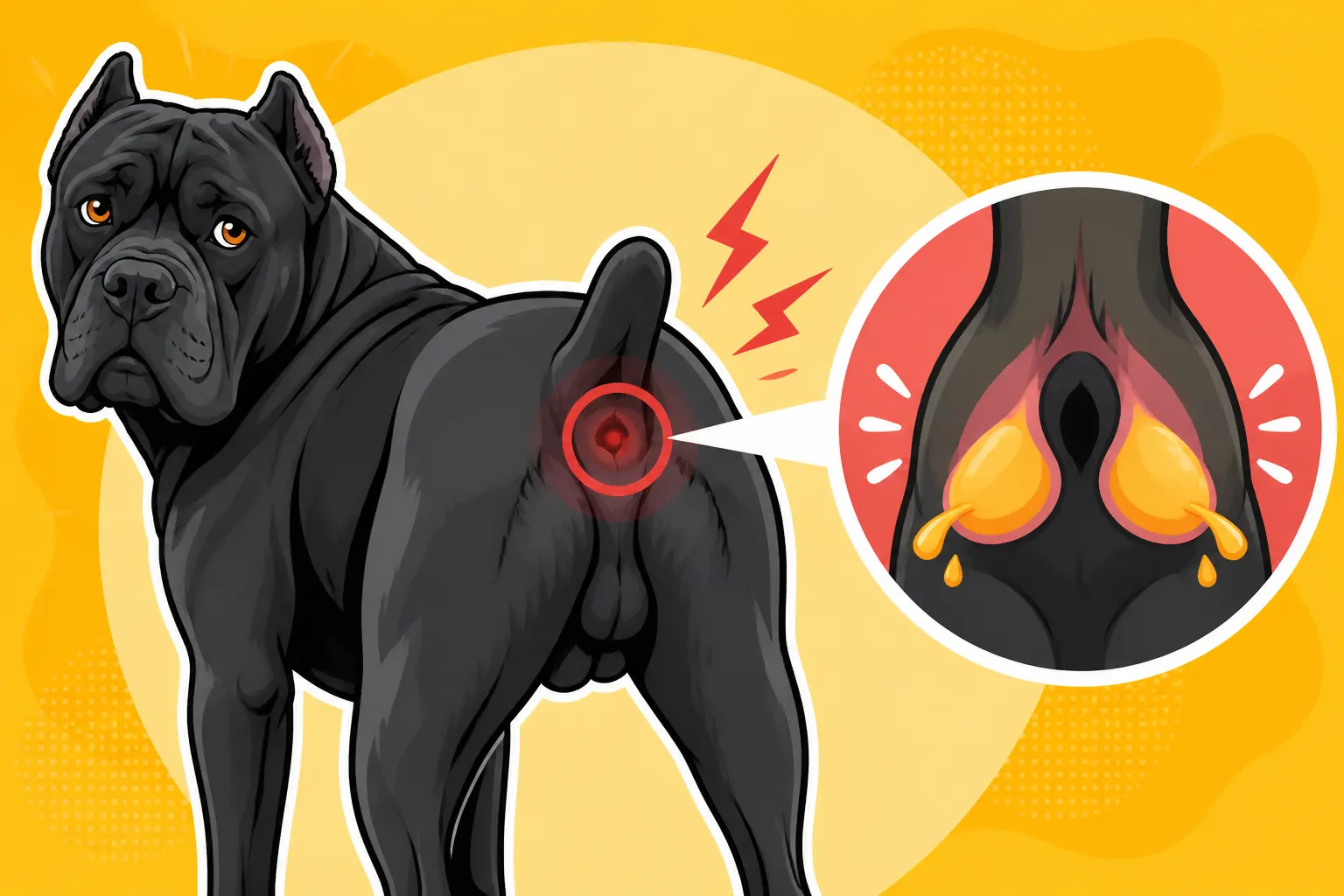
Let's start with the basics, because it's a topic most people don't really think about until there's a problem. Your Cane Corso, like almost all dogs, has two small scent glands, or sacs, located internally on either side of the anus. Think of them as tiny little scent factories. Each gland has a small duct that opens just inside the anus, and they produce a very distinctive, often musky or fishy-smelling fluid.
Their Natural Purpose and Function
In the wild, these glands play a pretty significant role in communication. When a dog defecates, the pressure from the passing stool ideally causes these glands to express naturally, releasing a bit of that unique fluid onto the feces. This acts like a dog's personal signature, leaving a scent marker for other canines to "read." It’s a bit like a canine business card. For domestic dogs, especially large breeds like our Cane Corsos, this natural expression doesn't always happen as effectively as it should.
Why They Can Cause Trouble for Your Cane Corso
The problem arises when these glands don't empty properly. If the fluid builds up, it can become thick and impacted, making it even harder for the dog to express them naturally. This can be due to a variety of factors, including stool consistency (too soft or too hard), genetics, overall health, and even obesity. When impacted, these glands become uncomfortable, sometimes painful, and are ripe for infection. Imagine having a persistent, growing discomfort in a very sensitive area – it's no fun for your big dog.
Signs Your Cane Corso Needs Anal Gland Attention
Recognizing the signs early is key to preventing more serious issues like infection or abscess. Our Cane Corsos are tough, but anal gland pain can truly diminish their quality of life.
The Dreaded "Scooting" Behavior
This is probably the most classic and often the first sign owners notice. You might see your Cane Corso suddenly drop into a seated position and drag its rear end along the ground. It could be on the grass, on your hardwood floors, or, inevitably, on your cleanest carpet. While scooting can sometimes be a sign of worms, it's far more commonly indicative of irritated or full anal glands. Your dog is trying to relieve the pressure or itchiness, and it’s a pretty clear signal that something isn't right back there. Don't just dismiss it as a quirky habit; it’s usually a plea for help.
Excessive Licking or Chewing Under the Tail
Another common indicator is when your Cane Corso becomes fixated on its rear end. They might twist around, trying desperately to lick or chew the area under their tail. This is their way of addressing the discomfort, itching, or even pain. You might notice the fur around their anus becoming wet or discolored from the constant attention. It’s not just a casual grooming session; it's persistent and often accompanied by an anxious demeanor. If you see this, it’s definitely time for a closer inspection.
Foul Odor and Visible Discharge
Sometimes, the glands might leak slightly, or if they're particularly full, they could even express a little when your dog gets excited or stressed. The smell is distinctive – often described as a strong, fishy, or metallic odor. It's not the smell of normal doggie gas. You might even see a brownish or yellowish discharge on your dog's bedding, the floor where they were scooting, or on the fur around their rear. If you catch a whiff of this unmistakable scent, especially when your dog is near, it's a strong clue that their anal glands need attention. It’s certainly not a pleasant smell to have lingering in the house!
Difficulty Defecating or Pain During Bowel Movements
When anal glands become severely impacted or infected, they can cause significant pain and pressure, making defecation difficult or uncomfortable. You might observe your Cane Corso straining more than usual during bowel movements, yelping, or even refusing to defecate despite needing to go. They might adopt an unusual posture, hunched or rigid, to try and alleviate the discomfort. This level of pain suggests a more advanced problem and warrants immediate veterinary attention. Nobody wants their big dog in that kind of distress.
Swelling, Redness, or Abscess Formation
This is where things can get serious, very quickly. If an impacted anal gland becomes infected, it can lead to an abscess. An abscess is a painful collection of pus, and it will often appear as a red, swollen, and very tender lump on one or both sides of your Cane Corso's anus. In severe cases, the abscess can rupture, leading to a draining wound that is not only excruciatingly painful for your dog but also incredibly messy. If you notice any swelling, redness, a visible lump, or an open, draining wound, consider this a veterinary emergency. Your dog will likely also show signs of systemic illness, such as lethargy, loss of appetite, and even fever. These situations demand immediate professional care.
When to See the Vet Versus Attempting Home Care
Deciding whether to handle anal gland issues yourself or seek professional help depends on several factors, including your comfort level, your Cane Corso's temperament, and the severity of the problem. For a powerful dog like a Cane Corso, caution is always the best approach.
The Benefits of Professional Expression
For most Cane Corso owners, especially first-timers or those with a dog prone to impactions, professional expression is usually the safest and most effective route. A veterinarian or an experienced groomer knows exactly how to locate the glands and express them safely and completely. They can perform either an external expression (which is usually what groomers do, sometimes not quite as thorough) or an internal expression (done by a vet, which is more effective for deeply impacted glands).
The vet can also:
- Assess the glands for any underlying issues, such as infection, tumors, or abnormal fluid consistency.
- Administer antibiotics or anti-inflammatory medication if an infection is present.
- Provide guidance on dietary changes or supplements that might help prevent future problems.
- Confirm that the issue isn't something else entirely, like a rectal tumor or severe allergies.
When you factor in the size and strength of a Cane Corso, having a professional handle this can save you a lot of stress and prevent potential injury to yourself or your dog. How Often a Healthy Cane Corso Sees the Vet is a good read on routine check-ups.
Risks of DIY Expression for a Cane Corso
While some smaller, more docile dogs might tolerate home expression, attempting this with a large, strong Cane Corso carries significant risks. Improper technique can lead to:
- Pain and Injury: You could bruise or rupture the delicate anal sacs, leading to severe pain, further impaction, or even a serious infection.
- Incomplete Expression: If you don't empty the glands fully, the problem will recur quickly, and could even worsen.
- Behavioral Issues: A negative experience can make your Cane Corso fearful or aggressive when approached for future care, making professional help even more challenging.
- Missing Underlying Problems: You might miss signs of infection, inflammation, or even more serious conditions like tumors.
Unless you've been thoroughly trained by a veterinarian on the correct internal expression technique for a large breed and your dog is extremely cooperative, it's generally best to leave this to the pros. It's not a procedure for the faint of heart or the inexperienced, especially with a dog that can easily outweigh you.
When an Anal Gland Issue Becomes an Emergency
Certain signs indicate that your Cane Corso needs immediate veterinary attention and not just a routine expression:
- Visible Abscess: A red, hot, swollen lump near the anus, especially if it's draining pus or blood.
- Severe Pain: Your dog is yelping, snapping, or aggressively guarding its rear end. They might cry out when trying to sit or lie down.
- Lethargy and Fever: Your Cane Corso is unusually tired, refuses to eat, or feels warm to the touch. These are signs of a systemic infection.
- Persistent Straining/Inability to Defecate: If your dog is constantly trying but failing to pass stool, or shows extreme discomfort during attempts.
In these situations, time is of the essence. An untreated abscess can lead to widespread infection (sepsis), which is life-threatening. Don't wait; get your Cane Corso to the emergency vet or your regular veterinarian right away.
Preventative Measures and Ongoing Care
While you can't always completely prevent anal gland issues, especially if your Cane Corso has a genetic predisposition, there are definitely steps you can take to minimize the risk and keep your dog more comfortable.
The Role of Diet and Fiber
One of the most effective ways to support healthy anal gland function is through diet. A firm, consistent stool helps to naturally express the glands as it passes. If your Cane Corso frequently has soft stools or diarrhea, their glands are less likely to empty properly.
- Adequate Fiber: Ensure your Cane Corso's diet contains sufficient fiber. This can come from their regular kibble, but sometimes additional fiber is needed. Ingredients like pumpkin, sweet potato, or psyllium husk can be beneficial. You can find fiber supplements or high-fiber dog food options on platforms like Chewy or Amazon. Some fresh food delivery services, like Ollie, might also offer formulations that support digestive health and firmer stools.
- Consistent Stool Quality: Observe your dog's stool consistency. It should be well-formed, firm enough to pick up easily, but not hard and dry. If it's consistently too soft, talk to your vet about dietary changes.
- Avoid Over-Treating: Too many soft, rich treats can upset a sensitive digestive system and lead to softer stools.
A good diet is foundational for overall health, including this often-overlooked aspect. The Monthly Food Bill for an Adult Cane Corso covers various dietary considerations.
Weight Management and Overall Health
Maintaining a healthy weight is crucial for your Cane Corso for many reasons, and anal gland health is one of them. Obesity can contribute to anal gland problems because excess fat around the hindquarters can make it harder for the glands to express naturally. The muscle tone in the pelvic region also plays a role in the mechanics of natural expression.
- Lean Body Condition: Keep your Cane Corso at a lean, healthy weight. You should be able to feel their ribs easily without pressing hard, and they should have a visible waist when viewed from above.
- Regular Exercise: Consistent exercise helps maintain muscle tone throughout the body, including the core and hindquarters, which can aid in natural gland expression. It also helps manage weight. Why a Lean Cane Corso Keeps Its Hips Longer highlights another important reason for keeping your Cane Corso trim.
- Underlying Health Conditions: Sometimes, other health issues like hypothyroidism or allergies can contribute to chronic anal gland problems. If your Cane Corso has recurring issues, it's worth discussing a full workup with your vet to rule out other medical causes. The Weight Gain That Points at a Cane Corso's Thyroid could be relevant if you suspect thyroid issues.
Routine Checks and Early Intervention
As a Cane Corso owner, you're their first line of defense. Get into the habit of regularly checking your dog's rear end.
- Visual and Manual Inspection: Gently lift your Cane Corso's tail and look at the area around the anus. Check for any redness, swelling, or discharge.
- Smell Test: If you notice a distinct, unpleasant odor, it’s a good cue to investigate further or schedule an appointment.
- Behavioral Observation: Pay close attention to any changes in behavior, such as scooting, excessive licking, or difficulty sitting or lying down comfortably.
Early detection means quicker intervention, less discomfort for your dog, and potentially avoiding more serious and costly complications.
Here's a quick comparison of common anal gland issues:
| Condition | Symptoms | Recommended Action | Urgency |
|---|---|---|---|
| Normal | No symptoms, natural expression with firm stool. | Routine monitoring, healthy diet. | Low |
| Full/Impacted | Scooting, excessive licking, fishy odor, minor discomfort. | Professional expression by vet or groomer. | Moderate |
| Infected | Persistent licking, pain, redness, mild swelling, foul odor, discharge. | Vet visit for expression, antibiotics, anti-inflammatories. | High |
| Abscessed | Severe pain, significant swelling, heat, lethargy, fever, possible rupture. | Emergency Vet Visit. Surgical drainage, strong antibiotics. | CRITICAL |
By being proactive and understanding these signs, you can ensure your Cane Corso remains as comfortable and healthy as possible. Don't let this sensitive topic intimidate you; it's a common issue and one that's manageable with the right knowledge and care. After all, nobody wants a stinky, uncomfortable Cane Corso. Bloat and What a Cane Corso's Deep Chest Costs and The Loose Eyelids Nearly Every Cane Corso Owner Meets also discuss health concerns common in the breed, emphasizing the need for vigilant care. What Extra Weight Does to a Cane Corso's Hips shows how weight impacts joint health, further linking to the importance of a healthy lifestyle. And as a final thought, remember that the Cane Corso was originally a working farm dog, as detailed in Why the Cane Corso was Called a Farmer's Dog, a role that would have likely promoted natural gland expression through active, outdoor living and a consistent, natural diet. Today, we need to be more intentional about supporting their health through modern means.
Disclaimer
This article is for general informational purposes only and does not constitute professional advice. Laws, prices and regulations vary by location and change over time. Consult a qualified professional for guidance on your specific situation.