Why the Cane Corso Was Called a Farmer’s Dog
It’s easy to look at a majestic, powerful Cane Corso today, often seen as a formidable protector or an imposing show dog, and wonder about some of the older labels attached to them. One such label that often sparks curiosity is "the farmer's dog." For many, this sounds almost too simple for a breed with such an ancient and intense lineage. But to truly understand the Cane Corso, we have to look back to their roots in rural Italy, where their existence was intrinsically tied to the practical, gritty demands of farm life. This guide will peel back the layers of history to explain exactly why this powerful breed earned the humble, yet incredibly fitting, title of a farmer's dog, and how those origins still influence their nature today.
More Than Just a Pretty Face: The Cane Corso's Original Purpose
The Cane Corso wasn't bred for aesthetics or to simply be a companion animal in the modern sense. They were a necessity, a vital tool for survival in the harsh, unpredictable environment of Southern Italian farmsteads. Every ounce of their strength, intelligence, and protective instinct was honed for a very real, very demanding job.
Guarding the Masseria and the Family Home
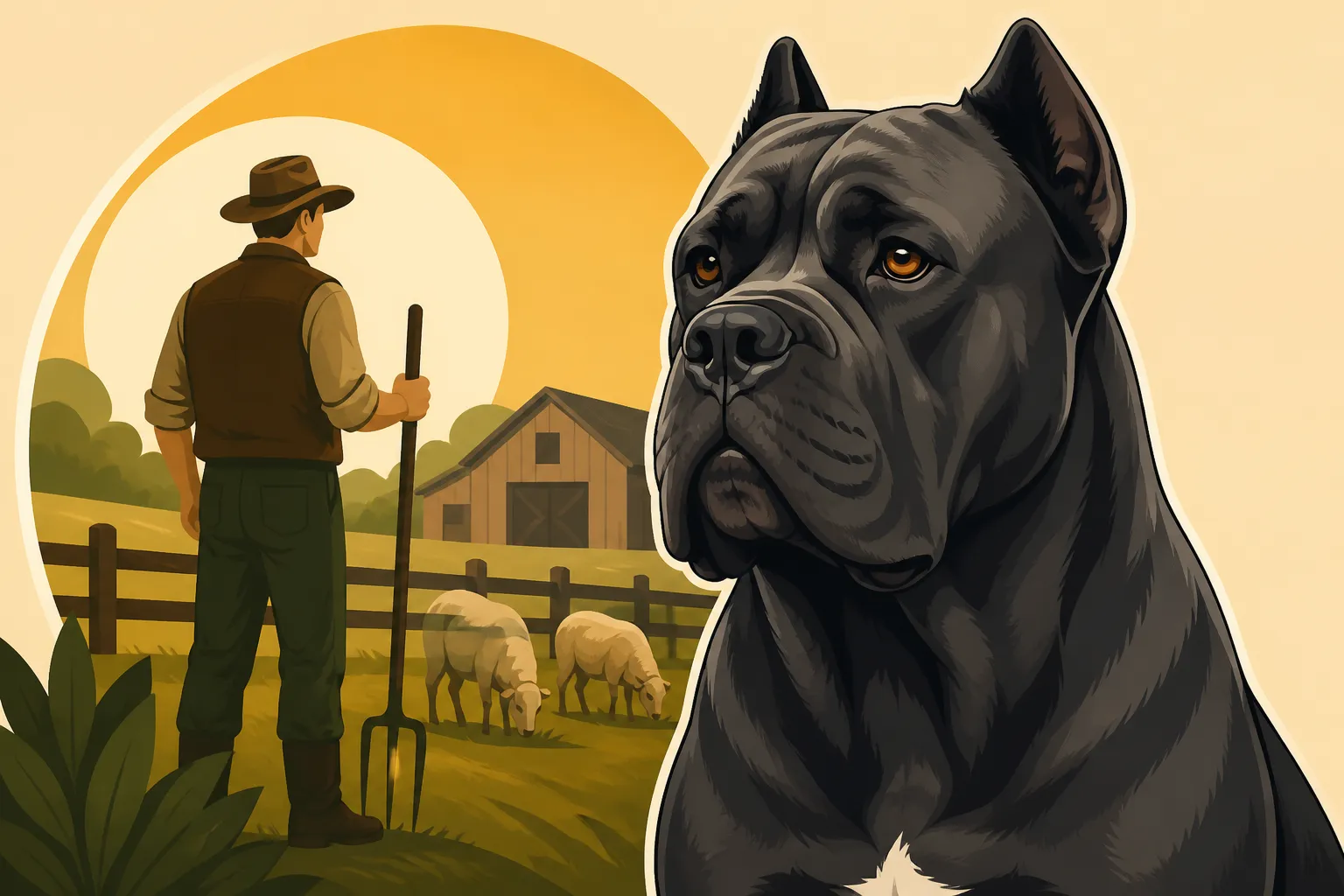
Imagine a remote Italian masseria, a fortified farmstead, in regions like Puglia or Basilicata. These weren't just quaint houses; they were often isolated, self-sufficient compounds comprising homes, barns, stables, and fields. They were vulnerable to numerous threats, both animal and human. Wolves and wild boars, always present in the surrounding wilderness, posed a constant danger to livestock like sheep, goats, and cattle, which represented a farmer's entire livelihood. Guarding the Masseria in Southern Italy
Beyond animal predators, these farms were also targets for bandits and thieves, especially in times of hardship. A lone farmer and his family, often with little in the way of physical defenses, relied heavily on their dogs. The Cane Corso, with its imposing size, watchful nature, and unwavering loyalty, served as the first, and often only, line of defense. They weren't just alarm bells; they were active protectors, willing to confront and deter any threat, large or small. Their presence alone was a powerful deterrent, signaling to any would-be intruder that this property was fiercely defended. This instinctual, territorial guarding is still a hallmark of the breed today, often a surprise to new owners who don't fully grasp the depth of their protective drive.
Driving and Herding Livestock
When we talk about "herding," most people picture a Border Collie expertly weaving around a flock of sheep. The Cane Corso's role was very different, reflecting the specific needs of large, often stubborn, livestock in a challenging landscape. Their job was more about "droving" – moving cattle, pigs, or horses from one pasture to another, or even to market. This often involved navigating rough terrain, dense brush, and crowded village paths. The Droving Work That Looks Like Herding in a Cane Corso
A Cane Corso wouldn't nip at heels like a smaller herding dog; instead, they used their sheer size, weight, and commanding presence to push and guide the animals. If a steer decided to break away, the Cane Corso was powerful enough to intercept it, hold its attention, and redirect it back to the group. They were invaluable when a farmer needed to isolate an animal for butchering or medical attention, bravely stepping in to control powerful, uncooperative beasts. This demanding physical work required immense strength, stamina, and a certain level of intelligent stubbornness—traits that are still very much ingrained in the breed's character, even if their modern "flock" is now their human family.
Hunting Wild Boar and Other Large Game
In addition to protecting and moving livestock, the Cane Corso was instrumental in hunting large game, particularly wild boar. Wild boar were, and still are, a significant pest in many agricultural areas, destroying crops and posing a threat to young livestock and even people. Hunting these formidable animals was a necessary part of managing the land and protecting a farmer's investments.
The Cane Corso's role in boar hunting was not for sport but for sustenance and pest control. They worked in packs, using their incredible sense of smell and powerful drive to track down these dangerous animals. Once found, their job was to corner and hold the boar, allowing the hunter to move in. This was an incredibly perilous task, demanding immense courage, strength, and resilience from the dogs. A wild boar is a fierce opponent, capable of inflicting serious injury with its tusks. How Many Cane Corsos It Took to Hold a Boar The Cane Corso's thick skin, powerful bite, and tenacious grip were vital for surviving such encounters. This aspect of their heritage explains much about their inherent bravery, their high pain tolerance, and their incredible physical prowess, which continues to impress and sometimes challenge modern owners.
The Practicality of a Farmer's Companion
For the Italian farmer, a Cane Corso wasn't a luxury; it was an economic necessity, a multi-purpose tool that earned its keep every single day. Their practical utility went far beyond their imposing presence.
An All-Around Farm Hand
Think of the Cane Corso as the ultimate general-purpose farm dog. While they excelled at specialized tasks like guarding and hunting, they were also there for the day-to-day grind. They could accompany the farmer into the fields, keeping an eye out for anything amiss. They provided companionship during long, solitary days, and their watchful presence meant the farmer could focus on his work without constantly scanning the horizon for threats.
They were adaptable, able to switch from driving cattle in the morning to guarding the family at night, or joining a hunting party in the afternoon. This versatility was crucial in a subsistence farming environment where every resource, including animal labor, had to be maximized. A single Cane Corso could perform roles that might require multiple specialized breeds today, making them an incredibly valuable asset to a struggling farming family. Their ability to adapt and perform multiple functions underscores their inherent intelligence and desire to be useful, a trait many modern owners find translates into a deep need for purpose and mental stimulation.
Low Maintenance in a Hard-Working Life
In a farmer's life, there was little time or money for extensive grooming or frequent vet visits. The Cane Corso was a dog built for function and resilience. Their short, dense coat, for example, required minimal grooming, easily shedding dirt and brambles encountered during fieldwork. How Rarely a Cane Corso's Short Coat Needs Washing This meant less time spent on maintenance and more time for actual work, a crucial factor for a busy farmer.
Their robust health, a product of natural selection in a demanding environment, meant they were less prone to the delicate health issues seen in some other breeds. While modern Cane Corsos do have some health concerns, their ancestral stock was known for its hardiness. They were fed on what was available, often scraps from the farm or simpler grains, thriving on a less-than-gourmet diet. This low-maintenance aspect, both in terms of care and feeding, made them an ideal, cost-effective working dog for families with limited resources. Even today, responsible breeders prioritize health clearances to maintain this foundational hardiness, which allows these powerful dogs to thrive on a high-quality, easily sourced diet from retailers like Chewy.
A Cost-Effective Solution for Security
Before the days of alarms, surveillance cameras, and even reliable police forces in remote areas, a large, protective dog was the best security system money couldn't buy. For a farmer, losing a harvest to thieves or livestock to predators could mean financial ruin, even starvation for the family. The Cane Corso provided an invaluable layer of protection against these devastating losses.
Their intimidating presence alone was often enough to deter most threats, preventing incidents before they even started. If a threat did materialize, their courage and strength were unmatched. The initial investment in feeding and housing a dog was far outweighed by the protection it offered to the farmer's livelihood and family. They were a living, breathing, fiercely loyal insurance policy. This inherent guarding instinct is still present, and a modern Cane Corso will naturally assess and protect their home and family, often with little specific training, a testament to their roots as essential farm security.
The Shift from Farm to Family: Modern Cane Corso Life
While the Cane Corso's origins are deeply embedded in farm life, the world changed, and with it, the traditional role of this magnificent breed. Understanding this transition helps us appreciate their journey and adapt our care to their enduring nature.
Why Mechanized Farming Ended the Traditional Role
The mid-20th century brought significant transformations to agriculture across Italy and beyond. The advent of mechanized farming meant that tractors replaced animal power, and larger, commercial operations began to supersede small, family-run masserias. Farmers no longer needed dogs to drive cattle to market when trucks could do the job. The need for dogs to hold livestock for butchering diminished with modern facilities and practices. Why Mechanized Farming Ended the Cane Corso's Work
Furthermore, the natural landscape changed. As human populations expanded, and efforts to control predators became more effective, the threat from wolves and large wild boars lessened in many areas. The intensive, dangerous boar hunts became less frequent as pest control methods evolved. With their traditional jobs fading, the Cane Corso, like many other working breeds, faced a decline in numbers, almost disappearing entirely. The dogs were still capable, but the work that had defined them for centuries was simply no longer there in the same capacity. This created a crisis for the breed's survival, emphasizing how truly tied they were to their specific historical purpose.
Rediscovery and Evolution as a Companion Dog
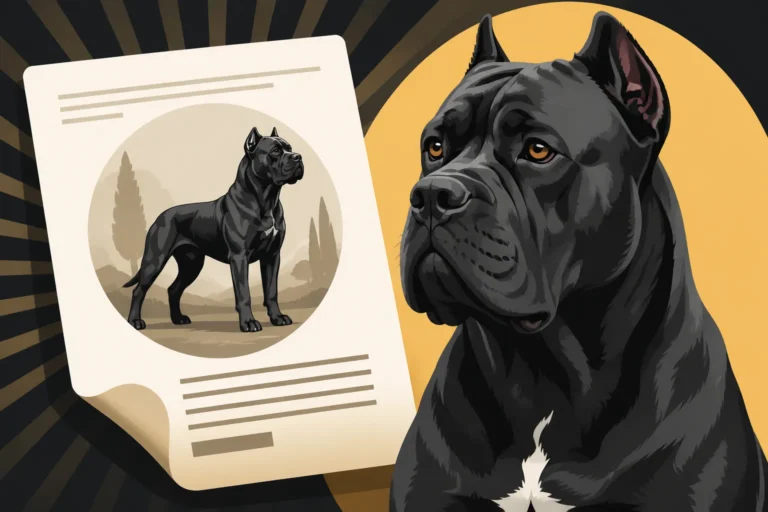
The near extinction of the Cane Corso after World War II is a poignant chapter in their history. It was only thanks to the dedication of a few passionate Italian enthusiasts, like Dr. Paolo Breber, who recognized the breed's incredible value and historical significance, that they were brought back from the brink. These individuals sought out the remaining "rustic" examples of the breed in the remote corners of Southern Italy, gathering them to begin a dedicated breeding program. The 1976 Article That Started the Cane Corso Revival
The revival efforts focused on preserving the breed's original temperament, physical characteristics, and working ability, even if the "work" itself was now shifting. The Cane Corso gradually transitioned from being a pure farm utility dog to a formidable family guardian and companion. While they may not be driving cattle or fending off wolves in most homes today, the core instincts — the deep protective drive, the loyalty, the need for a purpose — remained. This period marked their evolution into the beloved, if still misunderstood, breed we know today, cherished for their powerful presence and unwavering devotion to their human family.
Modern Day "Farmer's Dog" Traits in a Home Setting
Even though most Cane Corsos today live far from a masseria, those "farmer's dog" traits are still very much alive and well, albeit recontextualized for modern living. Their natural guardian instinct means they remain vigilant protectors of their home and family, keenly aware of their surroundings. This manifests as a watchful eye on visitors, a deep suspicion of strangers entering their perceived territory, and a tendency to "supervise" family activities.
The Cane Corso's need for a job translates into a requirement for consistent training, mental stimulation, and regular exercise. A bored Cane Corso is often a destructive Cane Corso, much like a bored farm dog might find mischief. Daily structured activity, whether it's long walks, training sessions, or engaging in dog sports, is essential. Ninety Minutes a Day and a Cane Corso's Mind They crave a purpose, and if you don't give them one, they'll often invent their own, which may not always align with your household rules. Their physical presence, once crucial for deterring animal and human threats on a farm, continues to provide a sense of security to their families today, acting as an imposing, natural deterrent.
Understanding the Enduring Legacy
The "farmer's dog" label for the Cane Corso is more than just a historical footnote; it’s the key to understanding who they truly are. It defines their core temperament, their physical capabilities, and their deep-seated needs.
The Traits That Persist Today
The characteristics that made the Cane Corso indispensable on Italian farms are precisely the traits that resonate with their owners today. Their loyalty is absolute, forming an unbreakable bond with their family. This protective nature, honed by generations of guarding livestock and homes, makes them formidable yet discerning guardians. They possess an intelligence that allows them to learn quickly and adapt, but also demands a consistent and knowledgeable handler. Their physical strength is obvious, a legacy of confronting wild boars and managing stubborn cattle.
Underneath their imposing exterior is a dog with a profound work ethic and a desire to please their chosen humans. These qualities, born out of necessity on a farm, are what make the Cane Corso such a unique and rewarding breed for those who understand and respect their heritage. They are not merely pets; they are partners, deeply invested in the well-being of their household.
Responsible Ownership Reflects Their Past
To truly honor the Cane Corso's "farmer's dog" legacy, modern owners must provide them with an environment that channels their natural instincts positively. This means committing to early and extensive socialization to ensure they are confident and discerning, rather than fearful or overly reactive. Consistent, fair training is paramount to establish clear boundaries and expectations, much like a farmer would train a working dog to understand its role. Providing a defined "job" or routine, even if it's simply daily obedience practice, enrichment games, or active walks, helps fulfill their innate need for purpose. The Structure a Cane Corso Needs Every Single Day
Furthermore, understanding their physical needs, such as feeding a high-quality large breed diet, often found readily on pet supply sites like Chewy, is crucial to support their robust build and prevent rapid growth in puppies that could stress their joints. Their large size and powerful musculature require appropriate nutrition and exercise to maintain health and longevity, a direct link to their physically demanding past.
More Than a Pet, A Partner
Ultimately, owning a Cane Corso today means acknowledging their history as a farmer's most trusted and versatile partner. They are not a breed for the faint of heart, or for those seeking a low-maintenance lap dog. They demand respect, consistency, and a deep understanding of their heritage. When these needs are met, the Cane Corso blossoms into an unparalleled companion—a loyal guardian, a brave protector, and a devoted family member who will stand by your side through thick and thin.
They embody the spirit of the old Italian farm: resilient, dependable, fiercely protective, and utterly indispensable. So, when you hear the term "farmer's dog" applied to the Cane Corso, remember it's not a quaint historical detail; it's a testament to the core of their being, a powerful reminder of the working spirit that continues to define this magnificent breed.
| Historical Farm Role | Modern Home Role | Key Trait Inherited |
|---|---|---|
| Guarding the Masseria | Protecting family and property | Strong protective instincts, territoriality |
| Driving Livestock | Obedience, focus, handler attention | Powerful drive, intelligence, desire for purpose |
| Hunting Wild Boar | Courage, resilience, tenacity | Fearlessness, high pain tolerance, strong prey drive |
| All-Around Farm Hand | Versatility, adaptability, companionship | Loyalty, intelligence, strong bond with family |
| Low Maintenance | Hardiness, robust constitution | Resilience, lower grooming needs |
| Cost-Effective Security | Deterrent presence, watchful nature | Alertness, inherent guardian ability |
Disclaimer
This article is for general informational purposes only and does not constitute professional advice. Laws, prices and regulations vary by location and change over time. Consult a qualified professional for guidance on your specific situation.