How Rarely a Cane Corso’s Short Coat Needs Washing
One of the biggest questions I hear from fellow Cane Corso owners, especially those new to this incredible breed, is how often they really need to bathe their big, beautiful dogs. You look at that short, dense coat and think, "Oh, this will be easy!" But then you realize you’re dealing with a giant, often opinionated, dog with specific skin needs, and suddenly a quick scrub isn't so simple. The truth is, while their coats might look low maintenance, over-bathing can actually do more harm than good, leading to dry, irritated skin and stripping away those vital natural oils. This guide is all about navigating the world of Cane Corso coat care, helping you understand when a bath is truly necessary, when other options are better, and how to keep your big companion smelling fresh and feeling comfortable without going overboard.
Understanding the Cane Corso's Natural Coat and Skin Health
The Cane Corso's coat is designed for protection, not for frequent sudsing. It's typically short, dense, and sometimes has a fine undercoat, especially in cooler climates. This isn't just for looks; it serves a crucial purpose in their overall skin and health. Understanding how it all works can save you a lot of unnecessary effort and keep your dog much healthier.
The Role of Natural Oils and pH Balance
Just like our own skin and hair, a Cane Corso's skin produces natural oils. These oils, or sebum, are essential for keeping their skin moisturized, forming a protective barrier against environmental irritants, and giving their coat that healthy, subtle sheen. They also contribute to a healthy pH balance on the skin, which acts as a first line of defense against bacteria, yeast, and other microscopic invaders. Think of it like a delicate ecosystem.
When we bathe our dogs too frequently, especially with harsh shampoos, we strip away these natural oils and disrupt that vital pH balance. The immediate result might be a dog that smells "cleaner" to our noses, but underneath, their skin can become dry, itchy, and vulnerable. This can lead to a cycle of scratching, irritation, and even secondary skin infections. Instead of promoting health, we inadvertently create problems, making their skin more reactive and potentially causing them to smell worse as their body overcompensates by producing more oil. For a large breed like the Cane Corso, maintaining this natural balance is paramount to avoid chronic skin issues.
Why Frequent Washing Can Be Detrimental
Beyond stripping oils, frequent washing can also exacerbate existing skin sensitivities or even create new ones. A Cane Corso's skin, while tough, can be prone to certain issues, and chemical exposure from shampoos, even mild ones, can be a trigger. Imagine having sensitive skin and showering multiple times a day with strong soap – it would eventually become red, flaky, and uncomfortable. The same principle applies to your Cane Corso.
Moreover, the sheer size of a Cane Corso means that a full bath is a significant undertaking. Ensuring every inch of their thick coat is thoroughly rinsed can be incredibly difficult, and any shampoo residue left behind can be a major irritant, leading to itching and matting even in a short coat. This is particularly true in their deeper folds, if they have any, or under their armpits and groin. The effort involved in a full bath, combined with the potential for skin issues, makes it clear that "less is more" is often the best approach for their general hygiene. It's about finding that sweet spot where they are clean enough without compromising their skin's natural defenses.
Seasonal Shedding and Coat Health
While the Cane Corso has a short coat, don't let that fool you into thinking they don't shed. Oh, they shed! Often, they'll have two major "blow outs" per year, typically in spring and fall, where they shed their undercoat to prepare for the changing seasons. During these times, you'll find their hair everywhere, sticking to furniture, clothes, and practically integrating itself into your carpets. How Much a Cane Corso Sheds Twice a Year is a real testament to this.
During these shedding cycles, bathing can actually be beneficial, but not necessarily for cleanliness. A good bath can help loosen dead hair, making the subsequent brushing more effective. However, the primary tool for managing shedding and maintaining coat health isn't the tub, it's the brush. Regular, even daily, brushing, especially with a deshedding tool like a Furminator or a good rubber curry brush, is far more effective at removing loose hair and stimulating healthy skin than frequent baths. Which Tool Pulls a Cane Corso's Undercoat Out can be a game-changer. This helps distribute those natural oils, prevents buildup, and allows their skin to breathe, reducing the need for more intensive washing.
When a Full Bath Becomes Absolutely Necessary
Alright, so we've established that less is more, but let's be realistic. There are absolutely times when no amount of brushing or spot cleaning is going to cut it. Life with a Cane Corso is full of adventures, and sometimes those adventures involve less-than-pleasant smells and substances.
The "Roll in Something Foul" Emergency
This is probably the most common reason for an unscheduled bath. You know the drill: you take your majestic Cane Corso for a walk in the woods or a run in the park, and in a split second, they find something utterly disgusting to roll in. It could be animal droppings, some mysterious stagnant pond sludge, or even a dead critter they decided was their new perfume. The smell alone is enough to send you scrambling for the hose.
In these situations, there's no question – a full bath is absolutely essential. You can't just brush off that kind of stench or grime. The goal here is to remove the offensive material quickly and thoroughly, preventing it from irritating their skin or transferring to your home. Don't feel guilty about giving an extra bath when circumstances truly demand it; just be sure to use a high-quality, gentle shampoo that will clean without stripping too much. Sometimes, you just have to hold your breath and get it done.
Addressing Odor and Persistent Dirt
Even without rolling in something truly awful, sometimes a Cane Corso can just start to develop a persistent doggy odor that even the most diligent brushing won't fix. This could be due to prolonged dampness after a rainy walk, dirt buildup from playing in muddy areas, or simply a buildup of natural oils that have gone a bit stale. It's a subtle but distinct shift that makes you think, "Okay, we need a reset." Why a Cane Corso Starts to Smell often comes down to these factors.
Another common scenario is when they've been particularly active outdoors, and while they didn't roll in anything offensive, they're just generally gritty and dusty. Maybe they spent the afternoon digging or wrestling with another dog in a dirt patch. You run your hand over their coat, and it feels more like sandpaper than silk. In these cases, a bath can significantly improve their comfort and the cleanliness of your home. It’s not about aesthetics, but about removing accumulated environmental grime that might irritate their skin or just make your house smell like a kennel.
Managing Skin Issues Requiring Medicated Washes
This is a crucial exception to the "bathe less" rule. If your Cane Corso develops a skin condition, such as allergies, hotspots, or demodectic mange, your veterinarian might prescribe a medicated shampoo. These shampoos are specifically formulated to treat the underlying issue, whether it's a bacterial infection, yeast overgrowth, or parasitic infestation. In these cases, the bathing frequency is dictated by medical necessity, not general hygiene.
Your vet will give you precise instructions on how often to use the medicated shampoo, how long to leave it on, and any follow-up care required. It’s vital to follow these instructions to the letter, as incorrect use can hinder treatment or even make the condition worse. While medicated shampoos can sometimes be harsher than regular ones, the benefits of treating the skin condition far outweigh the risks of temporary dryness. You might need to use a gentle, moisturizing conditioner afterward, if approved by your vet, to help rehydrate their skin. For example, if your Cane Corso is struggling with a demodectic mange flare-up, Medicated Shampoo for a Cane Corso With Mange will be a part of their treatment plan, and regular, prescribed baths will be crucial for recovery.
Alternatives to Frequent Full Baths
Since full baths are such an event, and often unnecessary, it’s a good idea to have a robust arsenal of alternatives for everyday maintenance. These methods can keep your Cane Corso looking and smelling good, while protecting their skin and saving you a lot of heavy lifting.
Daily Brushing: The Cornerstone of Coat Care
If there's one thing you do consistently for your Cane Corso's coat, it should be regular brushing. This isn't just about removing loose hair; it's a comprehensive coat and skin maintenance ritual. For a Cane Corso, daily or at least every-other-day brushing can make a world of difference. It distributes their natural skin oils, which keeps their coat shiny and healthy. It also stimulates blood flow to the skin, promoting new hair growth and helping to shed old, dead hair more efficiently.
A good rubber curry brush works wonders for their short, dense coat, grabbing loose hairs and giving them a pleasant massage at the same time. During heavy shedding periods, a deshedding tool can also be incredibly effective. Brushing also allows you to regularly check their skin for any lumps, bumps, hot spots, or parasites that might otherwise go unnoticed. This proactive approach not only reduces the need for baths but also contributes significantly to their overall health and well-being. It’s an easy way to bond and provides practical benefits that no shampoo can replicate. Getting a Brush Through a Cane Corso's Dense Undercoat is key to managing their shedding effectively.
Spot Cleaning and Wipe Downs
For minor messes, a full bath is completely overkill. Instead, embrace the power of spot cleaning. Did your Cane Corso walk through a muddy puddle? Just wipe their paws with a damp cloth or a pet-safe wipe. Did they get a little drool or dirt on their muzzle after eating? A quick wipe with a moist towel will handle it. For larger, but contained, dirty spots on their body, you can use a damp cloth with a tiny bit of mild, diluted dog shampoo, rinse thoroughly with another damp cloth, and then dry.
Pet-specific wipes are fantastic for this purpose. Brands like Earth Rated or similar can be found on Chewy and are designed to be gentle on skin while cutting through light grime and odors. These are perfect for after-walk clean-ups, freshening up their chest or belly, or cleaning around their mouth and eyes. They’re quick, convenient, and prevent the need for hauling a giant dog into the tub for a small mess.
Waterless Shampoos and Deodorizing Sprays
Sometimes you just need a quick refresh between baths, without the full commitment of water and drying time. This is where waterless shampoos and deodorizing sprays come in handy. Waterless shampoos, often in foam or spray form, allow you to apply the product, rub it in, and then towel dry, leaving your dog smelling much fresher without getting them soaking wet. They’re great for a quick touch-up before guests arrive or after an evening romp in the yard.
Deodorizing sprays are even simpler. They don't clean the coat but simply mask or neutralize odors. These can be particularly useful for that occasional "doggy smell" that isn't quite severe enough for a full bath but is noticeable. Just be sure to choose products specifically formulated for dogs, as human perfumes or air fresheners can contain ingredients that are irritating or even toxic to pets. You can find a wide variety of these products on Chewy or Amazon, making it easy to keep your Cane Corso smelling pleasant with minimal fuss.
The Logistics and Challenges of Bathing a Giant Breed
Let's face it, bathing a Cane Corso is not like washing a Chihuahua. Their size, strength, and sometimes their sheer reluctance can turn a simple task into an Olympic sport. Being prepared and understanding the challenges can make the process smoother for both of you.
Finding the Right Space and Equipment
The first hurdle is where to actually wash your massive dog. A standard bathroom tub might work for a puppy, but a fully grown Cane Corso can barely fit, let alone turn around. Many owners opt for a walk-in shower if they have one, or even a utility sink if it's large enough and elevated. For those without suitable indoor options, an outdoor wash station, perhaps with a hose attachment, can be a lifesaver, especially in warmer weather. Just ensure the water temperature is comfortable for your dog – never too hot or too cold.
Equipment is also key. You'll need:
- A non-slip mat: Essential for preventing slips and falls in the tub or shower.
- A strong leash and collar/harness: To keep your Cane Corso secure, especially if they're not a fan of baths. You might even consider a grooming loop if you have a way to secure it.
- A shower sprayer attachment: Makes rinsing much easier and more thorough.
- Plenty of towels: You'll need more than you think to absorb all that water.
- High-quality dog shampoo and conditioner: Gentle, pH-balanced formulas are best.
- Treats! Plenty of high-value rewards for cooperation.
Consider investing in a portable dog grooming tub if you have the space. While an upfront cost, it can save your back and make the process far more manageable. These are readily available on Amazon and designed for larger breeds.
Managing a Large Dog in the Tub or Shower
Once you have your setup, the real fun begins: getting your Cane Corso into the bathing area and keeping them there. Many Corsos are stoic about baths, but some can be quite dramatic. Patience and positive reinforcement are your best friends. Start by making the experience as pleasant as possible. Use a calm, reassuring voice. Offer treats generously for stepping into the tub, standing still, and tolerating the water. A lick mat smeared with peanut butter stuck to the wall can be an excellent distraction.
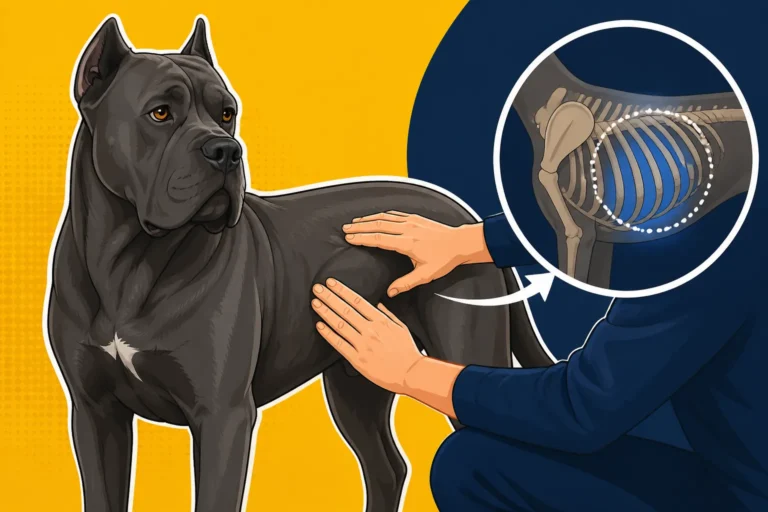
Wet them thoroughly before applying shampoo, ensuring the water penetrates their dense coat. Lather well, paying attention to their belly, armpits, and paws. Always be mindful of their eyes and ears; try to avoid getting water or shampoo directly in them. A cotton ball gently placed in their ears can help prevent water from entering the ear canal, reducing the risk of ear infections. The most critical part, often overlooked, is rinsing. You must rinse thoroughly. Rinse until you think you've rinsed enough, then rinse again. Shampoo residue can cause intense itching and skin irritation. Remember that a deep-chested dog like a Cane Corso needs extra attention when rinsing. Anesthesia Risk in a Deep Chested Cane Corso can be a consideration for other procedures, but in the tub, it's about making them comfortable and thorough rinsing.
Drying Your Cane Corso Thoroughly
After the bath, drying is just as important as washing. A partially dry Cane Corso can develop "hot spots" or skin infections due to prolonged dampness, especially in their dense undercoat. Start by towel-drying vigorously. Use multiple towels to absorb as much water as possible. Then, if your dog tolerates it, you can use a dog-specific forced-air dryer. These are much more powerful than human hair dryers and are designed to push water out of the coat without overheating the skin. They significantly reduce drying time and ensure the coat is dry all the way to the skin. You can find reliable models on Amazon.
If you don't have a forced-air dryer, allow them to air dry in a warm, draft-free area. Keep them moving a little bit, perhaps with a short leashed walk, to help facilitate drying. Avoid letting them lie down on a cold floor or in a crate until they are completely dry, as this can lead to chilling or skin issues. Proper drying ensures the skin and coat return to their healthy state, preventing fungal growth or irritation from residual dampness. Getting a Cane Corso Dry Before It Rolls is always the challenge, so be prepared!
Special Skin and Coat Considerations for Your Cane Corso
While Cane Corsos generally have robust health, their skin and coat can sometimes present specific challenges that require extra attention beyond a routine bath. Being aware of these can help you act quickly if something seems amiss.
Allergies and Sensitivities
Cane Corsos, like many large breeds, can be prone to environmental or food allergies. These allergies often manifest as skin problems: itching, redness, inflammation, and sometimes secondary infections. If your Cane Corso is constantly scratching, licking their paws, or developing red patches, allergies might be the culprit. Allergy Testing for an Itchy Cane Corso can pinpoint the exact triggers.
In these cases, bathing becomes part of a broader management strategy rather than just hygiene. Your vet might recommend specific hypoallergenic or medicated shampoos designed to soothe irritated skin, reduce inflammation, or combat yeast/bacterial overgrowth that often accompanies allergies. For instance, if your dog has environmental allergies, an oatmeal-based shampoo might be calming. The frequency of these baths will depend on the severity of the symptoms and your vet's recommendations. It's crucial to distinguish between a dirty dog and a dog with a dermatological issue; treating the latter correctly often involves specialized bathing protocols.
Addressing Skin Folds and Wrinkles
While not as heavily wrinkled as some other Mastiff breeds, some Cane Corsos do have loose skin around their muzzle, neck, and sometimes their chest. These folds, while contributing to their distinctive look, can trap moisture, dirt, and debris, creating a warm, damp environment perfect for bacterial or yeast infections. Cleaning the Wrinkles Above a Cane Corso's Nose isn't just for aesthetics; it's a health measure.
Regular cleaning of these folds is essential. This often means daily or every-other-day wipe-downs with a soft, damp cloth, or a pet-safe wipe. You can also use a small amount of an antiseptic wipe or solution, prescribed by your vet, if your dog is prone to infections in these areas. After cleaning, it's vital to ensure the folds are thoroughly dried. Any residual moisture will only exacerbate the problem. You might even apply a thin layer of a vet-approved anti-fungal powder or barrier cream if recommended. Consistent care of these areas can prevent serious discomfort and the need for more intensive medical intervention.
Parasite Prevention and Bathing
Bathing can play a minor role in managing external parasites like fleas and ticks, but it's not a primary prevention method. If your Cane Corso gets fleas, a flea shampoo can kill the live fleas on their body, providing immediate relief. However, these shampoos often do not have residual effects, meaning they won't prevent new fleas from jumping on or eggs from hatching. For effective, long-term parasite control, you need to rely on veterinarian-prescribed oral medications or topical treatments.
If you find fleas or ticks on your Cane Corso, consult your vet for the best course of action. They can recommend a comprehensive parasite prevention plan that includes appropriate bathing practices if necessary. While a bath can wash away some allergens from flea saliva, for instance, it's the consistent use of preventatives that truly keeps your Cane Corso safe from these pests. Don't rely solely on bathing for parasite control; it's a small piece of a much larger puzzle.
Choosing the Right Products for Bath Time
When you do need to bathe your Cane Corso, the products you choose can make a significant difference in their comfort and skin health. It's not just about what smells good to us; it's about what's gentle and effective for them.
Selecting a Gentle, pH-Balanced Shampoo
The most important rule for Cane Corso shampoo is "dog-specific and gentle." Human shampoos are formulated for human skin pH, which is different from a dog's. Using human shampoo can disrupt your dog's skin barrier, leading to dryness, irritation, and potential infections. Look for shampoos that are:
- pH-balanced for dogs: This is crucial for maintaining their skin's natural defenses.
- Soap-free/Sulfate-free: These are less likely to strip natural oils and cause dryness.
- Hypoallergenic or for sensitive skin: Especially important if your Cane Corso has any known allergies or skin sensitivities. Ingredients like oatmeal, aloe vera, or tea tree oil (in safe concentrations) can be soothing.
- Free from harsh dyes and perfumes: While we might love a dog that smells like vanilla, artificial fragrances can be irritants. A truly clean dog doesn't need to smell like a perfume factory.
Brands like Earthbath, TropiClean, or Burt's Bees for Pets often offer excellent, gentle options that you can find readily on Chewy. When in doubt, ask your veterinarian for a recommendation, especially if your dog has specific skin concerns.
Conditioners for Healthy Skin and Coat
Many owners skip conditioner for short-haired dogs, assuming it's only for long, flowing coats. However, a good dog-specific conditioner can be incredibly beneficial for a Cane Corso's skin and coat, especially after a bath. Conditioner helps to:
- Rehydrate the skin: Replenishing some of the moisture that even gentle shampoos might remove.
- Restore the natural lipid barrier: Further protecting their skin from environmental irritants.
- Detangle (even short hair): Making brushing easier and preventing any micro-mats or snags, particularly if they have a thicker undercoat.
- Add shine and softness: Giving their coat a healthy appearance.
Apply conditioner after thoroughly rinsing out the shampoo, leave it on for the recommended time (usually a few minutes), and then rinse it out completely. Just like with shampoo, ensure it's pH-balanced for dogs and free from harsh chemicals or overpowering scents. Using a conditioner is an extra step that genuinely contributes to long-term skin and coat health, reducing the likelihood of dryness and itching after a bath.
Grooming Tools Beyond the Bath
Beyond shampoos and conditioners, having the right grooming tools on hand is essential for managing your Cane Corso's coat and minimizing the need for frequent baths. These tools enable you to tackle specific aspects of hygiene without wetting your dog.
- Rubber Curry Brush/Glove: As mentioned, these are perfect for daily brushing, removing loose hair, and stimulating the skin. They are also fantastic for getting shed hair off their coat during a bath.
- Deshedding Tool: For those twice-yearly "blow outs," a tool like a Furminator or similar deshedding brush can be invaluable in removing vast amounts of undercoat, which dramatically reduces the hair floating around your house.
- Microfiber Towels: These are super absorbent and can significantly cut down drying time compared to regular cotton towels.
- Paw Wipes/General Pet Wipes: Keep these by the door for quick clean-ups after walks, saving your floors and furniture from muddy paw prints.
- Nail Clippers/Grinder: While not directly coat-related, well-maintained nails are a crucial part of overall hygiene and comfort for a large dog. Nails, Teeth and Feet on a Hundred Pound Cane Corso need regular attention.
- Ear Cleaner: If your Cane Corso has natural ears, regular cleaning with a vet-approved solution can prevent infections, reducing the need for extensive ear washes during a full bath. Cleaning a Cane Corso's Ear Without Going Deep is a good skill to learn.
By having these tools readily available, you empower yourself to keep your Cane Corso clean and comfortable on a daily basis, reserving those full, labor-intensive baths for when they are truly necessary.
| Cleaning Method | Frequency Recommended | Primary Benefit | Considerations |
|---|---|---|---|
| Full Bath | Every 2-4 months, or as needed | Deep clean, removes significant grime/odor | Labor-intensive, risk of stripping oils if too frequent, requires thorough rinsing/drying |
| Spot Cleaning | Daily, as needed | Targets specific dirty areas (paws, muzzle) | Quick, prevents minor messes from becoming major, protects skin barrier |
| Daily Brushing | Daily-every other day | Removes loose hair, distributes oils, stimulates skin | Essential for coat health, reduces shedding, helps prevent odor buildup |
| Waterless Shampoo | Weekly-Bi-weekly, as needed | Quick freshen-up, removes light surface dirt | Not a deep clean, good for in-between baths, choose dog-specific formulas |
| Deodorizing Spray | As needed for odor | Masks or neutralizes surface odors | Does not clean, choose dog-specific, light formulas to avoid irritation |
| Wrinkle Wipes | Daily-Every other day (if needed) | Prevents moisture/dirt buildup in folds | Critical for health in folded areas, must dry thoroughly afterward |
Disclaimer
This article is for general informational purposes only and does not constitute professional advice. Laws, prices and regulations vary by location and change over time. Consult a qualified professional for guidance on your specific situation.