Medicated Shampoo for a Cane Corso With Mange
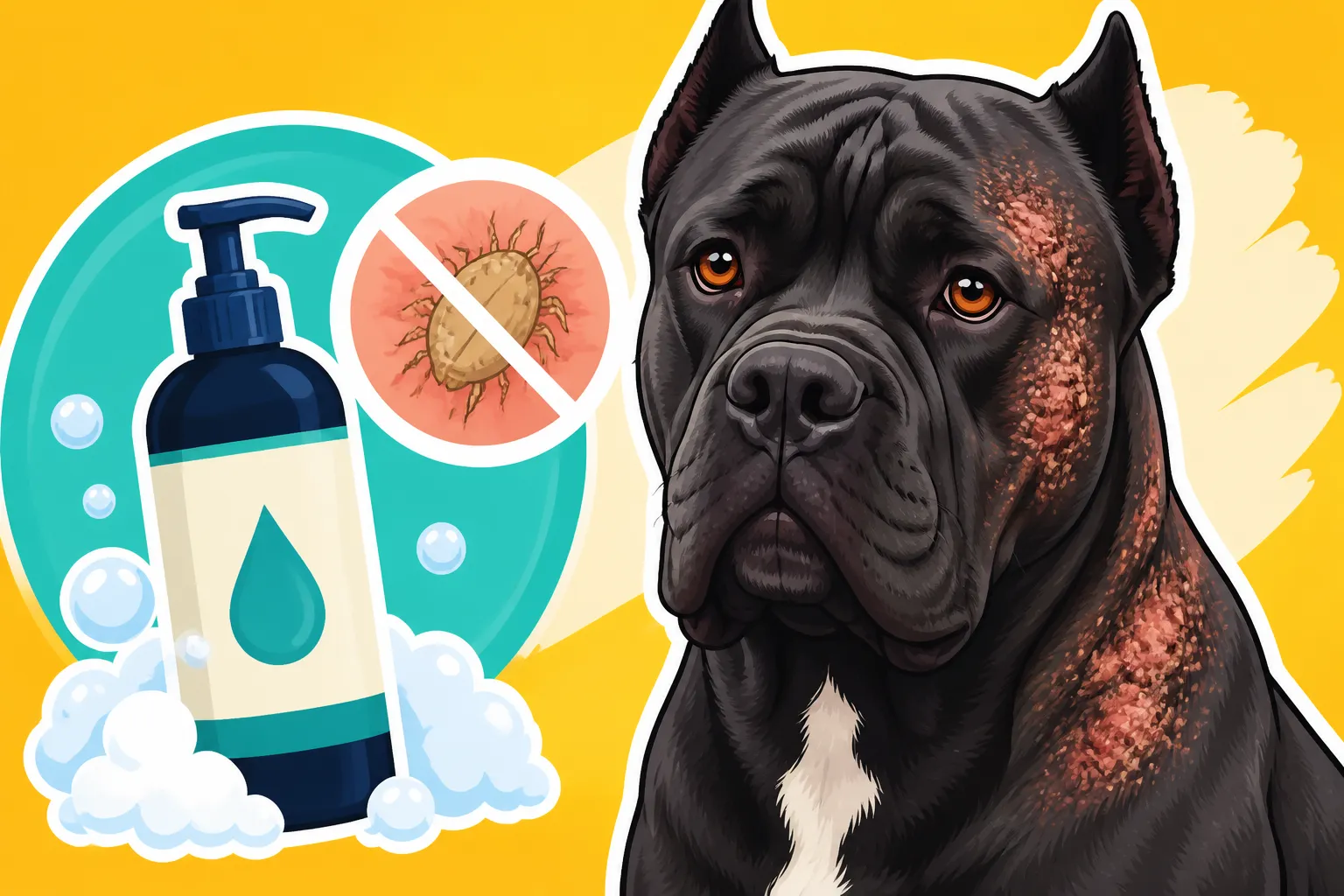
Discovering bald patches, redness, and incessant scratching on your magnificent Cane Corso can be heartbreaking and frustrating. Mange, a skin condition caused by mites, is a common culprit behind these symptoms, and it often leaves owners feeling overwhelmed about how to best bring their dog relief. This comprehensive guide will walk you through everything you need to know about using medicated shampoo to effectively treat mange in your Cane Corso, ensuring you're equipped with the knowledge to help your companion heal.
Identifying Mange in Your Cane Corso: What You're Up Against
Before you even reach for a bottle of medicated shampoo, understanding what kind of mange you're dealing with is absolutely critical. Mange isn't just one thing; it's a term for several skin conditions caused by different types of mites, and each requires a slightly different approach to treatment. Trying to treat the wrong kind of mange can lead to prolonged suffering for your dog and unnecessary expense for you.
The Different Types of Mange Affecting Cane Corsos
The two most common forms of mange you'll encounter in dogs, including our robust Cane Corsos, are demodectic mange and sarcoptic mange. While both are caused by mites, their presentation, contagiousness, and treatment protocols differ significantly.
Demodectic mange, often called "red mange" or "demodex," is caused by Demodex canis mites. These mites are actually a normal part of your dog's skin flora, residing harmlessly in hair follicles. The problem arises when a dog's immune system is compromised, allowing the mites to overpopulate. This is why it's most frequently seen in puppies or adolescent dogs with immature immune systems, or in older dogs with underlying health issues. You might first notice Mange on a Cane Corso Puppy's Face and Feet or small, circular patches of hair loss, often around the eyes, mouth, or on the legs. The skin might appear red, scaly, and greasy. While localized demodectic mange can sometimes resolve on its own, generalized demodex, covering larger areas of the body, definitely needs veterinary intervention. It's generally not contagious to other dogs or humans, as these mites are species-specific.
Sarcoptic mange, on the other hand, is caused by the Sarcoptes scabiei mite, often referred to as "scabies." This type of mange is intensely itchy and highly contagious, not just to other dogs but potentially to humans as well, causing a temporary, itchy rash. These mites burrow into the skin, causing severe irritation and allergic reactions. The itching is often so extreme that dogs will scratch themselves raw, leading to secondary skin infections, crusting, and thickening of the skin. You might see this on areas with less hair, like the elbows, hocks, ear flaps, and abdomen. The scratching is usually far more profound than with demodex, and your Cane Corso might seem utterly miserable. If you suspect sarcoptic mange, isolating your dog and seeking immediate vet care is paramount.
Why a Cane Corso Might Be Prone
While any dog can get mange, certain factors might make a Cane Corso more susceptible, particularly to demodectic mange. Due to their large size and sometimes rapid growth, puppies can experience periods where their immune system is working overtime, potentially creating an opportunity for Demodex mites to proliferate. For example, What Generalized Demodex Says About a Cane Corso's Immunity often points to a deeper immune system issue that warrants investigation. Stress, poor nutrition, or even genetic predisposition can also play a role. A Cane Corso's short coat can make skin issues like mange more visible, but it doesn't necessarily make them more prone than long-haired breeds; it just means you might spot the bald patches or irritation sooner. Knowing these predispositions helps you be more vigilant and understand why early intervention is so crucial.
Selecting the Right Medicated Shampoo: A Targeted Approach
Once your veterinarian has confirmed a mange diagnosis through a skin scrape, the next critical step is selecting the appropriate medicated shampoo. This isn't a "one-size-fits-all" situation, and using the wrong product can delay healing or even worsen the condition. Your vet's diagnosis will guide this choice, as different mites respond to different active ingredients.
Key Active Ingredients to Look For
Medicated shampoos for mange often contain specific ingredients designed to kill mites, soothe irritated skin, or both. Here are some common ones you might encounter:
- Benzoyl Peroxide: This ingredient is excellent for flushing out hair follicles, which is particularly useful for demodectic mange where mites live deep within the follicles. It helps to degrease oily skin and has some antimicrobial properties, which can help with secondary bacterial infections that often accompany mange.
- Amitraz: Historically, amitraz was a very common and effective treatment for demodectic mange. However, due to potential side effects and the development of newer, safer systemic medications, its use in shampoo form has become less frequent. If prescribed, it's potent and requires careful handling and application.
- Selenium Sulfide: This antifungal and keratolytic agent helps remove scales and crusts from the skin, often associated with both types of mange and secondary infections. It can also help with the greasy skin often seen with demodex.
- Chlorhexidine and Miconazole: These are powerful antiseptic and antifungal agents, respectively. While they don't directly kill mites, they are incredibly important for treating the secondary bacterial and yeast infections that frequently occur on mange-affected skin. These infections can cause much of the redness, itching, and odor, so addressing them is a key part of recovery.
Your vet will recommend the specific active ingredient or combination that is most effective for your Cane Corso's particular type of mange and any secondary infections present.
Over-the-Counter vs. Prescription: When You Need a Vet's Specific Recommendation
It's tempting to try and grab an over-the-counter medicated shampoo when you first notice a problem, especially if you're a seasoned dog owner. However, when it comes to mange, a veterinarian's diagnosis and prescription are almost always necessary. Most truly effective anti-mite shampoos contain ingredients that are either prescription-only or need to be used under strict veterinary guidance.
Over-the-counter options might offer some relief for general skin irritation or mild fungal issues, but they are rarely strong enough to eradicate a full-blown mange infestation. Trying to self-diagnose and treat mange can lead to delays in proper care, allowing the condition to worsen and making future treatment more challenging and costly. For instance, The Cost of Treating a Cane Corso's Demodex can quickly escalate if the condition becomes generalized or complicated by severe secondary infections.
Once your vet provides a prescription or recommends a specific product, you might then find approved options through reputable online retailers like Chewy or Amazon. Always ensure you're purchasing the exact product your vet specified, checking active ingredients and concentrations carefully. Don't be swayed by marketing claims; stick to professional advice.
Considerations for Your Cane Corso's Skin Type
Cane Corsos, like all dogs, can have varying degrees of skin sensitivity. Some medicated shampoos can be drying or irritating, especially with frequent use. If your Corso has particularly sensitive skin, your vet might recommend a shampoo with additional soothing ingredients like aloe vera or oatmeal, or suggest a less frequent bathing schedule.
It's also worth noting that some breeds can have more delicate skin than others, and even within the Cane Corso breed, individual dogs might react differently. Always perform a small patch test if recommended by your vet, and watch for signs of increased redness, irritation, or excessive dryness after the first bath. Your vet can advise on post-bath moisturizers or conditioners specifically formulated for sensitive skin to help counteract any drying effects of the medicated shampoo.
Mastering the Medicated Bath: A Step-by-Step for Your Giant
Bathing a Cane Corso can be an undertaking even without a medicated shampoo. When your dog is uncomfortable and potentially in pain from mange, the process needs to be calm, efficient, and thorough. This isn't just about getting your dog clean; it's about delivering the active medication directly to their skin where it needs to work its magic.
Preparation: The Battle Plan
Before you even get your Corso wet, a little preparation goes a long way, especially when dealing with a large, potentially anxious dog. Think of it as preparing for battle, but a gentle, loving one.
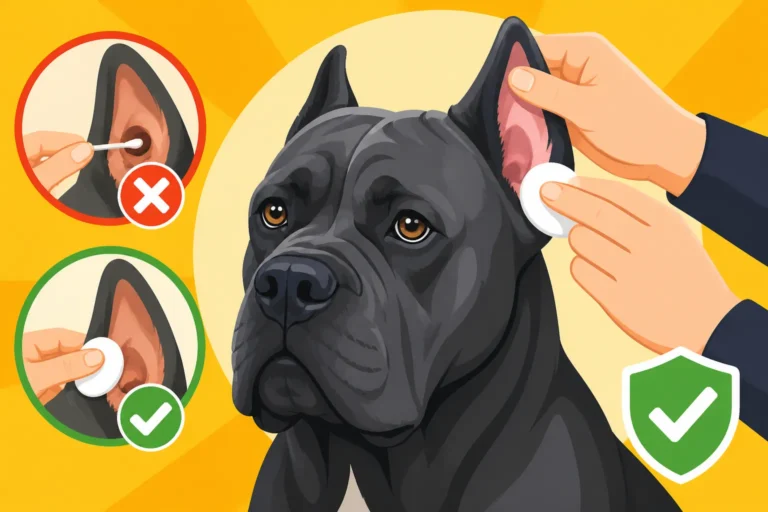
First, gather all your supplies: the medicated shampoo, towels (lots of them!), cotton balls for ears, an old washcloth for their face, a non-slip mat for the tub or shower, and a cup or sprayer for rinsing. If your Corso gets anxious during baths, have some high-value treats ready, or even a lick mat smeared with peanut butter to distract them. Many owners find it easier to bathe their Cane Corso in a large walk-in shower or even a dedicated wash tub if they have one. Remember, your Corso could easily outweigh you, so safety for both of you is key. Consider wearing old clothes yourself, as you're likely to get wet and possibly muddy.
Next, try to brush your Cane Corso thoroughly before the bath. This helps remove loose hair, scales, and any larger debris, allowing the medicated shampoo to penetrate the skin more effectively. This is especially true if you're dealing with The Bald Patches a Cane Corso Puppy Develops which might have some crusting around the edges. Lastly, ensure the water temperature is lukewarm – not too hot, not too cold – to keep your dog comfortable.
The Application Process
This is where the medicated shampoo does its job. Follow these steps carefully, as proper application is crucial for success:
- Thorough Wetting: Completely soak your Cane Corso's coat with lukewarm water. This means getting down to the skin, all over their body. A sprayer attachment can be incredibly helpful for a large dog.
- Apply Shampoo Liberally: Apply the medicated shampoo, starting from the neck and working your way down to the tail and legs. Don't skimp on the shampoo; you need enough to create a good lather that covers all affected areas, and then some. For a large dog like a Cane Corso, you might use a significant amount.
- Lather and Massage: Gently but thoroughly massage the shampoo into the coat and, most importantly, into the skin. Pay special attention to areas with hair loss, redness, or excessive scratching. Use cotton balls to protect their ears and avoid getting shampoo directly into their eyes. You can use a damp washcloth with a small amount of diluted shampoo to gently clean around their face if needed.
- Crucial Contact Time: This is perhaps the most vital step. Medicated shampoos aren't just for cleaning; they need time on the skin to allow the active ingredients to work against the mites and secondary infections. Your vet will specify a "contact time," which is typically 5 to 10 minutes. Set a timer! During this time, keep your Corso calm. This is where those treats or the lick mat come in handy. Never leave your dog unattended during this period.
- Thorough Rinsing: Once the contact time is up, rinse your Cane Corso meticulously. Residue from medicated shampoo can cause skin irritation, so rinse until the water runs clear and you can no longer feel any slipperiness on the coat. Again, a sprayer attachment is a lifesaver here. Work from head to tail, ensuring every bit of shampoo is gone.
Post-Bath Care and Frequency
After the meticulous rinsing, gently squeeze excess water from your Cane Corso's coat and then towel dry them as much as possible. For a deep-chested dog like a Cane Corso, rapid drying is important, especially in cooler weather, to prevent chilling. Some owners use a pet-specific force dryer, but always use a cool setting and introduce it slowly if your dog isn't used to it. Ensure your Cane Corso is fully dry before letting them settle to prevent skin irritation or chills. Bathing a Cane Corso in a Home Shower can be made easier with a good drying routine.
The frequency of medicated baths is entirely dependent on your veterinarian's instructions. For mange, it's often once or twice a week, initially, and then tapering off as the condition improves. Sticking to this schedule is vital for successful treatment. Missing baths can prolong the healing process. While generally How Rarely a Cane Corso's Short Coat Needs Washing, medicated baths are an exception to this rule due to their therapeutic purpose.
Beyond the Bath: Holistic Support for Mange Recovery
While medicated shampoos are a cornerstone of mange treatment, especially for generalized cases or secondary infections, truly successful recovery for your Cane Corso often requires a more holistic approach. Addressing the environment and supporting your dog's overall health can significantly aid the healing process and help prevent recurrence.
Environmental Hygiene
Mites can linger in the environment, particularly if you're dealing with sarcoptic mange. Even with demodectic mange, keeping your dog's living space clean can reduce irritants and potential secondary issues. After each medicated bath, or at least regularly during treatment, wash all of your Cane Corso's bedding in hot water with a pet-safe detergent. This includes blankets, crate pads, and any soft toys they frequently interact with. Consider a quick wipe-down of their crate or sleeping area with a pet-safe disinfectant. Don't forget their collars and harnesses – these can harbor mites and should also be cleaned. Even their brushes should be sanitized regularly to avoid reintroducing mites or bacteria to their healing skin. This level of diligence can feel like a lot, but it’s a crucial step in ensuring the mites are truly eradicated.
Dietary and Supplemental Support
A strong immune system is your Cane Corso's best defense, especially against demodectic mange. Feeding a high-quality, balanced diet is fundamental. Look for foods with easily digestible ingredients and a good source of omega fatty acids. Brands like Ollie, known for their fresh, human-grade ingredients, or premium kibbles available on Chewy or Amazon, can provide excellent nutritional foundations. While a change in diet won't cure mange on its own, it can significantly support skin health and immune function.
Omega-3 and omega-6 fatty acids are particularly beneficial for skin and coat health, helping to reduce inflammation and promote healing. Many owners supplement with fish oil, which can be found in various forms on Amazon or Chewy. Whether Fish Oil Settles a Cane Corso's Itchy Skin is a common question, and for many dogs, it can indeed help with overall skin health and resilience. Probiotics can also be considered to support gut health, which is intrinsically linked to the immune system. If your Cane Corso has Skin Allergies That Flare on a Cane Corso in addition to mange, or if the mange triggered secondary allergies, discuss An Elimination Diet for an Itchy Cane Corso with your vet to rule out food sensitivities. Always consult your vet before adding any supplements to your dog's regimen, as they can guide you on appropriate dosages and ensure they don't interfere with other medications.
The Importance of Veterinary Follow-Up
Treating mange is rarely a one-and-done scenario. Regular veterinary follow-up appointments are crucial to monitor your Cane Corso's progress. Your vet will likely perform repeat skin scrapes to check for the presence of mites. For demodectic mange, treatment often continues until several consecutive skin scrapes are negative, indicating that the mite population is under control. Stopping treatment too soon, even if the skin looks better, can lead to a relapse.
During these follow-ups, your vet can also assess for any lingering secondary infections, adjust the bathing schedule, or prescribe additional oral medications if needed. They can also address any new concerns, such as the healing of The Bald Patches a Cane Corso Puppy Develops or managing any discomfort your Corso might still be experiencing. For complex cases, such as those with The Vet Bill for a Cane Corso's Recurring Ear Infection alongside skin issues, a veterinarian's ongoing expertise is invaluable. Think of your vet as your partner in this journey to get your Cane Corso healthy and happy again.
| Ingredient Type | Primary Action | Best For (Mange Type) | Additional Benefits |
|---|---|---|---|
| Benzoyl Peroxide | Flushes hair follicles, kills some bacteria | Demodectic | Degreasing, mild antiseptic |
| Amitraz | Kills Demodex mites | Demodectic | Highly effective against mites, requires careful use |
| Selenium Sulfide | Reduces scaling, has antifungal properties | Both (secondary effects) | Treats seborrhea, removes crusts, can be drying |
| Chlorhexidine | Antiseptic, kills bacteria and some yeast | Both (secondary infections) | Broad-spectrum antimicrobial, good for inflamed skin |
| Miconazole | Antifungal, kills yeast | Both (secondary infections) | Targets yeast overgrowth, often combined with chlorhexidine |
Disclaimer
This article is for general informational purposes only and does not constitute professional advice. Laws, prices and regulations vary by location and change over time. Consult a qualified professional for guidance on your specific situation.