Cleaning a Cane Corso’s Ear Without Going Deep
One of the most common worries for Cane Corso owners is figuring out how to keep those impressive ears clean without causing more harm than good. Their unique ear structure, whether natural or cropped, often means they're prone to collecting dirt, moisture, and debris, which can quickly lead to uncomfortable and often smelly infections. This guide is here to walk you through the proper, gentle way to clean your Cane Corso's ears, focusing on the visible areas and steering clear of the delicate inner canal.
Understanding Your Cane Corso's Ear Anatomy: Why "Not Going Deep" Is Crucial
Before you even think about picking up an ear cleaner, it's really important to understand what you're actually cleaning. Your Cane Corso's ear isn't just a simple tube; it's a complex, L-shaped canal that makes it very different from a human ear. Many owners, understandably, make the mistake of trying to clean too deeply, often pushing debris further into the ear or even damaging the delicate structures within. This is why the mantra "don't go deep" is so vital for their health and comfort.
The Outer Ear: Pinna and Ear Canal Opening
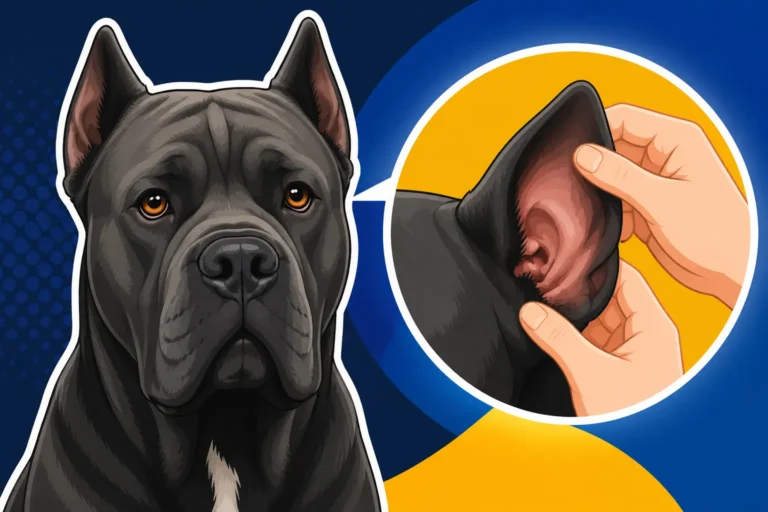
Let's start with what you can see. The pinna is that big, floppy (or erect, if cropped) part of the ear that you can touch and move. It acts like a funnel, directing sounds and, unfortunately, anything else floating in the air or on the ground, down into the ear canal. The opening of the ear canal is the first part you encounter after the pinna. This is the primary area where gunk, wax, and environmental debris tend to accumulate. For Cane Corsos with natural, pendulous ears, this outer area can also trap moisture, creating a warm, damp environment that's just perfect for bacteria and yeast to thrive. It’s also the easiest part to clean safely.
The "L" Bend: Where the Trouble Starts
Beyond that initial opening, your Cane Corso's ear canal takes a sharp turn, forming an "L" shape. There's a vertical canal that runs down, and then a horizontal canal that leads directly to the eardrum. This bend is incredibly protective, making it difficult for foreign objects to reach the eardrum, but it also means that any liquid, wax, or debris that makes it past the entrance can easily get trapped. This is the main reason why sticking a cotton swab or anything similar too far into your dog's ear is a huge no-no; you're far more likely to push material into that bend than to pull it out, effectively creating a plug.
Inner Ear: The No-Go Zone
The inner ear is a highly sensitive and intricate structure, housing the eardrum and the tiny bones responsible for hearing and balance. This area is strictly the veterinarian's domain. Attempting to clean the inner ear yourself can lead to severe damage, including a ruptured eardrum, hearing loss, or even neurological issues. Remember, the goal of home ear cleaning is to address the outer parts of the ear, preventing problems before they get deep enough to become internal issues. If you suspect any problems deep within the ear, it's time for a vet visit, not a deeper cleaning.
Recognizing When to Clean (and When Not To)
It might seem counterintuitive, but you actually shouldn't clean your Cane Corso's ears purely on a set schedule. Over-cleaning can strip the ear of its natural protective oils and disrupt its delicate microbial balance, potentially leading to irritation or even infections. The trick is knowing how to read your dog's ears and understand when a cleaning is genuinely needed versus when you should leave them alone or, crucially, call your vet. This is where The Weekly Ear Check a Cane Corso Owner Should Do comes in handy.
Signs Your Cane Corso Needs an Ear Cleaning
Your Cane Corso will often tell you when their ears are bothering them, even if it’s subtle. One of the most obvious signs is increased head shaking or pawing at their ears. You might also notice a distinct, unpleasant odor emanating from the ear – often described as yeasty or musty, especially if The Yeast Smell on a Cane Corso's Skin Folds is present. Redness, swelling, or crustiness around the ear opening are also clear indicators. When you look inside, you might see an excessive build-up of dark wax, discharge that's yellow, green, or black, or even some minor debris like dirt or grass awns. If you spot any of these, it's likely time for a gentle cleaning, assuming there are no other signs of a deeper issue.
What a Healthy Cane Corso Ear Looks Like
A healthy Cane Corso ear, whether cropped or natural, should appear clean and relatively free of discharge. The skin inside the ear flap should be a healthy pink, not red or inflamed. There might be a small amount of light brown or yellowish wax, which is totally normal and serves a protective function. There shouldn't be any strong odor, beyond a faint "doggy" smell. Your Cane Corso should also not be scratching, shaking their head excessively, or showing any signs of pain when you touch their ears. Regular visual inspection, perhaps once a week, will help you establish what's normal for your individual dog, making it easier to spot when something is amiss. Whether an Uncropped Cane Corso Needs More Ear Cleaning is a common question, and the answer often depends on how much moisture and debris their floppy ears trap.
When to Call the Vet Instead of Cleaning
There are definite red flags that mean you need to skip the home cleaning and head straight to the vet. If your Cane Corso is showing severe pain when you touch their ear, or if they cry out, yelp, or try to bite you, that's a clear sign of a serious problem. Excessive swelling, a very strong foul odor, or a discharge that is thick, pussy, or bloody also warrant immediate veterinary attention. Don't attempt to clean an ear that appears infected or is causing your dog significant discomfort; you could make the situation worse or push the infection deeper. Remember, a vet can properly diagnose the underlying cause, which could be anything from a severe infection to a foreign body lodged deep inside, or even a ruptured eardrum. For those kinds of issues, The Vet Bill for a Cane Corso's Recurring Ear Infection can get pretty steep, so early intervention by a professional is always best.
Gathering Your Gentle Ear Cleaning Arsenal
Having the right tools on hand makes the ear cleaning process much smoother and safer for both you and your Cane Corso. It's not about expensive gadgets, but about choosing effective, dog-safe products and methods that respect the delicate nature of their ears. Trying to improvise with household items or harsh cleaners can do more harm than good, so take a moment to collect your supplies before you begin.
Choosing a Dog-Specific Ear Cleaner
This is the most crucial item on your list. You absolutely need a canine-specific ear cleaner, as human products can be too harsh or contain ingredients that are toxic to dogs. Look for a cleaner that is formulated to dissolve wax, dry the ear canal, and ideally has antiseptic properties to help prevent bacterial or yeast overgrowth. Many good quality cleaners are available from reputable pet supply retailers like Chewy or Amazon. Ask your veterinarian for their recommendations; they often have preferred brands that are effective and gentle. Avoid any cleaners that contain alcohol, as this can be irritating, especially if your dog already has sensitive or inflamed ears.
Cotton Balls, Gauze, and Avoiding Q-Tips
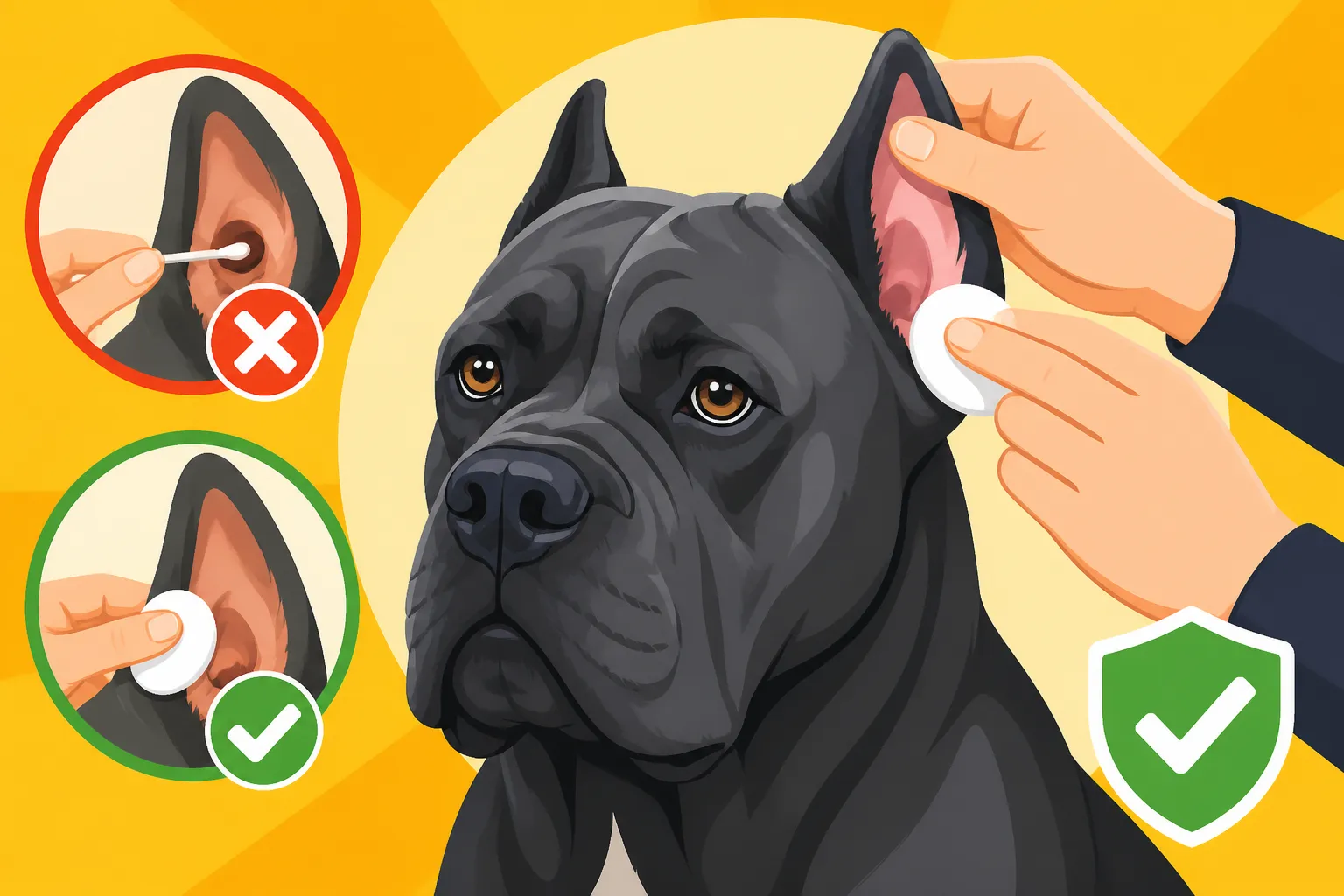
For wiping the outer ear and the visible opening of the canal, large cotton balls or soft gauze pads are your best friends. They are absorbent, soft, and won't scratch the delicate skin. Crucially, they are too large to accidentally push too far into the ear canal. This is precisely why you should never use Q-tips or cotton swabs. While they might seem perfect for "getting in there," their small size makes it incredibly easy to jam them into the L-bend of your Cane Corso's ear, compacting wax and debris against the eardrum, or even causing damage. Stick to items that can only reach the areas you can clearly see. You can find large packs of cotton balls or gauze easily on Amazon or Chewy.
Treats and Rewards: Making it a Positive Experience
For a powerful and sometimes sensitive breed like the Cane Corso, positive reinforcement is key to making ear cleaning a tolerable, if not enjoyable, experience. Have a generous supply of high-value treats on hand. These aren't just for bribing; they're for rewarding calm behavior and building a positive association with the process. A special, extra-tasty treat, perhaps something your dog only gets during this specific activity, can go a long way. Consider a squeezy tube of liver paste or small, soft training treats. Praise, gentle reassurance, and a calm demeanor from you will also contribute significantly to your dog’s cooperation.
A Step-by-Step Guide to Gentle Ear Cleaning
Alright, you've got your supplies, you understand the anatomy, and you know when it's safe to proceed. Now, let's get down to the actual cleaning. Remember, gentle is the name of the game. Your Cane Corso trusts you, so move slowly, speak calmly, and be prepared to take breaks if your dog becomes anxious. Patience is truly a virtue here, especially if your dog isn't thrilled about ear handling.
Preparing Your Cane Corso and the Environment
First, choose a quiet, well-lit space where you and your Cane Corso can be comfortable and relatively undisturbed. If your dog is anxious, having another person there to gently hold them or distract them with treats can be a huge help. Ensure your supplies are all within easy reach. Have your ear cleaner, cotton balls, and a pile of high-value treats ready. Get your Cane Corso into a comfortable position, perhaps with their head resting on your lap or between your legs if they're standing. Before you even open the cleaner, gently handle their ears, lifting the flap, touching the opening, and rewarding them for calm behavior. This desensitization can make a big difference over time.
Applying the Cleaner Correctly
Hold the ear flap up and open, exposing the ear canal. Carefully insert the tip of the ear cleaner bottle into the opening of the ear canal – but only just, never deeply. Squeeze the bottle to administer the recommended amount of cleaner into the ear canal. You want to fill it enough so you can see liquid, but not so much that it overflows uncontrollably. Don't be shy; you need enough liquid to really flush things out. As soon as the cleaner is in, gently massage the base of your Cane Corso's ear for about 20-30 seconds. You should hear a squishing sound as the liquid works its way through the canal, breaking up wax and debris. This massage is crucial for getting the cleaner where it needs to go without you having to insert anything.
The Gentle Wipe: Focusing on Visible Areas
After massaging, your Cane Corso will likely want to shake their head vigorously – let them! This is a good thing, as it helps dislodge all that loosened gunk from deeper within the canal. Have a towel ready to catch any flying cleaner or debris. Once they’ve shaken their head, take a fresh cotton ball or gauze pad and gently wipe out the visible parts of the outer ear and the opening of the ear canal. You’ll be surprised how much dirt and wax comes out. Continue wiping with fresh cotton until no more visible dirt or wax appears on the pad. Remember, you are only cleaning what you can see and reach easily with your finger wrapped in cotton; never push the cotton ball or your finger deep into the canal. If one ear is significantly dirtier than the other, make sure to use separate cotton balls for each ear to avoid cross-contamination.
Maintaining Ear Health Beyond Cleaning
Cleaning is just one piece of the puzzle when it comes to healthy Cane Corso ears. A proactive approach to ear care involves consistent observation, smart management of moisture, and even considering how their diet might play a role. Preventing problems from taking root is always easier and less stressful than treating an infection once it's already set in. This is especially true for a breed like the Cane Corso, which can be prone to ear issues due to their ear conformation.
Regular Visual Checks and Smell Tests
Make it a habit to perform a quick visual inspection of your Cane Corso's ears at least a few times a week, and certainly during your The Weekly Ear Check a Cane Corso Owner Should Do. Lift the ear flap, take a peek inside the opening, and give them a sniff. You're looking for any changes from what's normal: new redness, swelling, unusual discharge, or that tell-tale "yeasty" smell. Catching these signs early means you can often address a minor irritation with a gentle cleaning before it escalates into a full-blown infection that requires a vet visit and possibly antibiotics. Don’t underestimate the power of your nose; a healthy ear simply shouldn't have a strong, unpleasant odor.
Post-Swim Care and Moisture Management
Water is a common culprit for ear infections, especially in dogs with natural, floppy ears like many Cane Corsos. Moisture trapped in the ear canal creates the perfect breeding ground for bacteria and yeast. If your Cane Corso loves to swim, gets a bath, or even just gets caught in the rain, thorough ear drying afterwards is essential. Gently wipe the outer ear and visible canal opening with a soft towel or cotton ball. You can also use a veterinarian-recommended ear drying solution (different from a cleaner, these are purely for drying) after water exposure. Just a few drops after a swim can make a world of difference in preventing moisture-related problems. This links to ensuring your Getting a Cane Corso Dry Before It Rolls after any wet adventure.
Diet and Allergies: An Unexpected Connection
It might surprise you, but what your Cane Corso eats can sometimes have a direct impact on their ear health. Food allergies are a common underlying cause of chronic ear infections in dogs. If your Cane Corso is experiencing recurrent ear problems despite diligent cleaning and good hygiene, it might be worth discussing an elimination diet with your vet. Certain proteins or ingredients can trigger an inflammatory response that manifests as itchy, inflamed ears. Brands like Ollie, which offer fresh, limited-ingredient diets, or specific prescription allergy foods, might be something your vet recommends exploring. Sometimes, simply changing their diet can dramatically improve chronic ear issues. The Yeast Smell on a Cane Corso's Skin Folds can also be a sign of underlying allergies, not just ear issues. If you suspect allergies are at play, consult your vet before making drastic dietary changes.
Disclaimer
This article is for general informational purposes only and does not constitute professional advice. Laws, prices and regulations vary by location and change over time. Consult a qualified professional for guidance on your specific situation.