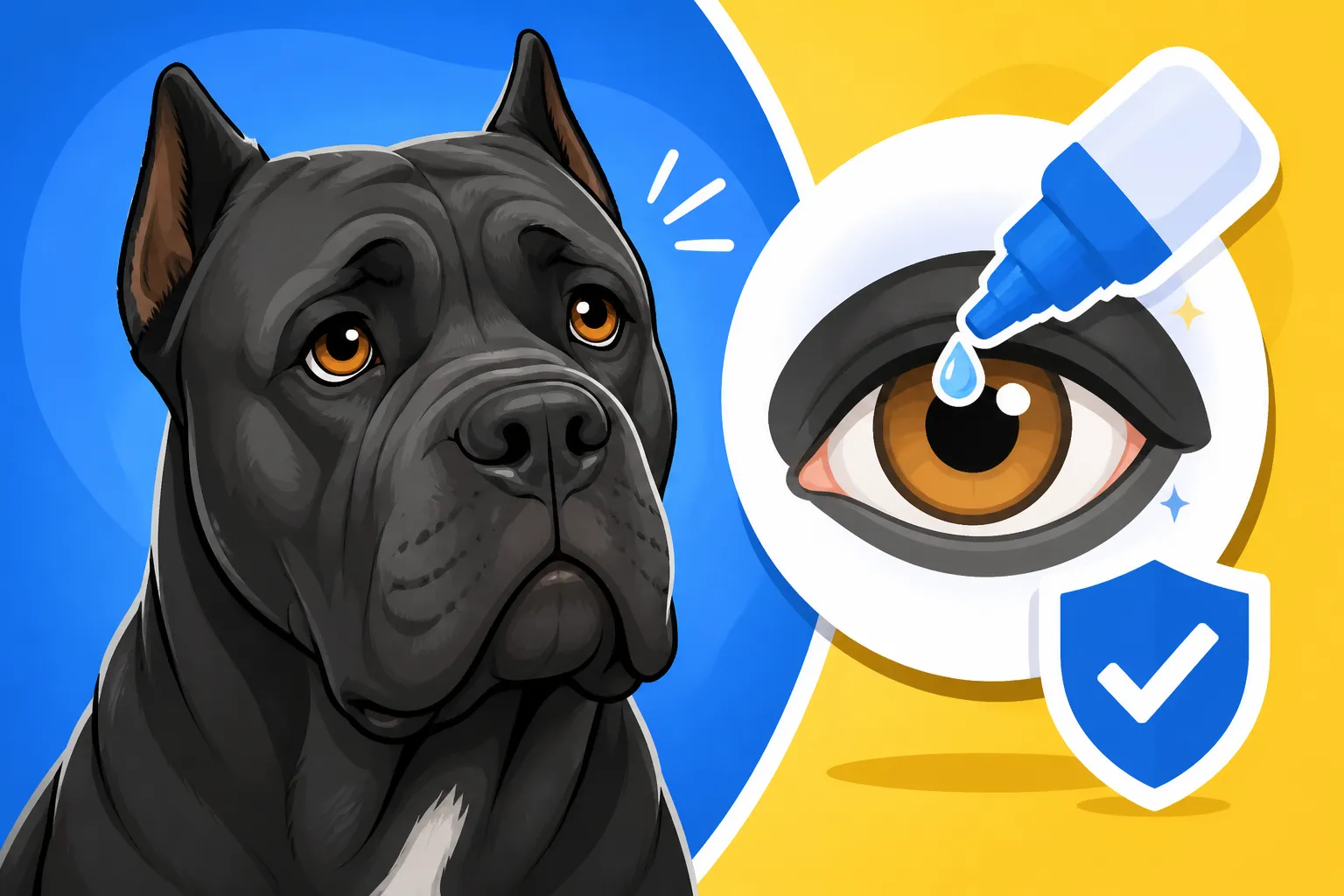
Whether a Cane Corso Needs Eye Drops Daily
Many Cane Corso owners find themselves constantly wiping away discharge or noticing a persistent redness in their dog's eyes, leading them to wonder if a daily regimen of eye drops is just a normal part of owning this magnificent breed. This guide will delve deep into the specific anatomical features of the Cane Corso that can lead to eye issues, help you discern routine care from medical necessity, and provide a comprehensive understanding of when and why your Cane Corso might truly need eye drops.
The Unique Eye Challenges of the Cane Corso Breed
Our Cane Corsos are truly majestic, powerful dogs, but like all breeds, their unique physical characteristics come with their own set of potential health considerations. Their head structure, particularly around the eyes, often predisposes them to certain conditions that can make daily eye care a recurring thought for many owners. It's not just about a pretty face; it's about understanding how their anatomy functions and where it might fall short.
Understanding Their Deep-Set Eyes and Loose Lids
One of the most defining features of a Cane Corso is their often deep-set eyes, combined with a tendency towards loose skin around the eyelids. This isn't just an aesthetic trait; it plays a significant role in their ocular health. While some breeds have tightly fitted eyelids that act like a perfect seal, many Cane Corsos exhibit what's known as "loose lids." This can range from a slight droop in the lower lid, often referred to as ectropion, to an inward rolling of the eyelid margin, known as entropion, where the eyelashes can actually rub against the eye's surface.
This looseness, especially in the lower lid, can create a small "pocket" or greater exposure of the conjunctiva, the pink membrane lining the inside of the eyelids. This exposed area is more susceptible to environmental irritants like dust, pollen, and even strong winds, essentially turning your dog's eye into a small trap for debris. Imagine trying to keep your eyes clean if your lower eyelid constantly sagged open a little; it's a constant battle. This is precisely why you might find yourself frequently reaching for a tissue or wondering if a daily solution is needed. It's not a sign of poor hygiene on your part, but rather a characteristic that demands proactive attention. The Loose Eyelids Nearly Every Cane Corso Owner Meets covers this in more detail.
The Role of Tear Production and Drainage in Cane Corsos
Tears are vital for keeping the eye lubricated, healthy, and free from foreign particles. They constantly wash over the eye, collecting debris, and then drain away through small ducts located in the corners of the eyelids. In Cane Corsos, especially those with looser lids, this natural tear film can sometimes become compromised. If the lower lid sags too much, the tears might not spread evenly across the entire surface of the eye, leading to dry spots and irritation. Conversely, if the drainage ducts themselves are affected by the lid structure or if excessive tearing is produced in response to irritation, you might notice persistent wetness around the eyes, leading to tear staining.
This constant moisture can create a breeding ground for bacteria and yeast, particularly in the folds of skin around the eyes, resulting in the reddish-brown discoloration known as tear stains. It’s a common frustration, especially with lighter-colored Cane Corsos. While the staining itself is largely cosmetic, the underlying issue of improper tear distribution or drainage can lead to discomfort, chronic irritation, and even recurrent infections. Understanding that a continuous wetness isn't always a sign of too much moisture, but sometimes ineffective moisture, is key to addressing the problem appropriately.
Identifying When Your Cane Corso Might Need Eye Drops
Knowing when to reach for an eye drop bottle – or, more importantly, when to call the vet – is crucial. Not all eye issues are created equal, and some require immediate professional attention, while others might benefit from careful home management. Learning to distinguish between minor irritations and more serious conditions is part of responsible Cane Corso ownership.
Common Irritants and Allergies Affecting Cane Corso Eyes
Just like us, our Cane Corsos can suffer from environmental irritants and seasonal allergies that manifest in their eyes. Dust, pollen, grass, smoke, and even household cleaning products can cause mild conjunctivitis – an inflammation of the pink membranes around the eye. You might notice redness, mild swelling, increased clear or slightly watery discharge, and your dog rubbing their face more often. Think of how your own eyes feel when you have a bit of hay fever; it's that kind of mild, persistent annoyance.
In these cases, a gentle flush with a sterile saline solution (the same kind used for contact lenses, just be sure it's plain saline without preservatives or medication) can often provide relief by washing away the offending irritant. Products specifically designed for pet eye washes are also readily available on platforms like Chewy or Amazon. However, it's important to remember that these are for symptomatic relief of mild, external irritation. If the symptoms persist, worsen, or are accompanied by pain, squinting, or a change in discharge color, it's time for a professional opinion. How Loose Lids Give a Cane Corso Chronic Eye Infections touches on this further.
Recognizing Signs of Infection or More Serious Conditions
Sometimes, what starts as a mild irritation can escalate, or a more serious underlying condition might be present from the outset. Yellow or green discharge, thick mucus, excessive blinking, squinting, holding an eye partially or fully closed, sensitivity to light, a cloudy appearance to the eye, or any visible injury to the eye itself are all red flags. These signs often point towards bacterial or viral infections, corneal abrasions, foreign bodies lodged in the eye, or conditions like uveitis, glaucoma, or even severe entropion that's causing constant irritation.
If you observe any of these symptoms, do not attempt to treat with over-the-counter eye drops or assume it's just an allergy. A vet visit is imperative. Using the wrong type of drop (e.g., a steroid drop on a corneal ulcer) can cause significant, irreversible damage to your dog's eye. Your veterinarian will perform a thorough eye exam, which may include special dyes to check for corneal damage, measuring tear production, and checking eye pressure. Only with a proper diagnosis can the correct and safe treatment plan be established. Remember, a Cane Corso's eye is precious and requires expert care when serious issues arise.
Prescription Versus Over-the-Counter Eye Solutions
The world of eye drops can be confusing, with a myriad of options available. It’s important to understand the fundamental difference between products you can buy off the shelf and those that require a veterinarian's prescription. Using the wrong type can be ineffective at best, and harmful at worst.
When a Vet-Prescribed Treatment is Essential
A veterinarian's prescription eye drops are not just a formality; they contain specific medications formulated to treat particular conditions. For bacterial infections, antibiotic eye drops are prescribed. For inflammation, steroid or non-steroidal anti-inflammatory drops might be used. Glaucoma requires drops to reduce eye pressure, and severe dry eye conditions might necessitate cyclosporine or tacrolimus drops to stimulate tear production. These medications are potent and targeted.
For example, if your Cane Corso has a bacterial eye infection, an antibiotic drop will be crucial to eradicate the bacteria and prevent the infection from spreading or causing more severe damage. Without it, the infection could worsen, leading to corneal ulcers or even vision loss. Similarly, if your dog is suffering from painful entropion where the eyelashes are constantly rubbing, a vet might prescribe lubricating drops to soothe the eye while discussing surgical correction options. A general "red eye" drop from the pet store won't solve an underlying infection or structural issue; it might just mask the symptoms temporarily, delaying proper treatment and potentially leading to more serious complications. Always follow your vet's instructions precisely for dosage and duration when using prescription drops. The Sagging Lower Lid on a Cane Corso might eventually need a veterinary solution if it leads to chronic irritation.
Safe Over-the-Counter Options for Mild Irritations
For very mild, non-infected irritations or simply for flushing purposes, certain over-the-counter (OTC) options can be helpful. Sterile saline eye washes are perhaps the safest and most versatile. They contain purified water and salt, mimicking the eye's natural fluid, and are excellent for flushing out dust, pollen, or loose hair. You can find these at most pharmacies or pet supply stores. Brands like Optixcare or VetriScience offer pet-specific eye washes that are gentle and effective.
Another category includes artificial tear drops or lubricating eye gels, which can provide temporary relief for dryness or mild irritation by supplementing the natural tear film. These often contain ingredients like hyaluronic acid or carbomer. When choosing an OTC product, always ensure it is formulated for veterinary use or explicitly states it's safe for dogs. Avoid any drops containing redness relievers (like naphazoline) meant for human use, as these can constrict blood vessels and may mask more serious issues or cause rebound redness. Before starting any OTC eye drop regimen, even for mild issues, it's always a good idea to consult your vet, especially if your Cane Corso has any pre-existing eye conditions. You can often find a wide selection of these products on Chewy or even Amazon, but always prioritize vet recommendation.
Here's a quick comparison of when you might consider OTC versus prescription solutions:
| Symptom/Condition | Appearance/Signs | Recommended Action | Type of Drop (if applicable) |
|---|---|---|---|
| Mild Irritation/Allergies | Redness, clear watery discharge, mild rubbing | Flush and monitor | Sterile Saline Wash (OTC) |
| Dust/Debris in Eye | Visible particle, watery eye, pawing | Flush thoroughly | Sterile Saline Wash (OTC) |
| Dry Eyes (mild) | Occasional blinking, slight redness, no discharge | Lubricating drops/gels | Artificial Tears (OTC) |
| Bacterial Infection | Yellow/green discharge, redness, swelling, squinting | Vet visit ASAP | Antibiotic Drops (Prescription) |
| Corneal Ulcer/Injury | Squinting, pain, cloudiness, visible defect | Vet visit ASAP | Antibiotic/Pain Relief Drops (Prescription) |
| Severe Entropion/Ectropion | Constant irritation, discharge, turning in/out lid | Vet visit for assessment | Lubricating Drops (OTC, temporary), Surgical correction |
| Glaucoma/Uveitis | Pain, redness, cloudiness, enlarged pupil | Emergency Vet visit | Pressure-reducing/Anti-inflammatory (Prescription) |
| Tear Stains (cosmetic) | Reddish-brown discoloration under eyes | Daily wiping, hygiene | Specialized tear stain removers (OTC) |
Establishing a Holistic Eye Care Routine for Your Cane Corso
While eye drops might be necessary at times, a truly proactive approach to your Cane Corso's eye health goes beyond just treating symptoms. Establishing a regular, comprehensive eye care routine can help prevent issues, maintain comfort, and ensure that any potential problems are caught early.
Daily Wiping and Cleaning Practices
For many Cane Corsos, especially those with naturally looser eyelids, daily wiping and cleaning are far more important than daily eye drops. This simple act can remove accumulated dust, debris, and the natural eye discharge (the "sleepies") that can collect in the corners of their eyes. Without regular removal, this discharge can harden, irritate the delicate skin around the eye, and contribute to bacterial growth and tear staining.
To clean, use a soft, damp cloth or a dedicated pet eye wipe. Gently wipe from the inner corner of the eye outwards, using a fresh part of the cloth for each eye to prevent cross-contamination. Avoid rubbing directly on the eyeball. You can use plain warm water, or a veterinarian-approved eye cleansing solution. Consistency is key here; a quick wipe every morning can make a huge difference in keeping the area clean and reducing the potential for irritation. Consider stocking up on gentle wipes from Chewy or Amazon to make this routine easy. Wiping a Cane Corso's Eyes Every Morning is truly beneficial.
Environmental Management to Reduce Eye Irritants
Beyond direct eye care, managing your Cane Corso's environment can significantly reduce their exposure to irritants. If your dog spends a lot of time outdoors, especially in windy or dusty conditions, consider whether their outdoor space can be made more sheltered. Keeping your yard clear of excessive dust or certain pollens can also help. Indoors, regular vacuuming and dusting can reduce airborne particles. Avoid using strong air fresheners, sprays, or diffusers near your dog, as these chemicals can be irritating to their eyes and respiratory system.
For car rides, especially with the windows down, consider dog-specific goggles to protect their eyes from wind, debris, and insects. This might sound silly, but for a breed prone to eye irritation, it's a practical step. If your Cane Corso often sticks their head out the car window, they are at higher risk of foreign objects hitting their eyes or experiencing severe dry eye from the wind. Being mindful of these everyday environmental factors can go a long way in preventing eye discomfort and reducing the need for more intensive interventions.
Long-Term Eye Health and Preventative Measures
Thinking about your Cane Corso's eye health should be a long-term commitment, not just a response to immediate problems. Proactive measures, regular veterinary oversight, and understanding the role of overall health are paramount to ensuring their eyes remain as clear and comfortable as possible throughout their lives.
Regular Vet Check-ups and Specialist Consultations
Consistent veterinary care is the cornerstone of long-term eye health for your Cane Corso. During annual check-ups, your vet will typically perform a basic eye exam, but if you have any concerns or your dog is prone to recurrent issues, don't hesitate to specifically mention them. If your vet identifies a persistent problem or a complex condition, they may recommend a consultation with a veterinary ophthalmologist – a specialist in animal eye care.
An ophthalmologist has specialized equipment and expertise to diagnose and treat conditions that might be beyond the scope of a general practitioner. For breeds like the Cane Corso, which can be predisposed to conditions like entropion, ectropion, or even certain hereditary eye diseases, a specialist's input can be invaluable. They can offer advanced diagnostics, perform delicate surgeries (like entropion correction), and tailor long-term management plans. This proactive approach ensures that potential issues are addressed early, potentially preventing pain, vision impairment, or the need for more aggressive treatments later on. The Yearly Eye Exam a Breeding Cane Corso Needs highlights the importance of this.
The Impact of Diet and Overall Health on Eye Wellness
It's easy to view eye health in isolation, but in reality, it's deeply connected to your Cane Corso's overall well-being. A balanced, high-quality diet provides the essential nutrients for healthy tissues, including those in the eyes. Omega-3 fatty acids, for instance, found in fish oil, are known for their anti-inflammatory properties and can support ocular health. Some owners opt for fresh food options like Ollie, which are formulated for complete nutrition and can contribute to overall vitality. Discussing your dog's diet with your vet can ensure they are getting all the necessary vitamins and minerals to support every system, including their eyes.
Furthermore, systemic diseases can manifest in the eyes. Conditions like diabetes, high blood pressure, or certain autoimmune diseases can all have ocular complications. Keeping your Cane Corso at a healthy weight, providing regular exercise, and addressing any underlying health issues promptly will indirectly contribute to their eye health. A strong immune system is also crucial, as it helps your dog fight off infections, including those that might affect their eyes. So, while a daily eye drop might seem like a simple solution, remember that it's part of a much larger picture of comprehensive care that involves everything from their food bowl to their annual vet visit.
Disclaimer
This article is for general informational purposes only and does not constitute professional advice. Laws, prices and regulations vary by location and change over time. Consult a qualified professional for guidance on your specific situation.