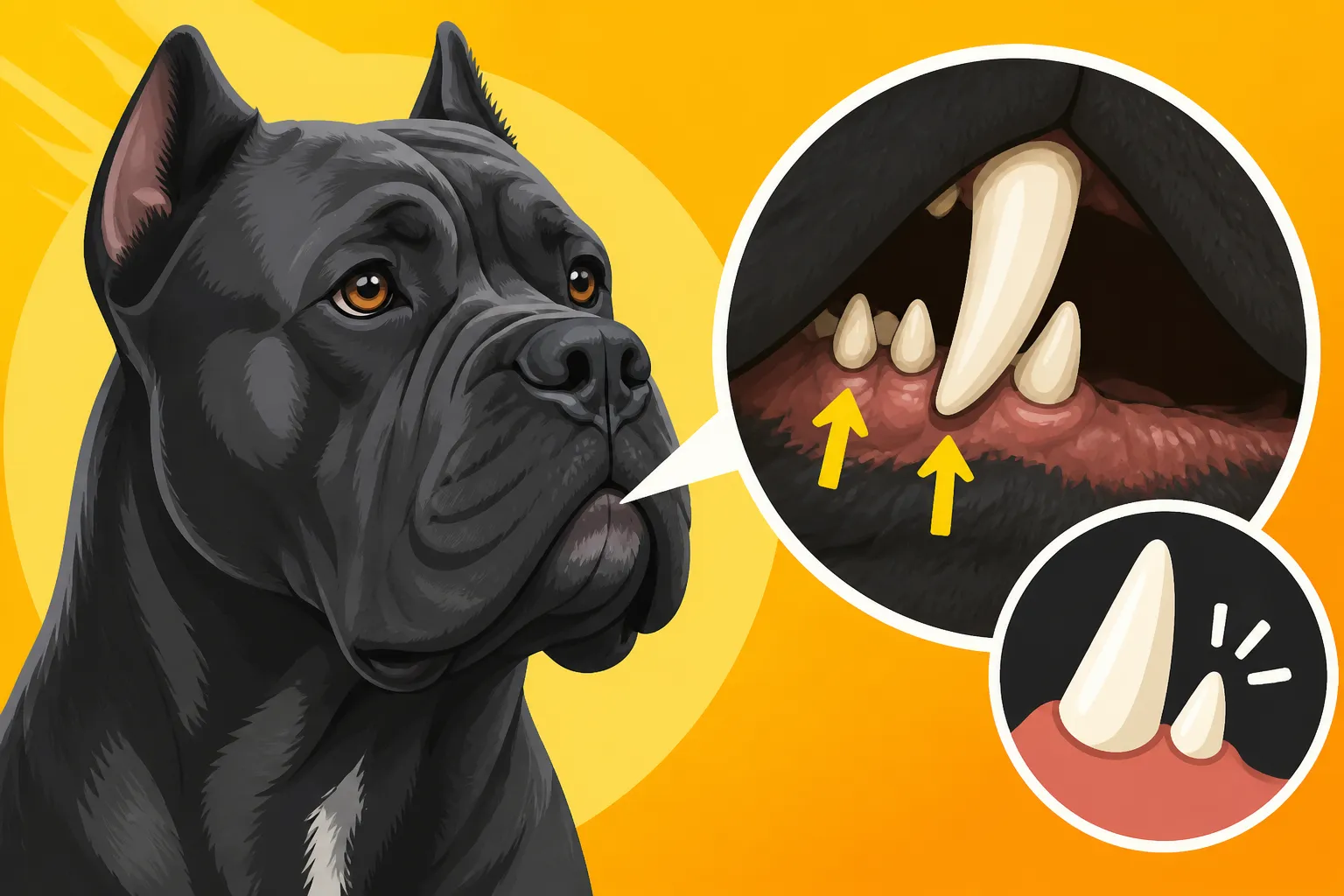
Retained Puppy Teeth Behind a Cane Corso’s Canines
It’s a moment every new Cane Corso puppy owner experiences: watching those tiny, needle-sharp puppy teeth fall out, eagerly anticipating the robust adult teeth that will fill that magnificent jaw. But sometimes, you peek into that adorable, growing mouth and see something unsettling – two teeth trying to occupy the same space, often right where those prominent canines should be. This isn't just an aesthetic concern; retained puppy teeth, especially the canines, can lead to serious oral health problems for your powerful companion. This guide will walk you through understanding why these stubborn baby teeth linger, the potential pitfalls they create for your Cane Corso, how to spot them, and what steps to take to ensure your dog maintains a healthy, pain-free mouth.
Understanding Retained Puppy Teeth in Cane Corsos
Retained puppy teeth, also known as persistent deciduous teeth, are exactly what they sound like: baby teeth that fail to fall out when their adult counterparts erupt. In a breed as large and strong-jawed as the Cane Corso, this issue can be particularly problematic, often leading to misaligned adult teeth and a host of other oral health complications. It’s not just a small-breed problem; while often associated with toy breeds, larger dogs can certainly experience it, and the consequences can be more significant due to their size and bite force.
The Normal Tooth Eruption Process
For a Cane Corso puppy, the journey from tiny nubs to a full set of impressive adult teeth is a rapid one. Puppies are born without visible teeth, but those sharp deciduous teeth start coming in around 3-4 weeks of age. By about 6-8 weeks, they usually have a full set of 28 puppy teeth. The exciting part, where the "tooth fairy" starts visiting (or rather, your vacuum cleaner finds tiny teeth), begins around 3-4 months old. The adult teeth gradually push out the baby teeth, with most dogs having their complete set of 42 permanent teeth by 6-7 months of age. This process is usually quite seamless, with the roots of the baby teeth naturally reabsorbing as the adult teeth grow in, allowing them to fall out easily.
However, sometimes this natural reabsorption doesn't happen completely, or the adult tooth doesn't push up in the correct position to displace the baby tooth effectively. When this occurs, the baby tooth remains firmly rooted. For a Cane Corso, whose immense jaw and powerful bite are defining characteristics, ensuring proper tooth alignment is crucial for their comfort, ability to chew, and overall health.
Why Canines Are Often the Culprits
While any puppy tooth can be retained, the canine teeth are frequently the ones that cause the most trouble in breeds like the Cane Corso. These are those long, pointed teeth that give a dog its characteristic "fang" appearance. There are several reasons why canines are more prone to retention:
- Deep Roots: Canine teeth have particularly long and strong roots compared to incisors or molars. If these roots don't reabsorb as they should, they can hold onto the jawbone stubbornly, preventing the adult tooth from taking its rightful place.
- Precise Alignment: The eruption path of the adult canine tooth is quite specific. If the adult tooth erupts even slightly off-kilter, it might not exert the necessary pressure on the baby tooth to dislodge it. Instead, it might emerge right next to the baby tooth, creating a crowded situation.
- Jaw Structure: In a powerful breed like the Cane Corso, the sheer size and density of the jawbone can sometimes contribute to these issues. While not unique to them, the consequences of misaligned canines can be more severe given their bite.
It's a common frustration for owners to discover these persistent canines. You've brought home this magnificent pup, carefully watched their growth, only to find this unexpected dental challenge. The Growth Curve a Cane Corso Follows to Nineteen Months is a good read to understand their development, but dental development sometimes has its own quirks.
The Risks and Consequences of Lingering Baby Teeth
Ignoring retained puppy teeth is never a good idea, especially in a Cane Corso. While it might seem like a minor issue initially, leaving these persistent teeth in place can lead to a cascade of painful and potentially expensive problems down the line. It's not just about a crooked smile; it’s about their health and comfort.
Crowding and Malocclusion
The most immediate and obvious problem caused by retained puppy teeth is dental crowding. When two teeth try to occupy the space meant for one, the adult tooth is forced to erupt in an abnormal position. This leads to malocclusion, or an improper bite. For a Cane Corso, this can manifest in several ways:
- Traumatic Bite: The most concerning issue is when an adult canine tooth, forced out of alignment by a retained baby tooth, bites into the soft tissues of the opposing jaw. For example, an adult lower canine might strike the roof of the mouth, causing painful punctures and chronic inflammation. This is incredibly uncomfortable for your dog and can even make eating difficult.
- Food Trapping: Crowded teeth create narrow spaces where food particles and debris can easily become trapped. These hard-to-clean areas become breeding grounds for bacteria, accelerating plaque and tartar buildup.
- Compromised Chewing: A proper bite is essential for a dog to effectively tear and grind food. Malocclusion can make chewing inefficient, leading to digestive issues or even reluctance to eat certain types of food.
It’s heartbreaking to think of your Cane Corso experiencing chronic pain from their own teeth. Keeping an eye on what your What a Cane Corso Puppy Eats Before Twelve Months can help you notice changes in their chewing habits.
Periodontal Disease and Decay
The crowding created by retained teeth is a prime setup for periodontal disease. When teeth are too close together, it's virtually impossible to clean the surfaces and the gum line effectively, even with the best dental hygiene practices at home.
- Plaque and Tartar Accumulation: Bacteria thrive in these sheltered, food-rich pockets. Plaque, a sticky film of bacteria, quickly hardens into tartar. Tartar then pushes against the gums, leading to inflammation (gingivitis).
- Gum Disease Progression: If left unchecked, gingivitis progresses to periodontitis, where the inflammation extends below the gum line, damaging the supporting structures of the tooth. This includes the bone and ligaments that hold the tooth in place.
- Pain and Tooth Loss: Periodontal disease is painful and can lead to receding gums, loose teeth, abscesses, and ultimately, premature tooth loss. The bacteria can also enter the bloodstream, potentially affecting vital organs like the heart and kidneys. This is a very real risk, and you can learn more about general dental health in Whether a Cane Corso's Teeth Build Tartar.
Imagine the discomfort of persistent gum inflammation and pain – it’s a silent suffering that your stoic Cane Corso might try to hide. Early intervention is key to preventing this.
Cysts and Other Complications
While less common, retained puppy teeth can also lead to more serious complications, such as dentigerous cysts. These cysts can form around an unerupted adult tooth, expanding and causing bone loss in the jaw. This is particularly concerning in a large, powerful jaw like that of a Cane Corso, as significant bone loss can weaken the structure and even predispose to fractures. Though rare, it's another reason why addressing retained teeth promptly is so important.
The takeaway here is clear: those seemingly innocent baby teeth are not harmless if they overstay their welcome. They pose a significant threat to your Cane Corso's oral health and overall well-being.
Spotting the Problem and When to Act
It can be intimidating to inspect the mouth of a growing Cane Corso puppy, especially as they get bigger and their jaws become more formidable. However, regular, gentle checks are crucial for catching retained puppy teeth early. The sooner you identify the issue, the simpler and less invasive the solution tends to be.
What to Look For During Home Checks
Making oral inspection a regular part of your puppy’s routine can make all the difference. Start early, making it a positive experience with treats and praise. Here’s what to keep an eye out for:
- "Double Teeth" Appearance: The most obvious sign is seeing two teeth occupying the same spot. This is especially noticeable with the canine teeth; you'll see a smaller, sharper puppy canine sitting directly in front of or behind the larger, wider adult canine. This usually happens between 4 to 6 months of age.
- Persistent Puppy Teeth: If your Cane Corso is past 6-7 months old and still has any baby teeth, particularly the canines or incisors, those are retained teeth. By this age, all deciduous teeth should have fallen out.
- Inflamed Gums or Redness: Look for any signs of gum irritation around the emerging adult teeth or the retained baby teeth. Red, swollen, or bleeding gums can indicate that food and bacteria are getting trapped, leading to gingivitis.
- Unusual Odor: A persistent bad breath (halitosis) in a young puppy can sometimes point to infection or severe plaque buildup around crowded teeth.
- Changes in Chewing or Eating Habits: While puppies are often energetic chewers, a sudden reluctance to chew on hard toys, favoritism of one side of the mouth, or dropping food could indicate oral discomfort.
Regularly checking your Cane Corso’s mouth should be part of their general health routine. You should be familiar with How Often a Healthy Cane Corso Sees the Vet and integrate these checks into your overall care schedule.
When to Consult Your Veterinarian
If you spot any of the signs above, it’s time to call your veterinarian. Don't wait, hoping the tooth will eventually fall out. The window for proper adult tooth alignment is surprisingly short, and the longer a retained tooth stays, the more likely it is to cause permanent damage.
- Around 4-5 Months Old: This is a critical time. If you see double canine teeth, or if any baby teeth are still present when their adult counterparts are starting to emerge, schedule an appointment. Early intervention often means a much less complicated procedure.
- Past 6-7 Months Old: If your Cane Corso still has any baby teeth by this age, regardless of whether an adult tooth is visible next to it, it absolutely needs veterinary attention. By now, all deciduous teeth should be gone.
- Signs of Pain or Infection: If your puppy is showing signs of pain, such as pawing at their mouth, reluctance to eat, or if you notice severe redness, swelling, or pus, seek veterinary care immediately.
Your vet will be able to perform a thorough oral exam, confirm the presence of retained teeth, and assess the potential impact on the adult dentition. They might take dental X-rays to check the roots of the retained teeth and the position of the adult teeth.
Navigating Treatment and Recovery
Once retained puppy teeth are identified, the most common and effective treatment is extraction. While this sounds daunting, especially for your large Cane Corso, it's a routine procedure that can save your dog from a lifetime of dental pain and complications.
The Veterinary Consultation and Diagnosis
Your initial vet visit will involve a comprehensive oral examination. The veterinarian will visually inspect your Cane Corso's mouth, checking each tooth, the gums, and the overall bite. They'll confirm which teeth are retained and assess the position of the adult teeth.
Often, dental X-rays are recommended or even necessary. These X-rays provide a clear picture of what's happening beneath the gum line. They'll show the length and health of the retained tooth's root, as well as the position and development of the adult tooth. This information is crucial for planning the extraction, ensuring all of the root is removed, and understanding the future alignment of the adult teeth. It helps your vet avoid leaving any root fragments behind, which can cause ongoing issues.
The Extraction Procedure
The extraction of retained puppy teeth is typically performed under general anesthesia. This allows the veterinarian to thoroughly examine the mouth, take detailed X-rays if not done already, and perform the extraction safely and painlessly.
- Anesthesia: For a powerful breed like the Cane Corso, safe anesthesia is paramount. Your vet will conduct pre-anesthetic blood work to ensure your dog is a good candidate for anesthesia, checking organ function. Anesthesia Charges on a Hundred Pound Cane Corso highlights that this is a significant part of the overall cost, but it's vital for safety.
- Extraction: The veterinarian will carefully extract the retained tooth. It's not just about pulling it out; it requires precise technique to ensure the entire root is removed without damaging the developing adult tooth or the surrounding jawbone. If a root fragment is left behind, it can lead to infection or chronic discomfort. Sometimes, the gum tissue needs to be carefully lifted to access the full root.
- Post-Extraction Care: After the tooth is removed, the extraction site might be sutured, especially if it was a larger tooth. Your vet will provide pain medication and possibly antibiotics to prevent infection. They’ll also give you detailed instructions for at-home care.
It's a relief to know that your Cane Corso is in skilled hands during this process, even if it feels nerve-wracking for you.
Post-Operative Care and Recovery
The recovery period after a retained tooth extraction is usually quite straightforward, but your careful attention is needed to ensure proper healing.
- Pain Management: Administer all prescribed pain medication exactly as directed. Your Cane Corso might be a bit subdued for the first day or two, but they should quickly bounce back.
- Dietary Adjustments: Your vet will likely recommend feeding soft food for a few days to a week to protect the extraction site. You can find many soft food options or even rehydratable choices on platforms like Chewy or Amazon, or consider fresh food brands like Ollie for palatability during recovery. Avoid hard kibble, bones, or chew toys until the site has healed.
- Monitoring the Site: Keep an eye on the extraction site for any signs of swelling, redness, discharge, or excessive bleeding. Mild oozing is normal initially, but anything concerning should prompt a call to your vet.
- Activity Restriction: Limit strenuous activity and rough play for a few days to prevent any trauma to the healing area.
- Follow-Up: A follow-up visit might be scheduled to check the healing and remove any sutures, if applicable.
By taking these steps, you're not just fixing a dental problem; you're setting your Cane Corso up for a lifetime of comfortable eating and overall oral health. The Dental Bill on a Cane Corso With Retained Teeth can be substantial, so prevention and early intervention are always the best course of action.
Preventing Future Dental Issues
While you can't always prevent retained puppy teeth, especially if it's due to a genetic predisposition or a slight deviation in tooth eruption, there are steps you can take to promote overall dental health in your Cane Corso and catch any issues early.
Regular Veterinary Check-ups and Oral Exams
Consistent veterinary care is your best defense against dental problems. Your Cane Corso should be seeing the vet regularly, especially during their puppy growth phase.
- Puppy Appointments: During routine puppy vaccinations and check-ups, your vet will typically perform a quick oral examination. Make sure to specifically ask them to check for retained teeth. The Shot Schedule Before a Cane Corso Puppy Goes Out is a critical period for these early exams.
- Annual Exams: As your Cane Corso matures, annual veterinary exams should always include a thorough dental check. Your vet can spot early signs of plaque, tartar, and other issues that you might miss.
- Professional Cleanings: Depending on your Cane Corso's individual needs, your vet might recommend professional dental cleanings under anesthesia every few years to maintain optimal oral hygiene and address any buildup.
Think of these regular visits as proactive health management. Catching issues early is always easier and less expensive than dealing with advanced disease.
At-Home Dental Care Practices
While professional cleanings are important, daily at-home dental care is your front line against plaque and tartar buildup. This is especially true for a breed like the Cane Corso, which can be prone to various health issues if not properly cared for.
- Toothbrushing: The gold standard of home dental care is brushing your dog’s teeth daily with a pet-specific toothbrush and toothpaste. Start early with your puppy to get them accustomed to it. Focus on the outside surfaces of the teeth, as this is where plaque tends to accumulate most.
- Dental Chews and Toys: Incorporate vet-approved dental chews and toys into their routine. These can help scrape away some plaque and stimulate gum health. Look for options designed for large, powerful chewers on platforms like Amazon or Chewy. Always supervise your Cane Corso with any chew to prevent choking or broken teeth.
- Water Additives: Some veterinarians recommend water additives that help reduce plaque buildup. These are often tasteless and can be a good supplementary measure.
- Diet: A high-quality diet plays a role in overall health, including dental health. While kibble alone won't clean teeth, a balanced diet supports strong teeth and gums. Some owners explore fresh food options like Ollie which can sometimes contribute to better oral health due to ingredients and texture, but consult your vet for nutritional advice tailored to your Cane Corso.
Remember, even with the best home care, a Cane Corso's powerful jaws and deep-set teeth can still harbor issues. Consistency is key, and it’s a marathon, not a sprint. How Much Walking a Cane Corso Puppy Should Do and Why a Cane Corso Puppy Needs Giant Breed Food are good articles to ensure you're setting up your pup for overall health from day one, and dental health is a big part of that.
Monitoring for Other Oral Health Concerns
Retained puppy teeth might be one specific issue, but a Cane Corso can face other dental challenges. Being vigilant for these can further protect your dog.
- Broken Teeth: Cane Corsos are powerful chewers. Monitor for any signs of chipped or broken teeth, which can expose the sensitive pulp and lead to pain and infection.
- Excessive Tartar Buildup: Keep an eye on how quickly tartar builds up, especially on the back molars. If it's rapid, discuss it with your vet.
- Gum Disease: Any redness, swelling, or bleeding of the gums should be investigated.
- Oral Masses: Periodically check for any unusual lumps or bumps in the mouth, on the gums, or on the tongue.
Ultimately, being a responsible Cane Corso owner means being attuned to every aspect of their health, and their oral hygiene is no exception. A healthy mouth contributes to a happy, long-lived companion.
Disclaimer
This article is for general informational purposes only and does not constitute professional advice. Laws, prices and regulations vary by location and change over time. Consult a qualified professional for guidance on your specific situation.