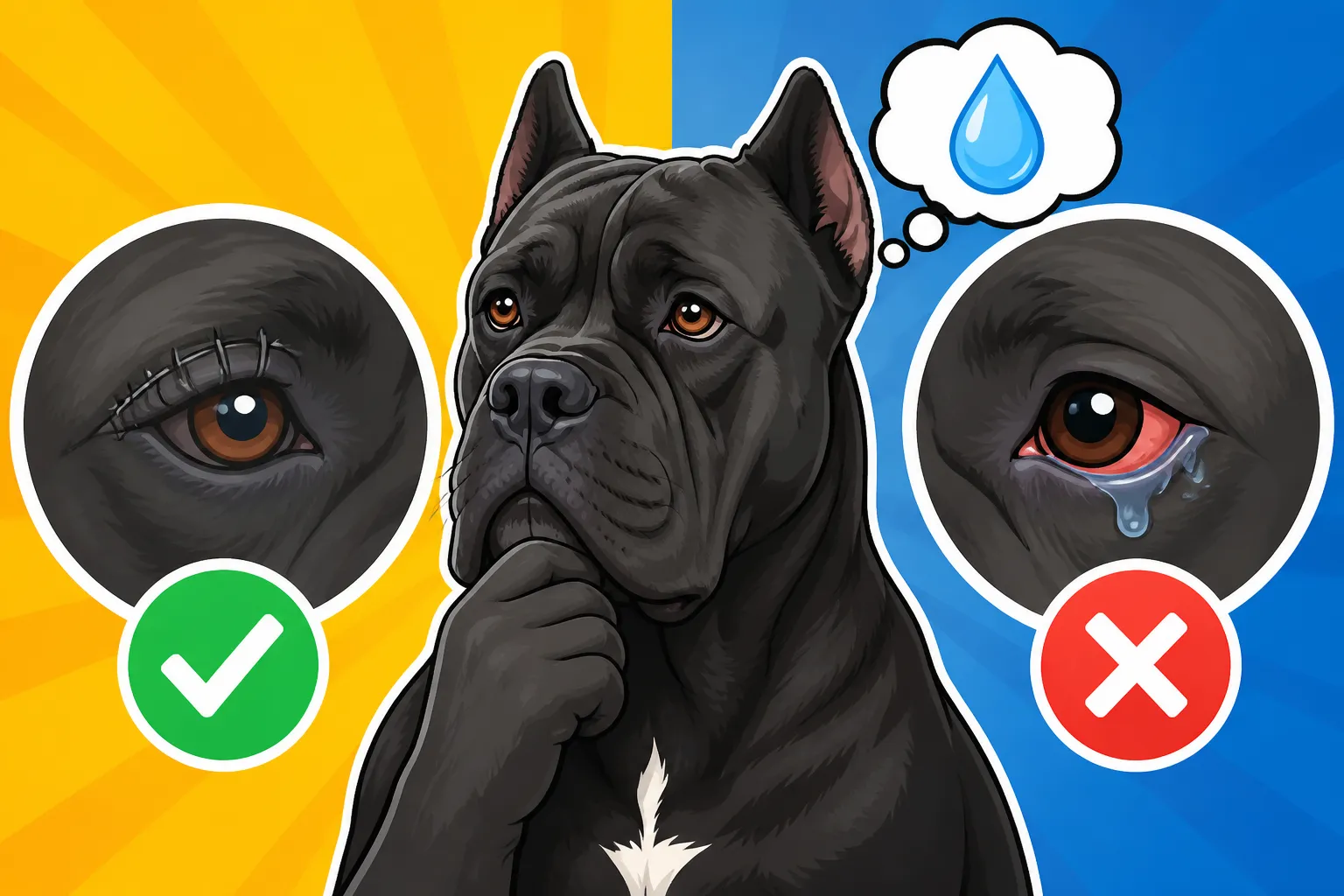
Whether a Cane Corso’s Repaired Lids Need Tear Drops
Bringing your Cane Corso home after eyelid surgery can be a mix of relief and anxiety. You've gotten through the procedure, but now you're wondering what the long-term care looks like. Many owners worry if eye drops are going to be a permanent fixture in their dog's daily routine, and whether those delicate, newly repaired eyelids will ever truly be "normal" again. This guide will walk you through the nuances of post-surgical eye care for your Cane Corso, helping you understand when and why tear drops might be needed, both short-term and for the long haul.
The Initial Healing Journey: Understanding Your Cane Corso's Eyelid Surgery
Eyelid surgery in a Cane Corso isn't just a cosmetic fix; it's a crucial procedure to restore comfort and prevent serious complications. Our big, beautiful Mastiff-type dogs, while magnificent, are unfortunately prone to certain conformational issues that can make their eyes a source of chronic pain and infection.
Why Eyelid Surgery Becomes Necessary for Cane Corsos
The most common reasons a Cane Corso might need eyelid surgery relate to structural abnormalities of the eyelids. We often see conditions like entropion, where the eyelid rolls inward, causing eyelashes and fur to rub painfully against the cornea. Imagine having a constant hair in your eye – that's what your dog experiences every single day. This constant irritation doesn't just hurt; it can lead to corneal ulcers, infections, and even vision impairment over time. You might have noticed your pup always squinting or tearing up. For more details on this, you can look into Entropion in a Cane Corso's Lower Lid.
Conversely, some Cane Corsos, especially those with particularly prominent eyes or very loose facial skin, can suffer from ectropion, where the eyelid rolls outward. While less irritating than entropion, an outwardly rolled lid exposes the delicate conjunctiva to environmental irritants, dust, and bacteria. This can lead to chronic dryness, inflammation, and recurring infections. It's a lose-lose situation either way, and surgery is often the only way to genuinely provide relief and protect their vision. Many Cane Corso owners learn about The Loose Eyelids Nearly Every Cane Corso Owner Meets early in their journey.
Immediate Post-Operative Eye Care Protocols
Immediately after surgery, your veterinarian will provide a very specific set of instructions for your Cane Corso's recovery. This isn't just about keeping the area clean; it's about supporting the healing process and minimizing discomfort. You'll likely be sent home with a combination of oral medications and topical eye treatments. The oral medications typically include pain relief to keep your dog comfortable and possibly antibiotics to prevent infection. An Elizabethan collar (the "cone of shame") is almost certainly going to be part of the package to stop your Cane Corso from rubbing or scratching at the surgical site, which could tear sutures or introduce bacteria.
For topical treatment, you'll probably have a prescribed antibiotic eye ointment or drops to apply several times a day. These are critical in the first week or two to prevent infection in the healing tissue and to reduce inflammation. Your vet might also give you anti-inflammatory drops. During this initial phase, these prescribed drops are not primarily for lubrication, but for medicinal purposes. They are a temporary, targeted treatment designed to get your dog through the critical healing period. It’s a bit of a juggling act, making sure your big dog tolerates the drops and the cone, but it's essential for a successful outcome.
Decoding the Need for Tear Drops After Eyelid Repair
The question of whether tear drops become a permanent part of your Cane Corso's life post-surgery is a valid one, and the answer often depends on the individual dog and the specific issues at play. It's not always a clear-cut "yes" or "no."
When Tear Drops Are a Temporary Measure
For many Cane Corsos, once the initial surgical site has healed and all the prescribed medications have run their course, ongoing tear drops aren't necessary. If the surgery successfully corrected the anatomical defect (like entropion or ectropion) and the eye is producing sufficient natural tears, then lubrication might only be needed intermittently, if at all. For example, if your Cane Corso only had a minor correction, or if their tear production was healthy to begin with, the problem was purely mechanical. Once that mechanical issue is resolved, their eyes can function normally again.
Think of it like fixing a leaky faucet. Once the faulty washer is replaced, you don't keep putting a bucket under it. Similarly, if the eyelid is now positioned correctly, preventing irritation and allowing the natural tear film to do its job, then artificial tears may no longer be a daily requirement. However, even in these cases, it's wise to keep some lubricating drops on hand for dusty days, long car rides with the windows down, or any temporary irritation, just as a human might use them occasionally.
The Potential for Chronic Dry Eye: A Long-Term Reality for Some
Unfortunately, for some Cane Corsos, even after successful eyelid surgery, the need for tear drops can become a long-term reality. This is particularly true if the eye was subjected to prolonged irritation before surgery, or if there's an underlying condition affecting tear production. One of the common complications or co-existing issues can be KCS (Keratoconjunctivitis Sicca), more commonly known as dry eye. This is when the eye doesn't produce enough natural tears to keep the surface moist and healthy. For more insight into related issues, you might want to read How Loose Lids Give a Cane Corso Chronic Eye Infections.
Here’s where it gets a bit complex:
- Pre-existing Dry Eye: Sometimes, a Cane Corso might have had low tear production before the eyelid issue developed. The chronic irritation from entropion could have masked the dry eye, or even exacerbated it. After the surgery removes the physical irritation, the underlying tear deficiency becomes more apparent.
- Secondary Dry Eye: In rare cases, the surgical trauma itself, or subsequent scarring, could potentially affect the delicate tear glands. While good surgical technique aims to avoid this, it's a possibility.
- Breed Predisposition: While not as common as in some other breeds, Cane Corsos can still develop dry eye independently. If your dog falls into this category, surgery fixes the lid, but doesn't address the tear production problem. This is exactly what we discuss in Dry Eye in a Cane Corso After Lid Surgery.
In these scenarios, daily artificial tear application is vital to keep the eye lubricated, prevent secondary infections, and maintain corneal health. Without adequate lubrication, the eye remains susceptible to irritation, inflammation, and potential damage, even with perfectly positioned eyelids. It’s a daily commitment, but one that significantly improves your dog's quality of life.
| Factor | Short-Term Tear Drop Need | Long-Term Tear Drop Need (Chronic) |
|---|---|---|
| Purpose | Medication/Infection Prevention | Lubrication/Moisture Maintenance |
| Duration | 1-3 weeks post-op | Potentially for life |
| Primary Cause | Surgical healing process | Underlying tear deficiency (KCS) |
| Symptoms if Untreated | Infection, swelling | Chronic irritation, ulcers, vision loss |
| Type of Drops | Antibiotic, anti-inflammatory | Artificial tears, tear stimulants |
| Veterinarian Role | Prescribes specific medications | Diagnoses KCS, recommends long-term care |
Living with Repaired Lids: Long-Term Eye Health Management
For those Cane Corsos that do require ongoing tear support, or even for those who don't, proactive eye care remains crucial. You're now an expert in your dog's eyes, and that vigilance is their best defense.
Recognizing the Subtle Signs of Ongoing Ocular Discomfort
Even with perfectly repaired eyelids and diligent tear drop application, it's important to be a keen observer of your Cane Corso's eye health. They can't tell you if their eyes feel dry or irritated, so it's up to us to spot the signs. Look out for:
- Excessive Blinking or Squinting: This is often the first indication of discomfort.
- Redness or Inflammation: The whites of the eyes (sclera) or the pink lining of the eyelids (conjunctiva) might appear redder than usual.
- Discharge: While some discharge is normal, excessive watery discharge, thick mucus, or pus-like discharge is a red flag. You might notice Why a Cane Corso's Eyes Run All Day.
- Paw Rubbing or Face Wiping: Your dog might frequently rub their face against furniture or paw at their eyes, indicating itchiness or irritation.
- Cloudiness or Film Over the Eye: This can indicate corneal damage or severe dryness.
- Changes in Behavior: Lethargy, decreased appetite, or reluctance to play could all be secondary signs of discomfort.
If you notice any of these symptoms, it's always best to contact your vet. Early intervention can prevent minor issues from becoming major problems.
Selecting the Right Tear Support Products for Your Cane Corso
If your vet confirms that your Cane Corso needs long-term tear support, they will recommend specific products. These are typically artificial tears, which are over-the-counter lubricating eye drops designed to mimic natural tears. They come in various formulations – some are thinner and provide quick relief, while others are thicker gels or ointments that offer longer-lasting lubrication.
When choosing products, consider:
- Ingredients: Look for sterile, preservative-free options if your dog has very sensitive eyes, though many standard formulations are well-tolerated. Ingredients like hyaluronic acid or carbomer gels can provide excellent moisture retention.
- Consistency: Thinner drops are easier to apply but might need more frequent application. Gels and ointments last longer but can temporarily blur vision, so many owners prefer applying them at night.
- Veterinary Recommendation: Always start with what your vet suggests. They know your dog's specific condition best.
You'll find many suitable artificial tear options at your local pet supply store or through online retailers like Chewy and Amazon, offering convenience for recurring purchases. It's often a process of trial and error to find the brand and consistency that works best for your individual Cane Corso. When stocking up on these supplies, many owners find convenience in ordering from large pet supply stores online, such as Chewy, which often have a broad selection and deliver right to your door. For specific needs, sometimes even a human-grade product recommended by your vet can be purchased through Amazon.
Proactive Measures to Maintain Optimal Eye Health
Beyond specific drops, there are several general practices that can help maintain your Cane Corso's eye health after lid repair:
- Regular Cleaning: Gently wipe around your dog's eyes daily with a soft, damp cloth to remove any debris or discharge. This is particularly important for breeds like the Cane Corso where tear staining or discharge can accumulate.
- Avoid Irritants: Protect your dog's eyes from harsh winds, dust, smoke, and chemicals. If your Cane Corso enjoys car rides, consider dog goggles to shield their eyes from the wind.
- Humid Environment: If you live in a very dry climate, a humidifier in your home can sometimes help.
- Routine Vet Checks: Regular veterinary check-ups, including eye exams, are paramount. Your vet can monitor tear production and eye health, catching any new issues early. Don't forget The Yearly Eye Exam a Breeding Cane Corso Needs which is critical for all Cane Corsos, regardless of breeding status.
- Balanced Diet: Ensure your Cane Corso is on a high-quality, balanced diet. While no food will replace eye drops, overall health supports all bodily functions, including healthy tear production.
- Mindful Grooming: When grooming your Cane Corso, be cautious around their eyes. Keep fur trimmed away from the eye area if applicable (though less common for a short-coated Cane Corso) and use dog-specific, tearless shampoos for bathing. For older dogs, even simple things like Eye Care for a Cane Corso Whose Lids Have Dropped become a more regular part of the routine.
Ultimately, whether your Cane Corso needs tear drops after eyelid surgery is a question that unfolds over time and is best answered in partnership with your veterinarian. Some dogs will bounce back with no need for ongoing support, while others will benefit immensely from a daily lubrication routine. The key is vigilance, consistent care, and maintaining open communication with your vet to ensure your beloved Cane Corso enjoys comfortable, healthy eyes for years to come.
Disclaimer
This article is for general informational purposes only and does not constitute professional advice. Laws, prices and regulations vary by location and change over time. Consult a qualified professional for guidance on your specific situation.