The Loose Eyelids Nearly Every Cane Corso Owner Meets
It's incredibly disheartening when you see your majestic Cane Corso constantly dealing with watery, irritated eyes, often due to those frustrating loose eyelids. Many owners feel a pang of worry and even guilt, wondering if their beloved dog is in pain or if there's anything truly effective that can be done. This comprehensive guide is here to walk you through everything you need to know about the common eyelid issues in Cane Corsos, from understanding their causes to exploring practical solutions and long-term care, so you can help your Corso find comfort and clearer vision.
Understanding the Anatomy of a Cane Corso's Eyelids
When you look at a Cane Corso, their strong, powerful build immediately stands out. But it's often their expressive eyes that truly capture your heart. Unfortunately, the very features that contribute to their unique appearance can also predispose them to a range of eyelid problems. To understand why these issues are so common, it helps to first grasp what a healthy Cane Corso eyelid should look like and how subtle deviations can cause significant trouble.
The Breed Standard and Eyelid Conformation
The official breed standard for the Cane Corso, as recognized by organizations like the American Kennel Club (AKC), describes the ideal eye and eyelid structure. Typically, the eyes should be medium-sized, oval, and set fairly forward, with a slight almond shape. Critically, the eyelids should be tight-fitting, meaning they hug the eyeball closely, without excessive looseness or sag. The third eyelid, often called the nictitating membrane, should be barely visible. This snug fit is essential because it acts as a natural protective barrier, sweeping away debris and distributing tears evenly across the eye's surface. A well-conformed eyelid minimizes exposure to irritants and keeps the delicate structures of the eye moist and healthy. When these standards aren't met, due to genetic factors or exaggerated features, problems are almost guaranteed to arise.
Why Loose Lids Are So Common in Cane Corsos
Despite the breed standard's call for tight eyelids, many Cane Corsos exhibit varying degrees of looseness, often stemming from their broader head shape and the amount of skin around their eyes. This isn't just an aesthetic concern; it's a significant health predisposition. Unlike some other mastiff breeds where extreme droopiness is part of their characteristic look, for the Cane Corso, it's considered a conformational fault that leads directly to medical problems. The skin around their eyes can be more redundant than ideal, causing the lids to either roll inward (entropion) or sag outward (ectropion). This laxity can also affect the gland of the third eyelid, causing it to prolapse and become what's commonly known as "cherry eye." These issues are often inherited, meaning if a parent dog has them, their puppies are at a much higher risk. It’s a classic example of how selective breeding, sometimes prioritizing certain aesthetics over functional health, can inadvertently introduce challenges into a breed.
Recognizing the Different Types of Loose Eyelid Issues
Loose eyelids aren't just one problem; they manifest in several distinct ways, each with its own set of symptoms and potential complications. It's crucial for Cane Corso owners to be able to identify these specific conditions because early recognition can make a significant difference in treatment outcomes and preventing long-term damage to your dog's eyes. From subtle irritations to obvious physical changes, knowing what to look for is your first line of defense.
Entropion: When the Eyelid Rolls Inward
Entropion is perhaps one of the most painful and damaging eyelid conditions a Cane Corso can face. It occurs when a portion of the eyelid, usually the lower lid, rolls inward towards the eyeball. Imagine having your eyelashes constantly rubbing against your eye – that's what your Cane Corso experiences. This inward rolling causes the hairs on the eyelid to continuously abrade the delicate surface of the cornea and conjunctiva. The constant irritation leads to excessive tearing, squinting, and chronic discomfort. You might notice your dog frequently rubbing their eyes or trying to blink away the foreign sensation.
Over time, this persistent rubbing can cause serious corneal ulcers, scarring, and even lead to vision impairment if left unaddressed. It's not uncommon to see a young Cane Corso puppy showing signs of entropion even before they reach their full adult size. This is particularly concerning because the damage starts accumulating early. Early intervention is key to preventing irreversible harm and alleviating their discomfort. If you suspect your Cane Corso has this, it's important to schedule a visit with your vet sooner rather than later. For more specific details, you can read up on the nuances of Entropion in a Cane Corso's Lower Lid.
Ectropion: The Droopy, Outward-Turning Lid
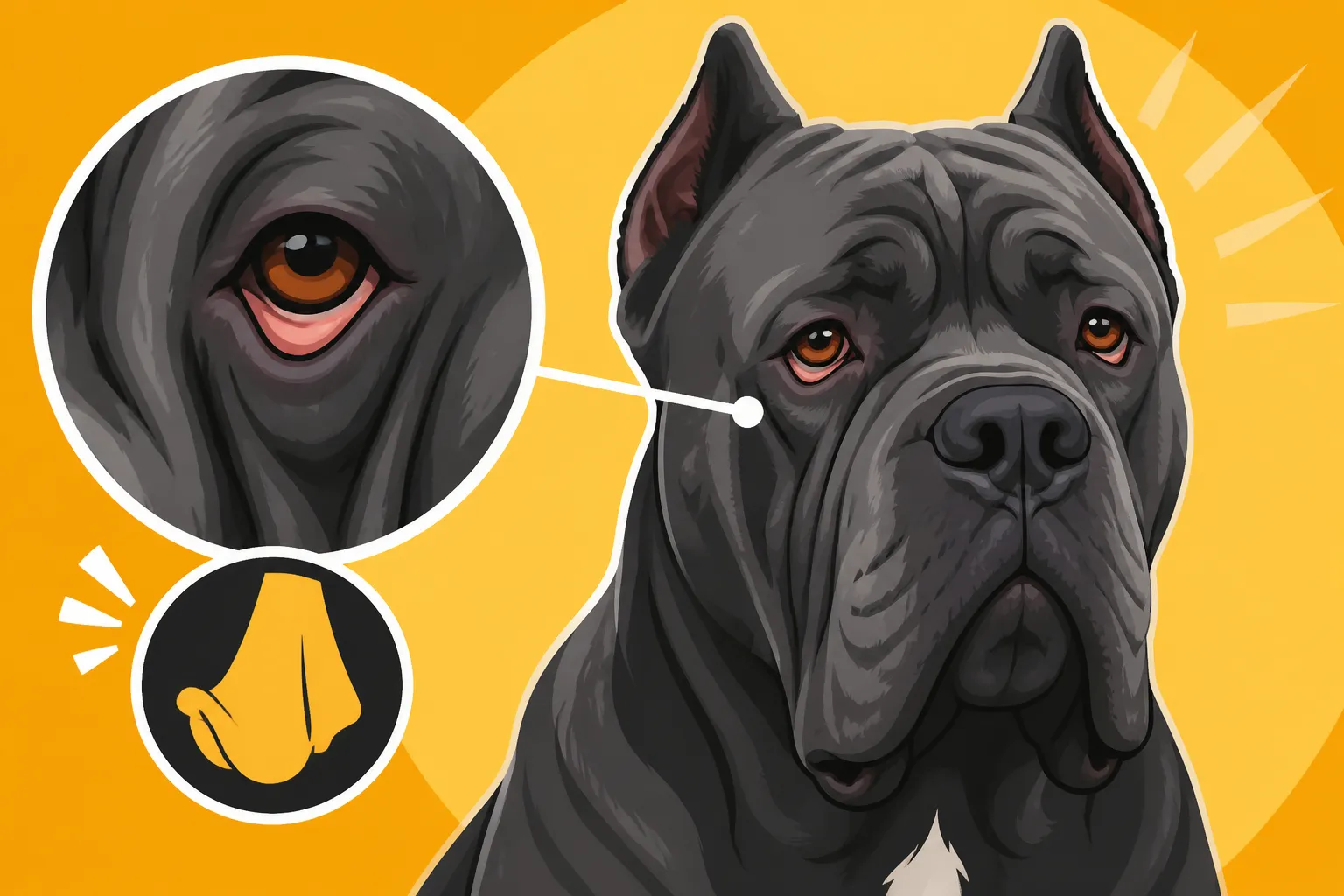
In stark contrast to entropion, ectropion is characterized by an outward rolling or sagging of the eyelid, exposing the delicate conjunctiva that normally lines the inside of the lid. Instead of rubbing against the eye, the lid hangs loosely, creating a "droopy" appearance. This is often what people imagine when they think of "loose eyelids." While ectropion might not be as immediately painful as entropion, it's far from harmless. The exposed conjunctiva becomes vulnerable to drying out, dust, debris, and bacterial infections. It acts like a little pocket that collects irritants, leading to chronic inflammation, redness, and discharge.
You'll often see dogs with ectropion having perpetually red, irritated lower eyelids and a constant discharge, which can range from clear to thick and purulent if an infection sets in. The constant exposure and lack of proper protection can also contribute to dry eye syndrome, as tears evaporate more quickly from the exposed surface. While some breeds are supposed to have a degree of ectropion, for a Cane Corso, it generally indicates a conformational fault that compromises eye health. It's one of the reasons that some owners feel like their Cane Corso’s eyes are always just a little bit too wet. Understanding the specifics of The Sagging Lower Lid on a Cane Corso can provide further insight into this particular issue.
Cherry Eye: Prolapsed Gland of the Third Eyelid
Cherry eye is a distinct condition but is also often associated with generalized eyelid laxity in breeds like the Cane Corso. Unlike entropion or ectropion which affect the upper and lower eyelids, cherry eye involves the third eyelid, or nictitating membrane, located in the inner corner of the eye. This third eyelid contains a tear-producing gland, which, for reasons not always fully understood but often linked to weak connective tissue, can prolapse or pop out of its normal position. When this happens, it appears as a small, red, fleshy mass – resembling a cherry – in the corner of the dog's eye.
While it usually isn't acutely painful, the prolapsed gland can become inflamed, irritated, and further exposed to environmental elements. It can interfere with tear production and distribution, potentially leading to dry eye, and it certainly looks alarming to owners. It's a condition that often requires surgical correction to reposition the gland and prevent further complications, as simply pushing it back in usually doesn't work long-term. This condition tends to appear in puppies, and can be quite distressing to see for the first time. Delving into The Cherry Eye a Cane Corso Puppy Shows at Four Months can give you more context on when and how this often presents.
The Health Consequences of Loose Eyelids
Ignoring loose eyelid issues in your Cane Corso isn't an option, as they inevitably lead to a cascade of secondary health problems. These aren't just cosmetic flaws; they are gateways to chronic discomfort, potential vision loss, and ongoing veterinary expenses. Understanding the repercussions is crucial for motivating timely intervention and ensuring your dog lives a comfortable, healthy life.
Chronic Eye Infections and Irritation
One of the most immediate and common consequences of loose eyelids is a propensity for chronic eye infections and irritation. When the eyelids don't sit correctly, they fail to provide the protection and proper tear distribution that the eye needs. In cases of entropion, the constant rubbing of eyelid hairs against the cornea creates microscopic abrasions, making the eye a perfect breeding ground for bacteria. Each tiny scratch compromises the eye's natural defenses, leading to recurrent bacterial conjunctivitis – red, swollen eyes with pus-like discharge.
With ectropion, the exposed conjunctiva becomes dry and vulnerable. It can accumulate dust, pollen, and other environmental irritants, which in turn attract bacteria. The lack of proper lid closure means tears don't spread effectively, washing away fewer pathogens. This leads to persistent inflammation, redness, and a sticky discharge. Owners often find themselves in a cycle of vet visits, antibiotics, and anti-inflammatory drops, only for the infection to return once the medication stops, because the underlying anatomical issue remains. The constant irritation is not only uncomfortable but can escalate into more serious ocular conditions. It’s a frustrating cycle, and you’ll notice that How Loose Lids Give a Cane Corso Chronic Eye Infections explains this exact predicament in detail.
Corneal Damage and Vision Impairment
Beyond mere irritation and infection, the long-term presence of entropion poses a severe threat to your Cane Corso's vision. The continuous mechanical abrasion from inward-rolling eyelids and eyelashes directly damages the cornea – the clear, outermost layer of the eye. This can start with superficial corneal erosions, which are essentially small scrapes. If left untreated, these can progress to deeper and more painful corneal ulcers. Ulcers are not only excruciating but can become infected, potentially leading to corneal perforations and even rupture of the eyeball in severe cases.
Even without acute rupture, chronic inflammation and repeated injury can result in corneal scarring, pigmentation (melanosis), or vascularization (blood vessel growth into the cornea). These changes, particularly scarring and pigmentation, can significantly impair vision, making the world a blur for your Cane Corso. In some cases, severe, untreated entropion can lead to permanent blindness in the affected eye. Ectropion, while less likely to cause direct abrasive damage, can contribute to chronic dry eye and exposure keratitis (inflammation of the cornea due to exposure), which also carries risks of corneal changes and vision compromise over time.
Persistent Tearing and Tear Stains
One of the most noticeable, if less severe, consequences of loose eyelids in Cane Corsos is persistent tearing, often accompanied by unsightly tear stains. This happens for a couple of reasons. In both entropion and ectropion, the abnormal eyelid conformation can impede the natural drainage of tears through the tear ducts. Tears produced by the eye simply don't have a clear path to drain, so they overflow onto the face.
Secondly, chronic irritation from hair rubbing against the cornea (entropion) or constant exposure to irritants (ectropion) stimulates excessive tear production as the eye tries to flush out the discomfort. This overproduction overwhelms the drainage system, leading to even more overflow. The constant moisture around the eyes creates a breeding ground for yeast and bacteria, which can cause reddish-brown discoloration of the fur, especially noticeable on lighter-colored Cane Corsos. This isn't just a cosmetic issue; the perpetually damp skin can become irritated, leading to skin infections or a yeast-like smell. It’s a tell-tale sign that something isn’t quite right with their eye health. It’s worth exploring Why a Cane Corso's Eyes Run All Day for a deeper understanding of this common complaint.
Diagnosis and Early Intervention
When you notice any of the tell-tale signs of loose eyelids or eye irritation in your Cane Corso, it's natural to feel concerned. The good news is that these conditions are highly treatable, but successful outcomes often hinge on timely diagnosis and early intervention. Waiting too long can lead to irreversible damage and prolonged discomfort for your dog. Knowing when to act and what to expect during a veterinary examination is vital for every Cane Corso owner.
When to Consult Your Veterinarian
The moment you observe anything unusual with your Cane Corso's eyes, it's time to call your vet. Don't adopt a "wait and see" approach, especially with conditions like entropion, where ongoing corneal damage can quickly escalate. Look for symptoms such as excessive tearing or weeping from the eyes, frequent squinting or blinking, rubbing at their face, redness or swelling around the eyelids, any discharge (clear, whitish, or colored), or the visible inward rolling or outward sagging of the eyelids. If you spot a red, fleshy mass in the corner of their eye, resembling a "cherry," that's an immediate sign of concern requiring veterinary attention.
Puppies are particularly susceptible and may show signs as early as a few months old. Their rapidly growing bodies mean that subtle conformational flaws can quickly become pronounced. Even if the symptoms seem mild, it’s always better to err on the side of caution. A quick visit can either reassure you or lead to an early diagnosis, which is crucial for preventing more severe complications down the line. Remember, your Cane Corso relies on you to notice these things and advocate for their health.
Diagnostic Procedures for Eyelid Issues
When you bring your Cane Corso to the vet with suspected eyelid issues, the veterinarian will perform a thorough ophthalmic examination. This usually starts with a general observation of your dog's eyes and facial structure, assessing how the eyelids sit naturally. They'll then typically use an ophthalmoscope to carefully examine the cornea, conjunctiva, and other structures of the eye.
For suspected entropion, the vet will confirm the inward rolling of the lid margin and look for signs of corneal irritation or damage. They might perform a fluorescein stain test, which involves applying a special orange dye to the eye. If there's any corneal abrasion or ulceration, the dye will adhere to the damaged area and glow bright green under a blue light, revealing the extent of the injury. For ectropion, the vet will assess the degree of outward sag and examine the exposed conjunctiva for inflammation or signs of dryness. In the case of cherry eye, the diagnosis is usually straightforward due to the obvious visual presence of the prolapsed gland. Your vet may also assess tear production using a Schirmer tear test if dry eye is suspected as a secondary complication. Sometimes, if the case is complex or requires specialist surgery, your vet might recommend a referral to a veterinary ophthalmologist for more advanced diagnostics and treatment planning.
Treatment Options for Cane Corso Eyelid Problems
Once your Cane Corso has been diagnosed with an eyelid issue, the focus shifts to treatment. While some minor cases might be managed conservatively, the reality for many Cane Corsos, especially those with significant entropion or cherry eye, is that surgical intervention offers the most effective and often the only long-term solution. Understanding the various approaches will help you make informed decisions with your veterinarian.
Non-Surgical Management and Palliative Care
For very mild cases of ectropion where irritation is minimal, or for temporary relief in young puppies with entropion who may outgrow the condition, non-surgical management might be considered. This typically involves using lubricating eye drops or ointments to keep the eye moist and reduce irritation. Topical antibiotic drops might be prescribed to treat any secondary infections that arise. Anti-inflammatory drops can help reduce redness and swelling.
In young puppies with entropion, sometimes a temporary tacking stitch (everting sutures) can be placed to roll the eyelid outward. This often doesn't last, but it provides relief until the puppy grows, and sometimes, as their head develops, the issue resolves on its own. However, this is usually a temporary measure and isn't a permanent fix for adult dogs or severe cases. It's crucial to understand that non-surgical approaches are largely palliative – they manage symptoms but do not correct the underlying anatomical problem. For persistent or recurrent issues, surgery remains the gold standard. While it might seem daunting, it often provides the most lasting comfort.
Surgical Correction for Entropion and Ectropion
For most Cane Corsos suffering from entropion or significant ectropion, surgical correction is the recommended course of action. These procedures, collectively known as blepharoplasty, aim to reshape the eyelids to restore proper function and protect the eye.
- For Entropion: The most common surgical technique is the Hotz-Celsus procedure. This involves removing a small, crescent-shaped piece of skin and muscle from the eyelid, just below the lash line, and then suturing the remaining skin together. This effectively tightens the eyelid and rolls the margin outward, away from the eyeball. The amount of tissue removed is carefully calculated to achieve the desired correction without over-correcting. In some complex cases, multiple procedures or specialized techniques might be needed. The goal is a functional, comfortable eyelid that no longer irritates the cornea. Many owners wonder The Age a Cane Corso's Entropion Gets Repaired and generally, it's done once they are somewhat mature, but can be done earlier if the damage is severe.
- For Ectropion: Surgery typically involves removing a wedge of tissue from the outer corner of the eyelid, shortening the lid, and then suturing it closed to tighten the lower lid and prevent it from sagging. Similar to entropion surgery, precision is key to avoid over or under-correction.
Both surgeries are performed under general anesthesia by a skilled veterinarian or a veterinary ophthalmologist. The success rate is generally high, especially when performed by an experienced surgeon. While surgery can seem like a big step, it provides immense relief and prevents long-term damage, significantly improving your Cane Corso's quality of life.
Addressing Cherry Eye with Surgical Tacking
When it comes to cherry eye, surgical correction is almost always recommended to prevent chronic irritation, inflammation, and potential dry eye later in life. The primary goal of cherry eye surgery is not to remove the gland (as this drastically increases the risk of dry eye), but rather to reposition and secure it back into its normal anatomical position behind the third eyelid.
The most common and effective technique is the "pocket technique" or imbrication technique, where the prolapsed gland is tucked back into a pocket created on the inner surface of the third eyelid, then secured with sutures. This method has a high success rate in restoring the gland's function and cosmetic appearance. While less common, there can be instances where the gland prolapses again, necessitating a second surgery. In very rare and severe cases where the gland is severely damaged or unresponsive to surgical tacking, removal might be considered as a last resort, but this significantly increases the dog's lifelong risk of KCS (Keratoconjunctivitis Sicca), or dry eye, which then requires lifelong daily medication. For this reason, preservation of the gland is always the priority.
Post-Surgical Care and Long-Term Management
Successfully navigating eyelid surgery for your Cane Corso is just the first step. The recovery period and ongoing care are equally crucial for ensuring a positive outcome and preventing recurrence. As a Cane Corso owner, your dedication during this phase will directly impact your dog's comfort, healing, and long-term eye health.
Managing Recovery After Eyelid Surgery
After eyelid surgery, your Cane Corso will need diligent care to ensure proper healing. The immediate post-operative period will involve keeping your dog calm and restricting their activity. Excessive head shaking, rubbing, or rough play can compromise the delicate sutures. An Elizabethan collar (e-collar or "cone") will be absolutely essential to prevent your dog from scratching or rubbing their eyes, which could pull out stitches or introduce infection. This cone might be a nuisance for your large dog, but it's non-negotiable for successful healing.
You'll likely be sent home with pain medication to keep your Corso comfortable, as well as oral antibiotics and topical eye drops or ointments to prevent infection and reduce inflammation. Administering these medications precisely as prescribed is critical. You'll also need to monitor the incision sites for any signs of swelling, excessive redness, discharge, or if any stitches appear loose or missing. Your vet will schedule follow-up appointments, usually within 10-14 days, to remove sutures and assess the healing process. During this time, keep their bedding clean and soft, and try to keep their environment calm and stress-free.
Preventing Recurrence and Monitoring for Complications
While eyelid surgeries for entropion and ectropion generally have good success rates, there's always a slight possibility of recurrence, especially in breeds prone to these conditions like the Cane Corso. This might involve a partial return of the inward or outward roll, or even the need for a second "tuck" if the initial correction was insufficient or if further tissue laxity develops over time. It's particularly important to note that Whether a Cane Corso's Entropion Returns After Surgery can depend on various factors, including the severity of the initial condition and the surgeon's technique.
For cherry eye, while surgical tacking is effective, a small percentage of cases can experience a re-prolapse of the gland. This usually means another surgery is needed. Beyond recurrence, other potential complications include infection, excessive scarring, or, rarely, over-correction where the lid is pulled too tight or too loose in the opposite direction. Long-term, you should continue to regularly inspect your Cane Corso's eyes for any signs of irritation, excessive tearing, redness, or changes in lid position. Promptly addressing any concerns with your vet can catch potential issues before they become serious.
Daily Eye Care on a Cane Corso's Loose Lids
Even after successful surgery, or if your Cane Corso only has mild eyelid laxity that doesn't warrant immediate surgery, daily eye care becomes a vital part of their routine. This consistent attention can help manage discomfort, prevent infections, and keep their eyes as healthy as possible.
One of the most important aspects is regular cleaning. Use a soft, damp cloth or sterile eye wipes specifically designed for dogs to gently clean around their eyes, removing any accumulated discharge, dust, or debris. This is particularly crucial for Cane Corsos with ectropion, where debris can easily collect in the exposed conjunctival sac. If your Corso is prone to tear staining, diligent cleaning can also help minimize this discoloration. For lighter-colored dogs, this means preventing that reddish-brown yeast growth that can also cause skin irritation.
Depending on your vet's recommendation, you might also use daily lubricating eye drops to keep the eyes moist, especially if there's any dryness or persistent irritation. Always ensure you use veterinary-approved products, as human eye drops can contain ingredients harmful to dogs. Make it a positive experience by associating eye cleaning with treats and praise, so your Cane Corso learns to tolerate and even enjoy the routine. Consistent attention to Daily Eye Care on a Cane Corso's Loose Lids can make a world of difference for their comfort.
Choosing a Reputable Breeder and Genetic Considerations
When it comes to breed-specific health issues like loose eyelids in Cane Corsos, prevention truly is the best medicine. For prospective owners, this means doing your homework and choosing a reputable breeder who prioritizes health and screens their breeding stock for conformational flaws. Understanding the genetic component of these conditions is crucial for making responsible choices.
Screening Parents for Eyelid Conformation
A responsible Cane Corso breeder will go to great lengths to ensure their breeding dogs are free from inheritable health conditions, and this absolutely includes proper eyelid conformation. They should be able to show you documentation of their breeding dogs' health clearances, which often include eye certifications. While there isn't a specific "loose eyelid" test, veterinarians and ophthalmologists can visually assess the eyelids and note any tendencies towards entropion, ectropion, or cherry eye.
Breeders committed to the long-term health of the breed will select against dogs with pronounced eyelid laxity. They understand that breeding two dogs with loose eyelids significantly increases the chances of their puppies inheriting the same problems. When you visit a breeder, observe the parents of the puppies – do their eyelids fit tightly? Are their eyes clear and free of discharge? Don't be shy about asking direct questions about eye health in their lines. A good breeder will be transparent and proud to discuss the health testing they conduct. You should also inquire about The Yearly Eye Exam a Breeding Cane Corso Needs for a complete picture of their practices.
Understanding Genetic Predisposition
It's widely accepted that conditions like entropion, ectropion, and cherry eye have a strong genetic component in Cane Corsos and other breeds. While the exact mode of inheritance can be complex, involving multiple genes, the tendency for these conformational flaws to run in families is undeniable. This means that if a Cane Corso's parents or close relatives have had surgical corrections for eyelid issues, that individual puppy is inherently at a higher risk, even if they don't show symptoms themselves as a young pup.
Genetic predisposition underscores the importance of choosing a puppy from lines where health is prioritized and where these issues are not prevalent. This is where researching pedigrees and talking to experienced breeders becomes invaluable. A breeder who health tests and transparently discusses any known health concerns, including those related to eye conformation, is demonstrating a commitment to the welfare of their dogs and the future of the breed. While even the best breeding practices can't guarantee a puppy will never develop an issue, they significantly reduce the likelihood. A Cane Corso with a strong CHIC number is a good indication that the breeder is committed to breed health. This dedication helps ensure you bring home the healthiest possible puppy, minimizing the chances of facing costly and painful eyelid surgeries down the road. Pet insurance providers like Healthy Paws can certainly help cover unexpected veterinary expenses, but starting with a healthy pup from a responsible breeder is always the best first step to avoid these health concerns.
Conclusion
Living with a Cane Corso is an incredible experience, filled with loyalty, companionship, and moments that truly enrich your life. However, it also comes with the responsibility of understanding and managing their unique health challenges, and loose eyelids are undoubtedly one of the most common and frustrating among them. From the subtle irritation of ectropion to the painful reality of entropion and the alarming appearance of cherry eye, these conformational issues can significantly impact your dog's comfort and vision.
The journey to resolving these issues often involves careful diagnosis, diligent daily care, and, for many, surgical intervention. While it can feel overwhelming to consider surgery for your beloved companion, remember that these procedures are typically highly effective and offer lasting relief, preventing further pain and vision damage. Embracing proactive management, supporting their recovery, and consistently monitoring their eye health are all part of being a dedicated Cane Corso owner. Ultimately, by being informed and working closely with your veterinarian, you can ensure that your majestic companion enjoys clear, comfortable vision and a higher quality of life.
Disclaimer
The information provided in this article is for educational and informational purposes only and does not constitute veterinary medical advice. Always consult with a qualified veterinarian for any health concerns or before making any decisions related to your Cane Corso's health and treatment.