Whether a Cane Corso’s Entropion Returns After Surgery
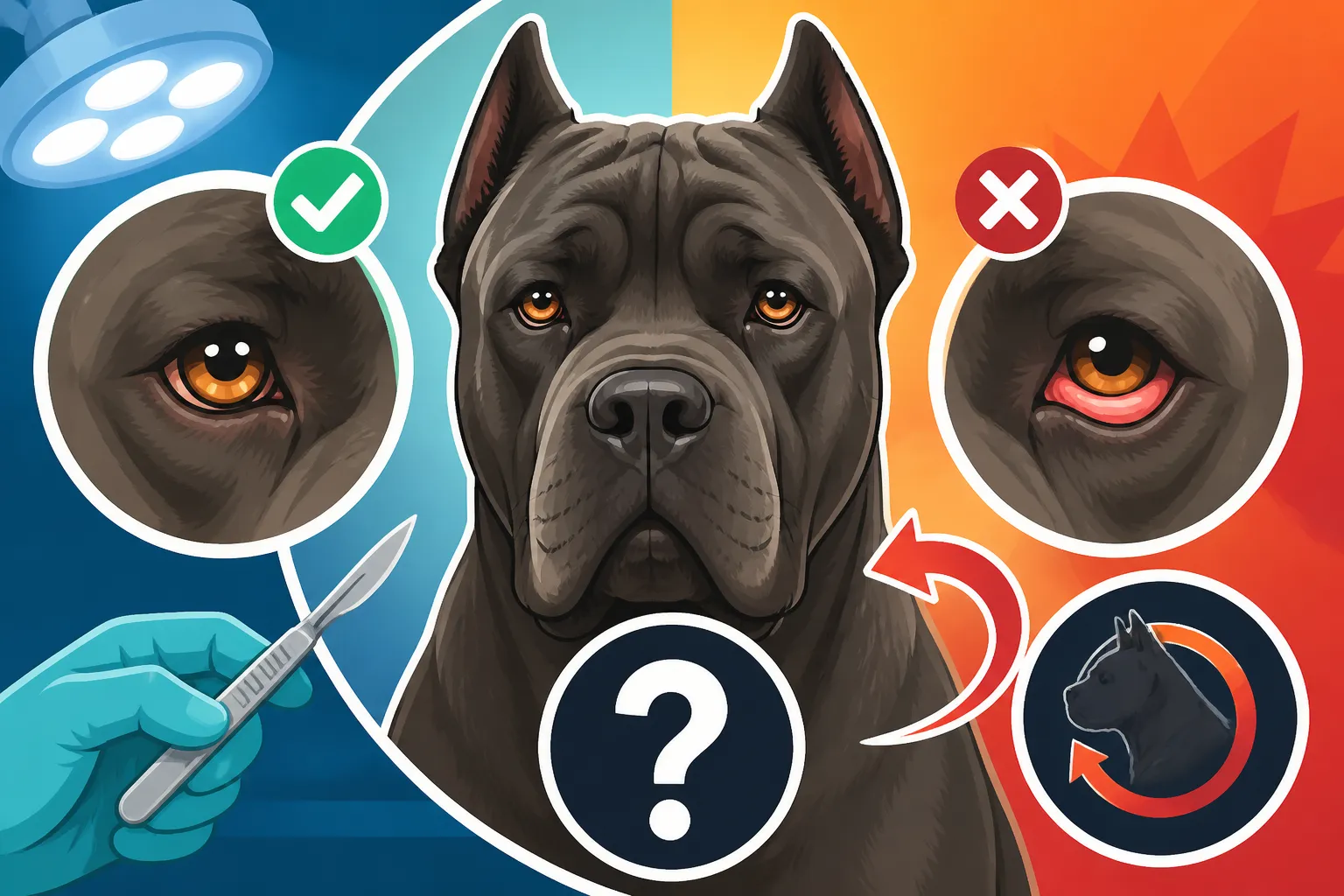
It’s a truly disheartening experience when you’ve put your beloved Cane Corso through the stress and recovery of entropion surgery, only to start noticing those familiar symptoms creeping back. You thought you'd solved the problem, given them relief, and then the tearing, squinting, or pawing at the eye begins again, leaving you feeling frustrated and worried. This guide is here to shed light on why entropion can sometimes return after surgery in Cane Corsos, what to look for, and how to best manage this challenging condition for your companion.
Understanding Entropion in Your Cane Corso
Entropion is a common, often painful, inherited condition in many large breeds, and our magnificent Cane Corsos are certainly no strangers to it. It occurs when a section of the eyelid, typically the lower one, rolls inward, causing the eyelashes and surrounding fur to constantly rub against the sensitive surface of the eyeball. Imagine having a piece of grit in your eye all the time, or a coarse hair perpetually scratching your cornea – that's the daily reality for a Cane Corso with untreated entropion.
The Anatomy of a Cane Corso's Eyelid
Cane Corsos, with their strong features and often somewhat loose skin, can have unique eyelid structures that predispose them to entropion. Their large, expressive eyes are often set in a way that, combined with the characteristic skin folds and sometimes prominent haw (the third eyelid), can contribute to the inward rolling. The lower eyelid, in particular, might have a naturally looser set, making it more susceptible to the issue. This breed also commonly exhibits a "loose lid" phenotype, which means the skin around their eyes isn't as taut as in some other breeds, increasing the likelihood of the lid curling inward. Owners often first notice something is amiss when they see their dog's eyes constantly weeping or showing signs of discomfort. If you've ever dealt with The Loose Eyelids Nearly Every Cane Corso Owner Meets, you know this struggle well.
Why Entropion Happens in Molossers
The root cause of entropion in Molosser breeds like the Cane Corso is often genetic. It's a conformational issue, meaning it’s related to the way the dog is built. Breeders strive to produce dogs with correct eye set and eyelid tension, but even with careful breeding, the genetic predisposition can surface. Factors such as rapid growth in puppies, dehydration, or even severe weight loss can sometimes temporarily exacerbate or trigger entropion in a dog already genetically inclined. The severity can range from a very subtle inward turn, causing minor irritation, to a significant inversion that leads to severe corneal ulceration and pain.
The Initial Surgical Correction Hotz-Celsus
When entropion is diagnosed, especially if it's causing significant irritation or damage to the cornea, surgical correction is usually recommended. The most common procedure is called the Hotz-Celsus technique. This surgery involves carefully removing a small, crescent-shaped piece of skin and muscle from just below the affected eyelid. The edges of the incision are then meticulously stitched back together, which pulls the eyelid margin outward, away from the eye. The goal is to create just enough tension to prevent the lid from rolling in, without over-correcting and causing the opposite problem, ectropion (where the eyelid rolls outward). The timing of this surgery is crucial, especially in growing puppies. Often, vets prefer to wait until the dog is closer to full maturity, usually around The Age a Cane Corso's Entropion Gets Repaired, to ensure the full extent of the conformational issue is visible and to minimize the chance of recurrence due to continued growth and changes in facial structure.
The Reality of Entropion Recurrence
It's a tough pill to swallow, but sometimes, even after a successful initial surgery, entropion can indeed make an unwelcome return. This isn't necessarily a reflection on the surgeon's skill or your post-operative care, but rather a complex interplay of genetics, growth, and the inherent challenges of correcting a dynamic anatomical issue. The anxiety of seeing those symptoms reappear after thinking the problem was resolved is perfectly understandable, and many Cane Corso owners have walked this frustrating path.
Factors Contributing to Reoccurrence
Several factors can contribute to entropion returning. Firstly, the initial surgery might have been slightly under-corrected. This is sometimes done intentionally in puppies to avoid over-correction as they grow, but it can mean a second, minor procedure is needed later. Secondly, while the Hotz-Celsus procedure aims for permanent correction, the skin and tissues around the eye can still change over time due to aging, weight fluctuations, or even just the natural laxity characteristic of the breed. In some cases, scar tissue from the first surgery can subtly alter the eyelid's position, causing it to roll back in. A key factor, particularly in young dogs, is ongoing growth. Even if the puppy's entropion was repaired around six months, their head and facial structure continue to develop until they are around two years old, which can change the tension around the eyelids. This is why some veterinary ophthalmologists prefer to perform a temporary tacking procedure on young puppies and wait for definitive surgery once the dog is fully mature, to prevent the need for multiple corrective surgeries.
When to Suspect Entropion is Returning
Keeping a vigilant eye on your Cane Corso after entropion surgery is vital. Early signs of recurrence are often subtle and can mimic minor irritations. You might notice increased tearing, particularly in one eye, or a slight redness along the eyelid margin. Your dog might start blinking more frequently or squinting, especially in bright light. They might also begin pawing at their face or rubbing their eyes more than usual, which can sometimes lead to How Loose Lids Give a Cane Corso Chronic Eye Infections. Sometimes, it's just a feeling you get as an owner – that familiar uncomfortable look in their eye that you thought you had banished. Don't dismiss these instincts. If you observe any of these symptoms, it's always best to contact your vet or veterinary ophthalmologist promptly to get it checked out.
Partial Correction vs. True Recurrence
It’s important to understand the distinction between a partial correction and a true recurrence. In some instances, the initial surgery might not have fully corrected the entropion, especially if it was severe or involved multiple sections of the eyelid. This isn't necessarily a "return" of the condition, but rather an incomplete resolution that might require a touch-up or a second, more extensive procedure. True recurrence implies that an area that was initially corrected successfully has now reverted. Your veterinary ophthalmologist will be able to assess whether the original correction was insufficient, or if a new area of entropion has developed, or if it's a true relapse of the previously treated section. They might use specialized tools to examine the eye and even take measurements to determine the exact degree of inward rolling.
Recognizing the Signs of Re-Emerging Entropion
Being attuned to your Cane Corso's subtle cues is paramount, especially when it comes to eye health. They can't tell you in words that their eye is bothering them, so it's up to us to interpret their behavior and physical symptoms. The earliest signs of entropion returning are often easy to miss if you're not specifically looking for them, which can be frustrating when you're doing your best to keep them comfortable.
Subtle Indicators in the Early Stages
In the initial phases of entropion recurrence, the signs are often mild. You might observe a slight increase in eye discharge, which could be clear and watery, or slightly mucoid. Your Cane Corso might rub their face against furniture or paw at their eye intermittently. You may also notice that Why a Cane Corso's Eyes Run All Day suddenly becomes a daily issue again, even if it had stopped after the first surgery. Their eyelids might appear a touch redder than usual, particularly along the inner margin where the eyelashes are making contact. Another subtle sign can be increased blinking or holding the eye partially closed, especially when exposed to wind, dust, or bright sunlight. These are your dog's ways of trying to relieve the discomfort before it escalates.
Overt Symptoms and Discomfort Levels
As the entropion progresses or if the rubbing becomes more constant, the symptoms become much more obvious and indicative of significant discomfort. Your Cane Corso might hold the affected eye almost completely shut. The discharge can become thicker, yellowish, or green, indicating a secondary bacterial infection due to the constant irritation. The cornea itself might appear cloudy or dull, which can be a sign of damage or ulceration. You might even see a visible "film" or vascularization (blood vessels growing over the cornea) as the eye tries to heal itself from the constant abrasion. The pain can be severe enough to affect their appetite, energy levels, or even their temperament, as they might become more withdrawn or irritable. If you see any signs of a corneal ulcer, like a divot or severe cloudiness, it's an emergency, and your dog needs veterinary attention immediately.
When to Contact Your Veterinary Ophthalmologist
It's always better to err on the side of caution. If you suspect entropion is returning, even if the symptoms are mild, contact your veterinary ophthalmologist. They have specialized equipment and expertise to properly diagnose the issue. This includes special stains to check for corneal abrasions or ulcers, which are a serious complication of entropion. Don't try to manage it with over-the-counter drops or old medications, as you could inadvertently worsen the problem or mask a more serious underlying issue. Early intervention can prevent severe pain and permanent damage to your Cane Corso's eye. A good pet insurance plan, like one from Healthy Paws, can be invaluable here, helping to cover the costs of these specialized consultations and potential follow-up treatments, alleviating some of the financial stress during an already worrying time. Just like a responsible breeder ensures The Yearly Eye Exam a Breeding Cane Corso Needs, a responsible owner ensures prompt attention for any eye issues.
Addressing Recurrent Entropion
When entropion returns, it's disheartening, but it's not the end of the road. There are still options available to help your Cane Corso find comfort and maintain good vision. The approach will depend on the severity of the recurrence, the underlying cause, and your dog's overall health. This situation highlights the importance of having a good relationship with your veterinary ophthalmologist, as their expertise will be key in navigating the best course of action.
Surgical Options for Revision Cases
For recurrent entropion, a second surgery, often called a revision surgery, is typically the most effective solution. The specific technique used might vary depending on what the ophthalmologist identifies as the cause of the recurrence. It could be another Hotz-Celsus procedure, perhaps with a slightly larger piece of tissue removed, or a different technique altogether. For example, a lateral canthoplasty, which involves shortening the eyelid at the outer corner, might be considered if the overall eyelid length is contributing to the inward roll. Sometimes, a more advanced procedure might be necessary, such as a Stades procedure, which uses a larger skin graft. The goal remains the same: to permanently evert the eyelid margin. The surgeon will carefully assess the amount of tissue to remove to prevent over-correction, which could lead to ectropion. While the thought of a second surgery is daunting, remember that skilled veterinary ophthalmologists perform these revisions frequently. It's a testament to the dedication of Cane Corso owners that they are often willing to budget for What Two Eyelid Surgeries Cost on One Cane Corso to ensure their dog's comfort.
Non-Surgical Management and Support
While surgery is usually definitive, there might be situations where it's not immediately possible or desirable. In such cases, non-surgical management focuses on alleviating discomfort and protecting the cornea. This can include lubricating eye drops or ointments to create a barrier between the lashes and the cornea, reducing friction. Your vet might prescribe antibiotic eye drops if a secondary infection is present. Topical steroids could also be used to reduce inflammation, but only under strict veterinary guidance, as they can worsen corneal ulcers if present. Some vets might use temporary eyelid tacking sutures in very young puppies or in dogs that are awaiting surgery, where stitches are placed in the eyelid to temporarily pull it outwards. This can provide relief and allow the cornea to heal while a more permanent solution is planned. However, these are temporary measures and do not solve the underlying anatomical problem. It's important to remember that Whether a Cane Corso Needs Eye Drops Daily is often a stop-gap measure, not a permanent fix for entropion.
Long-Term Monitoring and Preventative Measures
After any entropion surgery, whether initial or revision, consistent long-term monitoring is crucial. You'll need to continue to check your Cane Corso's eyes daily for any signs of irritation or recurrence. Regular follow-up appointments with your veterinary ophthalmologist will allow them to assess the long-term success of the surgery and catch any potential issues early. While you can't prevent genetic predispositions, maintaining your Cane Corso's ideal weight and overall health can support good skin and tissue integrity. If your dog is prone to eye irritation, discuss with your vet if certain environmental factors, like dusty conditions or strong winds, might be exacerbating the problem, and consider protective measures if necessary. Having pet insurance, especially for a breed like the Cane Corso that can face various health challenges, is incredibly beneficial. Providers like Healthy Paws can significantly ease the financial burden associated with multiple surgeries, medications, and specialized veterinary care for chronic conditions like recurrent entropion, allowing you to focus on your dog's well-being without undue stress.
Here's a quick overview of potential recurrence factors and considerations:
| Factor | Description | Impact on Recurrence |
|---|---|---|
| Genetic Predisposition | Inherent laxity or conformation of eyelids in the breed. | Primary underlying cause; even with surgery, can predispose to future issues. |
| Incomplete Initial Surgery | Too little tissue removed, or not addressing all affected areas. | Requires revision to fully correct the inward roll. |
| Continued Growth (Puppies) | Facial structure changes as the dog matures, altering eyelid tension. | Can cause initial correction to become insufficient. |
| Scar Tissue Formation | Post-surgical scarring can sometimes pull the eyelid inward over time. | Less common, but can subtly alter eyelid position. |
| Weight Fluctuations | Significant changes in weight can affect skin tension around the eyes. | Can temporarily worsen or reveal underlying conformational issues. |
| Breed-Specific Laxity | General looseness of skin and eyelids common in some Molosser types. | Increases the baseline risk of recurrence compared to breeds with tighter facial skin. |
Prognosis and Lifelong Eye Health for Your Cane Corso
Living with a Cane Corso who has faced recurrent entropion can feel like a marathon, not a sprint. It’s a commitment to vigilance and ongoing care, but the good news is that most cases can be successfully managed, often with excellent long-term outcomes, allowing your dog to live a comfortable, pain-free life. It means accepting that sometimes, these magnificent dogs need a little extra help to thrive.
What Success Looks Like After Revision Surgery
Successful revision surgery for entropion means your Cane Corso's eyelids are no longer rubbing against their cornea. You'll see a dramatic reduction, if not complete cessation, of tearing, squinting, and eye discharge. Their eyes will appear bright, clear, and comfortable. Most importantly, your dog's demeanor will likely improve significantly, as they are no longer in constant pain. While there’s always a slight chance of another recurrence, especially if the dog has very extreme conformation, many dogs go on to live the rest of their lives without further issues after a well-executed revision. The key is finding an experienced veterinary ophthalmologist who understands the nuances of the breed's anatomy. One common issue to be aware of post-surgery is Dry Eye in a Cane Corso After Lid Surgery, which can sometimes occur as a secondary effect and needs to be managed appropriately with lubricating drops.
The Role of Genetics in Eye Health
It's impossible to discuss entropion without acknowledging the strong genetic component. Entropion is considered an inherited condition in Cane Corsos, which means it runs in families. Reputable breeders work diligently to screen their breeding stock and avoid pairing dogs that produce offspring with such conformational faults. When you acquire a Cane Corso puppy, it's wise to inquire about the eye health history of both parents and their lineage. While a puppy from health-tested parents can still develop entropion due to the complex nature of inheritance, choosing a puppy from a breeder committed to health can significantly reduce the risk. This understanding is vital for the future health of the breed and to minimize the suffering of individual dogs.
Advocating for Your Cane Corso's Ocular Comfort
Ultimately, you are your Cane Corso's most important advocate. If you're seeing signs of recurrent entropion, don't delay in seeking expert veterinary care. Be prepared to ask questions, understand the different surgical options, and follow post-operative instructions meticulously. This might mean scheduling multiple vet visits, administering eye drops, and ensuring they wear an E-collar during recovery. Remember that companies like Healthy Paws can be a real lifeline for unexpected and recurring health issues. Their comprehensive coverage can make it feasible to pursue the best possible care, including specialized ophthalmology, ensuring that financial constraints don't dictate your Cane Corso's ocular comfort. Your dedication to their well-being, even through challenging recurrences, is what makes you a truly exceptional Cane Corso owner.
Disclaimer
The information provided in this article is for educational and informational purposes only and does not constitute veterinary advice. Always consult with a qualified veterinarian or veterinary ophthalmologist for any health concerns or before making any decisions about your Cane Corso's care.