What Two Eyelid Surgeries Cost on One Cane Corso
It’s truly disheartening to see your magnificent Cane Corso struggling with eye issues, especially when you’re facing the possibility of not just one, but potentially two or more eyelid surgeries. The financial strain, combined with the worry for your dog's comfort and vision, can feel overwhelming. This guide aims to shed light on the realities of what two eyelid surgeries might cost for a Cane Corso, breaking down the factors that influence these bills and how you can prepare for them.
Understanding Common Cane Corso Eyelid Conditions
Cane Corsos, like many large and brachycephalic (short-nosed) breeds, are unfortunately prone to several specific eyelid conditions that often require surgical intervention. These aren't just cosmetic issues; they can cause immense pain, chronic infections, and even lead to blindness if left unaddressed. Understanding what these conditions are is the first step in preparing for the financial and emotional journey ahead.
Entropion: The Inward Turning Lid
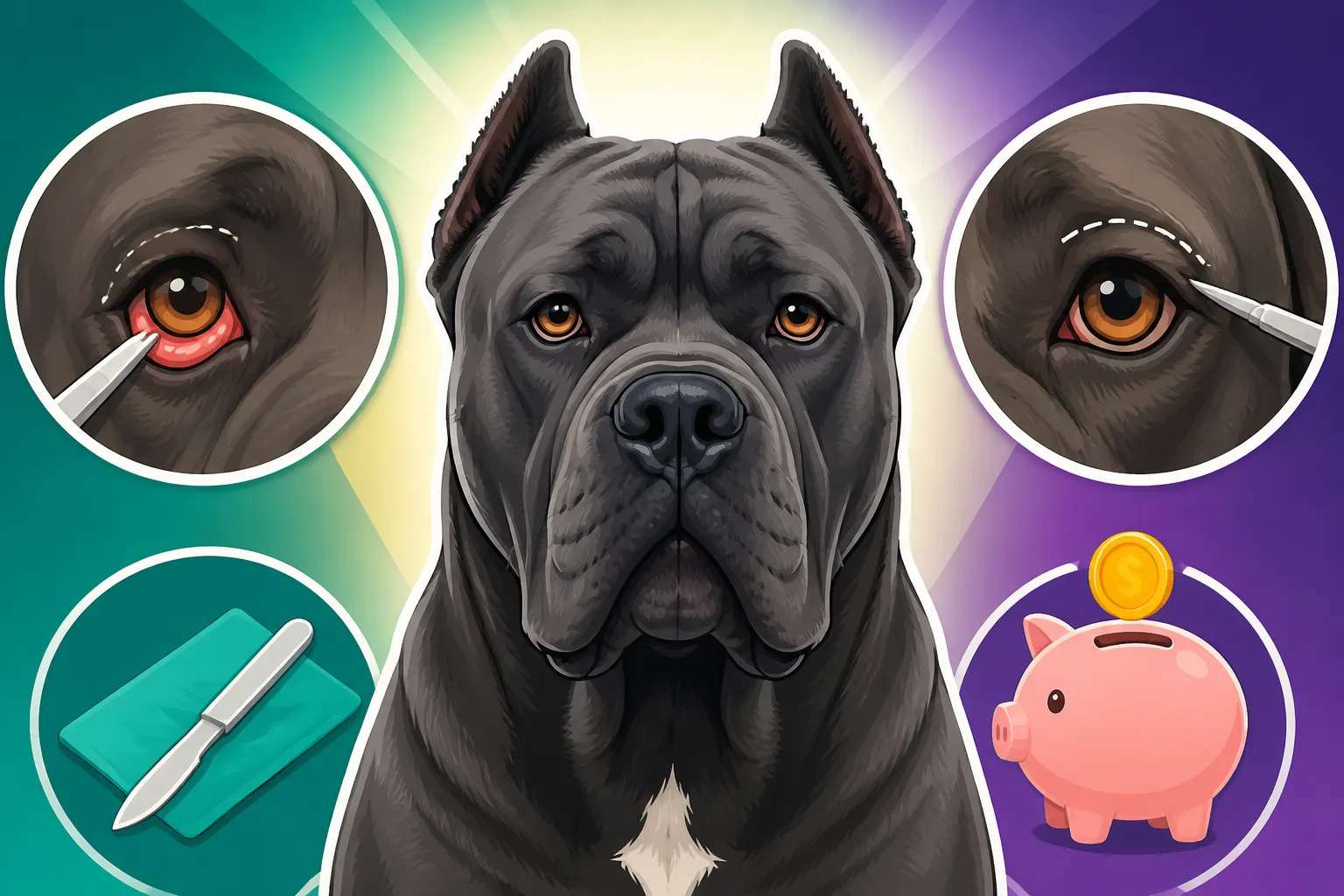
Entropion is probably one of the most common eyelid problems we see in Cane Corsos. Imagine your dog's eyelid, usually the lower one, rolling inward towards the eyeball. Sounds painful, right? It absolutely is. The delicate eyelashes and hairs on the outside of the lid constantly rub against the cornea, leading to irritation, excessive tearing, ulcers, and chronic infections. It’s not just a minor annoyance; it’s a constant source of discomfort that can severely impact your dog's quality of life. Owners often notice their Cane Corso squinting, pawing at their eyes, or having persistent discharge. A dog with entropion needs intervention, and often, surgery is the most effective and lasting solution. You can learn more about Entropion in a Cane Corso's Lower Lid to better understand this specific issue.
Ectropion: The Sagging Lower Lid
On the flip side, we have ectropion. This is when the eyelid sags or rolls outward, exposing the delicate pink conjunctiva underneath. While it doesn't cause the painful rubbing of entropion, it creates a pocket where dirt, dust, and bacteria can easily collect. This leads to chronic dryness, inflammation, and recurrent infections. Think of it like having perpetually open, irritated eyes. It’s often seen more prominently in breeds with very loose facial skin, and while some degree of loose lid is characteristic of the breed, an excessive amount that causes persistent issues is problematic. The Sagging Lower Lid on a Cane Corso explores this common concern. Dogs with severe ectropion might not be in as much acute pain as those with entropion, but their eyes are constantly at risk and uncomfortable.
Cherry Eye: Prolapsed Third Eyelid
This one often appears suddenly and can be quite alarming. The third eyelid, also known as the nictitating membrane, contains a tear gland. In some dogs, this gland can pop out of its normal position, appearing as a bright red, swollen mass in the corner of the eye. It looks like a cherry, hence the name. While it’s generally not acutely painful unless it becomes severely dry or inflamed, it can obstruct vision, cause chronic irritation, and impact tear production. This condition often requires surgery to reposition the gland and secure it back in place. The Cherry Eye a Cane Corso Puppy Shows at Four Months discusses when this issue typically arises.
Factors Influencing Eyelid Surgery Costs
When you're told your Cane Corso needs one, let alone two, eyelid surgeries, the first thing many owners think about (after their dog's well-being) is the cost. And let me tell you, it's rarely a single, fixed number. Several factors play a significant role in determining the final bill you'll receive.
Type and Complexity of the Surgery
Not all eyelid surgeries are created equal, and the procedure's complexity directly impacts the cost. A simple tacking procedure for a mild entropion might be less involved than a full corrective surgery that requires significant tissue removal and intricate stitching. Correcting entropion often involves removing a small, crescent-shaped piece of skin and muscle from the eyelid and then stitching it back together to evert the lid. Ectropion repair can be similar but might focus on tightening the lower lid. Cherry eye repair typically involves tucking the prolapsed gland back into its normal position and securing it, often with sutures that dissolve over time.
If your Cane Corso has more severe or extensive issues, or if multiple areas of the eye need addressing, the surgery becomes more complex, requiring more surgical time and specialized skills, which naturally increases the cost. Sometimes, a general practitioner might handle a straightforward case, but often, these procedures are referred to a veterinary ophthalmologist, whose expertise comes with a higher price point.
Geographic Location and Veterinary Practice
Just like human healthcare, the cost of veterinary care varies significantly depending on where you live. A veterinary clinic in a high-cost-of-living urban area, like Los Angeles or New York, will likely charge more for the same procedure than a practice in a rural town in, say, Oklahoma. This isn't just about rent; it's about the cost of living for staff, specialized equipment, and access to advanced facilities.
The type of veterinary practice also matters. A large, multi-specialty veterinary hospital with board-certified ophthalmologists, 24/7 emergency care, and advanced diagnostic equipment will generally have higher fees than a smaller, local general practice. While these specialist clinics often provide the best possible care for complex eye conditions, their services are priced accordingly. It's always worth getting a few estimates if possible, but remember that the cheapest option isn't always the best when it comes to your Cane Corso's vision.
Pre-Operative Diagnostics and Post-Operative Care
The actual surgical fee is just one piece of the puzzle. Before surgery, your Cane Corso will need a thorough examination. This often includes blood work to ensure they are healthy enough for anesthesia, and potentially other diagnostic tests like tear production tests (Schirmer tear test) or fluorescein staining to check for corneal ulcers. These diagnostic steps are crucial for ensuring a safe procedure and identifying any underlying issues that could affect recovery.
After the surgery, your dog will need post-operative care, which includes pain medication, anti-inflammatory drugs, and often antibiotic eye drops or ointments. There will also be follow-up visits to monitor healing, remove sutures (if non-dissolvable), and ensure there are no complications. The cost of these medications and follow-up appointments can add up, especially if the recovery is longer than expected or if complications arise, such as a post-surgical infection or dry eye. Dry Eye in a Cane Corso After Lid Surgery can be a concern.
Why a Second Surgery Might Be Necessary
Hearing that your Cane Corso might need a second eyelid surgery can be incredibly deflating, but it's a realistic possibility for a few reasons. It's not necessarily a sign of a botched first surgery, but rather a reflection of the complexities involved in correcting these delicate structures in an active, growing dog.
Recurrence or Incomplete Correction
Sometimes, despite the best surgical efforts, entropion or ectropion can recur. This is especially true in young, fast-growing Cane Corsos, where facial structures are still developing. As a puppy grows, the skin and muscle around their eyes can change, and what was perfectly corrected at six months might shift by 18 months, leading to the eyelid rolling in or out again. In other cases, the initial correction might have been too conservative, or not quite enough tissue was removed or tightened, leading to residual turning. This doesn’t mean the surgeon did a bad job; it simply means that anatomical variations and growth can sometimes make precise, one-time correction challenging.
For cherry eye, while the success rate of surgical repositioning is high, there's always a small chance that the gland could prolapse again, either in the same eye or the other eye. It’s not uncommon for a Cane Corso to develop cherry eye in one eye and then, months or years later, have it occur in the other. This would technically be a "second" surgery, even if it's on the opposite eye.
Development of a New or Different Condition
A Cane Corso might undergo surgery for entropion in its lower lid, only to develop cherry eye in the same or opposite eye a year later. Or perhaps they had ectropion corrected, and later, new genetic factors or aging causes entropion to develop. These are distinct conditions, each requiring its own surgical intervention. It’s also possible that the breed’s characteristic loose facial skin contributes to secondary issues as they age, such as How Loose Lids Give a Cane Corso Chronic Eye Infections.
The goal of the first surgery is always to resolve the immediate problem, but it doesn't always guarantee immunity from other eye-related issues down the line. It's important to continue with regular veterinary check-ups and yearly eye exams, especially for breeding dogs, to catch any new developments early. The Yearly Eye Exam a Breeding Cane Corso Needs is critical for proactive care.
Complications Requiring Further Intervention
While rare, complications from the initial surgery can sometimes necessitate further surgical intervention. This could include issues like infection that isn't resolving with medication, excessive scarring that impacts eyelid function, or even a need for further tightening or loosening if the initial correction resulted in overcorrection or undercorrection. A skilled veterinary ophthalmologist will always aim for the best outcome, but biology can be unpredictable. When these situations arise, the focus shifts to resolving the complication and restoring the eye to as much normal function as possible, which might mean another trip to the operating room.
Managing the Costs of Multiple Eyelid Surgeries
Facing the prospect of one, let alone two, significant surgeries for your Cane Corso's eyes can feel like a mountain of bills. It's a heavy burden, but there are strategies to help manage these costs and ensure your beloved companion gets the care they need.
Pet Insurance: A Financial Safety Net
This is perhaps one of the most proactive steps you can take as a Cane Corso owner. Pet insurance can be an absolute lifesaver when unexpected health issues, like recurrent eyelid problems, arise. Policies vary, but many will cover a significant portion of diagnostic tests, surgery, medications, and follow-up care. The key is to enroll your Cane Corso before any symptoms appear or a diagnosis is made, as pre-existing conditions are typically excluded.
Brands like Healthy Paws are well-regarded for their comprehensive coverage, often covering accidents, illnesses, and even hereditary conditions (as long as they weren't present before enrollment). While monthly premiums can seem like an extra expense, they can prevent you from facing thousands of dollars in veterinary bills out-of-pocket, especially for procedures like those needed for your Cane Corso's eyes. Knowing what a policy might cover for other major procedures, like What a Cane Corso Policy Pays on Hip Surgery, can give you an idea of the breadth of coverage. It's crucial to read policy details carefully, understand deductibles and reimbursement percentages, and ensure the specific conditions common to Cane Corsos are covered.
Veterinary Payment Plans and Financial Assistance
Don't be afraid to talk openly with your veterinarian or the veterinary hospital about payment options. Many clinics understand the financial strain of extensive veterinary care and offer in-house payment plans, allowing you to pay the bill over several installments. There are also third-party financing options like CareCredit, which works like a credit card specifically for healthcare expenses, often offering interest-free periods if the balance is paid within a certain timeframe.
Additionally, some non-profit organizations and breed-specific rescues offer financial assistance programs for owners struggling with veterinary bills. While these often have eligibility requirements and aren't guaranteed, they can be a lifeline for some families. It's always worth asking your vet if they know of any local or national resources that could help.
Budgeting and Proactive Savings
Even if you have insurance, it's wise to have an emergency fund specifically for your Cane Corso's health needs. Deductibles and co-pays still require upfront cash, and some procedures might not be fully covered. Setting aside a certain amount each month into a dedicated savings account can provide peace of mind. Consider what How Much a Cane Corso Owner Should Set Aside Monthly for general expenses, and then factor in a contingency for unexpected medical issues.
Prioritizing preventative care is also a form of cost management. Regular check-ups, a high-quality diet (perhaps even exploring options from companies like Ollie for fresh, wholesome food, which can support overall health and recovery), and addressing minor issues before they become major problems can prevent more expensive interventions down the line. For example, ensuring your Cane Corso has a balanced diet and is not overweight can reduce stress on their entire system, including their delicate eyes. You might also find essential supplies for recovery, like soft Elizabethan collars or specialized wipes, readily available from online retailers like Chewy, which can help you save on trips to the vet for basic necessities.
Here’s a simplified breakdown of cost components:
| Cost Component | Description | Impact on Total Cost |
|---|---|---|
| Initial Consultation | Exam by general vet or ophthalmologist. | Moderate, required for diagnosis. |
| Pre-op Diagnostics | Blood tests, EKG, specific eye tests (e.g., tear test). | Moderate, essential for surgical safety. |
| Anesthesia | Anesthesiologist's time, medications, monitoring equipment. | Significant, especially for large breeds like Cane Corsos. |
| Surgical Fee | Surgeon's time, surgical supplies, facility use. | High, varies by complexity and surgeon's specialization. |
| Post-op Medications | Pain relief, antibiotics, anti-inflammatories (oral and eye drops). | Moderate, crucial for recovery and preventing infection. |
| Follow-up Visits | Re-check exams, suture removal, progress monitoring. | Moderate, multiple visits often needed. |
| Complications | Additional meds, procedures, or specialist visits if issues arise. | Variable, can significantly increase total cost. |
| Second Surgery | All above components for a subsequent procedure. | Doubles initial significant costs. |
This table illustrates that the "surgery cost" is far more than just the surgeon's fee; it's a comprehensive package of care.
Ultimately, the decision to proceed with one or more surgeries for your Cane Corso's eyelids is a deeply personal one, weighing your dog's quality of life, your emotional capacity, and your financial resources. By understanding the potential costs and exploring the available options, you can make an informed decision that’s best for both you and your cherished companion. Whether a Cane Corso's Entropion Returns After Surgery is a question many owners grapple with, and preparing for that possibility is key.
Disclaimer
This article is for general informational purposes only and does not constitute professional advice. Laws, prices and regulations vary by location and change over time. Consult a qualified professional for guidance on your specific situation.