The Price of Cherry Eye Repair on a Cane Corso
Spotting that bright red mass bulging from the corner of your majestic Cane Corso's eye can be incredibly alarming. It looks painful, it looks serious, and immediately, your mind races to "how much is this going to cost?" This guide is here to walk you through the various financial aspects of diagnosing and treating cherry eye in your Cane Corso, from initial vet visits to surgical repair and aftercare, helping you understand the potential bills without quoting exact figures that change daily.
What Exactly is Cherry Eye in a Cane Corso?
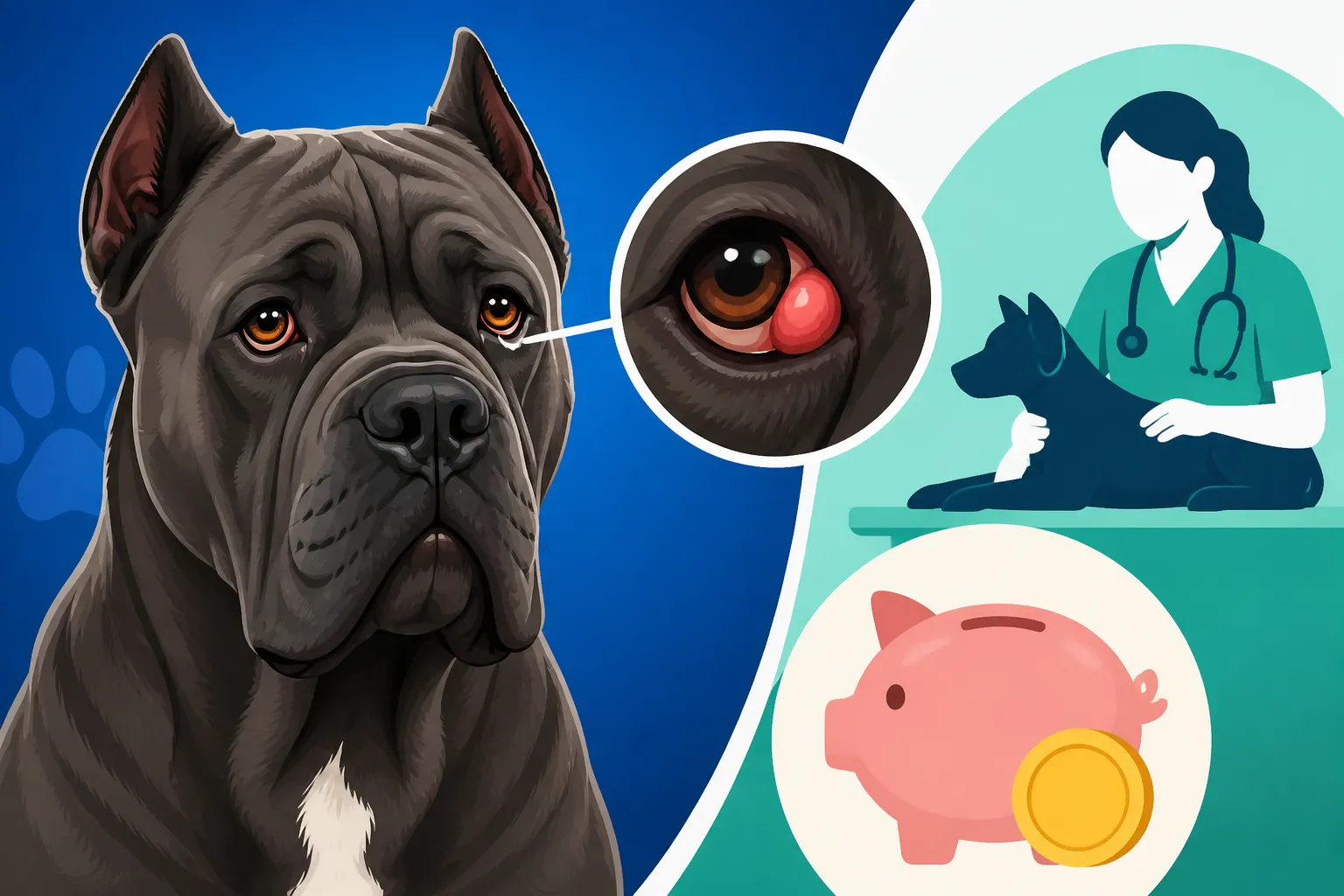
When you first notice that startling red lump, it’s easy to panic. This isn't just a stray piece of grit or a minor irritation; it's a medical condition commonly known as "cherry eye." It happens when the gland of the nictitating membrane, often called the "third eyelid," prolapses or pops out of its normal position. This gland is crucial for tear production, contributing a significant portion of the eye's natural lubrication. When it prolapses, it looks like a small, reddish mass, often resembling a cherry, in the inner corner of your dog's eye.
Cane Corsos, like many large and brachycephalic (short-nosed) breeds, are unfortunately prone to this condition. Their facial anatomy and genetic predispositions can make them more susceptible. It's not usually painful in the immediate sense, but it is uncomfortable and can lead to serious secondary issues if left untreated. The exposed gland is vulnerable to drying out, inflammation, and infection, which can severely compromise its function over time. This can lead to chronic dry eye, a far more serious and lifelong condition that requires constant management. That's why addressing it promptly isn't just about aesthetics; it's about preserving your Cane Corso's long-term eye health and comfort.
Why Cane Corsos Are Prone to This Condition
It's heartbreaking to see your big, tough Cane Corso suddenly have such a delicate issue with their eye, but it's not uncommon. The predisposition in Cane Corsos often comes down to the laxity of the connective tissue that normally holds the third eyelid gland in place. Imagine a tiny anchor meant to keep something firmly in its spot; for some Corsos, that anchor just isn't quite strong enough. When the muscles or ligaments weaken, or if there's a sudden strain, the gland can simply pop out.
Genetics play a huge role here. While not always directly inherited in a simple Mendelian fashion, there's a clear breed-specific tendency. If a Cane Corso's parents or close relatives had cherry eye, there's a higher chance their offspring might too. This is one of the many reasons why The Yearly Eye Exam a Breeding Cane Corso Needs is so important. Environmental factors, like excessive rubbing of the eyes due to allergies or irritation, or even rough play, can sometimes trigger a prolapse, but usually, an underlying anatomical weakness is already present. It's not something you necessarily did wrong; it's just one of those things that can happen with this magnificent breed.
The Risks of Leaving Cherry Eye Untreated
While a cherry eye might not seem like an emergency at first glance, ignoring it can lead to a cascade of problems for your Cane Corso. The exposed third eyelid gland is no longer protected by the eyelid and is constantly irritated by air, dust, and debris. This leads to chronic inflammation, which in turn can damage the delicate tear-producing tissue. Over time, this damage can become irreversible, leading to KCS, or "dry eye," a condition where the eye doesn't produce enough tears.
Dry eye is a lifelong battle, requiring daily eye drops and medication to prevent pain, infection, and potential blindness. Beyond dry eye, the inflamed gland is more prone to bacterial infections, causing painful discharge and further discomfort. There's also the risk of the gland becoming severely ulcerated or even traumatized if your dog rubs at it excessively. Early intervention not only resolves the immediate problem but also significantly reduces the risk of these more serious, chronic, and ultimately more expensive long-term conditions. It’s an investment in your Cane Corso’s comfort and vision.
Understanding the Veterinary Consultation and Initial Diagnostics
The moment you notice that tell-tale red lump, your first step should always be a trip to the veterinarian. This initial consultation is crucial not just for diagnosis, but also for ruling out other, potentially more severe eye conditions. While it might seem obvious to you what it is, your vet needs to confirm it and assess the overall health of the eye. This visit isn't typically as expensive as the surgery itself, but it’s the necessary gateway to treatment.
During this visit, the vet will perform a thorough eye exam. They'll look at the size, color, and condition of the prolapsed gland, check for any signs of infection, and examine the cornea for ulcers or damage. They might also perform a Schirmer tear test to assess tear production, especially if the gland has been prolapsed for a while or looks particularly inflamed. This test can give them a baseline to compare against later if dry eye becomes a concern. Expect your vet to discuss the prognosis, different treatment options, and provide you with an estimate for the recommended surgical repair. Don't be shy about asking questions and getting a clear understanding of the proposed plan.
The Initial Exam and Diagnostic Tests
When you bring your Cane Corso in for cherry eye, the vet's first priority is a comprehensive ophthalmic exam. They'll use an ophthalmoscope to carefully inspect the structures of the eye, looking for any concurrent issues. For instance, they might check for The Loose Eyelids Nearly Every Cane Corso Owner Meets or other genetic predispositions that could affect the eye's health. They’ll assess the cornea for abrasions or ulcers, which can sometimes occur if the exposed gland has been rubbing against the surface of the eye. This usually involves applying a fluorescein stain, which highlights any corneal damage under a special blue light.
In addition to visual inspection, they will almost certainly perform a Schirmer tear test. This involves placing a small strip of paper in the lower eyelid for a minute to measure tear production. This is vital because the third eyelid gland produces a significant portion of the eye's tears. If it's been prolapsed for a while, its function might already be compromised, and understanding this is key to predicting post-surgical outcomes and potential long-term care needs. They might also take a swab for cytology or culture if infection is suspected. These initial diagnostics are designed to give your vet a full picture of your dog's eye health and guide the best course of action.
Consultation Fees and Medication Prescriptions
The cost of the initial consultation itself will vary depending on your veterinary clinic, its location, and the complexity of the exam. This fee covers the vet's time, expertise, and the basic eye examination. If additional diagnostic tests like the fluorescein stain or Schirmer tear test are performed, these will typically be added to the bill. Think of it as the investigative stage before the actual repair work begins.
Often, before surgery can even be scheduled, your vet will prescribe some eye drops or ointments. These are usually anti-inflammatory medications to reduce swelling and discomfort, and sometimes antibiotics to clear up any secondary infections. The goal is to get the eye as healthy and calm as possible before surgery, which can improve the success rate and reduce complications. You might also be sent home with an E-collar (cone of shame) to prevent your Cane Corso from rubbing or scratching at their eye, which could worsen the condition or cause further injury. These medications and supplies will add to your initial outlay, but they're critical steps in preparing for the repair and ensuring your dog's comfort. You might find competitive prices for these medications or other supplies on platforms like Chewy once you have a prescription from your vet.
The Surgical Options for Cherry Eye Repair and Their Costs
When it comes to fixing cherry eye, surgery is almost always the recommended approach. There are a few different techniques, but the most common goal is to reposition the prolapsed gland back into its natural pocket and secure it there permanently. This preserves the gland's vital tear-producing function. It's a delicate procedure, often performed by a general veterinary practitioner, but in more complex or recurrent cases, a veterinary ophthalmologist might be recommended.
The cost of the surgery itself will be the largest component of your bill. This cost isn't just for the surgeon's time; it includes the pre-anesthetic bloodwork to ensure your Cane Corso is healthy enough for anesthesia, the anesthesia itself, monitoring during the procedure, the surgical supplies, and usually a few days of post-operative pain medication and anti-inflammatories. Because Cane Corsos are a large breed, anesthesia doses and monitoring can be more involved, which can sometimes influence the overall cost. It's really important to get a detailed estimate from your vet that breaks down all these components so you know exactly what to expect.
Pocket Technique (Morgan Pocket Suturing)
The "pocket technique," also known as Morgan Pocket Suturing, is by far the most widely accepted and successful surgical method for cherry eye repair. The veterinary surgeon creates a small pocket of conjunctiva (the membrane lining the inside of the eyelid) where the prolapsed gland normally sits. The gland is then tucked back into this newly formed pocket and secured with very fine, absorbable sutures. These sutures effectively create a new "anchor" to hold the gland in place, allowing it to resume its natural position and function.
The beauty of this technique is that it preserves the gland, which is essential for preventing dry eye later on. Removing the gland, once a common practice, is now largely avoided because of the high risk of developing KCS. The success rate of the pocket technique is generally very good, though like any surgery, there's always a small chance of recurrence. The cost for this procedure will depend on your location, the specific veterinary practice, and whether a general vet or a specialist ophthalmologist performs it. It's a skilled procedure that requires precision, and the price reflects the expertise and resources involved. This is one of The Surgeries Every Cane Corso Owner Should Budget For if you decide to share your life with this breed.
Other Surgical Methods and When They Are Used
While the pocket technique is the gold standard, there are a couple of other methods that might be considered in specific circumstances. One variation involves an anchoring suture, where the gland is secured directly to the periosteum (bone lining) of the orbital rim. This can be used in cases where the pocket technique might be less suitable or in conjunction with it for added security. Another, less common approach, especially when the gland is severely damaged or scarred from chronic prolapse, might involve partial resection of the gland combined with a pocket technique. However, complete removal is almost never recommended due to the aforementioned risk of dry eye.
The choice of technique often comes down to the individual case, the surgeon's preference and experience, and the severity of the prolapse. If the cherry eye has been present for a very long time and the gland is significantly swollen, irritated, and scarred, the surgery might be more complex, potentially affecting the overall cost due to increased surgical time or specialized equipment. Always have a thorough discussion with your vet about why a particular method is being recommended for your Cane Corso, and what the expected outcomes and potential complications are for that specific technique.
Factors Influencing the Cost of Surgery
The price tag on cherry eye surgery for your Cane Corso isn't a fixed number; it's a dynamic figure influenced by several factors. Firstly, geographical location plays a huge role – veterinary costs can be significantly higher in urban areas compared to rural ones, or between different regions of the country. The type of veterinary practice also matters; a large specialty hospital with board-certified ophthalmologists might charge more than a smaller general practice.
The severity and duration of the cherry eye itself are also key. A fresh, uncomplicated prolapse might be simpler and quicker to repair than a chronic one where the gland is severely inflamed, dry, or scarred. The need for specialized equipment or advanced monitoring for a large breed like a Cane Corso, particularly during anesthesia, can also factor in. Furthermore, pre-anesthetic bloodwork, IV fluids during surgery, post-operative pain management, and follow-up checks are all standard inclusions that contribute to the final bill. Don't forget that if the condition affects both eyes, the cost will essentially double. For responsible Cane Corso owners, understanding that What a Cane Corso CHIC Number Actually Certifies includes eye health can sometimes offer peace of mind when selecting a puppy from a reputable breeder.
| Cost Component | Description | Typical Price Shape |
|---|---|---|
| Initial Exam/Consultation | Vet's time, physical exam, basic eye assessment | Moderate |
| Diagnostic Tests | Fluorescein stain, Schirmer tear test, cultures (if needed) | Low to Moderate |
| Pre-Anesthetic Bloodwork | Ensures pet is healthy enough for anesthesia | Moderate |
| Anesthesia & Monitoring | Induction, maintenance, vital sign monitoring during surgery | High |
| Surgical Procedure | Surgeon's fee, surgical supplies, time in operating room (e.g., pocket technique) | High |
| Post-Operative Medications | Pain relief, anti-inflammatories, antibiotics (drops/oral) | Moderate |
| E-Collar (Cone of Shame) | Prevents dog from rubbing/scratching at eye | Low |
| Follow-up Visits | Recheck exams to monitor healing and suture removal (if non-absorbable) | Low to Moderate |
| Potential Complications | Treatment for infection, recurrence, dry eye management (additional costs) | Variable, potentially High |
Post-Operative Care and Potential Follow-Up Expenses
The surgical repair isn't the finish line; it's just a major milestone. The success of the surgery heavily relies on diligent post-operative care at home and attentive follow-up visits with your veterinarian. Your Cane Corso will likely come home with a regimen of eye drops or ointments to prevent infection and reduce inflammation. Administering these to a large, potentially uncooperative dog can be a challenge, but it's vital for proper healing. You'll also need to ensure they wear their E-collar religiously to prevent them from rubbing or scratching at the surgical site, which could dislodge sutures or introduce infection.
Typically, you'll have one or two follow-up appointments scheduled a week or two after surgery. During these visits, the vet will check the healing progress, ensure the gland remains in place, and assess tear production. These follow-up visits are usually less expensive than the initial consultation and certainly less than the surgery itself, but they are a non-negotiable part of the overall treatment plan. Being prepared for these ongoing steps ensures the best possible outcome for your furry friend.
Administering Post-Surgical Medications
Once your Cane Corso is home from surgery, you become the primary caregiver, and administering medications will be a daily task. Your vet will typically prescribe a combination of anti-inflammatory eye drops or ointments to reduce swelling and discomfort, and possibly antibiotic eye drops to prevent infection. Depending on your dog's pain level, oral pain medication might also be sent home. It's crucial to follow the dosage and frequency instructions precisely.
Getting eye drops into a large, strong Cane Corso can sometimes feel like wrestling an alligator. Patience and positive reinforcement are key. If you're struggling, ask your vet for a demonstration or tips on how to best approach your dog. Having a second person to gently hold your Corso's head can often make the process smoother. You'll want to make sure your hands are clean before touching their eye area. Remember, consistency is vital for proper healing and to prevent complications, so stick to the schedule, even if your dog is less than thrilled about it. For larger orders of medications or even special E-collars, you might find that services like Chewy can offer convenient delivery.
Managing the E-Collar and Activity Restrictions
The "cone of shame" – or E-collar – is a non-negotiable part of post-operative care for cherry eye. Your Cane Corso will need to wear it constantly for a specified period, usually 10-14 days, to prevent them from rubbing, scratching, or pawing at their surgical eye. Even one quick rub could undo the delicate sutures or introduce bacteria, leading to a recurrence or infection. This can be frustrating for both you and your dog, as it can hinder their peripheral vision, make eating and drinking a bit awkward, and generally impede their daily activities.
You'll also need to restrict your Cane Corso's activity significantly. No rough play, no jumping, no running, and absolutely no dog parks or interactions with other dogs that could cause accidental injury. Leash walks for potty breaks are usually fine, but keep them calm and controlled. The goal is to minimize any strain or jostling that could compromise the surgical repair. While it might feel restrictive, this quiet downtime is essential for proper healing. Consider investing in a comfortable orthopedic bed during this period, if you haven't already, as your Cane Corso will be spending a lot of time resting.
Potential Complications and Recurrence
Even with the most skilled surgeon and diligent post-operative care, complications can sometimes arise. The most common concern is recurrence – the cherry eye popping out again. This can happen if the sutures don't hold, the tissue is particularly weak, or if your Cane Corso manages to rub or traumatize the eye. If recurrence happens, a second surgery might be necessary, which naturally means additional costs. This is why strict E-collar use and activity restriction are so paramount.
Other potential complications include infection, which would require further antibiotic treatment, or the development of dry eye if the gland's function was severely compromised before or during surgery. While the goal of the pocket technique is to prevent dry eye, sometimes the gland is already too damaged. If dry eye does occur, it becomes a chronic condition requiring lifelong management with daily eye drops, which represents an ongoing expense. Dry Eye in a Cane Corso After Lid Surgery is a serious concern, and something your vet will monitor closely. This is where pet insurance, like plans offered by Healthy Paws, can be incredibly valuable, often helping to cover unexpected follow-up treatments or the management of chronic conditions that arise from initial issues.
Considering Pet Insurance and Financial Planning
The reality of owning a Cane Corso, or any large breed, is that veterinary bills can be substantial. Cherry eye surgery, while common, is just one example of the unexpected expenses that can arise. Being proactive with financial planning and considering pet insurance can make a significant difference in your ability to provide your beloved companion with the best possible care without undue financial stress. Many owners find themselves wishing they had insurance when faced with a sudden major expense.
Pet insurance policies typically work by reimbursing you a percentage of your veterinary bill after you've paid it and met your deductible. While most policies won't cover pre-existing conditions (so if your dog already has cherry eye, it won't be covered), having a policy in place before issues arise can be a lifesaver. Look for plans that offer good coverage for accidents and illnesses, and understand their reimbursement rates and deductibles. Comparing different providers and policies is key to finding one that fits your budget and offers robust coverage for the common health concerns of a Cane Corso, such as The Surgeries Every Cane Corso Owner Should Budget For. Beyond insurance, setting up a dedicated savings account for pet emergencies is another smart strategy.
How Pet Insurance Can Help with Cherry Eye Costs
Pet insurance can be a real game-changer when faced with unexpected veterinary expenses like cherry eye surgery. If your Cane Corso is enrolled in a policy before the condition develops, most comprehensive plans will cover a significant portion of the diagnostic tests, the surgery itself (including anesthesia and hospital stay), and post-operative medications. This could potentially save you thousands of dollars, depending on your plan's reimbursement rate (e.g., 70%, 80%, or 90%) and deductible.
It's crucial to understand that pet insurance doesn't typically cover pre-existing conditions. This means if your Cane Corso already has cherry eye when you enroll them, that specific condition will likely be excluded from coverage. This highlights the importance of getting pet insurance when your dog is young and healthy. Brands like Healthy Paws are popular for their comprehensive coverage, but always read the policy details carefully to understand what's covered, what the waiting periods are, and any specific exclusions. Having that safety net in place can allow you to make medical decisions based on what's best for your dog, rather than solely on what you can afford out of pocket.
Budgeting for Unexpected Veterinary Expenses
Even with pet insurance, it’s always wise to have a financial buffer for your Cane Corso’s health. Many insurance plans come with a deductible, which you'll need to pay before your coverage kicks in. There's also the percentage of the bill that the insurance doesn't cover. This means you'll still have some out-of-pocket expenses. Establishing a dedicated savings account for your dog’s vet care is a fantastic idea. Start small, putting aside a fixed amount each month, and let it grow. This emergency fund can cover those deductibles, co-pays, and smaller, unexpected issues that might not meet an insurance claim threshold.
Think about the long-term commitment. A Cane Corso can live How Many Years a Cane Corso Owner Usually Gets, and over that lifespan, they're likely to have a few bumps and scrapes, if not more serious health challenges. Budgeting for yearly check-ups, vaccinations, parasite prevention, and unexpected illnesses or injuries like cherry eye is just part of responsible ownership. Some clinics even offer payment plans, or you might look into veterinary financing options like CareCredit for larger bills. Being financially prepared helps ease the stress when your beloved Cane Corso needs medical attention.
Disclaimer
This article is for general informational purposes only and does not constitute professional advice. Laws, prices and regulations vary by location and change over time. Consult a qualified professional for guidance on your specific situation.