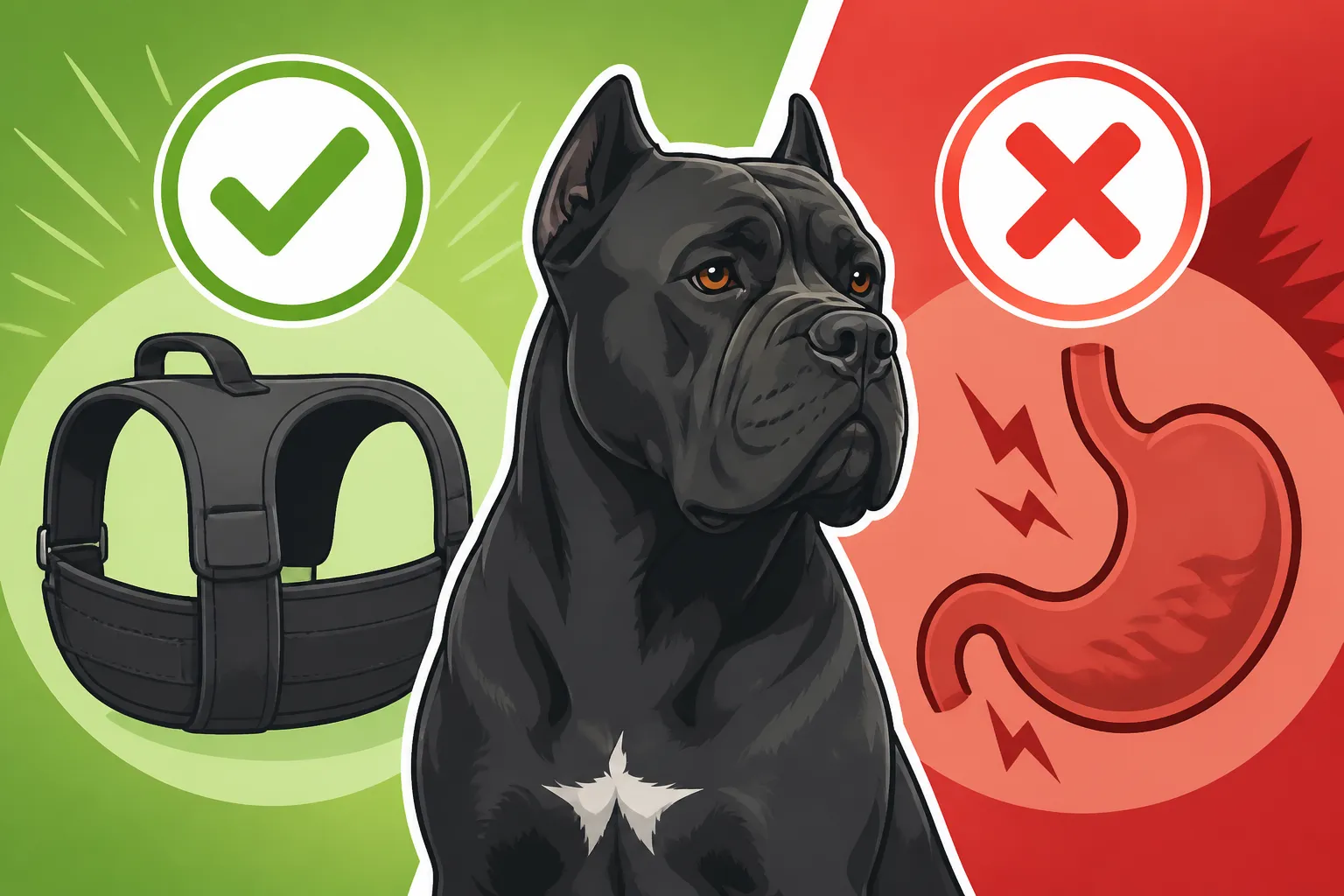
Whether a Cane Corso’s Stomach Tack Is Worth the Money
The fear of bloat, or Gastric Dilatation-Volvulus (GDV), is a shadow that hangs heavy over the hearts of many Cane Corso owners. This sudden, life-threatening condition can turn a perfectly healthy dog into a critical emergency in mere hours, often leaving us feeling helpless and terrified. This guide aims to thoroughly explore the proactive measure of a stomach tack, also known as a gastropexy, and help you understand whether this preventative surgery is a worthwhile investment for your deep-chested companion.
Understanding Gastric Dilatation-Volvulus (GDV) in Cane Corsos
Before we dive into the preventative measure, it's crucial to grasp the gravity of the condition it aims to prevent. Gastric Dilatation-Volvulus, or GDV, is an acute, life-threatening syndrome predominantly affecting large, deep-chested dog breeds like our beloved Cane Corsos. It's often referred to simply as "bloat," but that term doesn't quite capture the catastrophic nature of what's happening internally. This isn't just an upset stomach or too much gas; it's a critical emergency that requires immediate veterinary intervention.
The Terrifying Mechanism of Bloat
In GDV, the stomach first fills with gas, food, or fluid, causing it to distend and swell dramatically – this is the "dilatation" part. Picture a balloon inflating rapidly inside your dog's abdomen. But the real danger, and what makes GDV so lethal, is the "volvulus" – the twisting. Once distended, the stomach can rotate on its axis, often by 180 to 360 degrees. This rotation pinches off both the entry (esophagus) and exit (duodenum), trapping everything inside. It also cuts off blood flow to the stomach and spleen, causing tissue death and releasing toxins into the bloodstream. The pressure from the swollen stomach can also impair breathing and compress major blood vessels, leading to shock.
The speed at which this happens is terrifying. One moment your Cane Corso might be fine, and the next, they're showing signs of severe distress. Owners often describe a sudden onset of symptoms, escalating rapidly. For a breed like the Cane Corso, with their impressive size and deep chests, they are statistically at a much higher risk for this condition than many other breeds. It’s not a matter of if it might happen, but rather a constant, nagging worry for many of us.
Recognizing the Early Signs of Bloat
Knowing what to look for can literally be the difference between life and death. Early recognition is absolutely paramount when it comes to bloat, because every minute truly counts. We're not talking about waiting to see if things get better; we're talking about acting with extreme urgency the moment you suspect something is wrong.
Often, the first sign a Cane Corso is bloating is a change in behavior, specifically restlessness or discomfort. Your dog might pace, try to vomit but bring nothing up (known as non-productive retching), or whine and moan. You might notice them repeatedly looking at their flank, as if trying to understand the pain. Their abdomen might appear distended and feel tight to the touch, especially on the left side, though this isn't always obvious in the very early stages, particularly with a thick-coated dog. The First Sign a Cane Corso Is Bloating can be subtle, like excessive drooling or a rapid, shallow breath. They might assume a "praying" stance, with their front paws down and hind end up, trying to relieve pressure. As the condition progresses, they may become weak, collapse, have pale gums, or show signs of shock. If you observe any of these symptoms, do not hesitate. This is a 24/7 emergency that requires immediate transport to the nearest veterinary emergency clinic. Trying to "wait and see" can easily lead to a fatal outcome.
The Preventative Measure: Gastropexy Explained
A gastropexy, commonly referred to as a "stomach tack," is a surgical procedure designed to prevent the life-threatening stomach torsion (volvulus) associated with bloat. While it doesn't prevent the stomach from dilating (filling with gas), it physically prevents it from twisting, thus removing the most dangerous and often fatal component of GDV. For many Cane Corso owners, this procedure offers a profound sense of relief, knowing they've mitigated a significant health risk for their companion.
The Surgical Procedure: How a Gastropexy Works
The core idea behind a gastropexy is simple: the surgeon permanently attaches a section of the stomach wall to the abdominal wall. This attachment creates a permanent adhesion that holds the stomach in its correct anatomical position. If the stomach then fills with gas, it can still dilate, but it cannot twist. This means that while your dog might still experience discomfort from gas buildup (simple bloat), it won't progress to the critical, organ-damaging, and often deadly torsion.
The procedure itself can be performed in a couple of ways. Traditionally, it's done via an open incision, where the surgeon directly manipulates and attaches the stomach. However, with advances in veterinary medicine, laparoscopic (minimally invasive) gastropexy has become a popular option. This involves only small incisions and the use of a camera and specialized instruments, often leading to a quicker recovery time and less post-operative pain for the dog. Discussing the pros and cons of each method with your veterinarian is essential to determine the best approach for your Cane Corso.
Different Types of Gastropexy
There isn't just one way to perform a stomach tack; several techniques exist, each with slight variations. The goal is always the same: permanent adhesion.
- Incisional Gastropexy: This is a common method, usually performed during an open abdominal surgery. A small incision is made in the stomach wall's outer muscle layer, and a corresponding incision is made in the abdominal wall. The edges are then sutured together, creating a strong, fibrous adhesion as they heal. This method is highly effective.
- Laparoscopic-Assisted Gastropexy: This minimally invasive technique uses a laparoscope (a small camera) and specialized instruments inserted through small incisions. The surgeon can visualize the abdominal cavity and perform the tacking with less trauma to the surrounding tissues. It's often favored for its quicker recovery and reduced pain.
- Circumferential Gastropexy: Less common, this technique involves attaching a larger section of the stomach to the abdominal wall. It aims for a broader adhesion, which some believe offers even greater security. However, it's a more extensive procedure.
Your veterinarian will explain which method they prefer and why, based on their expertise, the equipment available, and your dog's individual circumstances. They might even recommend Whether a Cane Corso Should Have a Preventive Gastropexy at the same time as another routine surgery, like spaying or neutering, to combine anesthesia and recovery periods.
Weighing the Financial and Emotional Costs: Proactive vs. Reactive
This is where the real decision-making comes in. The question of Whether a Cane Corso's Stomach Tack Is Worth the Money boils down to a stark comparison between a planned, preventative measure and an emergency that is both unpredictable and financially devastating. No one wants to think about their dog undergoing surgery, but the alternative—a frantic dash to the emergency room with a bloated Cane Corso—is far more harrowing.
Preventative Gastropexy: Upfront Investment for Peace of Mind
A preventative gastropexy represents a planned, upfront investment in your Cane Corso's long-term health and your own peace of mind. The cost of this surgery can vary widely based on your geographic location, the veterinary clinic, and whether it's performed as an open procedure or laparoscopically. If scheduled concurrently with another surgery, like spaying or neutering, the overall cost might be lower as your dog is already under anesthesia.
While it's a significant expense, it's a known quantity. You can budget for it, plan for it, and ideally, arrange the timing when it's most convenient for your schedule and your dog's age. Many owners choose to get a gastropexy done when their Cane Corso is around 6-12 months old, often at the same time as their spay or neuter. Some breeders might even suggest this as a condition of their health guarantee. Platforms like Chewy and Healthy Paws offer pet insurance plans that may cover some of the costs, especially if it's considered a necessary preventative measure or if your plan was active before any signs of bloat appeared. It's worth looking into these options and understanding their specific coverage.
Emergency Bloat Surgery: The Unpredictable and Hefty Bill
The alternative to a preventative gastropexy is waiting for a bloat emergency to strike. This is where the true financial and emotional burden can become overwhelming. When a Cane Corso's stomach turns, it's a race against the clock. The Hours That Decide a Bloated Cane Corso's Outcome are critical, and the immediate need for advanced veterinary care means an emergency room visit, often in the middle of the night or on a holiday.
Emergency GDV surgery is far more complex and costly than a preventative gastropexy. Not only does the twisted stomach need to be untwisted and tacked, but the veterinary team also has to assess and treat any organ damage, manage shock, and provide intensive post-operative care. This includes bloodwork, IV fluids, pain medication, antibiotics, and often an overnight stay, sometimes for several days in critical care. What It Costs When a Cane Corso's Stomach Turns can easily run into thousands of dollars, far exceeding the cost of a planned gastropexy. And even with all that expense and effort, the prognosis for emergency bloat surgery is guarded, with mortality rates ranging significantly depending on how quickly intervention occurs and the severity of tissue damage. Knowing Whether a Cane Corso Can Bloat a Second Time after emergency surgery further complicates the decision, as the procedure usually includes a tack to prevent recurrence.
The Peace of Mind Factor
Beyond the stark financial comparison, there's the invaluable "peace of mind" factor. Living with a Cane Corso means constantly being aware of the bloat risk. Every restless night, every skipped meal, every attempt to vomit can send a shiver down your spine. For many, the ability to mitigate the most dangerous aspect of bloat provides immense relief.
Imagine no longer having that constant underlying worry. While no surgery is without risk, and simple bloat (dilation without twisting) can still occur, knowing that your dog's stomach is securely tacked can dramatically reduce anxiety. It allows you to enjoy your Cane Corso more fully, knowing you've taken a significant step to protect them from one of the most terrifying conditions a giant breed can face. For families, especially those with children who rely on the presence of their beloved dog, this emotional security can be truly priceless.
Factors to Consider Before Deciding on a Gastropexy
Deciding whether a gastropexy is right for your Cane Corso involves more than just understanding the procedure and the costs. It requires careful consideration of your dog's individual health, age, lifestyle, and a thorough discussion with your trusted veterinary team and potentially your breeder. This isn't a one-size-fits-all decision, and what's best for one Cane Corso might not be ideal for another.
Considering Your Cane Corso's Individual Risk
While Cane Corsos, as a deep-chested breed, are generally at a higher risk for GDV, individual factors can further influence that risk. For instance, dogs with a history of digestive sensitivities, those who eat very quickly, or those with highly anxious temperaments might be considered at even greater risk. Family history can also play a role; if your Cane Corso's parents or close relatives experienced bloat, their individual risk might be elevated.
Consider your dog's overall health profile. A Cane Corso with existing heart conditions, respiratory issues, or other medical problems might have increased anesthetic risk. Anesthesia Risk in a Deep Chested Cane Corso is a serious consideration for any surgery, and your vet will perform thorough pre-operative bloodwork and exams, possibly including The Cardiac Exam Behind a Cane Corso's Clearance if they are a breeding dog, to ensure your dog is a good candidate for surgery. An active, working Cane Corso might also benefit from the proactive measure, especially if their demanding lifestyle puts them at higher risk of eating too quickly or engaging in strenuous exercise too soon after meals.
Timing the Surgery: Often with Neutering/Spaying
For many owners, the ideal time to perform a preventative gastropexy is when their Cane Corso is already undergoing another planned surgery, such as spaying or neutering. Booking a Cane Corso's Stomach Tack With Its Neuter or spay offers several advantages:
- Single Anesthesia Event: Your dog only needs to go under anesthesia once, reducing the overall risk associated with sedation.
- Combined Recovery: The recovery period for both procedures can be managed simultaneously, minimizing stress and inconvenience for both you and your dog.
- Cost Efficiency: While the gastropexy itself adds to the bill, combining it with another surgery can sometimes reduce the overall cost compared to two separate procedures, as some overheads (like anesthesia induction) are only incurred once.
The recommended age for spaying or neutering large breeds like Cane Corsos has been a topic of evolving discussion, with many vets now advising waiting until the dog is closer to full maturity (around 18-24 months) to allow for proper joint and bone development. If you choose to wait for spaying/neutering, you'll need to weigh the benefits of delaying the gastropexy against the continued bloat risk during that waiting period. Discuss these timing considerations thoroughly with your vet to find the best window for your specific Cane Corso.
Discussing with Your Veterinarian and Breeder
Your veterinarian is your primary resource for making this decision. They can assess your individual Cane Corso, discuss the latest research on bloat and gastropexy, and provide a detailed breakdown of the procedure, risks, and costs. Don't be afraid to ask every question you have, no matter how small. They can help you understand What a Cane Corso CHIC Number Actually Certifies and review any health clearances your dog has or needs, which might provide insights into inherited risks.
Your breeder can also be an invaluable source of information. Responsible Cane Corso breeders often have extensive experience with the breed and a deep understanding of their lines. They can tell you if there's any history of bloat in your dog's pedigree and offer advice based on their own experiences with preventative measures. Some breeders might even include clauses in their puppy contracts regarding gastropexy, reflecting their commitment to the long-term health of the dogs they produce. Gathering information from both your vet and your breeder will help you make the most informed decision for your cherished Cane Corso.
| Feature | Preventative Gastropexy (Stomach Tack) | Emergency GDV (Bloat) Surgery |
|---|---|---|
| Timing | Planned, often with spay/neuter, before symptoms appear. | Unplanned, immediate emergency when bloat symptoms are severe. |
| Cost | Upfront, typically lower (e.g., $1,500-$4,000 depending on region/method). | Variable, often significantly higher (e.g., $4,000-$10,000+). |
| Procedure | Elective, less invasive (laparoscopic option available). | Complex, invasive, may involve removing damaged tissue (stomach/spleen). |
| Anesthetic Risk | Generally lower, as dog is healthy. | Higher, due to dog being in shock, compromised state. |
| Recovery | Usually faster and smoother (days to a few weeks). | Longer, more intensive, potential for complications (weeks to months). |
| Outcome | Prevents stomach twisting, greatly reduces fatality risk from GDV. | Variable, high mortality rate (20-50%) even with surgery. |
| Peace of Mind | High, reduces constant worry about bloat. | Low, constant fear of recurrence (if tack not performed during emergency). |
| Insurance | May be covered if preventative/part of wellness plan (check policy e.g., Healthy Paws). | Often covered by accident/illness plans (e.g., Healthy Paws, but check for waiting periods). |
| Brands | Consider Healthy Paws or similar for coverage. | Chewy or Ollie might offer specific large breed foods for healthy digestion to reduce simple bloat. |
Disclaimer
This article is for general informational purposes only and does not constitute professional advice. Laws, prices and regulations vary by location and change over time. Consult a qualified professional for guidance on your specific situation.