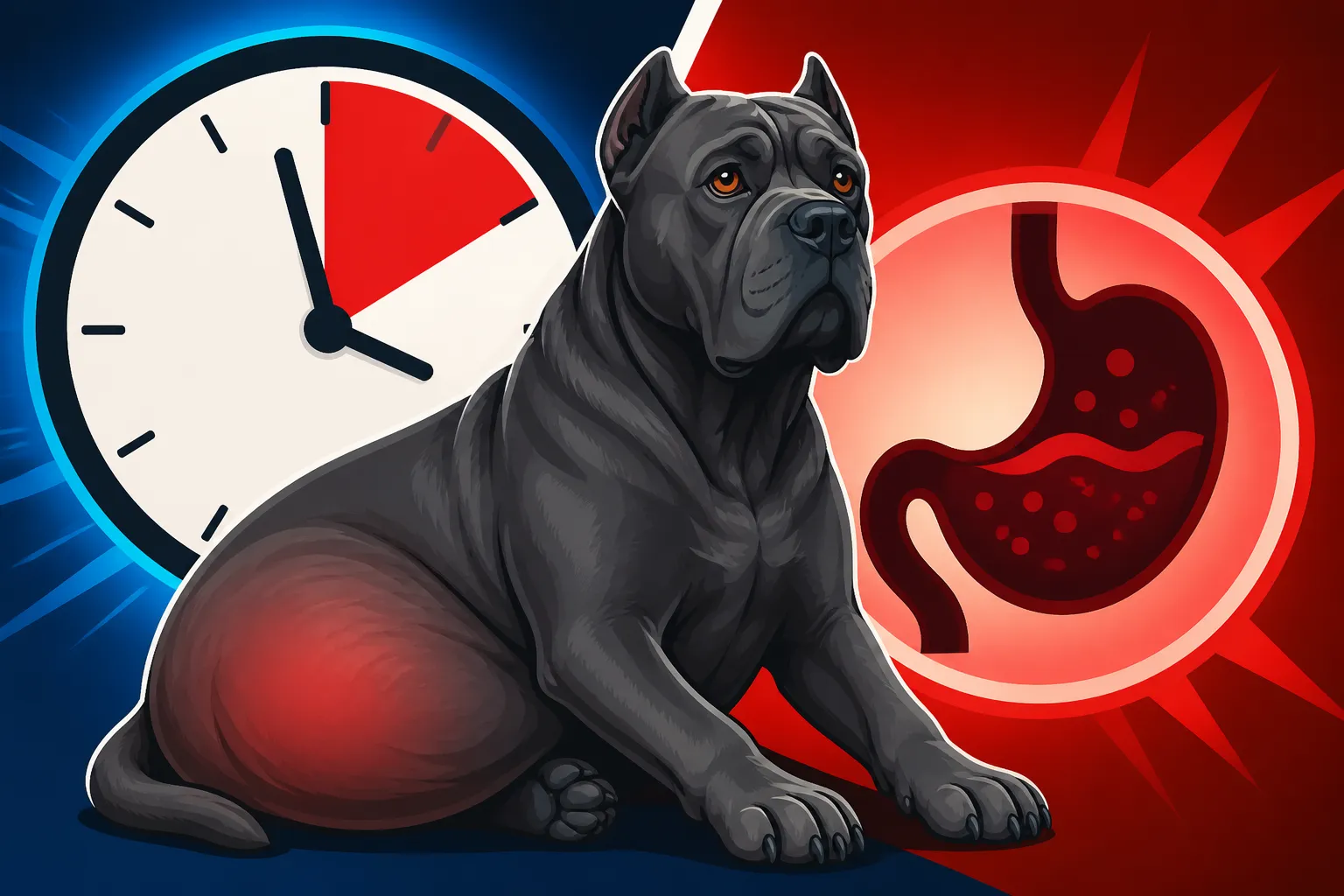
The Hours That Decide a Bloated Cane Corso’s Outcome
There's almost nothing more terrifying for a Cane Corso owner than the sudden, silent threat of bloat. One minute your powerful companion is fine, perhaps even enjoying a post-meal nap, and the next they're restless, drooling, and in agonizing pain, with their belly rapidly distending. This isn't just a stomach ache; it's a life-or-death emergency. Understanding the critical hours that follow the onset of bloat in a Cane Corso is paramount, and this guide is here to equip you with the knowledge that could literally save your dog's life when every second counts.
Understanding Bloat Gastric Dilatation-Volvulus in Cane Corsos
Bloat, medically known as Gastric Dilatation-Volvulus (GDV), is a terrifying condition where a dog's stomach fills with gas and then twists on itself. For deep-chested breeds like the Cane Corso, this isn't just a risk; it's a looming threat that every owner must understand. It's not a matter of if it might happen, but rather being prepared for when it potentially does. The sheer speed with which this condition can turn fatal is what makes it so uniquely terrifying for owners of these magnificent dogs.
Why Cane Corsos Are Prone to Bloat
Cane Corsos, like many large and giant breeds such as Great Danes, German Shepherds, and Standard Poodles, are disproportionately susceptible to bloat. Their deep, narrow chests are believed to be a significant anatomical factor. This chest conformation creates more space for the stomach to swing and twist when filled with gas or fluid, unlike breeds with broader, shallower chests. It's a cruel irony that a physical trait often admired in the breed standard also contributes to such a dire health risk.
Beyond anatomy, genetics likely play a role, though it's complex and not fully understood. Certain lines may carry a higher predisposition. Environmental factors also contribute, like eating too quickly, excessive exercise before or after meals, or even high-stress situations. Owners often feel a terrible helplessness, knowing that despite their best efforts, this silent killer can strike their beloved companion without warning, making vigilance their only true defense.
The Mechanics of Gastric Dilatation-Volvulus
At its core, GDV begins with gastric dilatation – the stomach filling rapidly with gas. This alone is painful, causing the stomach to expand like a balloon. But the true danger, and what differentiates GDV from simple bloat, is the volvulus: the stomach then twists, often 180 to 360 degrees, pinching off both the entry (esophagus) and exit (duodenum). This twisting traps the gas, food, and fluids inside, preventing them from escaping.
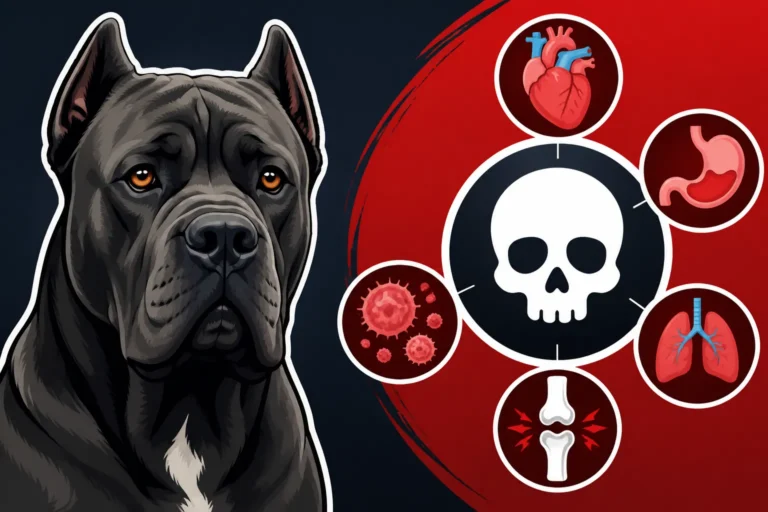
Once twisted, the stomach's blood supply is compromised. Tissues begin to die, toxins build up, and the pressure on surrounding organs, including the diaphragm and major blood vessels, becomes immense. This leads to a cascade of life-threatening events: reduced blood flow to the heart, shock, organ damage, and eventually, cardiac arrest. It's a rapid, agonizing descent into critical condition, where every passing minute brings your Cane Corso closer to the brink.
Distinguishing Simple Bloat from GDV
It's absolutely crucial to understand that not all bloat is GDV, but all GDV starts with bloat. Simple bloat, or gastric dilatation without volvulus, means the stomach is distended with gas but hasn't twisted. Your dog might be uncomfortable, trying to vomit, pacing, and have a distended belly, but if the stomach hasn't twisted, they can often still relieve the gas either by burping or vomiting. This is still a veterinary emergency, as simple bloat can progress to GDV, but the immediate, critical danger is less severe.
The challenging part is that early signs of simple bloat and GDV can be remarkably similar. This is why immediate veterinary attention is always necessary if you suspect any form of bloat. You simply cannot tell with certainty at home whether the stomach has twisted. A vet will perform X-rays to confirm the presence of volvulus, which is the defining factor that dictates the urgency and type of intervention required. Don't ever play the waiting game, thinking it might just be gas; the stakes are too high.
Recognizing the Early Signs of Bloat
The insidious nature of bloat is that its initial symptoms can be subtle, easily dismissed as mild indigestion or general discomfort. This makes it incredibly challenging for even the most attentive Cane Corso owner to catch in the fleeting moments when intervention is easiest. The key to improving outcomes lies in hyper-vigilance and knowing exactly what to look for, even if it means erring on the side of caution. As outlined in The First Sign a Cane Corso Is Bloating, early detection is the only true ally.
Subtle Cues That Are Easy to Miss
One of the earliest and most overlooked signs of bloat in a Cane Corso is restlessness or pacing. Your dog might seem unable to get comfortable, constantly shifting positions, standing up and lying down, or wandering aimlessly. They might look at their flank or show mild abdominal discomfort that seems vague. You might also notice excessive drooling, more than their usual Corso slobber, perhaps thick and stringy. These signs, on their own, might not scream "emergency," but in a deep-chested breed, they should immediately raise a red flag.
Another tell-tale, yet often missed, symptom is repeated, unsuccessful attempts to vomit. Your Cane Corso might heave, gag, or dry-retch, but nothing comes up except perhaps a small amount of foamy saliva. This is a critical indicator that the stomach entrance is blocked. They are trying desperately to relieve the pressure, but the twist prevents any contents from exiting. This frustrating and painful symptom is a strong signal that GDV is likely occurring and that you need to act, and fast.
The Progression of Symptoms
As bloat progresses, the symptoms become more obvious and alarming. The most characteristic sign is the visible distension of the abdomen, often becoming firm and taut, especially on the left side behind the last rib. It can feel like a drum when gently tapped. Your Cane Corso will likely become increasingly distressed, showing signs of severe pain, such as whining, panting heavily, and rapid, shallow breathing. Their gums might become pale or even bluish, indicating poor circulation.
The dog's posture might also change dramatically. They may stand with their front and back legs splayed out in an attempt to relieve pressure, or adopt a hunched-over stance. Their heart rate will increase, and they may show signs of weakness or collapse as they go into shock. This rapid deterioration underscores why seconds count. If you see your Cane Corso exhibiting these later-stage symptoms, it's not a moment for contemplation; it's a full-blown crisis demanding immediate action.
Telling Bloat From a Full Belly in a Cane Corso
For new Cane Corso owners, or even experienced ones, it can sometimes be challenging to differentiate between a truly bloated stomach and a simply full belly after a hearty meal. Cane Corsos have robust appetites, and their deep chests can sometimes make their post-meal fullness appear more pronounced. However, there are key distinctions. A full belly will feel soft and yielding to the touch, and your dog will likely be content, perhaps settling down for a nap or relaxing. They won't be restless, attempting to vomit, or showing signs of pain.
A bloated stomach, on the other hand, will feel drum-tight and hard, often appearing visibly distended. The discomfort will be undeniable. Your dog will be pacing, restless, drooling, and making those tell-tale unproductive retching sounds. If you gently tap the side of their abdomen, a bloated stomach might produce a hollow, drum-like sound, whereas a full stomach will not. When in doubt, always err on the side of caution. A false alarm might mean an expensive vet visit, but waiting when it is bloat could mean losing your beloved dog. Remember, Telling Bloat From a Full Belly in a Cane Corso is a skill every owner should cultivate.
The Critical "Golden Hour" Window
When it comes to Gastric Dilatation-Volvulus in Cane Corsos, time is not just a factor; it is the factor. Many veterinarians and emergency specialists refer to a "golden hour" – a crucial window of opportunity during which intervention is most likely to be successful. Miss this window, and the prognosis significantly worsens. This isn't an exaggeration; it's a stark reality that every owner needs to internalize.
Why Time is Your Biggest Enemy
The internal damage caused by GDV progresses incredibly fast. As the stomach twists, it immediately cuts off its own blood supply, leading to tissue death (necrosis). Meanwhile, the trapped gas and fluid put immense pressure on nearby organs, including the spleen and the vena cava, a major vein that returns blood to the heart. This pressure quickly impairs blood flow throughout the body, sending the dog into a state of shock.
This rapid decline means that the chance of successful intervention drops significantly with every passing minute. If the stomach tissue dies, even if the twist is corrected, the dog may not survive. The toxins released from dying tissue can also lead to systemic organ failure. This is why, for Cane Corsos, suspicion of bloat demands immediate, emergency veterinary attention, not a "wait and see" approach. Delay can literally be fatal.
The Rapid Decline of a Bloated Dog
A Cane Corso showing early signs of bloat can deteriorate shockingly fast. What starts as restlessness and mild discomfort can become severe pain, visible abdominal distension, heavy panting, and signs of shock within minutes to an hour. We're talking about a dog who might be greeting you happily one moment, then an hour later is collapsed, barely responsive, and struggling to breathe. This rapid progression is what makes GDV so terrifying.
The pressure on the diaphragm makes breathing difficult, and the reduced blood flow compromises every organ system. The heart works harder, but less efficiently. This cascade of events means that by the time severe symptoms are obvious, the dog is already in a critical state, making resuscitation and surgical correction more challenging and risky. The prognosis correlates directly with the speed of treatment.
The Importance of Immediate Action
Given the brutal speed of GDV, immediate action is not just advised, it's mandatory. This means having an emergency plan in place before bloat strikes. Know the fastest route to your nearest 24-hour emergency veterinary clinic. Have their number saved in your phone. Ensure you have a way to transport your large Cane Corso, even if they are reluctant to move or are in immense pain.
Thinking ahead about these logistics can shave off precious minutes when you're under extreme stress. Every minute saved in getting your dog to veterinary care increases their chances of survival. This is the difference between a successful outcome and a heartbreaking loss. The "golden hour" isn't a suggestion; it's the lifeline for your Cane Corso.
What to Do Immediately When You Suspect Bloat
The moment you suspect bloat, panic is a natural reaction. Your mind races, your heart pounds, and you feel a terrible sense of urgency. But in these critical moments, while speed is essential, so is clarity. Having a pre-planned course of action can make all the difference, cutting through the fear and guiding you to do exactly what's needed for your Cane Corso.
Emergency Contact and Transport Protocols
Your absolute first step is to call your veterinary clinic or the nearest emergency animal hospital immediately. Do not just show up. Calling ahead allows them to prepare for your arrival, gather the necessary staff, and have equipment ready. Explain your symptoms clearly: "My Cane Corso is showing signs of bloat – restless, unproductive retching, distended abdomen." This alerts them to the severity of the situation.
Once you've called, transport your dog as quickly and safely as possible. If you have a second person, one can drive while the other monitors your dog. If your Cane Corso is large and in pain, they might be difficult to move. Use a sturdy blanket or a board as a makeshift stretcher if needed. Maintain a calm demeanor as much as you can; your stress can transfer to your dog, further exacerbating their condition.
Initial Assessment at Home
While en route to the vet, or if you're momentarily stuck, keep a close eye on your Cane Corso's condition. Are their gums still pink? Are they struggling more to breathe? While there's little you can do medically, monitoring allows you to provide the emergency veterinary team with crucial updates. You might be tempted to try to relieve gas, but never attempt to "burp" or force your dog to vomit. This can be dangerous and ineffective if the stomach is truly twisted.
Some old advice suggested trying to walk the dog, but this can actually worsen the situation by encouraging the stomach to twist further or by stressing an already compromised dog. The primary goal is to get your dog to professional medical care. Everything else is secondary. The advice on Recognizing Bloat in a Cane Corso Before It Turns emphasizes watching for the critical early signs to avoid waiting until the situation is dire.
Avoiding Common Mistakes
One of the most common, and potentially fatal, mistakes owners make is delaying veterinary care. Thinking it might just be gas or waiting to see if symptoms improve is a gamble you cannot afford to take with a Cane Corso. Another mistake is giving over-the-counter antacids or gas relievers. These will not help if the stomach is twisted and can delay critical treatment.
Similarly, don't try home remedies or anything you've seen online that isn't recommended by a vet. The only effective treatment for GDV is immediate professional veterinary intervention, which often includes surgery. Remember, your Cane Corso is facing a time-sensitive, mechanical problem that only a vet can correctly diagnose and treat.
Veterinary Intervention and Treatment Options
Once your Cane Corso arrives at the emergency clinic, a team of veterinarians and technicians will swing into action. This is where professional expertise and specialized equipment become your dog's best chance at survival. The process is intense, often involving a multi-pronged approach to stabilize, diagnose, and ultimately correct the life-threatening condition.
Stabilization and Diagnosis at the Clinic
Upon arrival, the veterinary team’s first priority is to stabilize your Cane Corso. This usually involves placing intravenous (IV) catheters to administer fluids for shock, pain medication, and potentially antibiotics. They will monitor vital signs such as heart rate, respiratory rate, and blood pressure. Oxygen may be given to help with breathing difficulties.
Concurrently, diagnostic imaging, typically X-rays, will be performed to confirm GDV. The X-ray will clearly show if the stomach is distended with gas and, crucially, if it has twisted. If a twist is confirmed, the veterinary team will discuss surgical options immediately. Sometimes, a large needle may be used to carefully decompress the stomach from the outside, a procedure called trocarization, to relieve some pressure before surgery, though this is only a temporary measure.
Surgical Correction: Gastropexy
The definitive treatment for GDV is surgery, known as gastropexy. During the operation, the surgeon carefully untwists the stomach, checks for any damage to the stomach wall or spleen, and addresses any necrotic (dead) tissue. The most critical part of the surgery is the pexy itself: stitching the stomach to the abdominal wall. This procedure, whether a circumferential gastropexy or incisional gastropexy, is designed to permanently prevent the stomach from twisting again in the future.
While the surgery is complex and carries risks, especially given the dog's compromised state, it's essential for long-term prevention. Many owners find that considering Anesthesia Risk in a Deep Chested Cane Corso is important before any surgery, but for bloat, the emergency nature often means weighing immediate survival against these risks. The surgery for GDV can be incredibly costly, and this is where pet insurance, such as a plan from Healthy Paws, can be an absolute lifesaver, helping owners manage the financial burden of such an intensive emergency.
The Recovery Process
After surgery, your Cane Corso will require intensive post-operative care in the hospital. They will be closely monitored for complications like heart arrhythmias, infection, or further shock. Pain management is crucial, as is careful reintroduction to food and water. This initial recovery period can last several days, depending on the severity of the GDV and how well your dog responds to treatment.
Once home, the recovery continues. Your vet will provide detailed instructions for wound care, medication administration, and activity restrictions. It’s a challenging time for both dog and owner, filled with anxiety and hope. What It Costs When a Cane Corso's Stomach Turns is a significant concern for many, highlighting why proactive planning, including considering options like Healthy Paws for emergency coverage, is invaluable.
Post-Operative Care and Prevention
Surviving a bloat episode is a huge hurdle, but the journey doesn't end there. Post-operative care is crucial for a full recovery, and implementing preventative strategies is paramount to minimize the risk of a recurrence or initial onset in other at-risk Cane Corsos. Many of these strategies revolve around simple changes to feeding habits and lifestyle.
Monitoring at Home After Surgery
Once your Cane Corso is home from the hospital, vigilant monitoring is essential. Follow your vet's instructions precisely regarding medication, diet, and activity. Keep the incision site clean and dry, and watch for any signs of redness, swelling, or discharge, which could indicate infection. Your dog will likely be on a bland diet for a while, and small, frequent meals are usually recommended.
Observe your dog for any signs of discomfort, changes in appetite, or unusual behavior. Even with a gastropexy, complications can arise, although the risk of GDV recurrence is drastically reduced. Limiting strenuous exercise, especially after meals, will be critical during the recovery period and generally advised for life. Remember, their body has been through immense trauma, and a slow, gentle return to normalcy is key.
Long-Term Management and Lifestyle Changes
Prevention is always better than cure, especially with bloat. For Cane Corsos, a lifelong commitment to careful feeding practices is essential. This includes feeding multiple small meals per day rather than one large one, using slow-feeder bowls to prevent rapid ingestion of food, and ensuring a calm eating environment. Avoid exercise, excitement, or large amounts of water consumption immediately before or after meals. These The Mealtime Habits That Turn a Cane Corso's Stomach are small adjustments that can make a huge impact.
Some owners prefer to feed from bowls placed directly on the floor rather than raised bowls, as studies have shown mixed results on whether raised bowls actually increase or decrease risk. It's a topic still debated among experts, but the consensus is to avoid any activity that causes air gulping or excessive stomach movement around meal times. A good quality diet, maintaining a lean body condition, and managing stress are also important general health practices that support overall well-being.
Whether a Cane Corso Should Have a Preventive Gastropexy
For many Cane Corso owners, the thought of GDV is so terrifying that they consider a prophylactic (preventative) gastropexy, even if their dog has never bloated. This procedure involves surgically tacking the stomach to the abdominal wall before bloat occurs, preventing the stomach from twisting in the future. It's often performed during another elective surgery, such as neutering or spaying, when the dog is already under anesthesia.
The benefits are clear: significantly reducing the risk of GDV, which is a life-saving measure for a breed highly prone to the condition. The downside is that it's still a surgical procedure with associated risks and costs. However, many vets and owners feel the peace of mind and the prevention of a potentially fatal emergency are well worth it. Discussions around Whether a Cane Corso Should Have a Preventive Gastropexy are common in the breed community, and for many, Booking a Cane Corso's Stomach Tack With Its Neuter becomes a standard part of their ownership plan. It's an investment in your dog's future, and knowing that your pet insurance, like Healthy Paws, might cover such a procedure can influence the decision to proceed with preventative measures.
Disclaimer
The information provided in this article is for educational and informational purposes only, and does not constitute veterinary advice. Always consult with a qualified veterinarian for any health concerns or before making any decisions about your Cane Corso's health or treatment.