Skin Allergies That Flare on a Cane Corso
It’s truly disheartening to see your magnificent Cane Corso constantly scratching, licking, and rubbing, often leading to irritated skin, raw spots, and even infections. Skin allergies are an incredibly frustrating and uncomfortable reality for many Cane Corso owners, leaving you feeling helpless as you try to pinpoint the source of their endless itch. This comprehensive guide is here to walk you through understanding why your Cane Corso might be experiencing these flare-ups, how to identify the signs, and, most importantly, how to work with your vet to manage and bring relief to your beloved companion.
Understanding the Common Culprits Behind Cane Corso Skin Allergies
Skin allergies in Cane Corsos aren't just a simple itch; they're an immune system overreaction to otherwise harmless substances. These powerful dogs, with their short, dense coats and sometimes wrinkled skin, can be particularly susceptible to various allergens that trigger a cascade of uncomfortable symptoms. It's a complex puzzle, and often, more than one type of allergy is at play, making diagnosis and management a long-term commitment.
Environmental Allergies: The Invisible Irritants
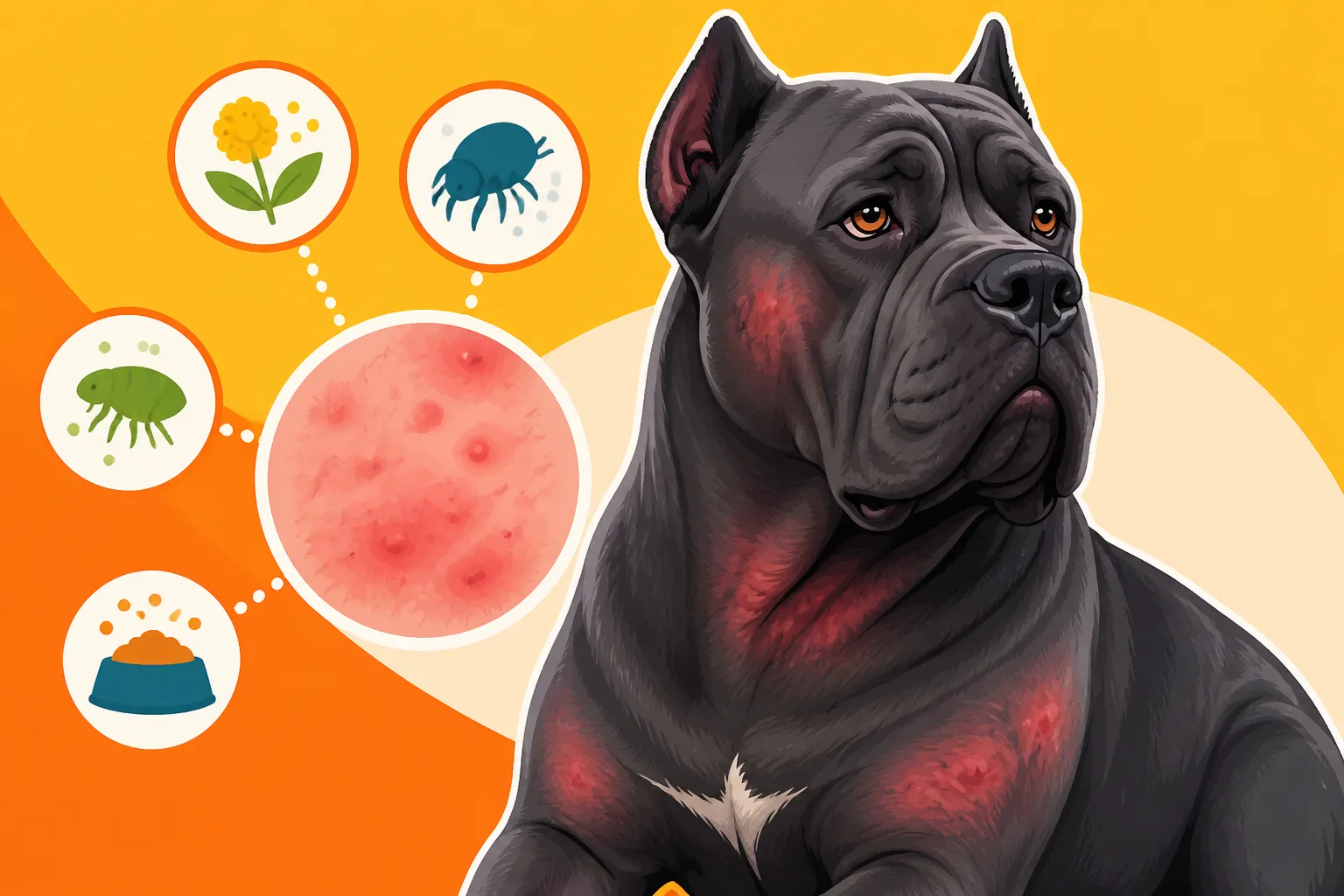
Environmental allergies, often referred to as atopic dermatitis or atopy, are by far the most common culprits. Just like people, dogs can react to things floating in the air or present in their surroundings. The frustrating part is that these allergens are everywhere, and the seasons can drastically impact their presence, leading to cyclical flare-ups.
Think about it: during spring, pollen from trees like oak, birch, and maple explodes into the air. In summer and fall, grass pollens and weeds like ragweed become the dominant issue. And indoors, year-round allergens like dust mites, mold spores, and even human dander can keep your Cane Corso miserable. Unlike humans who typically show respiratory symptoms like sneezing, dogs often manifest environmental allergies through their skin. Their immune system perceives these everyday particles as threats, launching an inflammatory response that primarily targets the skin, leading to intense itching and discomfort. It's common to see a beautiful brindle Cane Corso rubbing its face along the carpet or compulsively licking its paws after a walk, trying desperately to find relief from these invisible irritants.
Food Allergies and Sensitivities: What's in the Bowl?
While less common than environmental allergies, food allergies and sensitivities can be just as debilitating for your Cane Corso. The difference between an allergy and a sensitivity is subtle: an allergy involves an immune system response, while a sensitivity is more of a digestive issue, though both can cause skin problems. Identifying a food allergy can be incredibly challenging because the symptoms often mirror those of environmental allergies, and they can develop at any age, even after years of eating the same food.
The most common food allergens for dogs are often protein sources they've been exposed to repeatedly. We're talking about ingredients like chicken, beef, dairy, wheat, and sometimes even soy or corn. It’s a common misconception that grain-free foods are automatically better for allergies, but often, the protein source is the real issue. When a Cane Corso's immune system reacts to a food ingredient, it can cause chronic itching, skin inflammation, recurrent ear infections, and gastrointestinal upset like diarrhea or vomiting. This is why when tackling an itchy Cane Corso, diet is one of the first things to meticulously investigate, often requiring a dedicated An Elimination Diet for an Itchy Cane Corso to properly identify the trigger.
Contact Dermatitis: The Direct Touch Reaction
Contact dermatitis is exactly what it sounds like: a skin reaction caused by direct contact with an irritating substance. This type of allergy is generally less common but can be very acute and localized to the areas that came into contact with the allergen. Imagine your Cane Corso lounging on a freshly treated lawn, or rubbing against a plant in the yard that contains an irritant.
Common culprits include certain cleaning products, carpet deodorizers, fabric softeners, topical flea treatments, certain types of plastics (especially in food bowls), or even specific plant materials like poison ivy or certain grasses. The reaction typically appears on sparsely haired areas like the belly, paw pads, and muzzle. The key differentiator here is the localized nature of the irritation; if your Cane Corso only has a rash on its belly after lying on a recently sprayed lawn, contact dermatitis is a strong possibility. It’s important to remember that these powerful dogs interact with their environment constantly, and seemingly innocuous items can sometimes be the source of severe discomfort.
Recognizing the Telltale Signs of an Allergic Flare-Up on Your Cane Corso
It can be incredibly frustrating to watch your Cane Corso suffer from constant itching and irritation. Their stoic nature might mask some discomfort, but an allergic flare-up quickly becomes impossible to ignore. Recognizing these signs early is crucial for getting your dog relief and preventing secondary infections. It’s not just about a little scratch now and then; it’s about persistent, noticeable changes in their behavior and skin health.
Persistent Itching, Licking, and Chewing
The most obvious sign of an allergy is incessant itching, licking, and chewing. If your Cane Corso is constantly scratching behind its ears, gnawing at its paws, or licking its flanks, something is definitely amiss. This isn't just a casual scratch; it's a driven, desperate attempt to relieve an intense itch that simply won't go away. You might notice them rubbing their face on furniture or the carpet, or even scooting their hindquarters along the ground.
This persistent self-trauma often leads to further skin irritation, hair loss, and open sores, creating a vicious cycle. What might start as an itch on the belly can quickly spread to the armpits, inner thighs, and even the base of the tail. Owners often report being kept awake at night by the rhythmic thump, thump, thump of their dog scratching. This constant activity is a clear signal that your Cane Corso is deeply uncomfortable and needs intervention. Don't dismiss it as just a "nervous habit"; it's a symptom demanding attention.
Redness, Rashes, and Inflamed Skin
Beyond the itching itself, the visual signs on your Cane Corso's skin can be incredibly telling. Allergic reactions often manifest as redness, known as erythema, which can range from a faint pink blush to an angry, fiery red across large patches of skin. You might see small, red bumps or pustules, resembling a rash, particularly on the belly, groin, or between the toes. The skin might feel warm to the touch and appear thickened or leathery over time, especially in chronically affected areas.
Look closely at areas where skin folds occur, like around the muzzle or under their powerful neck, as these can trap moisture and allergens, exacerbating irritation. For Cane Corsos, these areas are often prone to developing The Yeast Smell on a Cane Corso's Skin Folds, indicating a secondary yeast infection that thrives on inflamed, moist skin. The visual changes are often proportional to the severity and chronicity of the itching, moving from mild redness to significant inflammation and skin changes if left untreated.
Hair Loss, Scabs, and Secondary Infections
The relentless itching and skin inflammation inevitably take a toll on your Cane Corso's coat and overall skin integrity. One of the most heartbreaking signs is hair loss, or alopecia, which results from constant scratching, licking, and chewing. You might start seeing The Bald Patches a Cane Corso Puppy Develops, not just from Demodectic mange, but from relentless allergic scratching. These bald patches can be localized or spread across significant portions of their body.
As your Cane Corso breaks the skin barrier through self-trauma, bacteria and yeast, which are naturally present on the skin, can seize the opportunity to invade. This leads to secondary bacterial skin infections (pyoderma) or yeast infections (Malassezia dermatitis). These infections cause further itching, more redness, scabs, crusts, and often a foul, yeasty odor. In severe cases, you might see oozing sores, hot spots, or even deep skin infections that require aggressive antibiotic or antifungal treatment. Recurrent Ear Infections in a Cane Corso With Natural Ears are also a very common manifestation of underlying allergies, as the ear canal is essentially an extension of the skin. It’s a harsh reality that neglecting early allergy symptoms can quickly escalate into much more serious and painful complications for your Cane Corso.
The Diagnostic Journey: Pinpointing Your Cane Corso's Allergy Triggers
Figuring out what's actually bothering your Cane Corso can feel like detective work, and truthfully, it often is. There's no single magic test that immediately reveals all the answers for every dog. The diagnostic journey requires patience, collaboration with your veterinarian, and a methodical approach to rule out different possibilities. It’s about narrowing down the field until you can identify the specific triggers.
Ruling Out Other Skin Conditions First
Before jumping to allergy conclusions, your vet will perform a thorough physical examination and likely recommend some initial tests to rule out other common skin conditions that can mimic allergies. It's crucial not to skip this step, as treating for allergies when the real issue is something else can prolong your Cane Corso's discomfort.
One of the first things a vet will look for is external parasites. Fleas, ticks, and mites can cause intense itching and skin irritation that looks strikingly similar to allergic reactions. A common culprit, especially in younger Cane Corsos, is Demodectic Mange on a Young Cane Corso, which can cause hair loss and redness that might be mistaken for an allergy. Your vet will likely perform skin scrapings to look for mites, and possibly a fungal culture to rule out ringworm, which also causes itchy, circular lesions. They might also check for bacterial or yeast infections, which, while often secondary to allergies, can also be primary issues or exacerbate existing ones. Addressing these underlying conditions is often the first step towards getting clearer diagnostic results for allergies themselves.
Allergy Testing for Environmental Triggers
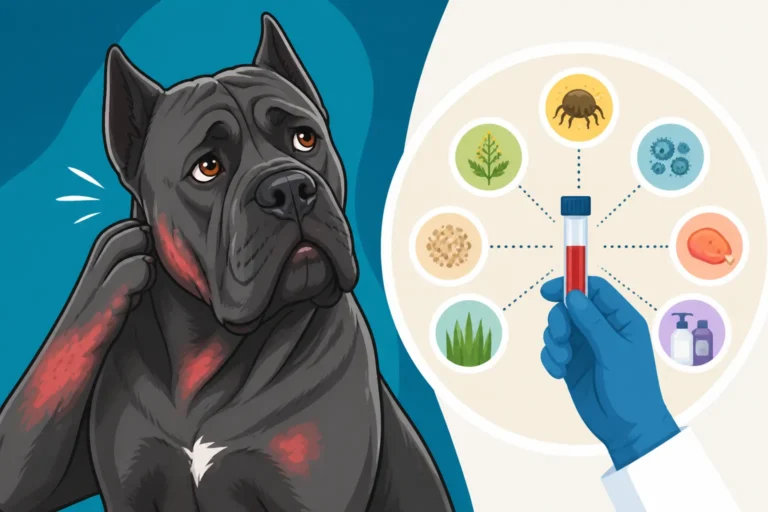
Once other conditions are ruled out, if environmental allergies are suspected, your vet might suggest specific allergy testing. There are primarily two types of tests used for environmental allergens: intradermal skin testing and serum IgE blood testing.
Intradermal skin testing is considered the "gold standard" by many veterinary dermatologists. It involves injecting tiny amounts of various common environmental allergens (like pollens, molds, dust mites) just under the skin of your Cane Corso, usually on a shaved patch on their side. The vet then observes for localized reactions (redness, swelling) at the injection sites, indicating a positive allergy. This procedure requires sedation and is typically performed by a specialist. The results are usually quite accurate and can help create a personalized allergen-specific immunotherapy (ASIT) vaccine.
Serum IgE blood testing, on the other hand, involves taking a blood sample and sending it to a specialized lab. The lab measures the levels of IgE antibodies produced in response to specific allergens. This test is less invasive than skin testing and can be performed by any vet. While convenient, its accuracy can sometimes be debated among specialists, with some finding it less precise than intradermal testing. However, it can still provide valuable insights and guide management strategies. Understanding the options for Allergy Testing for an Itchy Cane Corso is vital for developing a targeted treatment plan. These tests are not inexpensive, and many owners find that a good pet insurance plan, like those offered by Healthy Paws, can be incredibly helpful in covering the costs associated with advanced diagnostics.
The Food Elimination Diet Protocol
When food allergies are on the table, the gold standard for diagnosis is a strict food elimination diet. This isn't a simple food swap; it's a carefully controlled dietary trial that requires immense dedication from you, the owner. The goal is to feed your Cane Corso a novel protein and carbohydrate source – meaning ingredients they have never eaten before – for a period of at least 8-12 weeks.
During this time, absolutely no other foods, treats, flavored medications, or even dropped crumbs are allowed. This means no table scraps, no flavored toys, and vigilant supervision to prevent them from scavenging. Common novel protein sources might include venison, duck, rabbit, or even kangaroo, paired with a novel carbohydrate like potato or peas. There are also hydrolyzed protein diets, where the protein molecules are broken down so small that the immune system doesn't recognize them as allergens. After the elimination phase, if your Cane Corso's symptoms have significantly improved, you then reintroduce old food ingredients one by one, watching for a return of symptoms. If symptoms reappear after reintroducing chicken, for instance, then chicken is identified as an allergen. This protocol is the most reliable way to definitively identify food triggers, despite its demanding nature.
Managing and Treating Cane Corso Skin Allergies: A Multifaceted Approach
Once you have a better understanding of what's causing your Cane Corso's skin woes, the real work of management begins. Treating allergies is rarely a one-shot deal; it often involves a multifaceted approach combining medications, environmental controls, and supportive therapies. The goal is not just to suppress symptoms but to improve your dog's quality of life and prevent frustrating flare-ups.
Medications for Immediate Relief and Long-Term Control
For immediate relief from severe itching and inflammation, veterinarians often prescribe medications. Corticosteroids, like prednisone, are very effective at reducing inflammation quickly, providing a much-needed break from the incessant itch-scratch cycle. However, long-term use of steroids can have significant side effects, so they are typically used for short bursts during severe flare-ups or at the lowest effective dose.
Newer, targeted medications have revolutionized allergy management. Drugs like oclacitinib (Apoquel) work by targeting specific pathways in the immune system responsible for the itch sensation and inflammation, often providing relief within hours without many of the side effects associated with steroids. Another option is lokivetmab (Cytopoint), an injectable antibody treatment that specifically targets canine itch pathways and can provide 4-8 weeks of relief with a single injection. For secondary bacterial infections, oral antibiotics are prescribed, while antifungal medications are used for yeast overgrowths. It's common for a veterinarian to prescribe Medicated Shampoo for a Cane Corso with Mange even if mange isn't the primary issue, as these shampoos are excellent at treating secondary bacterial and yeast infections common with allergies. The cost of these prescription medications, especially long-term, can add up, highlighting the benefit of pet insurance plans such as Healthy Paws to help manage veterinary expenses.
Allergen-Specific Immunotherapy (ASIT)
For environmental allergies, allergen-specific immunotherapy (ASIT), often called "allergy shots" or "allergy drops," is the only treatment that aims to change the immune system's response to allergens rather than just suppressing symptoms. Based on the results of intradermal or serum allergy testing, a custom vaccine is formulated containing tiny amounts of the specific allergens your Cane Corso reacts to.
This vaccine is then administered either via injections (typically given at home by the owner) or as oral drops under the tongue. The idea is to gradually desensitize the immune system, teaching it to tolerate the allergens rather than overreacting to them. ASIT is a long-term commitment, often taking 6-12 months to see significant improvement, and some dogs may need it for life. It's not a quick fix, and it doesn't work for every dog, but for many Cane Corsos with environmental allergies, it can dramatically reduce their reliance on other medications and improve their overall quality of life. The initial cost for testing and vaccine formulation can be substantial, but the long-term benefits of reduced itching and medication needs often make it a worthwhile investment.
Topical Therapies and Supportive Care
Beyond systemic medications, topical therapies play a critical role in managing skin allergies in Cane Corsos. Frequent bathing with medicated shampoos can help remove allergens from the coat, soothe irritated skin, and treat secondary infections. Shampoos containing ingredients like chlorhexidine for bacteria, miconazole for yeast, or colloidal oatmeal for soothing can be incredibly beneficial.
Specialized conditioners and rinses can help restore the skin barrier, adding moisture and reducing inflammation. Wipes are fantastic for cleaning skin folds, paws, and ear canals regularly, especially after outdoor activities, to remove allergens and prevent microbial overgrowth. For particularly irritated paws, soaking them in an Epsom salt solution or applying a prescribed topical cream can bring relief. Additionally, incorporating omega-3 fatty acids, like those found in fish oil, into your Cane Corso's diet has been shown to support skin barrier health and reduce inflammation, often making a noticeable difference in how their skin responds. Many owners find that regularly supplementing with Whether Fish Oil Settles a Cane Corso's Itchy Skin can be a gentle yet effective way to support their dog’s skin health from within.
Long-Term Care and Prevention Strategies for a Healthy Cane Corso Coat
Managing your Cane Corso's skin allergies is often a lifelong journey, requiring vigilance and consistent effort. While there might not be a "cure," you can implement a variety of strategies to minimize flare-ups, support a healthy coat, and ensure your powerful companion remains as comfortable and itch-free as possible. It’s about creating an environment and routine that works with their sensitivities, rather than against them.
Environmental Controls and Allergen Reduction
For Cane Corsos with environmental allergies, reducing their exposure to triggers is paramount. This can involve several practical steps around your home and during walks. Indoors, use high-efficiency particulate air (HEPA) filters in your vacuum cleaner and HVAC system to capture dust mites, pollen, and mold spores. Regularly vacuuming and washing bedding (both yours and your dog's) in hot water can significantly reduce dust mite populations. Consider using a dehumidifier in damp areas to control mold growth.
During high pollen seasons, limit your Cane Corso's outdoor exposure during peak pollen times (usually early morning and late afternoon). After outdoor adventures, gently wipe down their paws, belly, and coat with a damp cloth or a pet-safe wipe to remove clinging pollens. If they have a specific allergy to certain grasses or plants, try to adjust your walking routes or maintain your yard to minimize contact. This might mean avoiding walks through tall fields if grass pollen is a known issue, or being mindful of newly sprayed lawns.
Dietary Management and Supplementation
If a food allergy has been identified through an elimination diet, strict avoidance of the trigger ingredients is the most effective prevention strategy. This means carefully reading ingredient labels on all dog food, treats, and even medications. Look for limited-ingredient diets or prescription hydrolyzed protein diets specifically formulated for allergic dogs. It's also wise to educate family members and guests about your Cane Corso's dietary restrictions to prevent accidental exposure.
Beyond allergen avoidance, certain dietary supplements can support overall skin health. As mentioned, omega-3 fatty acids are incredibly beneficial for their anti-inflammatory properties and for strengthening the skin barrier. Probiotics can also play a role by supporting a healthy gut microbiome, which is intrinsically linked to immune function and can influence skin health. Always discuss any supplements with your vet to ensure they are appropriate for your individual Cane Corso and won't interfere with other treatments or underlying conditions. The topic of Diet Changes That Upset a Deep Chested Cane Corso is important not just for digestive health, but for avoiding potential allergy triggers that could manifest as skin issues.
Regular Grooming and Skin Barrier Support
Consistent grooming is a cornerstone of allergy management for a Cane Corso. Regular bathing, even with non-medicated, hypoallergenic shampoos, helps to physically remove environmental allergens, dirt, and excess oils from the skin and coat. The frequency will depend on your dog’s specific needs and your vet’s recommendation, but for many allergic dogs, weekly or bi-weekly baths are common.
Using a good quality leave-in conditioner or topical spot-on treatments designed to reinforce the skin barrier can be incredibly helpful. These products contain ceramides, fatty acids, and other ingredients that mimic the natural lipids in healthy skin, helping to lock in moisture and protect against allergen penetration. Pay special attention to their paws, ears, and any skin folds. Keeping these areas clean and dry is vital to prevent secondary yeast or bacterial infections. Remember that dogs with certain coat colors, such as a gray Cane Corso, sometimes have genetically predisposed skin issues, so understanding Why a Gray Cane Corso Gets More Skin Trouble can inform targeted preventative grooming strategies.
Proactive Veterinary Care and Monitoring
Because allergies are often a chronic condition, maintaining a close relationship with your veterinarian is essential. Regular check-ups allow your vet to monitor your Cane Corso's skin health, adjust medication dosages as needed, and address any new concerns promptly. Don't wait until a severe flare-up occurs; bring your Cane Corso in at the first sign of increased itching or redness.
Your vet can also help you develop a seasonal plan if your Cane Corso's allergies are tied to specific times of the year. This might involve starting medications or increasing topical treatments before their peak allergy season hits, rather than waiting for symptoms to become severe. Keeping a detailed log of your Cane Corso's symptoms, diet, and any potential exposures can provide invaluable information for your vet in tailoring the most effective long-term management plan. Sometimes, what seems like a small change in behavior or skin texture can be an early warning sign of an impending flare-up, and catching it early can save your Cane Corso a lot of discomfort.
When to Seek Professional Veterinary Help for Your Cane Corso's Skin Issues
It can be tempting to try and manage your Cane Corso's itching at home, especially when it seems like a minor irritation. However, with a powerful breed like the Cane Corso, skin issues can escalate quickly, leading to significant discomfort and potentially serious health complications. Knowing when to reach for the phone and book that vet appointment is crucial for their well-being.
Persistent or Worsening Symptoms
If your Cane Corso's itching, licking, or chewing is persistent, meaning it lasts for more than a few days, or if it seems to be getting worse despite your attempts to soothe it at home, it's definitely time to see the vet. A little occasional scratch is normal, but constant self-grooming that interferes with their daily activities or sleep is not.
You should also seek professional help if you notice the development of any new or worsening skin lesions. This includes increasing redness, spreading rashes, the appearance of pustules or pimples, open sores, or areas of thickened, discolored skin. These signs often indicate that a secondary infection is taking hold, which requires specific veterinary treatment. Don't ignore the problem in hopes it will resolve on its own; delayed treatment can lead to deeper infections and more extensive damage to your Cane Corso's skin.
Signs of Secondary Infection
Secondary infections, both bacterial and yeast, are incredibly common complications of allergic skin disease in Cane Corsos. The constant scratching and licking break down the skin's natural protective barrier, allowing opportunistic microorganisms to thrive. If you notice any of the following signs, an immediate vet visit is warranted:
- Foul Odor: A distinct, often musty or yeasty smell emanating from your Cane Corso's skin or ears. This is a classic sign of yeast overgrowth.
- Pus or Discharge: Any oozing from sores or lesions, especially if it's yellow, green, or thick.
- Crusting or Scabs: Thick scabs or crusts on the skin, which can indicate bacterial infection.
- Hot Spots: Rapidly developing, intensely red, moist, painful lesions that your dog can't stop licking. These can appear almost overnight and are incredibly uncomfortable.
- Lethargy or Fever: While less common for skin issues alone, if your Cane Corso is also acting generally unwell, losing appetite, or feels warm, it could indicate a more systemic infection.
These signs indicate that the issue has moved beyond a simple allergy and now requires targeted medication, which only a veterinarian can prescribe. Many pet owners, myself included, have found that having pet insurance, such as through Healthy Paws, offers peace of mind when facing unexpected vet bills for these kinds of urgent, expensive treatments.
Recurrent Ear Infections or Paw Licking
Chronic or recurrent ear infections are often a tell-tale sign of underlying allergies in Cane Corsos. If your dog is getting ear infections multiple times a year, or if their ears constantly smell, are red, or have discharge, it's highly likely to be linked to an allergic condition rather than just poor ear hygiene. Likewise, compulsive paw licking or chewing, to the point of redness, swelling, or even brown staining (from saliva), is a very common allergic manifestation.
These localized symptoms can be just as irritating and painful for your Cane Corso as generalized skin issues. Your vet will not only treat the current infection but also investigate the root cause, which very often points back to environmental or food allergies. Ignoring these recurrent issues means your dog is living in constant discomfort and is at risk of developing chronic changes in the ear canal or between their paw pads.
Table: Common Cane Corso Skin Allergies at a Glance
| Allergy Type | Common Triggers | Typical Symptoms | Onset Age (General) | Key Diagnostic Method | Management Focus |
|---|---|---|---|---|---|
| Environmental | Pollen (trees, grasses, weeds), Dust Mites, Mold, Dander | Persistent itching, redness, inflammation, ear infections, paw licking, hair loss | 1-3 years (can vary) | Intradermal or Blood Test | Medications, ASIT, Environmental Control, Topical Therapies |
| Food Allergy/Sens. | Protein sources (chicken, beef, dairy), Grains (wheat, corn) | Persistent itching, skin inflammation, ear infections, paw licking, GI upset (vomit/diarrhea) | Any age (often young) | Strict Food Elimination Diet | Strict avoidance of triggers, hypoallergenic diet, supplements |
| Contact Dermatitis | Cleaning products, plants, plastic bowls, topical treatments | Localized redness, rash, bumps, itching on areas of direct contact (belly, paws) | Any age | Avoidance trial, patch test | Identify and remove irritant, topical soothing treatments, protective gear |
Disclaimer
The information provided in this guide is intended for general knowledge and informational purposes only, and does not constitute veterinary advice. Always consult with a qualified veterinarian for any health concerns or before making any decisions related to your Cane Corso's medical care.