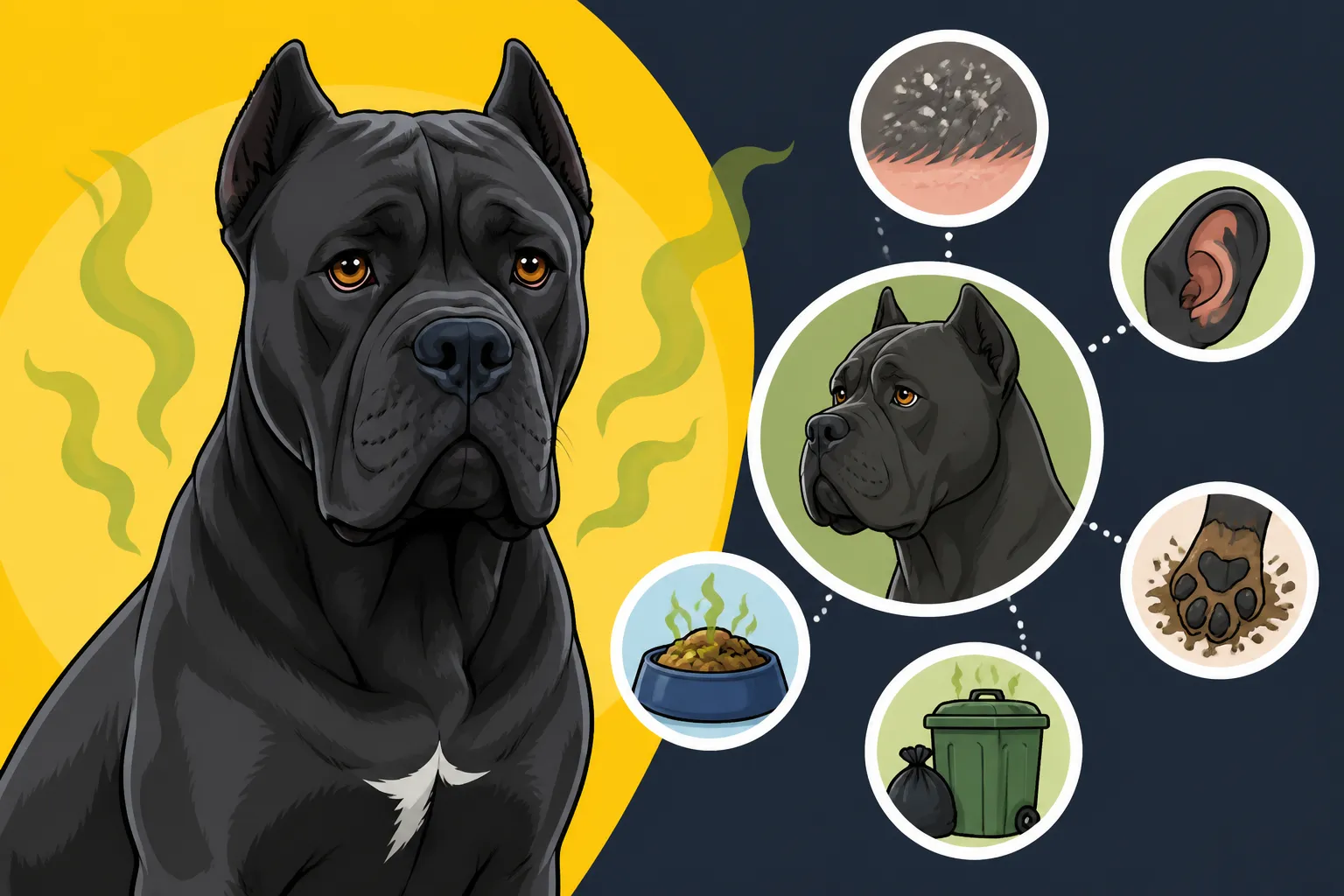
Why a Cane Corso Starts to Smell
That distinct doggy odor, especially with a massive, impressive breed like a Cane Corso, can sneak up on you. One day, you're enjoying your gentle giant, and the next, you catch a whiff that makes you wonder if they've rolled in something unspeakable. It's frustrating because you love your dog, you keep your home clean, but sometimes that "dog smell" goes beyond normal. This comprehensive guide will walk you through the most common reasons why your Cane Corso might develop an unpleasant odor, from simple environmental factors to underlying health concerns, and what you can do about each one.
Environmental and Routine Factors Affecting Odor
Sometimes, the reason your Cane Corso starts to smell isn't a complex medical issue, but rather something right in their immediate environment or a simple lapse in routine. These are often the easiest to address, but can be surprisingly persistent if not tackled consistently.
Infrequent Bathing and Grooming
Even short-coated breeds like the Cane Corso need regular bathing, perhaps more often than some owners realize. Many people assume that because their coat is short and sheds easily, they don't hold onto dirt and oils as much. This simply isn't true. A Cane Corso's skin produces natural oils that protect their coat, but over time, these oils can build up, mix with environmental grime, dead skin cells, and even tiny bits of saliva or drool that naturally accumulate, especially around their jowls.
Think about it this way: if you didn't shower for a week, you'd start to get a bit pungent, right? The same goes for your dog. Their sheer size means there's more surface area for these odors to develop. Bathing a hundred-pound Cane Corso can feel like a monumental task, leading many owners to stretch out the time between washes. However, this only exacerbates the problem. Dirt, pollen, and general outdoor debris can cling to their dense fur, contributing to a dull, stale, or overtly "doggy" smell. Establishing a consistent bathing schedule, perhaps every 4-6 weeks or as needed based on their activity, with a good quality dog shampoo, can make a world of difference. You might be surprised at how much brighter and fresher their coat looks and smells. For tips on how often to bathe, check out How Rarely a Cane Corso's Short Coat Needs Washing.
Sleeping Areas and Bedding
Your Cane Corso might be clean, but what about their bed? Dogs spend a significant portion of their lives sleeping or lounging on their beds, which act like giant sponges for all those natural skin oils, loose fur, dander, and any outdoor grime they've collected. Over time, that bedding becomes a concentrated source of odor that can then transfer back to your freshly bathed dog, or simply permeate the room.
It’s a cycle: your dog lies on a dirty bed, picks up the smell, then transfers it to the couch or rug, and eventually, the whole house starts to smell like "dog." Many owners don't realize just how much their dog's bedding contributes to the overall scent of their home. If you want a clean-smelling dog, you need clean-smelling linens. Ideally, dog bedding should be washed weekly, or at least every two weeks, especially if your Cane Corso is an active outdoor companion. Look for beds with removable, machine-washable covers. Heavy-duty dog beds, often available on platforms like Amazon, are essential for Cane Corsos, but remember to prioritize ease of cleaning. If the bedding itself is old and deeply saturated with years of odor, it might be time for a replacement.
Outdoor Habits and Environment
Cane Corsos love being outdoors, and their adventures can often lead to them acquiring some less-than-pleasant aromas. They might roll in a patch of mud, wade through stagnant water, or discover something truly disgusting that another animal has left behind. Unlike smaller dogs you can easily scoop up and divert, a Cane Corso has the power and independence to investigate thoroughly, and they're often quite good at finding the nastiest things to roll in.
Beyond the obvious muck, their coat can also pick up environmental odors from damp leaves, dusty trails, or even lingering smoke from a bonfire. If your Cane Corso spends a lot of time outside, especially in damp or humid conditions, these external smells can become ingrained in their fur. A quick rinse or wipe-down with a damp towel after coming in from a particularly adventurous outing can go a long way. Pay special attention to their paws and belly. Consider investing in a durable, absorbent dog towel specifically for post-outdoor cleanups to minimize what they track into the house and how much smell they carry with them.
Skin and Coat Health Issues
Often, an unpleasant odor emanating from your Cane Corso is a strong indicator of an underlying skin or coat problem. These issues require a closer look and often veterinary intervention, as home remedies typically won't resolve the root cause.
Skin Allergies and Yeast Infections
This is probably one of the most common culprits behind a smelly Cane Corso. Dogs with allergies—whether to environmental factors like pollen and dust mites, or food ingredients—often experience skin inflammation. This irritation leads to excessive licking, chewing, and scratching, which damages the skin barrier. Once the skin is compromised, it becomes a perfect breeding ground for opportunistic yeast and bacteria.
The smell of a yeast infection is distinct, often described as a sweet, musty, or "Frito chip" like odor. It's particularly noticeable in skin folds, between toes, in ears, and on the belly. Bacterial infections, on the other hand, can produce a more sickly-sweet or foul, rancid smell. Your Cane Corso might also show visible signs like redness, flakiness, greasy skin, or hair loss. If you suspect allergies, a trip to the vet is essential. They can help diagnose the specific allergen and recommend treatments, which might include medicated shampoos (you can find a good selection on Chewy), oral medications, or dietary changes. Addressing the underlying allergy is key to stopping the cycle of infection and odor. For a deeper dive into the issue, explore Skin Allergies That Flare on a Cane Corso and The Yeast Smell on a Cane Corso's Skin Folds.
Mange and Other Parasites
Mange, particularly demodectic mange, can cause significant skin irritation, hair loss, and secondary infections that lead to a strong, unpleasant smell. While puppy mange is relatively common and often localized, generalized demodex in a young or adult Cane Corso can indicate a compromised immune system and lead to widespread skin issues. The constant scratching and the open sores that can develop from biting and licking create an environment ripe for bacterial growth, resulting in a very distinct, often putrid odor.
Beyond mange, other external parasites like fleas and mites can cause intense itching, leading your Cane Corso to scratch and chew at their skin relentlessly. This self-trauma can break the skin, creating hot spots or other infections that carry a strong, localized smell. While you might not initially attribute a general body odor to a few fleas, the resulting skin damage and subsequent infections are certainly odorous. If you notice bald patches, excessive scratching, or a peculiar smell, it’s crucial to get a veterinary diagnosis. Your vet can identify the specific parasite and prescribe appropriate treatment to clear up both the infestation and any secondary infections. For more information, read Demodectic Mange on a Young Cane Corso and The Bald Patches a Cane Corso Puppy Develops.
Seborrhea (Oily Skin)
Seborrhea is a skin condition characterized by excessive scaling (dry seborrhea) or excessive oil production (oily seborrhea, or seborrhea oleosa). For a smelly Cane Corso, it's typically the oily form that's the culprit. In this condition, the skin glands produce too much sebum, leading to a greasy coat and a strong, rancid odor that can be described as sour or putrid. This oiliness often attracts dirt and makes the problem worse.
This condition can be primary, meaning it's an inherited genetic predisposition, or secondary, meaning it's a symptom of another underlying issue like allergies, hormonal imbalances (e.g., hypothyroidism), or nutritional deficiencies. You might notice your Cane Corso's coat feels greasy to the touch, and they may have greasy, flaky patches, especially in areas like their armpits, groin, and neck folds. The constant oiliness can also predispose them to recurring yeast and bacterial infections, further intensifying the smell. A vet visit is crucial to determine if the seborrhea is primary or secondary. Treatment often involves medicated shampoos, dietary supplements, and addressing any underlying conditions.
Oral and Ear Hygiene
Sometimes, the source of a bad smell isn't from the body itself, but from specific orifices. The mouth and ears are prime locations for infections and plaque buildup that can release potent, unpleasant odors.
Dental Disease
Bad breath, or halitosis, is a common problem in dogs, and it can become incredibly foul in a large breed like a Cane Corso. It's not just a sign of an unpleasant conversation; it's often an indicator of dental disease. Plaque and tartar buildup on the teeth can harbor millions of bacteria, leading to gingivitis (gum inflammation) and periodontal disease. As the disease progresses, bacteria colonize under the gumline, causing infection, tooth decay, and sometimes even abscesses.
The smell can be truly offensive, like rotten meat or a sewer, and it's noticeable even when your dog isn't actively panting in your face. It can also be a sign of more serious underlying health issues, so it should never be ignored. Regular dental care is paramount. This includes daily tooth brushing with a dog-specific toothpaste, offering appropriate dental chews, and scheduling professional dental cleanings with your veterinarian. These cleanings involve scaling and polishing the teeth, often under anesthesia, to remove plaque and tartar above and below the gumline. Chewy offers a wide range of dental products that can help maintain your Cane Corso's oral health. For more on canine dental health, see The Dental Bill on a Cane Corso With Retained Teeth.
Ear Infections
Cane Corsos, particularly those with natural, uncropped ears, can be prone to ear infections due to the way their floppy ears trap moisture and reduce airflow. However, even cropped ears can get infections if not properly cared for. Ear infections are notorious for producing a very strong, often yeasty or pungent odor. It's a smell that can fill a room and is unmistakable once you've experienced it.
Beyond the smell, you might notice other signs such as your Cane Corso scratching at their ears, shaking their head excessively, redness or swelling around the ear canal, or a visible discharge (waxy, dark, or pus-like). Common causes include bacteria, yeast, ear mites, or allergies that cause inflammation within the ear canal. Left untreated, ear infections can be incredibly painful for your dog and can lead to more serious, chronic issues. Regular ear checks, especially after swimming or bathing, and proper cleaning with a vet-approved ear cleaner are crucial preventative measures. If you suspect an infection, a vet visit is essential for diagnosis and treatment. Learn more about preventing and treating ear issues in The Vet Bill for a Cane Corso's Recurring Ear Infection and The Weekly Ear Check a Cane Corso Owner Should Do.
Other Internal and Glandular Causes
Sometimes the odor is coming from something a bit more "internal" or glandular, pointing to issues that might not be immediately visible on the skin or coat. These often require careful investigation and professional help.
Anal Gland Issues
This is perhaps one of the most common and unmistakably foul sources of odor in dogs. Dogs have two small anal glands (or sacs) located on either side of their anus, just inside the rectum. These glands normally express a strong-smelling, fishy liquid during defecation, which serves as a scent marker. However, these glands can become impacted, infected, or abscessed, leading to a host of problems, including a truly horrendous smell.
When the anal glands aren't expressing properly, the fluid builds up, becoming thick and uncomfortable. Your Cane Corso might "scoot" their rear end along the ground, lick excessively at their hindquarters, or you might simply notice an overpowering, fishy, or metallic odor. This smell is unique and often described as rotten or intensely unpleasant, and it can stick to their fur and to anything they sit on. Impacted glands can lead to infection and even rupture if not addressed. Many vets or groomers can manually express these glands. For recurrent issues, dietary changes (like adding more fiber) or even surgical removal might be considered. It's always best to have a vet check these if you suspect an issue. You can learn more about this specific concern at When a Cane Corso's Anal Glands Need Expressing.
Urinary Tract Infections or Incontinence
A urinary tract infection (UTI) can lead to a strong, ammonia-like odor from your Cane Corso. If they are having difficulty holding their urine or are frequently dribbling, even small amounts of urine can soak into their fur, particularly around their hindquarters, belly, and inner thighs, creating a persistent and unpleasant smell. UTIs are more common in female dogs but can affect males too. Beyond the smell, you might notice increased frequency of urination, straining to urinate, or blood in their urine.
In older Cane Corsos, or those who have been spayed, urinary incontinence can develop. This isn't necessarily an infection but rather a loss of bladder control, leading to accidental leaks or dribbling, especially when they're relaxed or sleeping. The constant exposure to urine can make their fur and surrounding environment smell strongly of ammonia. For both UTIs and incontinence, a vet visit is crucial. UTIs require antibiotics, while incontinence can often be managed with medication, dietary changes, or even special doggy diapers. Regular cleaning of the affected areas with a pet-safe wipe and keeping their bedding clean is essential for managing the odor. For an older dog, Washing an Old Cane Corso That Has Lost Control offers relevant tips.
Diet and Gut Health
While not a direct cause of "body odor" in the same way as skin infections, your Cane Corso's diet and overall gut health can certainly influence how they smell, both internally and externally. A poor-quality diet, or one that your dog is sensitive to, can manifest in several ways that contribute to an undesirable odor. For example, food allergies or sensitivities often trigger skin issues like those discussed earlier, leading to inflammation and secondary infections. If your Cane Corso is consistently gassy with a particularly foul smell, it could indicate digestive upset or an imbalance in their gut microbiome.
Furthermore, some ingredients might not be digested efficiently, leading to changes in their stool odor or even contributing to problems with their anal glands. If your Cane Corso consistently has loose stools or diarrhea, the mess can easily cling to their fur, especially around their rear end, causing a very unappetizing smell. Considering a high-quality, easily digestible diet can often improve overall health, reduce skin issues, and lead to better-smelling breath and less pungent gas. Fresh food options, like those from Ollie, can be beneficial for some dogs with sensitive stomachs or skin issues. It's worth discussing diet changes with your vet, especially if you suspect food sensitivities. You might want to read An Elimination Diet for an Itchy Cane Corso for further insights.
Summary of Potential Odors and Causes
To help you quickly identify what might be causing your Cane Corso's scent, here's a handy table:
| Type of Odor | Common Description | Potential Causes |
|---|---|---|
| "Doggy" / Stale | Just generally "dog smell," dull | Infrequent bathing, dirty bedding, environmental dirt, buildup of natural oils. |
| Sweet / Musty | "Frito chips," yeasty, damp | Yeast infection (often secondary to allergies or seborrhea), damp skin folds. |
| Foul / Rancid | Sickly sweet, rotten, putrid | Bacterial skin infection, severe seborrhea, advanced dental disease. |
| Fishy / Metallic | Pungent, distinctive | Impacted or infected anal glands, sometimes urine if severe. |
| Ammonia / Urine | Sharp, stinging | Urinary tract infection, urinary incontinence, urine soaked fur. |
| Rotten / Decay | Severely unpleasant, putrid | Severe dental disease (abscesses), open wounds, deep skin infections. |
No one wants a smelly Cane Corso, and thankfully, most of these issues are treatable or manageable. By being vigilant about your routine care and responsive to any new or worsening odors, you can keep your beloved guardian smelling fresh and healthy.
Disclaimer
This article is for general informational purposes only and does not constitute professional advice. Laws, prices and regulations vary by location and change over time. Consult a qualified professional for guidance on your specific situation.