Whether an Italian Breed Like the Cane Corso Handles Snow
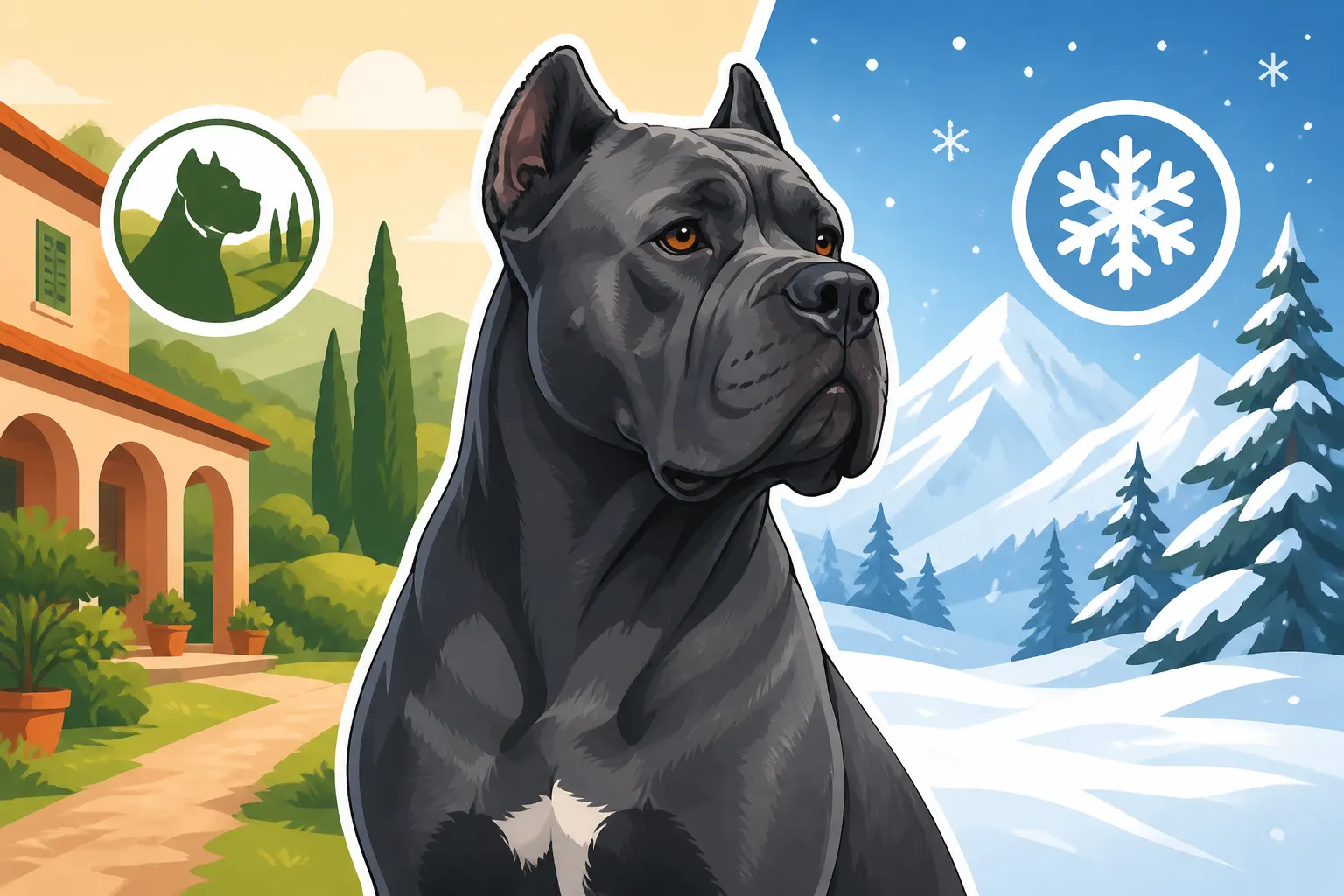
For those of us living with a magnificent Cane Corso, winter weather can bring a unique set of worries. You see these powerful, ancient Roman dogs, and sometimes it's hard to tell just how much cold they can truly handle, especially when their origins trace back to sunny Italy. This guide is here to demystify how your Cane Corso navigates snowy conditions, offering practical advice to keep them safe, warm, and happy throughout the chilliest months.
Understanding the Cane Corso's Coat and Cold Tolerance
It's easy to look at a sleek, short-coated dog and assume they're built for warmth, but the reality for a Cane Corso is a bit more nuanced. They aren't Huskies or Samoyeds, bred for arctic blasts, but they're also not entirely defenseless against a chilly day. Their genetic heritage and physical build play a huge role in how they manage when the temperatures drop and the snow starts falling.
The Double Coat Myth vs. Reality
Let's clear up a common misconception right away: the Cane Corso does not possess a thick, fluffy double coat like many northern breeds. Their coat is short, dense, and typically coarse to the touch. In colder climates, or during the winter months, some Cane Corsos will develop a slightly thicker undercoat, but it’s often very fine and not nearly as insulating as what you'd find on a Malamute, for instance. This dense, short fur offers a good degree of protection against rain and light snow, helping water bead off, but it's not designed for prolonged exposure to freezing temperatures or deep snow without additional help. Think of it more like a very good quality, tightly woven sweater rather than a down-filled parka. This means while they can tolerate short bursts of cold, especially if they're actively moving, they don't have the natural built-in furnace that some breeds do.
Factors Influencing Individual Cold Tolerance
Just like us, every Cane Corso is an individual, and their tolerance for cold and snow can vary significantly. Several factors come into play here. A healthy, young adult Cane Corso with good body condition will generally handle cold better than a frail senior or a very young puppy. Puppies, especially, struggle with regulating their body temperature and can chill quickly. Older dogs often have compromised circulation, may be dealing with arthritis, or have What Changes in a Cane Corso's Care After Eight and simply don't have the same metabolic reserves to stay warm. A Cane Corso accustomed to living in a warmer climate might really struggle during their first winter in a snowy region, whereas one that experiences four distinct seasons year after year will often adapt, developing that slightly denser winter coat and simply being more conditioned to the chill. Body fat also plays a role; a lean Cane Corso, while healthier overall, might feel the cold more acutely than one carrying a bit more insulation (though we always aim for a lean, healthy weight). Consider your dog's overall health, activity level, and whether they've had a chance to gradually acclimatize to the colder temperatures before diving into deep snow adventures. If your Cane Corso starts shivering after only a few minutes, that's a clear sign that Why a Cane Corso Shivers Below Forty Degrees and needs to come inside.
Preparing Your Cane Corso for Winter Weather
When the snow flies, preparation is key to ensuring your Cane Corso can still enjoy some outdoor time without risking their health. It’s not just about bundling them up, but about making smart choices for their safety and comfort.
Essential Winter Gear and Protection
While their short coat offers some defense, a Cane Corso often benefits greatly from appropriate winter gear, especially when temperatures dip significantly or if they'll be spending more than a quick potty break outside.
- Dog Coats/Sweaters: For many Cane Corsos, particularly those The Temperature a Black Cane Corso Should Not Walk In, a well-fitting dog coat is a game-changer. Look for coats that are waterproof or water-resistant on the outside to repel snow and moisture, and lined with fleece or another insulating material on the inside. Make sure it covers their core well, extending from their neck down their back and preferably covering a good portion of their belly. Brands available through retailers like Chewy or Amazon offer a range of sizes designed for large breeds, so you can find something that fits their broad chest and powerful build without restricting movement.
- Paw Protection: This is perhaps the most critical piece of winter gear. Snow, ice, and especially de-icing salts can wreak havoc on a Cane Corso's paw pads, leading to Cracked Pads on a Working Cane Corso or chemical burns. Dog booties are an excellent solution. They take some getting used to, so start practicing indoors with short sessions before you need them for real. Look for durable, non-slip booties that stay on securely. If booties aren't an option or your dog absolutely refuses them, a protective paw balm is essential. Applying a thick layer of paw balm or wax before going out can create a barrier against the elements. You can find these at most pet supply stores or online through Amazon. Remember, even with balm, a quick rinse and dry of the paws after coming inside is a must. Whether a Cane Corso Needs Paw Balm in Winter is not a question you want to answer the hard way with raw, chapped pads.
- Identification: In snowy conditions, especially if visibility is poor or the landscape looks unfamiliar, it's easy for a dog to get disoriented. Always ensure your Cane Corso is wearing a collar with up-to-date ID tags, and that their microchip information is current. A reflective collar or harness can also add an extra layer of safety, making them more visible in low light or snowy whiteouts.
Safe Outdoor Activities in Snow
Just because it's cold doesn't mean your Cane Corso can't enjoy the snow. Many of them absolutely love it, romping and digging with pure joy! However, moderation and vigilance are key.
- Short, Active Bursts: Instead of one long walk, consider several shorter, more active play sessions. A brisk 15-20 minute walk or a vigorous game of fetch in the snow can be great exercise. This keeps their circulation going and generates body heat. Watch for signs of discomfort like shivering, lifting paws, or slowing down significantly. Young, healthy adults might tolerate longer, but always err on the side of caution.
- Avoid Deep Snow and Ice: While a bit of fluffy snow is fun, very deep snow can be physically taxing and even dangerous for a Cane Corso, making them work harder and potentially leading to strains or injuries as they try to navigate it. Icy conditions are a major hazard. A sudden slip on ice can cause serious orthopedic injuries to their heavy frames, especially hip or elbow issues. Always walk on cleared paths when possible, and if you must traverse ice, keep them on a short leash for maximum control.
- Clear a Play Area: If you have a yard, consider clearing a small, manageable area where they can safely play without getting bogged down in deep drifts or encountering hidden ice patches. This gives them a safe zone to burn off some energy.
- Leash Walking: Even if your Cane Corso has stellar recall, heavy snow can mask scents and landmarks, making it harder for them to find their way back if they get off leash. Plus, hidden hazards like frozen ponds or sharp debris can be completely invisible under snow. It's always safest to keep your Cane Corso on a leash when walking in snowy conditions, especially in unfamiliar areas.
Indoor Care and Post-Snow Routines
The adventure doesn't end when you come back inside. How you transition your Cane Corso from the snowy outdoors to the cozy indoors is just as important for their health and comfort.
Keeping Them Warm and Dry Indoors
Once back inside, the goal is to get your Cane Corso warm and dry quickly to prevent them from getting chilled.
- Thorough Drying: Use absorbent towels to thoroughly dry their coat, paying special attention to their belly, chest, and paws. If they have that slight winter undercoat, it can hold moisture against their skin. A warm, dry dog is a happy and healthy dog. You can even use a dog-specific blow dryer on a low, cool setting if your dog tolerates it, to get them completely dry.
- Warm, Elevated Bedding: Provide a comfortable, warm spot for them to rest. An orthopedic bed, readily available on Amazon or Chewy, rated for a Orthopedic Beds Rated for a Cane Corso's Weight is ideal, especially if it keeps them off cold floors. Many Cane Corsos appreciate a soft blanket to burrow into or drape over themselves. For older dogs, radiant heating pads designed for pets can provide soothing warmth for aching joints after a cold outing.
- Maintain Indoor Temperature: While we might be tempted to turn down the thermostat to save energy, remember that your Cane Corso might appreciate a consistent, comfortable indoor temperature. Avoid drafty areas where they sleep or rest. Whether a Cane Corso Should Live Outside is generally a resounding "no," especially in cold weather, due to their short coat and strong need for companionship. If for some reason they must spend a brief period outdoors in an enclosure, it needs to be an insulated, wind-proof The Kennel a Cane Corso Needs If It Stays Outdoors.
Nutrition and Hydration in Colder Months
Winter can also impact your Cane Corso's caloric needs and hydration levels.
- Adjusting Food Intake: If your Cane Corso is spending more time outdoors and being more active in the snow, they might burn more calories to stay warm and fuel their play. You might need to slightly increase their food portions, but always monitor their weight to avoid overfeeding. Conversely, if they're less active due to harsh weather, you might need to slightly reduce their intake to prevent unwanted weight gain, especially as The Weight a Female Cane Corso Settles At should be lean and healthy. Brands like Ollie, known for fresh, nutrient-dense meals, can be an excellent option for providing quality fuel during colder months, allowing for easy adjustment of portion sizes. Consult your vet before making drastic changes to ensure Feeding an Old Cane Corso That Has Slowed Down or any other specific needs are met.
- Consistent Hydration: Even in cold weather, proper hydration is crucial. Dogs can become dehydrated just as easily in winter as in summer. Ensure they always have access to fresh, unfrozen water, both indoors and out. If you have outdoor water bowls, consider using heated bowls to prevent the water from freezing solid.
Recognizing and Preventing Cold-Related Issues
While Cane Corsos can be robust, they are not immune to the dangers of extreme cold. Being able to spot the signs of trouble and knowing how to prevent them is vital for any owner.
Signs of Hypothermia and Frostbite
These conditions are serious and require immediate attention. It's critical to know what to look for:
- Hypothermia (Low Body Temperature):
- Mild Hypothermia: Shivering, weakness, lethargy, cold to the touch (especially ears and paws). They might seem a bit confused or clumsy.
- Moderate Hypothermia: More intense shivering (or cessation of shivering in severe cases), muscle stiffness, pale gums, slowed heart rate and breathing, unresponsiveness.
- Severe Hypothermia: Collapse, fixed and dilated pupils, very weak pulse, difficulty breathing, unconsciousness.
If you suspect hypothermia, get your dog indoors immediately. Wrap them in warm blankets (heated gently in a dryer if possible). You can also place warm (not hot) water bottles wrapped in towels near their armpits and groin. Do NOT use scalding hot water or heating pads directly on their skin, as this can cause burns. Get to a vet right away, even if they seem to improve, as complications can arise.
- Frostbite: This occurs when body tissues freeze, usually affecting extremities like ears, tail, and paws.
- Early Signs: The affected skin might appear pale, grayish, or bluish due to restricted blood flow. It may also feel very cold and hard to the touch. The dog might not show immediate pain.
- Later Signs (after rewarming): As the tissue thaws, it can become red, swollen, painful, and blistered. Over several days, the skin may turn black and slough off.
If you suspect frostbite, gently warm the affected area with lukewarm (not hot) water, then dry and wrap it. Do not rub or massage the area, as this can cause further damage. Seek veterinary care immediately. Prevention is the best medicine: limit time outside in extreme cold and use paw protection.
Protecting Paws from Ice Melt and Chemicals
Beyond cold, the most insidious danger to your Cane Corso's paws in winter is often what we put on our sidewalks and roads.
- Ice Melt Hazards: Many commercial ice melts contain chemicals like calcium chloride, magnesium chloride, or rock salt, all of which can be highly irritating or even toxic if ingested. Walking on these can cause painful burns and dryness to their paw pads. If a dog licks their paws after walking on these chemicals, they can ingest them, leading to upset stomachs, vomiting, or more serious internal issues.
- Routine Paw Cleaning: After every outing in snow or on treated surfaces, it is paramount to thoroughly clean your Cane Corso's paws. Use warm water and a soft cloth to rinse away any salt, ice melt chemicals, or ice balls that might have accumulated between their paw pads. Dry them completely afterwards. Keep a bowl of warm water and a towel near your entry door for this purpose.
- Natural Alternatives: If you treat your own walkways, consider using pet-safe ice melt products. These are often made with propylene glycol or other less harsh ingredients that are gentler on paws and safer if ingested. While not completely harmless, they are a much better alternative to traditional salts. You can find these options at your local hardware store or through online retailers like Chewy. Road Salt on a Cane Corso's Pads in January is a common issue that often goes unnoticed until the damage is done, so proactive cleaning is crucial.
| Aspect of Winter Care | Recommendation | Why It Matters |
|---|---|---|
| Coat Protection | Water-resistant, insulated dog coat for prolonged outdoor time | Cane Corsos lack thick double coats; need help retaining core body heat. |
| Paw Care | Dog booties or paw balm for all outdoor excursions | Prevents frostbite, cuts, and chemical burns from ice melt and cold surfaces. |
| Outdoor Time | Short, active sessions; avoid deep snow and ice | Minimizes risk of hypothermia, strains, and slips on ice. |
| Indoor Warmth | Thorough drying; elevated, orthopedic, warm bedding | Prevents chilling; supports joints; provides comfort after cold exposure. |
| Nutrition | Adjust food intake based on activity levels | More activity in cold = more calories burned; less activity = fewer calories needed. |
| Hydration | Constant access to fresh, unfrozen water | Dehydration is a year-round risk; heated bowls if water is outdoors. |
| Monitoring | Watch for shivering, lethargy, pale gums, lifted paws | Early detection of hypothermia or frostbite can be life-saving. |
| Post-Walk Routine | Clean and dry paws thoroughly after every outing | Removes irritants, prevents skin damage, and keeps indoor areas clean. |
By understanding your Cane Corso's needs and taking these proactive steps, you can ensure they not only tolerate but truly enjoy the snowy season, staying healthy and active alongside you.
Disclaimer
This article is for general informational purposes only and does not constitute professional advice. Laws, prices and regulations vary by location and change over time. Consult a qualified professional for guidance on your specific situation.