Why a Cane Corso Shivers Below Forty Degrees
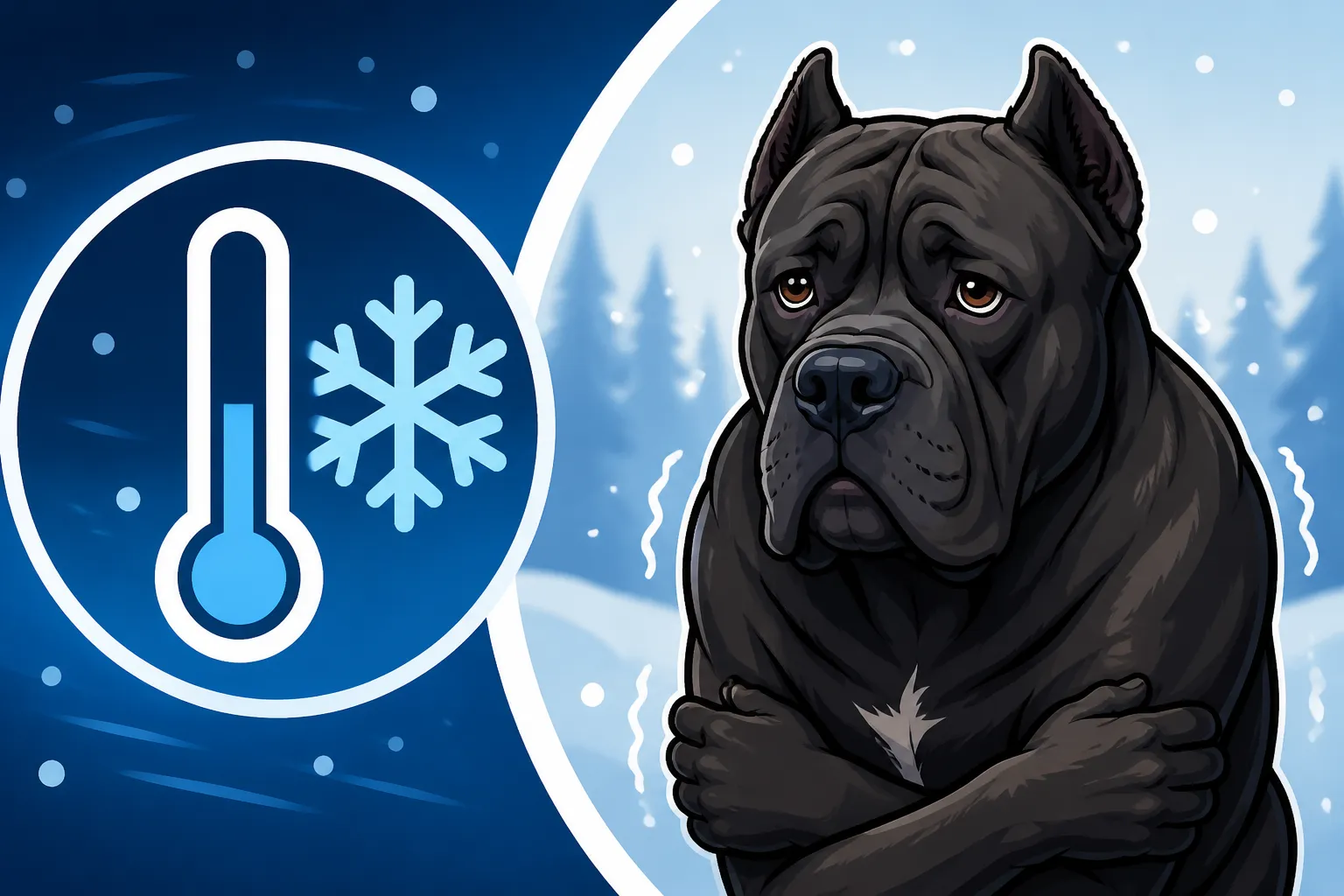
It’s a scene many Cane Corso owners know all too well: you step outside on a chilly morning, the thermometer hovering just below 40 degrees Fahrenheit, and your big, tough-looking dog is doing a little dance, tail tucked, shivering like a leaf. It feels contradictory, doesn't it? This powerful breed, descended from Roman war dogs, and yet they seem so sensitive to what you might consider mild cold. You're not imagining it – this guide will dive deep into why your Cane Corso gets so cold when the temperature drops, and what you can do to keep them comfortable and safe.
Understanding Your Cane Corso's Natural Coat and Build
The perception of a Cane Corso as an inherently cold-hardy dog often stems from their intimidating appearance and historical role as a guardian. However, a closer look at their physical attributes, especially their coat and body composition, reveals why they aren't built to withstand prolonged exposure to chilly temperatures like some other breeds.
The Short, Single Coat: A Misconception of Warmth
Unlike many breeds bred for colder climates, such as Huskies, Malamutes, or even some double-coated German Shepherds, the Cane Corso possesses a single coat that is short, dense, and typically coarse to the touch. This type of coat, while offering some protection from the elements, is primarily designed for different purposes than insulation against severe cold. It's excellent for deflecting rain and providing a degree of protection against minor abrasions, which would have been useful for their historical roles working on farms or guarding property in areas where they might encounter brush or other physical obstacles.
However, a single coat lacks the crucial insulating layer that a dense undercoat provides. Breeds with double coats have a soft, fluffy undercoat that traps air close to the body, creating a thermal barrier that helps regulate their temperature. Think of it like wearing a thin t-shirt versus a thick woolen sweater. Your Cane Corso is essentially wearing a well-made t-shirt; it might keep off a light breeze, but it's not going to keep them truly warm when the mercury drops. Their origins in Southern Italy, while not tropical, typically didn't involve the harsh, prolonged winters that breeds like Bernese Mountain Dogs or Siberian Huskies were developed to endure. This genetic predisposition means their bodies simply aren't equipped for significant cold.
Lean Muscle and Low Body Fat: Not Built for Blubber
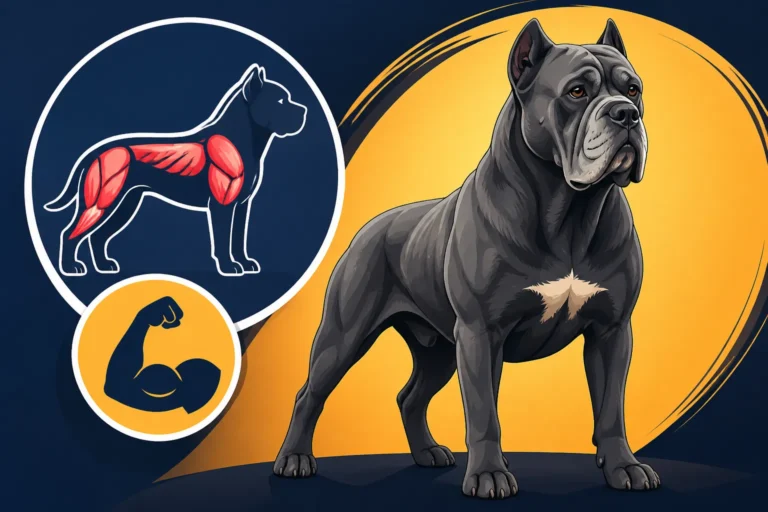
Beyond their coat, the Cane Corso's athletic and muscular build also contributes to their sensitivity to cold. They are known for their powerful physique, with a lean body mass and relatively low subcutaneous fat compared to many other large breeds, particularly those from northern regions. Body fat acts as another natural insulator, a protective layer beneath the skin that helps prevent heat loss. Think of a seal or a polar bear with their thick blubber – that's a natural cold-weather adaptation.
Your Cane Corso, while robust, doesn't have this kind of physiological "blubber" layer. Their impressive musculature, which makes them such formidable guardians and working dogs, doesn't provide the same thermal insulation as fat. While muscle contractions generate heat (which is why shivering works, as we'll discuss), the lack of a substantial fatty layer means heat can dissipate from their bodies more readily when exposed to cold air. This lean build means they rely more heavily on internally generated heat, which can quickly be lost in cold conditions, making external assistance in staying warm much more critical. It's a key difference when you compare them to, say, a Saint Bernard or even the more heavily boned The Cane Corso Against the Neapolitan Mastiff.
The Physiological Response to Cold: Why Shivering Happens
When you see your Cane Corso shivering, it’s not just them being dramatic; it’s a clear physiological signal that their body is working hard to combat the cold. Understanding this process can help you appreciate why those lower temperatures are a real challenge for them.
The Body's Thermostat: How Dogs Regulate Temperature
Just like humans, dogs are homeothermic animals, meaning they maintain a relatively stable internal body temperature regardless of the external environment. This process is called thermoregulation, and it's managed by the hypothalamus in their brain, acting as the body's thermostat. When the external temperature drops, the hypothalamus detects a decrease in core body temperature and initiates a series of responses to conserve heat and generate more.
One of the primary ways dogs try to stay warm is through vasoconstriction. This is when the blood vessels, particularly those close to the surface of the skin, constrict or narrow. By reducing blood flow to the extremities (paws, ears, tail) and the skin, the body minimizes heat loss from these areas, keeping warmer blood closer to the vital internal organs. You might notice your Cane Corso's ears or paws feeling cooler to the touch when they’ve been out in the cold, which is a sign of this process at work. However, this also means those areas are more susceptible to cold-related injuries like frostbite if exposure is prolonged.
The most noticeable response to cold, of course, is shivering. Shivering is an involuntary, rapid contraction and relaxation of muscles. These muscle movements generate kinetic energy, which in turn produces heat. It's the body's quick-fire way of cranking up its internal heater. While effective for a short period, sustained shivering consumes a lot of energy and indicates that your dog is expending considerable effort just to stay warm. If your Cane Corso is shivering, it's a clear signal that they are uncomfortable and need to warm up.
When Forty Degrees Feels Colder for a Cane Corso
For a breed with a short, single coat and lean musculature, 40 degrees Fahrenheit (approximately 4 degrees Celsius) is often the threshold where discomfort begins to set in, and shivering becomes common. While some dogs might tolerate this temperature with no issue, your Cane Corso is likely to feel it significantly more due to their specific physiological makeup. It's not just the number on the thermometer, either; other environmental factors play a huge role in how "cold" 40 degrees actually feels.
Wind chill is a major factor. A breezy 40-degree day can feel much colder than a still one because the wind strips away the thin layer of warm air that might be trapped close to their body, accelerating heat loss. This effect is especially pronounced on a short-coated dog. Humidity also plays a role, as moist cold can penetrate coats more effectively than dry cold. If it's 40 degrees and damp or even drizzling, your Cane Corso will get chilled much faster than if it's 40 degrees and dry. Consider too, that individual dogs vary. A healthy, active, young adult Cane Corso might handle 40 degrees a little better than a puppy, a senior dog, or one with an underlying health condition like Hypothyroidism in a Middle Aged Cane Corso. For these more vulnerable dogs, even temperatures above 40 degrees could trigger shivering and discomfort. Their bodies simply don't have the same capacity to generate or retain heat efficiently. This is why paying close attention to your dog's specific reactions, rather than just the number on the thermometer, is so important.
Practical Strategies for Keeping Your Cane Corso Warm
Since your Cane Corso isn't naturally built for frigid temperatures, it falls to us, their devoted owners, to provide the necessary protection. There are plenty of practical steps you can take to ensure they stay cozy and content when the weather turns cold.
Appropriate Winter Gear: More Than Just a Fashion Statement
One of the most immediate and effective ways to help your Cane Corso combat the cold is with proper winter clothing. This isn't about dressing them up for a photoshoot; it's about providing a vital layer of insulation that their natural coat lacks. A well-fitting dog coat or sweater can make a world of difference, especially during walks, potty breaks, or any time spent outdoors.
When choosing a coat, look for options that cover their chest and belly, as these areas are particularly susceptible to heat loss. Waterproof or water-resistant outer layers are ideal if you live in an area prone to rain, sleet, or snow, as a wet coat will only make them colder. Materials like fleece, wool, or synthetic insulators designed for warmth are excellent choices. Make sure the coat allows for a full range of motion, without chafing or restricting their powerful gait. You’ll find a huge selection of options on sites like Chewy or even Amazon, making it easy to compare styles and sizes to get the perfect fit for your large companion. Remember, a coat that's too loose won't trap heat effectively, and one that's too tight will be uncomfortable and could cause irritation. Pay attention to reviews from other large-breed owners for insights on sizing and durability.
Indoor Comfort and Outdoor Management
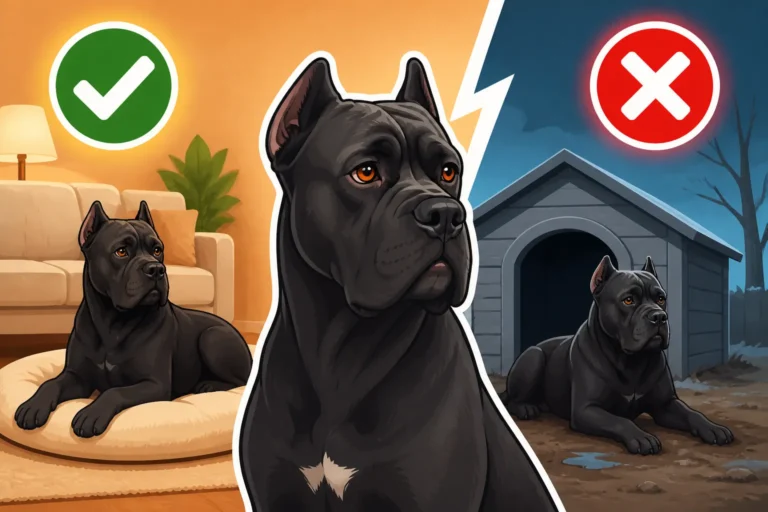
While outdoor gear is crucial for excursions, creating a warm and comfortable indoor environment is just as vital for your Cane Corso, especially after they've been outside or during colder nights. Investing in an orthopedic bed with good insulation can elevate them off cold floors, providing a barrier against drafts and chill. Many large dog beds offer memory foam or thick padding, which not only provides joint support (a must for big dogs like Corsos) but also acts as an insulator. Some beds even come with self-warming materials or are designed to accommodate a heating pad underneath, offering an extra layer of warmth. Consider placing their bed in a cozy, draft-free spot, away from exterior doors or windows. Orthopedic Beds Rated for a Cane Corso's Weight can be a real game-changer.
When it comes to outdoor time, moderation is key when temperatures drop significantly below 40 degrees. Short, frequent potty breaks are better than long periods spent outside. If your Cane Corso enjoys longer walks, be mindful of the conditions. On extremely cold days, consider shorter, more intense play sessions indoors if possible, or opt for brain games to keep them engaged without prolonged exposure to the cold. Remember that cold concrete or frozen ground can be harsh on their paws, so paw balm or protective booties might be a good idea for longer walks or snowy conditions. Never leave your Cane Corso unsupervised in a yard for extended periods in cold weather, as their shivering might escalate to more dangerous conditions. For those who still need to be outside for short periods, like working dogs, the kennel needs to be well-insulated and offer protection from wind and moisture. You might want to check out information on The Kennel a Cane Corso Needs If It Stays Outdoors for ideas.
Nutrition and Hydration in Colder Weather
While diet won't magically make your Cane Corso immune to the cold, proper nutrition and hydration play a supporting role in maintaining their overall health and ability to regulate body temperature. During colder months, your dog's body might burn slightly more calories to stay warm, especially if they are spending more time outdoors or are particularly active. It's not about overfeeding, but ensuring they receive a high-quality diet that provides adequate energy.
Consult your veterinarian to discuss if any minor adjustments to their food intake are appropriate during colder weather, especially if their activity level changes or if you notice them losing condition. While calorie intake for every dog should be tailored to their activity level and individual needs, ensuring a high-quality, nutrient-dense food, perhaps even exploring options like a fresh food diet from a brand such as Ollie, can provide the sustained energy your Cane Corso needs to fuel their internal furnace. Avoid making drastic changes to their diet without professional guidance, as sudden shifts can cause digestive upset.
Crucially, always ensure your Cane Corso has access to fresh, unfrozen water, both indoors and out. Dehydration can impair their body's ability to regulate temperature effectively. If outdoor water bowls are prone to freezing, consider using heated bowls to ensure they can drink whenever they need to. Proper hydration supports all bodily functions, including thermoregulation, and is just as important in winter as it is in summer.
Recognizing More Serious Cold-Related Issues
While shivering is your Cane Corso's body working to stay warm, there comes a point where their internal defenses are overwhelmed, leading to more serious, potentially life-threatening conditions like hypothermia and frostbite. As a responsible owner, knowing the signs of these issues is paramount.
Beyond Shivering: Signs of Hypothermia and Frostbite
Hypothermia occurs when a dog's body loses heat faster than it can produce it, causing their core body temperature to drop to dangerously low levels. Shivering is usually the first sign of mild hypothermia. However, as the condition progresses, you’ll notice more concerning symptoms.
Signs of Mild Hypothermia (95-99°F / 35-37.2°C body temperature):
- Persistent shivering
- Cold to the touch, especially ears and paws
- Weakness or lethargy
- Mild depression
Signs of Moderate Hypothermia (90-95°F / 32.2-35°C body temperature):
- Shivering may stop (a critical warning sign, as the body can no longer generate heat)
- Stiffness in muscles
- Shallow breathing
- Lowered heart rate
- Lack of responsiveness
- Dilated and fixed pupils
Signs of Severe Hypothermia (below 90°F / 32.2°C body temperature):
- Unconsciousness
- Extremely slow, weak pulse and breathing
- Fixed, dilated pupils
- Coma
- Cardiac arrest
If you suspect your Cane Corso is experiencing moderate or severe hypothermia, it is an absolute emergency. Wrap them in blankets, get them to a warm place, and seek immediate veterinary attention. Do not use very hot water or direct heat sources, as rapid warming can be dangerous. Gradual warming is key.
Frostbite, on the other hand, occurs when body tissues freeze. It's less common but can be very serious, especially for areas with poor circulation like the tips of ears, tail, and paws. Initially, frostbitten areas may look pale, waxy, or grayish. They will feel cold and hard to the touch. Your dog might not show immediate pain in these areas because nerve tissue can be damaged. As the tissue thaws, it can become red, swollen, and painful, sometimes blistering or turning black over several days. If you suspect frostbite, gently warm the area with lukewarm (not hot) water and contact your vet immediately. Never rub the affected area, as this can cause further tissue damage. It’s a good reminder why The Temperature a Black Cane Corso Should Not Walk In needs careful consideration.
Vulnerable Cane Corsos: Puppies, Seniors, and the Sick
Not all Cane Corsos tolerate cold equally, and certain individuals are much more susceptible to the risks of low temperatures. Puppies, with their underdeveloped thermoregulatory systems and lower body fat, can get cold very quickly. They struggle to maintain their body temperature and are at higher risk of hypothermia. Owners of Cane Corso puppies, especially, need to be vigilant about providing warmth and limiting cold exposure.
Senior Cane Corsos also warrant extra care. As dogs age, their metabolism can slow down, their muscle mass might decrease, and conditions like arthritis can limit their movement, making it harder for them to generate warmth. Older dogs may also have underlying health conditions that compromise their ability to regulate body temperature. What Changes in a Cane Corso's Care After Eight is important reading for any owner of an aging dog, as their needs shift considerably.
Furthermore, any Cane Corso with a pre-existing health condition – such as thyroid issues, heart disease, diabetes, or even recent surgery – will be more vulnerable to cold. Their body is already working harder to manage their condition, leaving fewer resources to combat environmental stressors. Medications can also affect a dog's ability to regulate temperature. Always discuss cold weather precautions with your veterinarian if your Cane Corso has any ongoing health concerns. These vulnerable groups often require extra layers of clothing, shorter outdoor times, and a consistently warm indoor environment to stay safe and healthy.
Disclaimer
This article is for general informational purposes only and does not constitute professional advice. Laws, prices and regulations vary by location and change over time. Consult a qualified professional for guidance on your specific situation.