Every Color a Cane Corso Is Allowed to Be
One of the most exciting, and sometimes confusing, parts of bringing a Cane Corso into your life is understanding the incredible spectrum of colors they come in. It can be easy to get caught up in the allure of "rare" or unusual shades, leading to disappointment or even falling for unethical breeding practices. This guide will walk you through every color the Cane Corso is officially allowed to be, helping you appreciate the true beauty of the breed standard while understanding what to look for, and what to avoid.
Understanding the Cane Corso Breed Standard for Color
When you delve into the world of purebred dogs, you quickly learn that a "breed standard" isn't just some dusty old rulebook; it's the blueprint that defines the ideal characteristics of a dog breed. For the Cane Corso, this standard describes everything from their powerful physique and confident temperament to the very colors of their coats. Understanding this is crucial, not just for showing, but for appreciating the historical development and health integrity of these magnificent animals.
The Importance of the Official Standard
The breed standard for the Cane Corso is meticulously outlined by organizations like the AKC (American Kennel Club) and FCI (Fédération Cynologique Internationale). These standards are the benchmarks that breeders strive to meet and judges use to evaluate dogs in the show ring. When it comes to color, the standard isn't arbitrary; it reflects the historical working role of the Cane Corso and the genetics that have been carefully preserved over generations. Deviations from the standard, especially significant ones, can sometimes indicate health issues or outcrossing with other breeds.
For a new owner, knowing the standard helps you identify a well-bred puppy. You're not just looking for a "cute" puppy, but one that embodies the qualities the breed is known for. A breeder who truly respects the standard will prioritize health, temperament, and structure, with color falling into its rightful place as an important, but not the sole, factor. It’s about preserving the integrity of the breed as a whole, ensuring future generations of Cane Corsos remain true to their heritage.
How Color Relates to Health and Temperament
While many people assume color is purely cosmetic, in some breeds, certain coat colors or patterns can be linked to specific health conditions or even temperament traits. For the Cane Corso, thankfully, the standard colors themselves aren't typically associated with widespread genetic health problems unique to that shade. However, extreme dilutions or "off-colors" that fall outside the standard can sometimes be markers for genetic issues, or at the very least, indicate a breeding program that isn't prioritizing the overall health and genetic diversity of the breed.
For instance, while a black Cane Corso is perfectly healthy, some might mistakenly seek out a "blue" (which is actually gray) thinking it's rarer and therefore more valuable. While gray is an accepted color, chasing extreme dilutions or unaccepted colors can lead to dogs with compromised skin, vision, or immune systems. An ethical breeder will always place health clearances, genetic testing, and stable temperaments above unique color requests, ensuring your future companion is not only beautiful but also robust and well-adjusted. Remember, a healthy, happy dog in a standard color is always a better choice than a dog with potential health issues simply because of a "unique" hue. You can read more about what makes a healthy Cane Corso in The Two DNA Diseases in Cane Corso Pedigrees.
The Core Solid Colors
When you think of a Cane Corso, a few striking solid colors probably come to mind. These are the foundation of the breed's appearance, each exuding a powerful presence that matches their impressive stature. While variations exist within these shades, the underlying solid base is what truly defines them according to the breed standard.
The Majestic Black Cane Corso
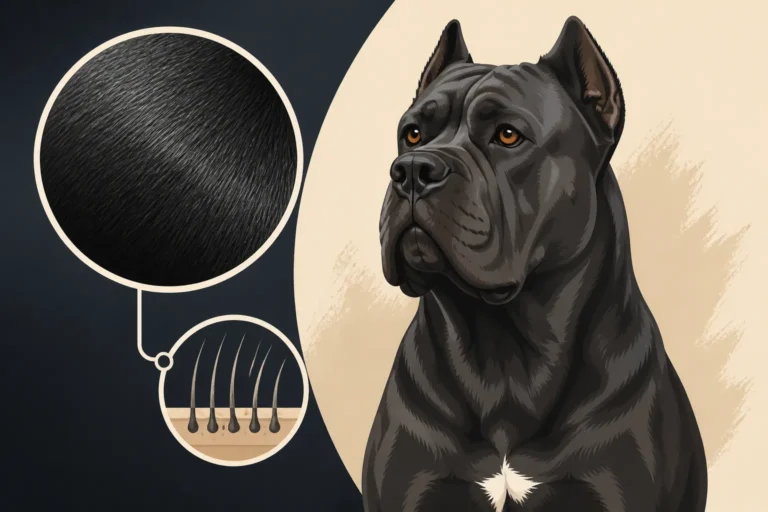
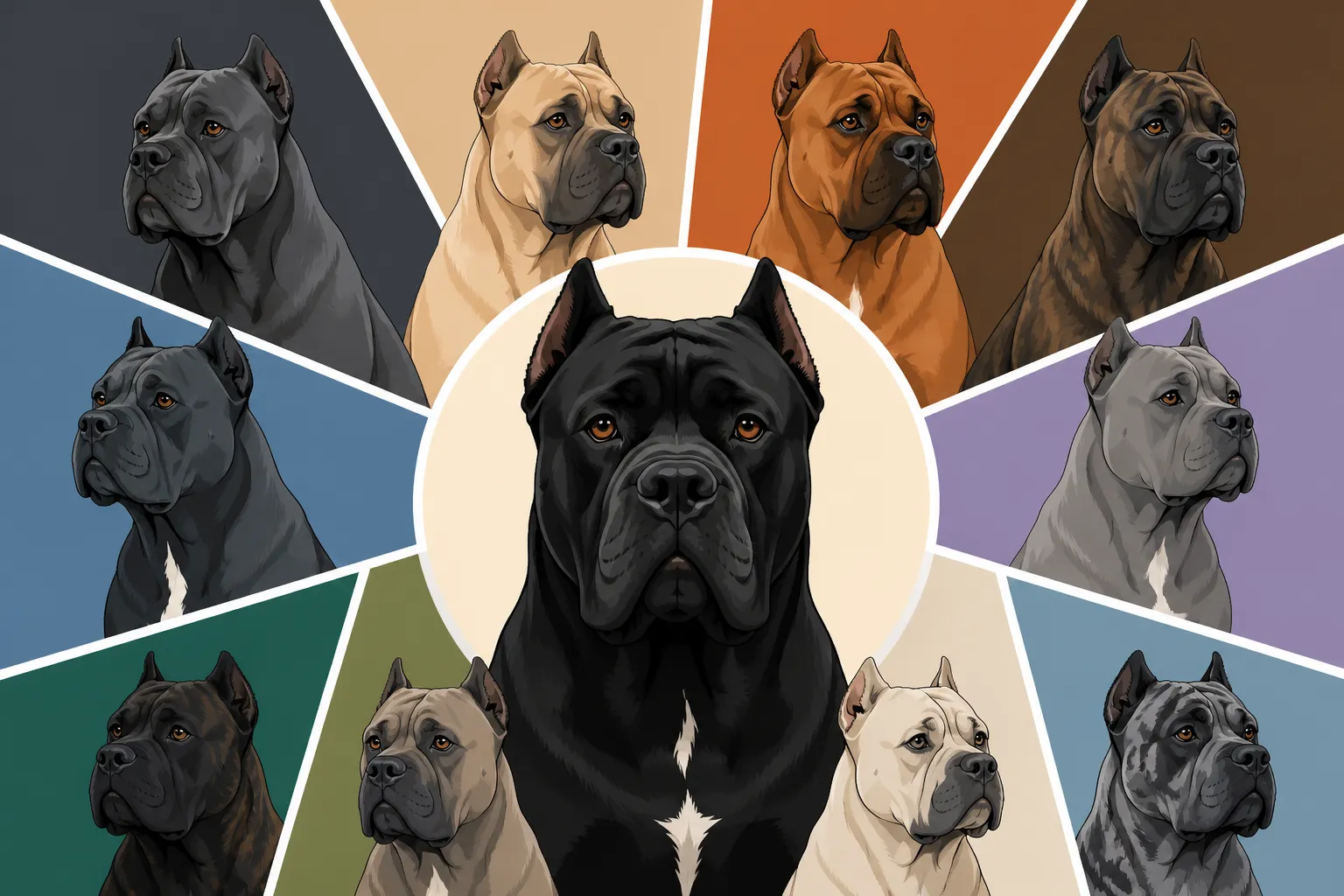
Black is arguably the most classic and recognizable color for a Cane Corso. A truly magnificent black Cane Corso will have a deep, rich, uniform pigment from nose to tail. Their coat should be dense and shiny, reflecting light beautifully. There's something undeniably imposing and elegant about a solid black Corso, especially when they move with purpose. It's the color that most people picture when they envision a formidable guardian, often appearing sleek and powerful.
Owners of black Cane Corsos often find that their dogs have coats that seem to glisten in the sun, a testament to healthy skin and proper nutrition. You might find yourself needing a good deshedding tool, readily available at places like Chewy, to keep that dense black coat looking its best, especially during seasonal shedding. Despite being a common color, a well-bred black Cane Corso is anything but ordinary, embodying the strength and nobility that defines the breed.
The Elegant Gray (Blue) Cane Corso
Often referred to as "blue" by breeders and enthusiasts, gray is another widely accepted and highly admired color for the Cane Corso. This isn't a silver or light gray, but typically a rich, deep slate gray that can range from a darker charcoal to a lighter ash tone. The gray color is a dilution of black, and it's stunningly beautiful, giving the dog a unique, almost ethereal quality, especially with their expressive eyes.
There's often a misconception that gray Cane Corsos are inherently less healthy, but this is generally not true for true gray Corsos within the standard. However, some extremely diluted grays can sometimes be linked to certain skin conditions, though this is more prevalent in other breeds. A healthy gray Cane Corso will have a clear, even gray coat without patchy hair loss or skin irritation. Breeders often test for color dilution alopecia (CDA) in these lines to ensure healthy coats. If you're wondering Whether a Gray Cane Corso Has a Shorter Run, it's important to differentiate between standard gray and extreme dilutions.
The Striking Fawn Cane Corso
Fawn Cane Corsos are truly captivating, displaying shades that range from a light, sandy beige to a deep, rich tan. This warm hue gives them a slightly softer appearance compared to the darker black or gray, but don't let that fool you – their power and presence are just as undeniable. A quality fawn Corso will have an even distribution of color, often complemented by a dark mask on their face, which is a required characteristic by the breed standard.
The fawn color is also prone to subtle variations in shade depending on the individual dog's genetics and even sun exposure. Sometimes, a fawn Cane Corso might appear to have a slightly redder tint, which leads us to our next official color. Regardless of the exact shade, the fawn coat requires the same attention to grooming and nutrition to maintain its health and shine.
The Rich Red Cane Corso
Red Cane Corsos carry a vibrant, warm tone that can vary from a light apricot or rust to a deep mahogany. This color often has a striking intensity that commands attention, making these dogs truly stand out. Like fawn, red Cane Corsos are also expected to have a black or gray mask on their face, which provides a beautiful contrast to their fiery coats.
It's important to distinguish between a true red and a very dark fawn. The difference can sometimes be subtle, even to the experienced eye. A true red Cane Corso will have a distinct warm, reddish hue throughout its coat, not just a darker fawn. These dogs, with their rich coloring, certainly live up to the "Corso" part of their name, evoking images of their ancient Roman heritage. Just like their black and gray counterparts, a healthy, well-nourished red Cane Corso will sport a vibrant, glossy coat.
Exploring Brindle Variations
Beyond the solid colors, the Cane Corso also comes in stunning brindle patterns. Brindle isn't just a single color; it's a captivating pattern of stripes that overlays a base color, creating a unique tiger-stripe effect. These patterns add another layer of visual intrigue to an already impressive breed.
What is Brindle and Why It's Valued
Brindle is a coat pattern characterized by stripes or streaks of one color over a lighter base color. Think of it like a tiger's stripes, but often more subtle and varied. For Cane Corsos, brindle patterns typically occur on fawn or red bases with black stripes, or on gray bases with darker gray stripes. The intensity and distribution of these stripes can vary greatly, from very fine, sparse markings to bold, dense streaks that almost obscure the base color.
Brindle has been a valued color pattern in working breeds for centuries, often thought to provide better camouflage in certain environments. In the Cane Corso, it's a recognized and admired part of the breed's heritage, adding to their distinctive appearance. A well-defined brindle pattern is highly sought after and is a testament to the diverse genetics within the breed. It can sometimes be difficult to tell How to Tell a Brindle Cane Corso From a Solid One in a quick glance, but the striations are the key.
Black Brindle: The Classic Stripe
Black brindle is one of the most common and striking brindle variations. In a black brindle Cane Corso, you'll see black stripes laid over a fawn or red base coat. The contrast can be quite dramatic, especially with a strong fawn base, creating a truly tiger-like appearance. The width and density of the black stripes determine how prominent the brindle pattern appears. Some black brindles will have very heavy black striping, making them look almost solid black from a distance, while others will have more open, visible fawn or red.
This classic brindle is often lauded for its aesthetic appeal and is fully accepted by all major breed standards. Many enthusiasts believe that brindles, particularly black brindles, possess a certain rustic charm that connects them directly to their historical working roles. There's even discussion about Why a Black Brindle Cane Corso Lives Longest, though studies often look at color in conjunction with other health factors rather than color being the sole determinant of longevity.
Gray Brindle (Blue Brindle): A Softer Pattern
Just as gray is a diluted black, gray brindle (or "blue brindle") is a diluted form of black brindle. Here, you'll find gray stripes over a fawn or red base. The contrast in a gray brindle is typically softer and more subtle than in a black brindle, as the gray stripes are less stark against the base color. This creates a very elegant and unique look, with a slightly muted overall appearance that many find incredibly beautiful.
The fawn or red base beneath the gray stripes will typically be lighter in tone as well, in line with the dilution gene. These dogs have a distinctive appearance that sets them apart from their black brindle counterparts. Like solid grays, ethical breeders ensure that gray brindles are free from any associated skin issues that can sometimes arise from extreme dilution, though this is not inherent to the color itself within the Cane Corso breed.
Fawn Brindle and Red Brindle: Subtle Beauty
While "black brindle" and "gray brindle" describe the color of the stripes, sometimes the base color itself is used to define the brindle. So, you can have a "fawn brindle" (fawn base with black or gray stripes) or a "red brindle" (red base with black or gray stripes). The distinction often lies in the depth and intensity of the underlying base coat. A true red brindle will have a much richer, deeper red hue where the stripes aren't.
These brindle patterns, especially when the stripes are less dense, allow the beautiful fawn or red base to truly shine through. They offer a less overt but equally captivating display of the Cane Corso's varied coat possibilities. Whether the stripes are bold or subtle, the brindle pattern adds a layer of depth and visual texture to the Cane Corso's appearance, making each individual dog a unique work of art.
The Essential Mask and Markings
Beyond the main body color, the Cane Corso breed standard also places significant emphasis on specific facial markings, known as masks, and allows for certain minimal white markings on the chest and feet. These elements are not just aesthetic; they are part of the breed's historical look and help define its classic appearance.
The Black or Gray Mask: A Defining Feature
One of the most characteristic features of the fawn and red Cane Corso is the presence of a mask. This mask is a darkened area of pigmentation around the muzzle and often extending up towards the eyes. For fawn and red Corsos, the mask should ideally be black. A black mask provides a striking contrast against the lighter coat, enhancing the dog's powerful and alert expression. Think of it as a natural contouring that highlights their strong facial features.
For gray (blue) Cane Corsos, the mask will also be gray, matching their diluted coat color. A gray mask on a gray dog creates a more uniform, often softer, appearance while still defining the muzzle. The breed standard is quite clear on The Mask a Cane Corso Is Required to Carry, emphasizing its importance. A Cane Corso with no mask, or a very light, undefined mask, would be considered a fault in the show ring, as it deviates from the traditional and desired look. It's a hallmark of the breed, giving them that intense, focused gaze that is so characteristic.
Permitted White Markings and Their Placement
While the Cane Corso is predominantly a solid-colored or brindle dog, the breed standard does permit a minimal amount of white markings. These are typically small patches found in very specific areas of the body. The most common acceptable white markings include a small patch on the chest, known as a "blaze," and white on the toes or tips of the paws. These markings should be discrete and not cover large areas of the body.
It's important to understand that extensive white markings are considered a serious fault, or even a disqualification, in the breed standard. This means a dog with large white patches, a white collar, or significant white on the legs would not conform to the ideal breed type. The rationale behind this isn't just aesthetic; it's rooted in preserving the historical appearance and genetic integrity of the breed. When you're looking at puppies, a small white star on the chest or a touch of white on a couple of toes is usually fine, but anything more significant should raise questions about adherence to the standard.
The Nuance of Formentino
Among the accepted Cane Corso colors, "Formentino" stands out as particularly unique and often misunderstood. It's not a separate color gene but rather a specific presentation of a fawn or red dog with a gray mask, creating a visually distinct appearance that has a special place in the breed's history and aesthetic.
Decoding the Formentino Appearance
A Formentino Cane Corso, at first glance, might look like a fawn or red dog. However, its defining characteristic is its mask color and often the subtle shading that comes with it. A true Formentino is a fawn dog with a gray mask, nose, and paw pads. This gray mask distinguishes it from a typical fawn Cane Corso, which would have a black mask. The combination of the warm fawn body color with the cool gray points creates a striking and beautiful contrast. The coat itself might also show a slight gray overcast or "smutty" appearance, especially on the top of the head and along the back, further contributing to its unique look.
The term "Formentino" itself is Italian, often translated to mean "fermented wheat" or "rye," a nod to the color of the wheat fields that would lighten in the sun. This imagery perfectly captures the complex, earthy tones of a well-colored Formentino. This distinct appearance is highly prized by many enthusiasts who appreciate its subtle beauty and historical significance within the breed. To truly appreciate this shade, it's worth understanding What Formentino Means on a Cane Corso in its full historical context.
Genetics Behind Formentino
The Formentino coloration isn't caused by a separate "Formentino gene." Instead, it's the result of a specific genetic combination. Essentially, a Formentino Cane Corso is a fawn or red dog that also carries the gene for color dilution (the "d" allele) which expresses as gray. This dilution gene, instead of turning a black dog gray, causes the typically black pigment in the mask, nose, and eye rims of a fawn or red dog to be diluted to gray.
So, while the body of the dog remains fawn or red, the areas that would normally be black (like the mask, nose, and often nails and paw pads) become gray. This genetic interplay is what creates the characteristic Formentino appearance. It's a perfectly accepted and healthy color variation within the Cane Corso breed, showing the fascinating complexity of canine genetics at play. Understanding this helps to demystify what can seem like a very exotic color, grounding it firmly within the breed's established genetic framework.
Colors Not Allowed by the Standard (and Why)
While the accepted colors of the Cane Corso are quite varied and beautiful, there are certain colors that fall outside the breed standard. These "non-standard" or "disqualifying" colors are often marketed as "rare" or "exotic" by less reputable breeders, but it's crucial for prospective owners to understand why they are not accepted and the potential implications.
White, Isabella, and Chocolate: Disqualifying Colors
Certain colors are expressly forbidden by the Cane Corso breed standard, and any dog exhibiting them would be disqualified from the show ring. The most common disqualifying colors you might encounter include pure white, Isabella (often described as lilac or silver-beige), and chocolate (or liver). These colors are not part of the Cane Corso's genetic makeup according to the established standard and are often indicative of mixed breeding or the presence of genes that are considered undesirable.
A pure white Cane Corso, for instance, is a major deviation. While minimal white markings are allowed, a predominantly white dog is not. Similarly, Isabella and chocolate colors are recessively inherited dilutions that are not naturally occurring or accepted in purebred Cane Corsos. If you encounter a breeder advertising puppies in these colors, it's a significant red flag. They may be knowingly breeding non-standard dogs, or worse, their dogs may not be purebred Cane Corsos at all.
The Health and Ethical Concerns with "Rare" Colors
The pursuit of "rare" colors in any breed, including the Cane Corso, often comes with significant health and ethical concerns. Breeders who focus on producing disqualifying colors are typically prioritizing novelty and inflated prices over health, temperament, and adherence to the breed standard. These "rare" colors can sometimes be linked to increased incidences of certain genetic health problems, such as skin issues, allergies, or even temperament inconsistencies, though this varies by color and breed.
Ethical breeders invest heavily in health testing their breeding stock for known genetic conditions in the Cane Corso, such as hip and elbow dysplasia, cardiac issues, and certain eye diseases. They select for stable temperaments and sound structure. Breeders focused on "rare" colors often bypass these crucial steps, leading to puppies that may come from unhealthy lines, lack proper socialization, or have compromised genetics. Always be wary of a breeder who charges a premium for a "rare" color; legitimate Cane Corso breeders prioritize the overall quality and health of their dogs, not just a flashy coat. You can get more information about the financial implications of such choices in Why Rare Color Cane Corsos Are Priced Up.
Choosing a Cane Corso Based on Color
Deciding on a Cane Corso is a big step, and while the visual appeal of their coats is undeniable, it's essential to approach the choice with a clear understanding of priorities. Color is certainly part of the fun, but it should never overshadow the more critical aspects of selecting a healthy, well-adjusted companion.
Prioritizing Health and Temperament Over Color
This cannot be stressed enough: when choosing a Cane Corso, health and temperament should always come first, well before coat color. A stunning black Cane Corso with severe hip dysplasia or an unstable temperament will bring far more heartache and expense than a healthy, well-socialized fawn Corso. Ethical breeders understand this implicitly and will focus their breeding programs on producing dogs with excellent health clearances, strong nerves, and confident dispositions, all while adhering to the breed standard for conformation.
Take the time to research a breeder thoroughly. Ask about health testing for both parents (hips, elbows, heart, eyes, DNA panels for genetic diseases). Insist on meeting the parents of the litter, if possible, to assess their temperaments. A responsible breeder will be transparent about their dogs' health, provide verifiable paperwork, and be just as interested in vetting you as you are in vetting them. They will likely use high-quality nutrition for their dogs, perhaps even relying on trusted brands like Chewy for their specialized large breed formulas to support healthy growth and development. Do not compromise on these fundamental aspects for the sake of a specific coat color. A well-bred dog in any standard color will be a far more rewarding companion.
The Impact of Color on Availability and Price
While it's important not to prioritize color, it's also true that certain colors may be more common or less common in available litters. Black and some brindle patterns are often quite prevalent, while a specific shade of red or a true Formentino might be found less frequently. This natural variation in availability might mean a longer wait for a puppy if you have a strong preference for a less common accepted color. Ethical breeders typically have waiting lists for their litters, and patience is often required regardless of your color preference.
Regarding price, be very cautious of any breeder who significantly inflates the price of a puppy based solely on its color, especially if it's a "rare" or disqualifying color. As discussed, these are often red flags. Within the range of standard and accepted colors, there shouldn't be a dramatic price difference based on color alone. Price variations are more legitimately tied to factors such as the pedigree of the parents (show champions, working titles), the breeder's investment in health testing and raising the litter, and the puppy's individual potential for show or working careers. If you're encountering huge price tags for a "blue" or "Formentino" puppy without corresponding evidence of exceptional health testing and lineage, it's worth taking a step back and questioning the motivations behind that pricing.
| Cane Corso Color | Description | Mask & Markings | Common Traits / Notes |
|---|---|---|---|
| Black | Solid, deep, uniform black pigment. | No mask (already black); minimal white on chest/toes allowed. | Majestic, classic, powerful appearance. |
| Gray (Blue) | Solid slate gray, can range from charcoal to ash. | Gray mask; minimal white on chest/toes allowed. | Elegant, unique, soft appearance; often called "blue." |
| Fawn | Solid light tan, sandy beige to darker tan. | Black mask (most common) or Gray mask (Formentino); minimal white on chest/toes allowed. | Warm tone; can be mistaken for red if dark. |
| Red | Solid vibrant rust to deep mahogany red. | Black mask (most common) or Gray mask (Formentino); minimal white on chest/toes allowed. | Intense, fiery hue; distinctly reddish, not just dark fawn. |
| Black Brindle | Black stripes over a fawn or red base. | Mask corresponds to stripes (black); minimal white on chest/toes allowed. | Classic tiger-stripe pattern, varied stripe density. |
| Gray Brindle | Gray stripes over a fawn or red base. | Mask corresponds to stripes (gray); minimal white on chest/toes allowed. | Softer, muted brindle pattern due to dilution. |
| Formentino | Fawn base coat with a distinct gray mask, nose, eye rims, and paw pads. | Gray mask is defining feature; minimal white on chest/toes allowed. | Unique, subtle elegance; a specific fawn/gray combination. |
Disclaimer
This article is for general informational purposes only and does not constitute professional advice. Laws, prices and regulations vary by location and change over time. Consult a qualified professional for guidance on your specific situation.